




Google Android XR Glasses 2026 Launch | $8B Wearables Market Opportunity for Sellers
- Google enters spatial computing with Android XR and AI-powered smart glasses launching 2026; creates emerging product category worth $8B+ for cross-border sellers to source and distribute






概览
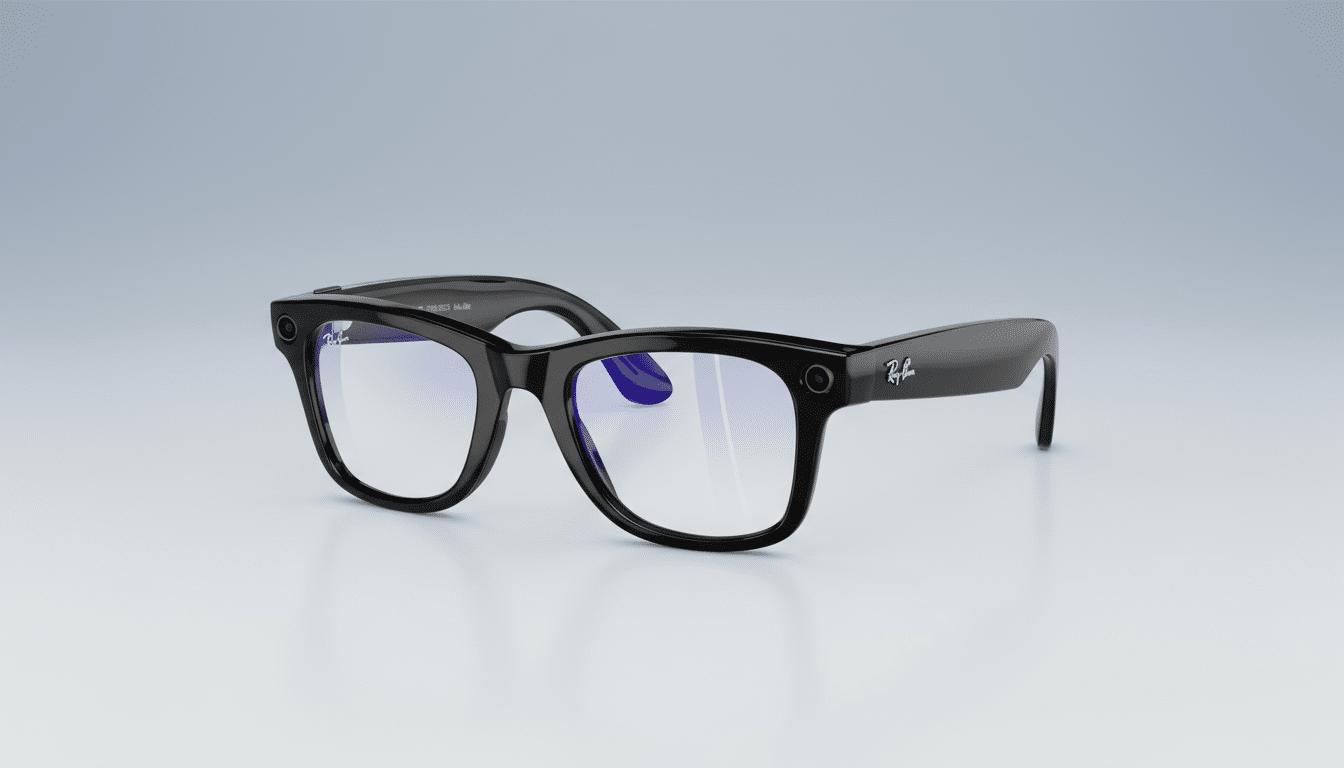
Google's strategic entry into spatial computing through Android XR glasses and AI-powered smart glasses launching in 2026 represents a transformative opportunity for cross-border e-commerce sellers. The company has already distributed design documentation and development tools to developers since December 2025, signaling imminent market readiness. The $8 billion smart glasses market (valued at $8B in 2023) is projected to grow significantly as Google competes directly with Apple's Vision Pro and Meta's Quest platforms. This creates immediate product sourcing and distribution opportunities for sellers across Amazon, eBay, Shopify, and specialty wearables marketplaces.
AI-Powered Automation Opportunities for Sellers: Google's Gemini Enterprise integration demonstrates how sellers can leverage AI for inventory optimization, dynamic pricing, and customer service automation on Google Shopping and other platforms. Sellers can immediately implement AI-driven product research tools to identify trending wearables categories, automate competitor pricing analysis, and optimize product listings for XR-related search queries. The mandatory audio-only functionality requirement for Android XR apps signals growing demand for voice-commerce optimization—sellers should automate voice search keyword research and optimize product titles/descriptions for voice queries. Time savings: 8-12 hours/week through automated competitor monitoring and pricing adjustments.
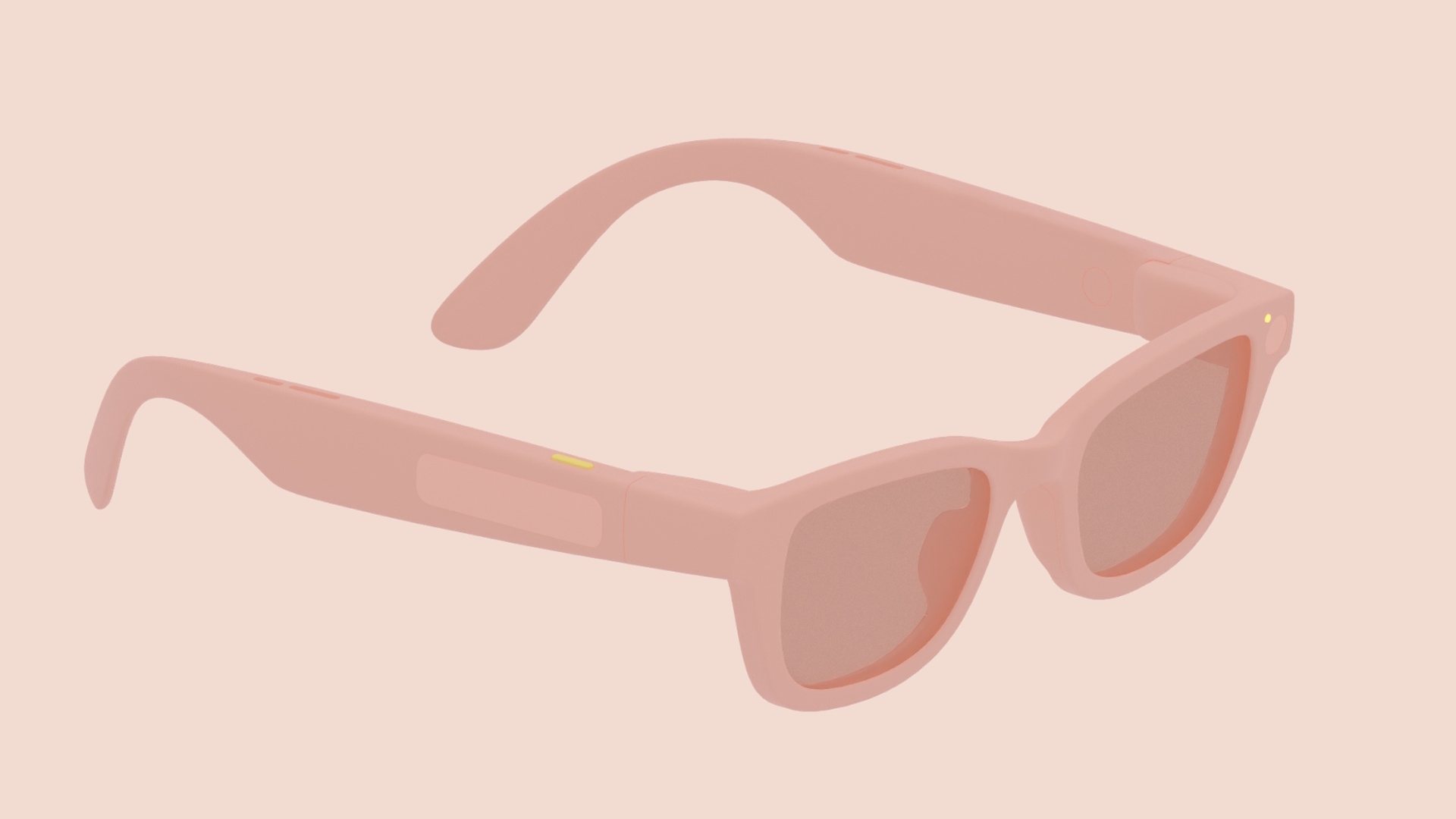
Strategic Product Opportunities: The Kering and Warby Parker partnership signals luxury brand integration into tech products, creating premium wearables segment opportunities. Sellers can source complementary products: protective cases, lens protectors, charging accessories, fashion-forward frames, and AR-compatible eyewear. The Samsung Galaxy XR headset partnership indicates multiple hardware form factors (monocular and binocular models launching at different times), creating staggered demand waves. Sellers should prepare inventory strategies for Q2-Q4 2026 launch windows. The Glimmer design language emphasizing rounded corners and specific color optimization (green = low power, blue = high power) suggests accessory design requirements—sellers can develop and source complementary products meeting these specifications.
Data-Driven Competitive Intelligence: Sellers can use AI to analyze Google's developer documentation (available since December 2025) to identify emerging app categories and predict accessory demand. The Jetpack Compose components for glasses (buttons, title chips, cards, lists) indicate specific UI/UX patterns that will drive app ecosystem growth. Sellers should monitor Android XR app store launches to identify trending categories and source related physical products. AI-powered sentiment analysis of developer forums and early reviews can reveal product gaps and unmet customer needs 6-12 months before mainstream adoption.
問題 8
What is Android XR and when will Google's smart glasses launch?
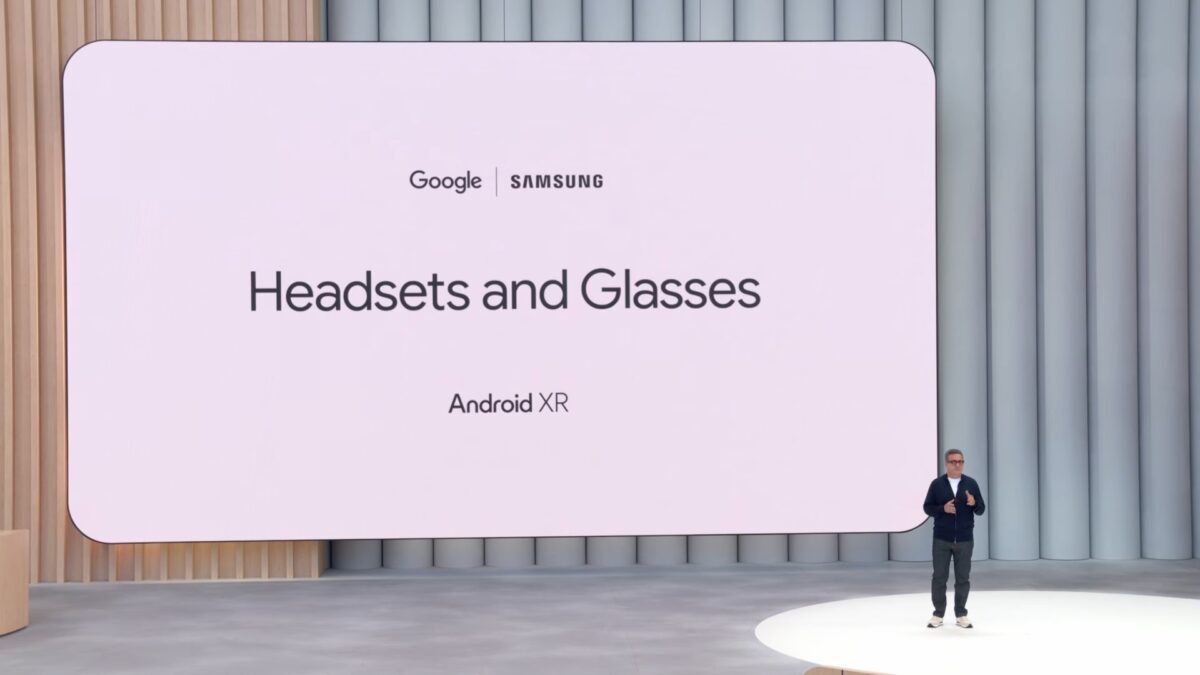
Android XR is Google's spatial computing operating system launching in 2026 with two primary form factors: AI Glasses (with speakers, microphone, camera) and Display AI Glasses (with additional small screen). Google distributed design documentation and development tools to developers in December 2025, enabling early app ecosystem preparation. The platform features the 'Glimmer' design language with minimalist interfaces optimized for immersive environments. Samsung's Galaxy XR headset will be powered by Android XR, indicating strategic partnerships. For sellers, this represents an emerging product category worth $8 billion (2023 valuation) with significant growth potential through 2026-2027.
How does Google's Kering and Warby Parker partnership affect seller opportunities?
The partnership combines Google's AI capabilities with Kering's fashion expertise and Warby Parker's optical retail experience, positioning smart glasses at the intersection of technology and fashion. This signals luxury brand integration into tech products, creating premium wearables segment opportunities. Sellers can source high-end frames, designer accessories, and fashion-forward protective cases. The partnership indicates Google is targeting affluent consumers willing to pay premium prices, suggesting higher profit margins for sellers in the luxury wearables category. This differs from Meta's mass-market approach, creating distinct market segmentation opportunities.