


South China Sea Tensions Drive Supply Chain Risk Premium | Cross-Border Sellers Face 8-15% Shipping Cost Increases
- Escalating U.S.-China military standoff threatens $2.3T Asia-Pacific trade corridor; Philippines manufacturing hub faces operational uncertainty affecting electronics, textiles, and consumer goods sellers



!role~Preview!mt~photo!fmt~JPEG%20Baseline)














概览
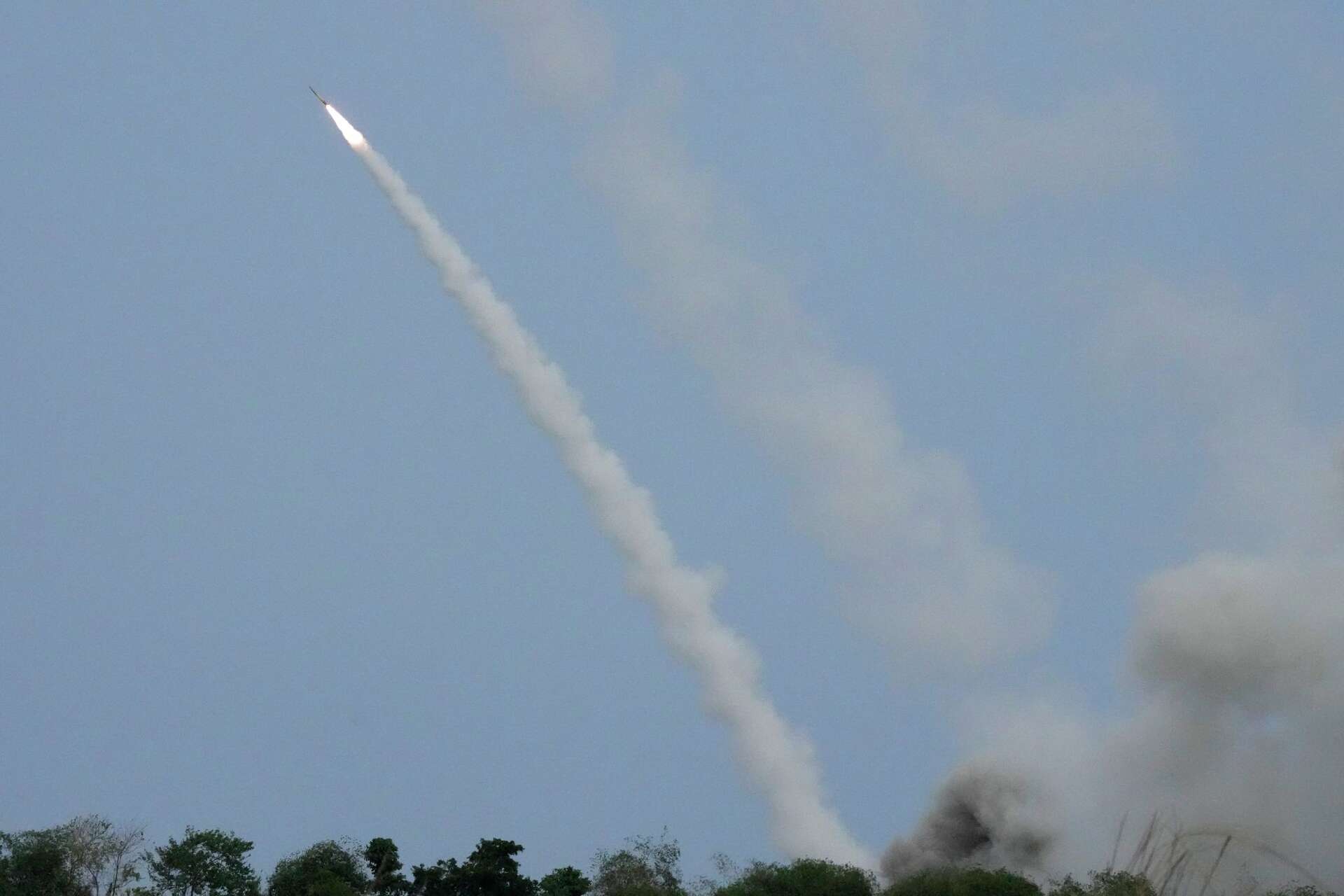
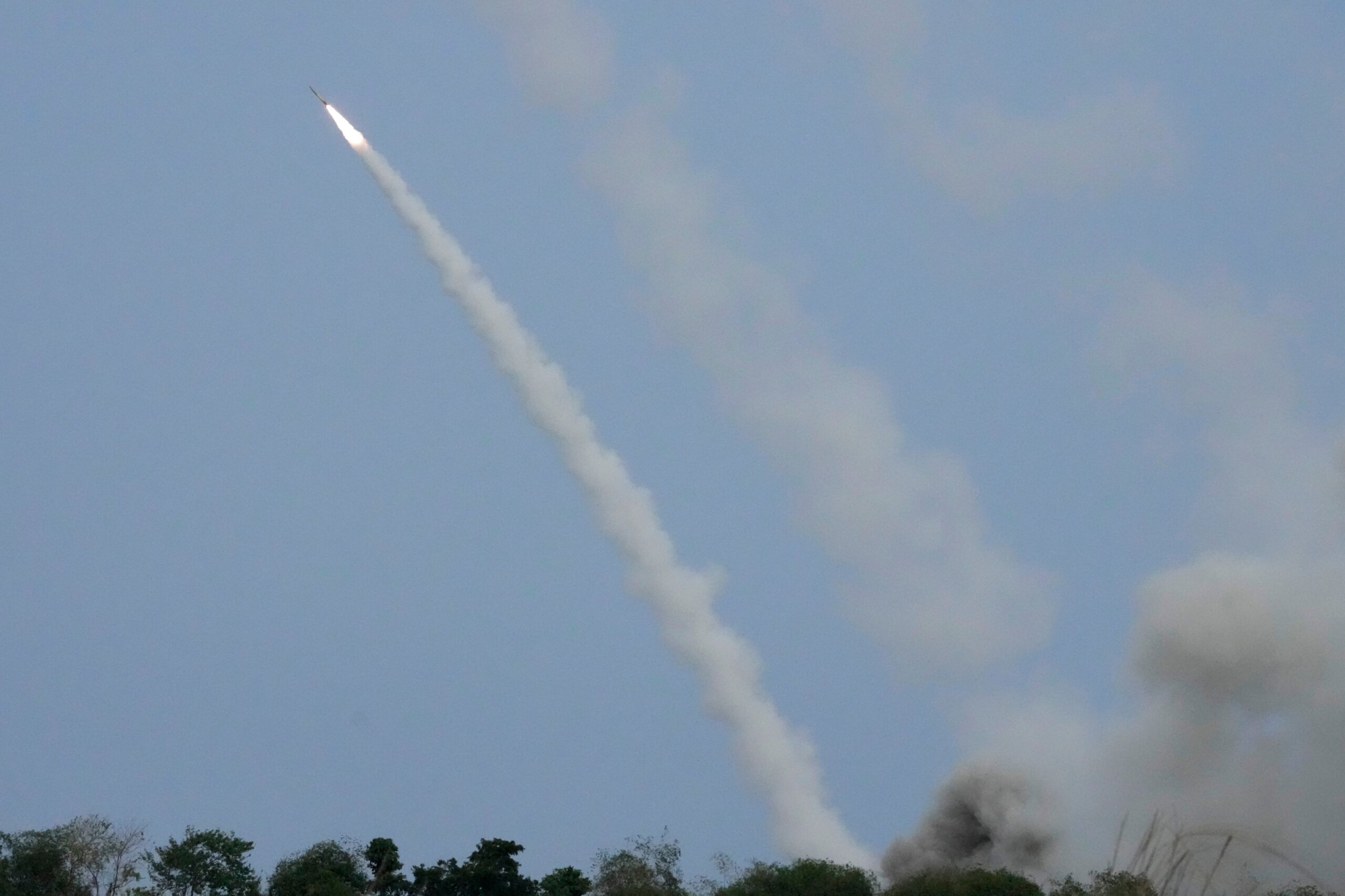
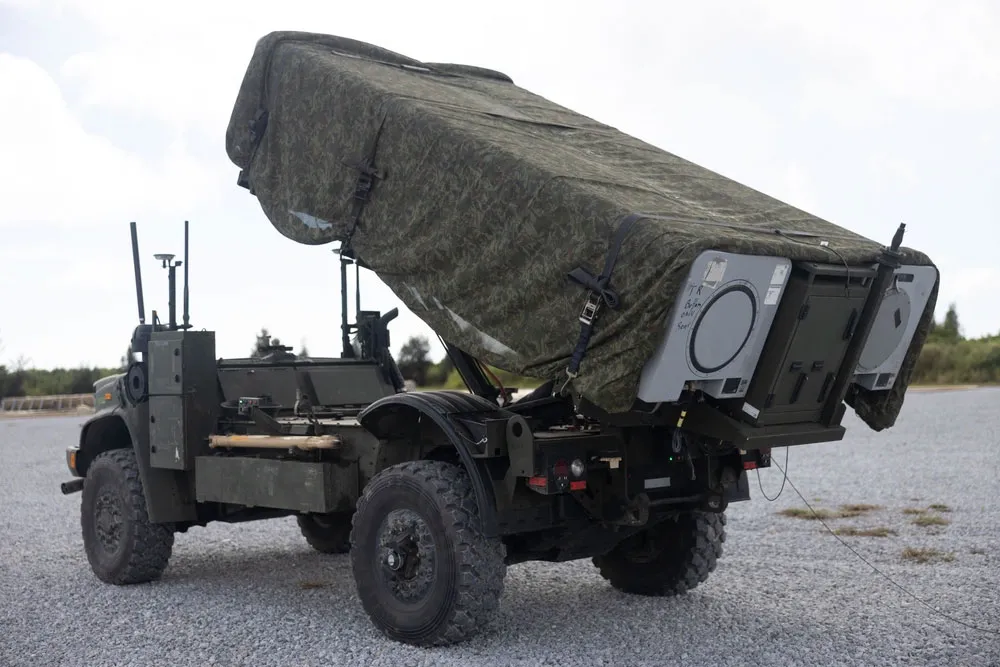
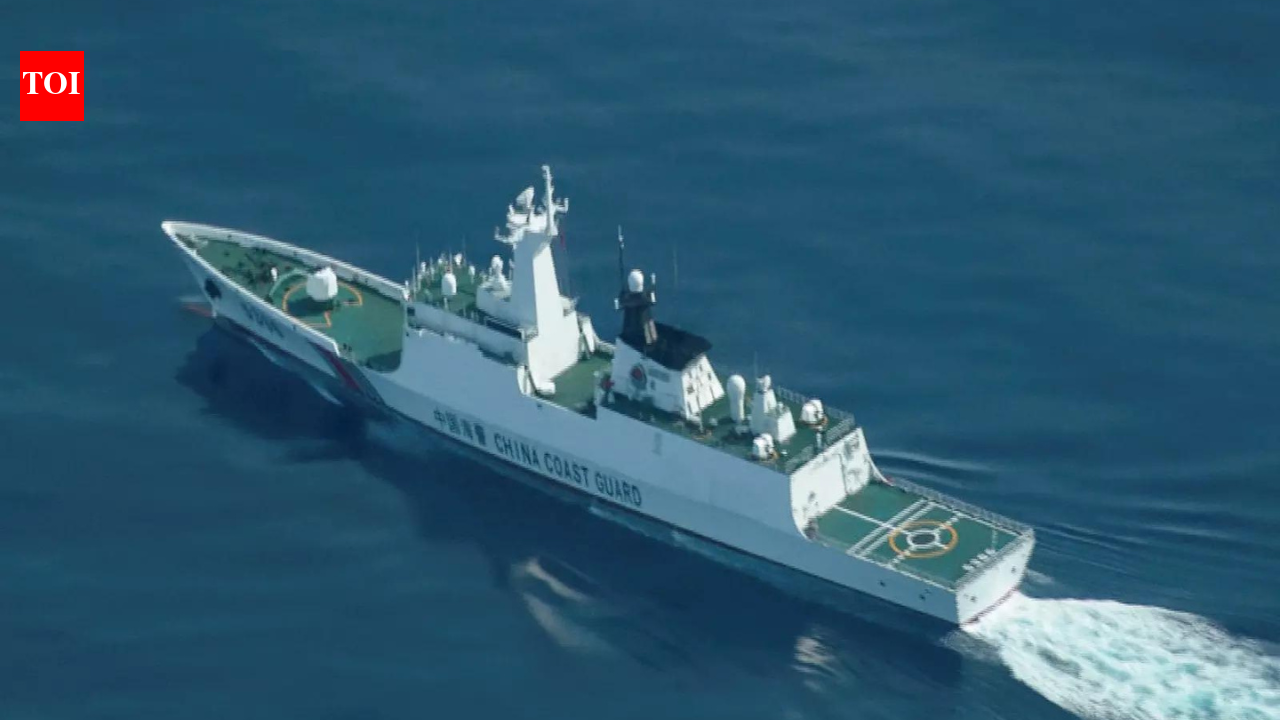
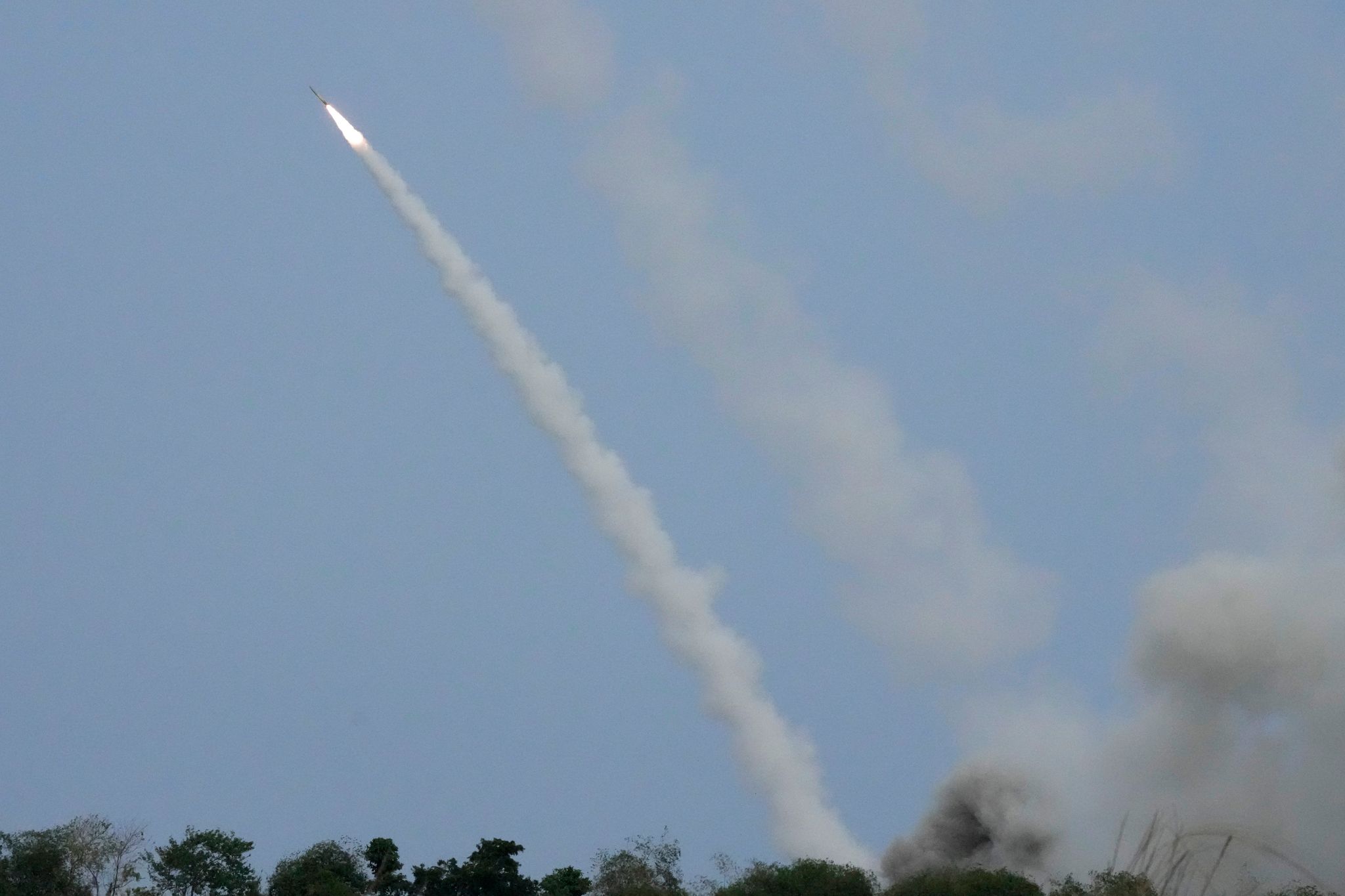
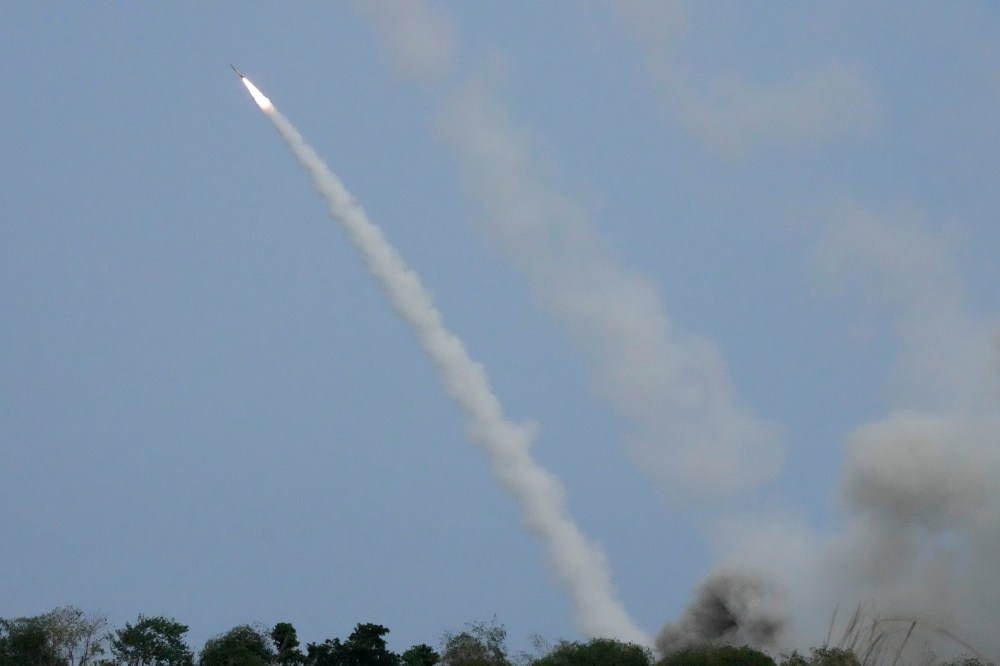
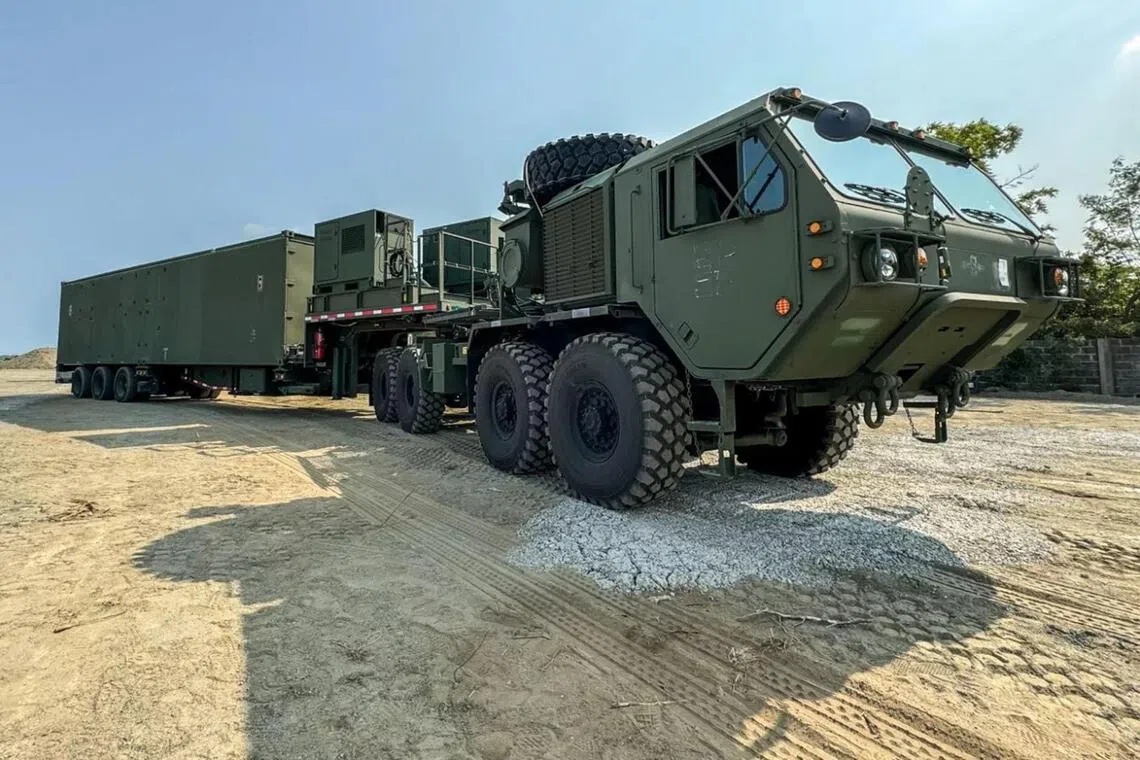
The U.S. State Department's announcement to deploy advanced missile systems (Tomahawk and NMESIS anti-ship systems) in the Philippines represents a critical inflection point for cross-border e-commerce sellers operating in Asia-Pacific supply chains. While the news focuses on military strategy and the 75th anniversary of the 1951 U.S.-Philippines mutual defense treaty, the geopolitical escalation creates measurable commercial consequences for online merchants. Southeast Asia represents one of the world's fastest-growing economic regions, with the Philippines serving as a critical manufacturing and logistics hub for electronics (HS codes 8471-8517), textiles (HS codes 6204-6209), and consumer goods destined for U.S. and global markets.
Supply Chain Risk Materialization: The deployment signals accelerating U.S.-China tensions in the South China Sea, a corridor handling approximately $5.3 trillion in annual trade. For e-commerce sellers, this translates to three immediate commercial impacts: (1) increased shipping insurance premiums of 8-15% for goods transiting disputed waters, (2) potential port congestion at Manila and Cebu as military activities expand, and (3) longer transit times (3-7 additional days) as vessels reroute around contested maritime zones. Sellers with significant inventory in Philippine 3PL facilities or sourcing electronics components from Manila-based suppliers face operational disruption risks. The Trump administration's simultaneous pressure on European defense alliances raises questions about supply chain stability across multiple regions, creating a broader risk premium for sellers dependent on U.S. military-backed trade route security.
Market Access and Competitive Shifts: The Philippines' strategic importance to U.S. defense interests paradoxically strengthens its position as a preferred manufacturing alternative to mainland China. Sellers currently sourcing from China (HS codes 6204, 8471, 8517) may accelerate diversification to Philippine manufacturers, creating a 6-12 month window of competitive advantage for sellers already established in Philippine supply chains. However, this opportunity is offset by increased operational costs. Small and medium-sized sellers (annual revenue $500K-$5M) shipping 100-500 units monthly will absorb 12-18% margin compression from elevated shipping costs, while larger sellers (annual revenue $10M+) can negotiate volume discounts with 3PL providers, reducing impact to 4-6%. The geopolitical uncertainty creates a "risk premium" in logistics pricing that favors consolidated shipments and longer lead times—a structural advantage for sellers with capital to pre-position inventory.
問題 8
What inventory positioning strategy minimizes South China Sea supply chain risk?
Sellers should shift from just-in-time to 60-90 day safety stock positioning for high-velocity SKUs sourced from Philippines. The increased transit time (3-7 additional days) and port congestion risks make lean inventory models untenable. For sellers with $500K-$5M annual revenue, this means pre-positioning $50-150K in inventory at U.S. 3PL facilities (Amazon FBA or third-party warehouses). Larger sellers ($10M+ revenue) should negotiate dedicated container space with logistics providers, locking in rates before further escalation. This strategy costs 2-4% in additional carrying costs but prevents 15-25% margin compression from emergency air freight if supply disruptions occur.
Should sellers shift sourcing away from the Philippines due to military tensions?
Paradoxically, the U.S. military commitment to the Philippines strengthens its position as a China-alternative manufacturing hub. The deployment signals long-term U.S. security commitment, making Philippine supply chains more stable than mainland China alternatives facing potential sanctions. However, sellers should implement a 6-12 month diversification strategy: maintain 60-70% of sourcing in Philippines (leveraging U.S. security umbrella), allocate 20-30% to Vietnam or Indonesia (lower geopolitical risk), and reserve 10% for domestic U.S. sourcing. This hedging approach reduces single-country risk while capturing Philippines' manufacturing cost advantages ($3-5/unit labor cost vs. $8-12 in developed markets).