



Gaming Hardware Supply Crisis 2025-2026 | Seller Sourcing & Inventory Strategy
- RAM/flash memory shortage extends through 2026; gaming device sellers face 30-40% cost increases and intermittent stock availability across all price tiers









概览
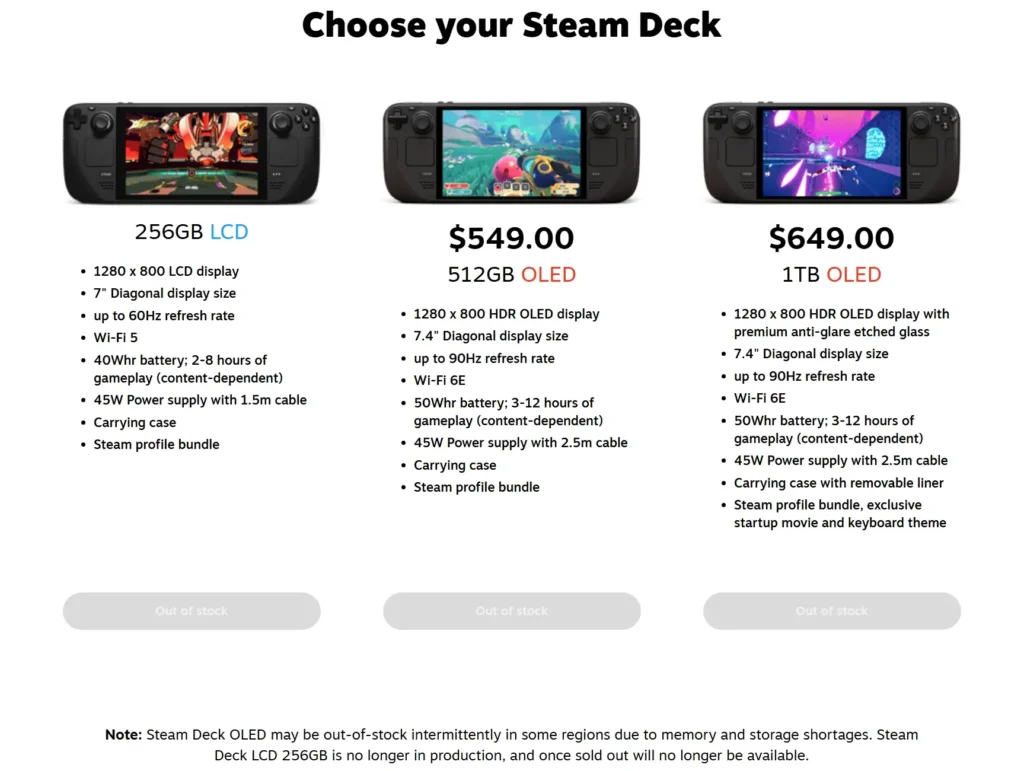
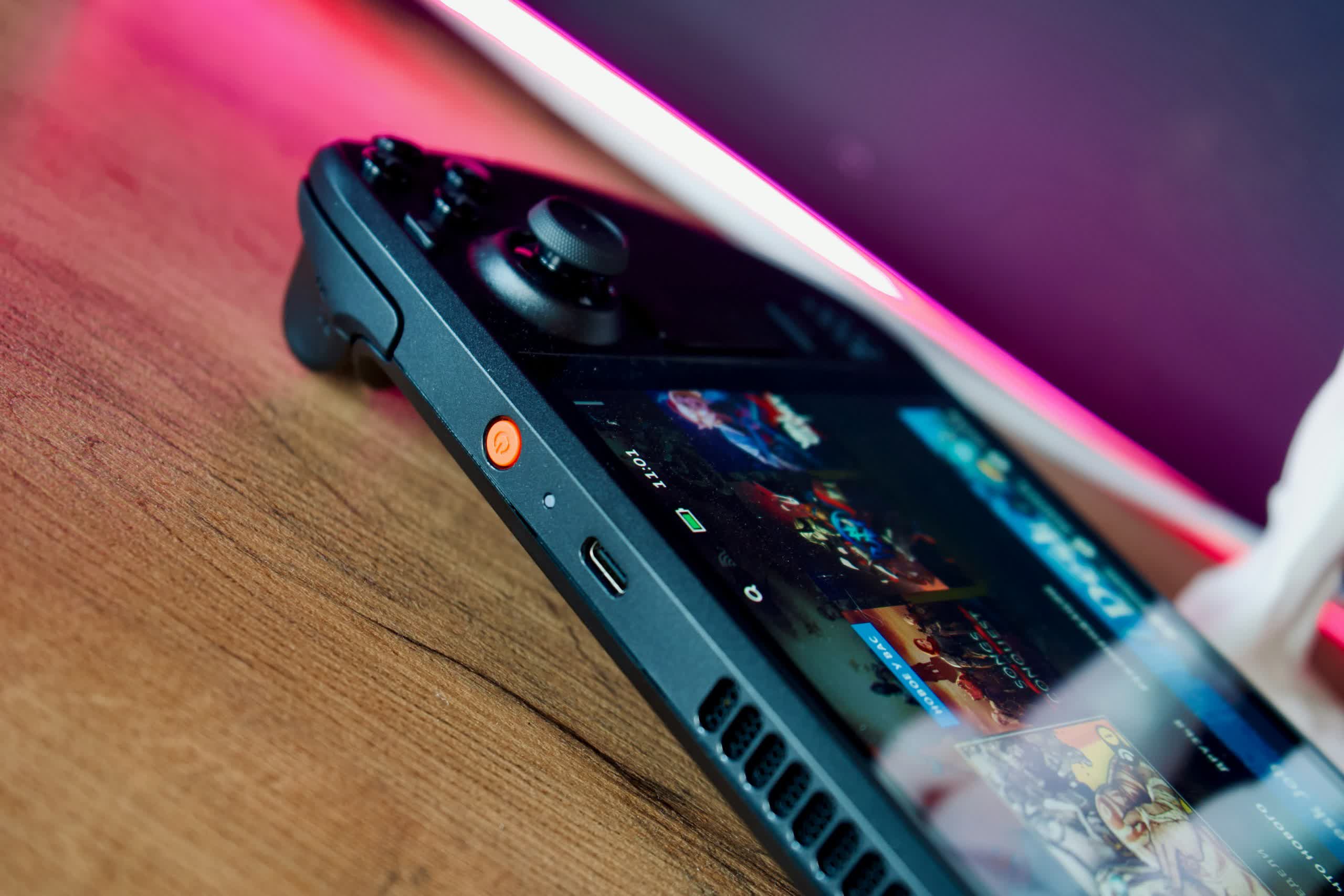
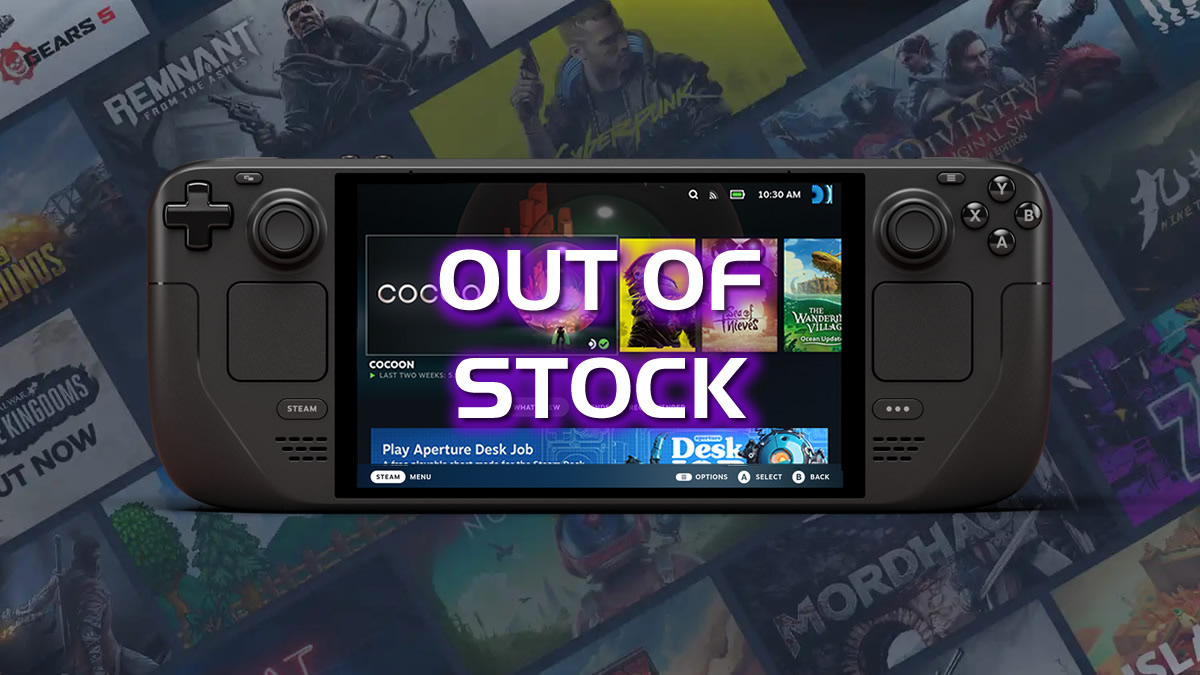
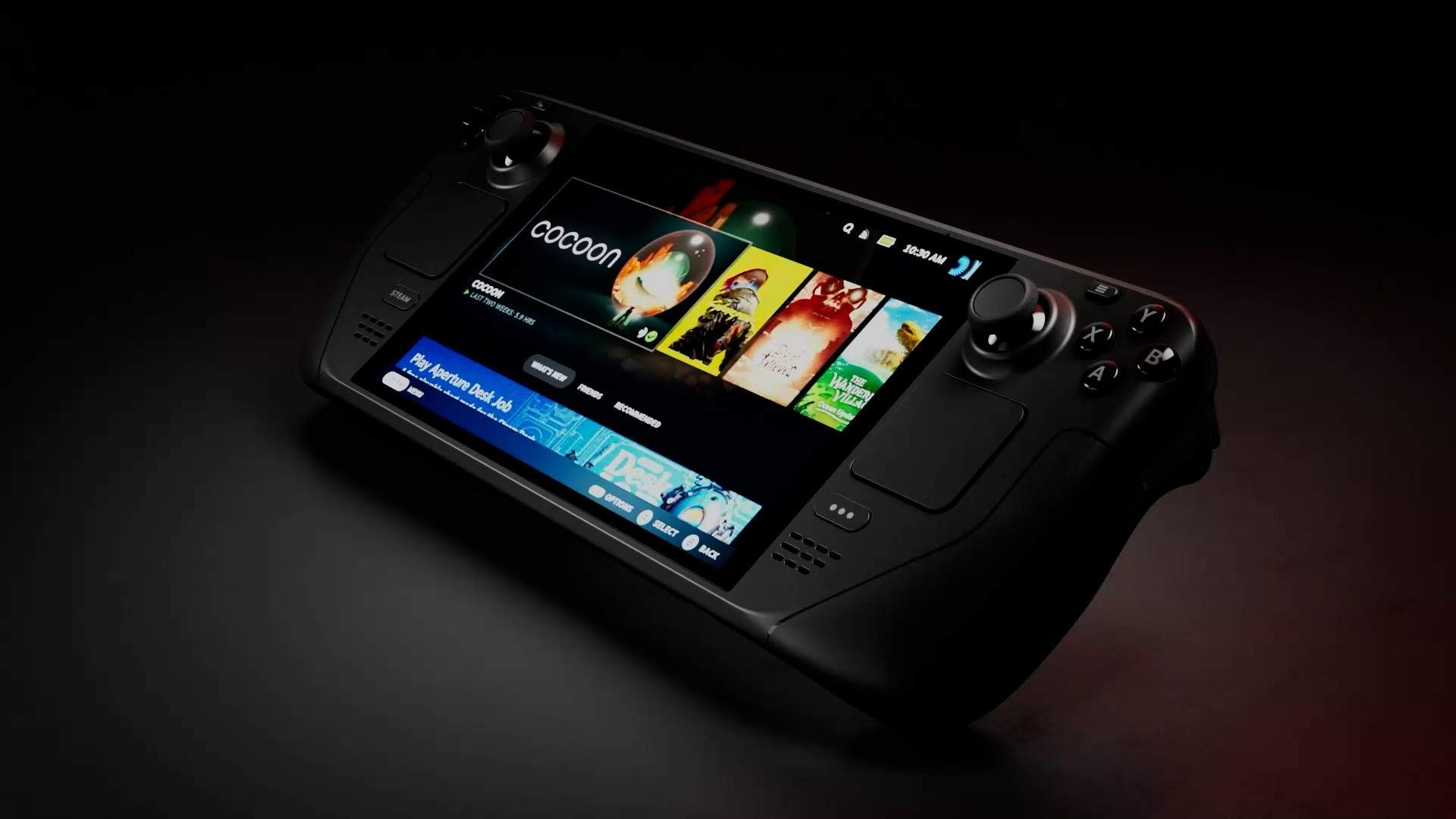
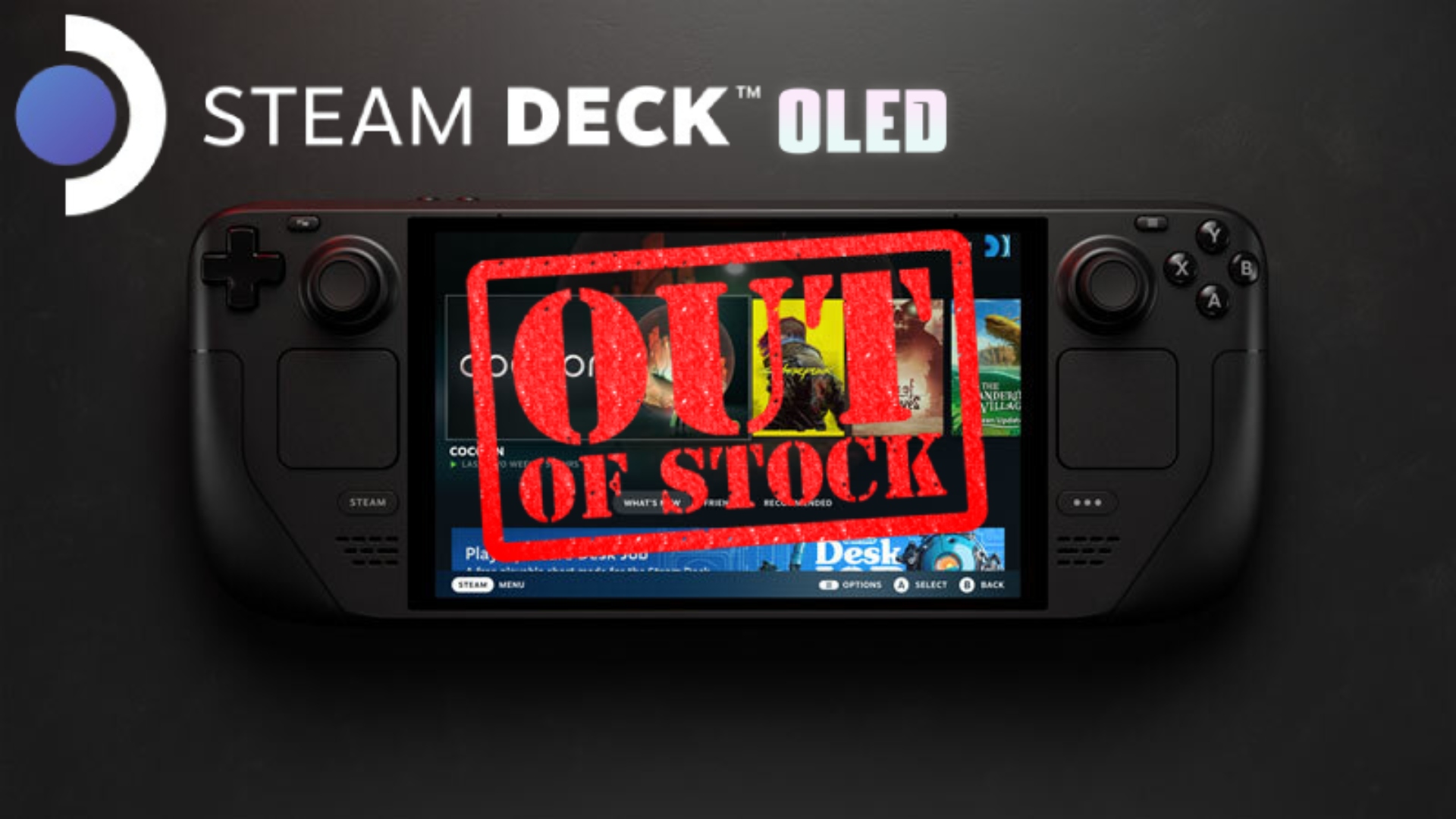
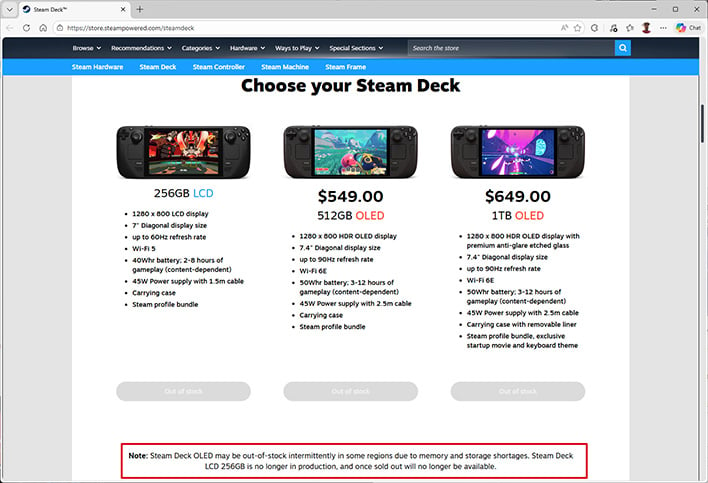
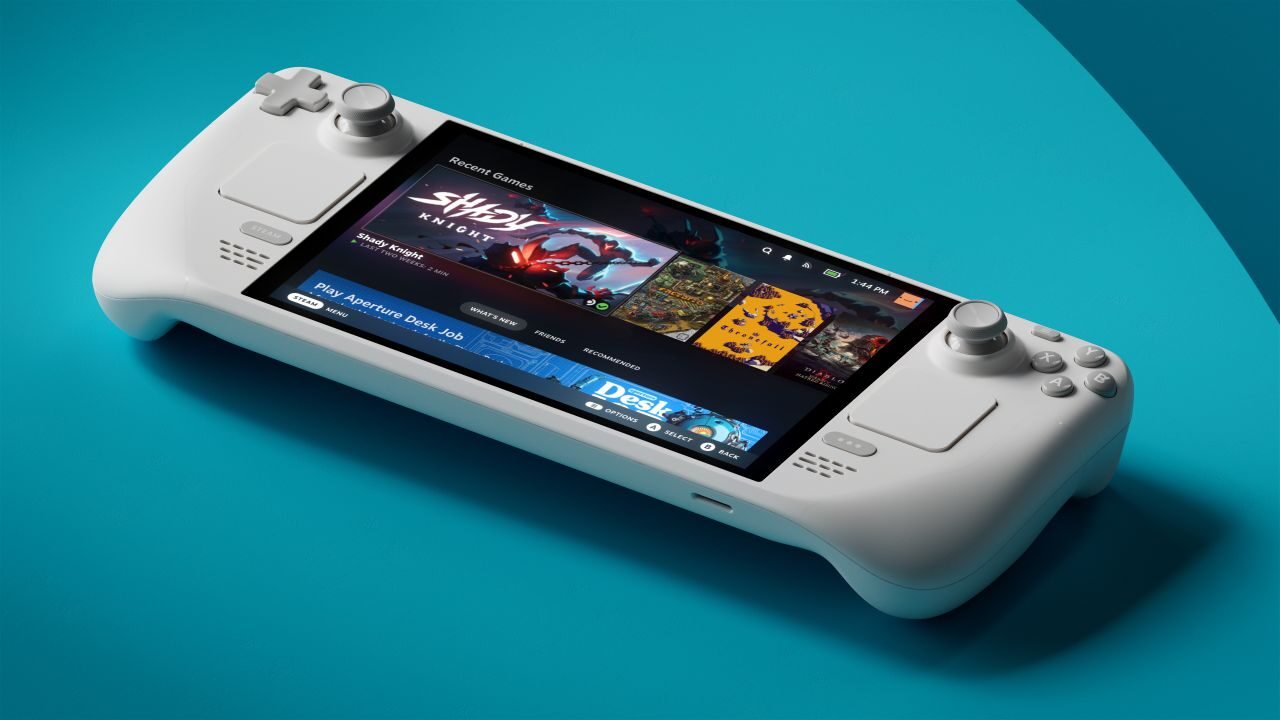
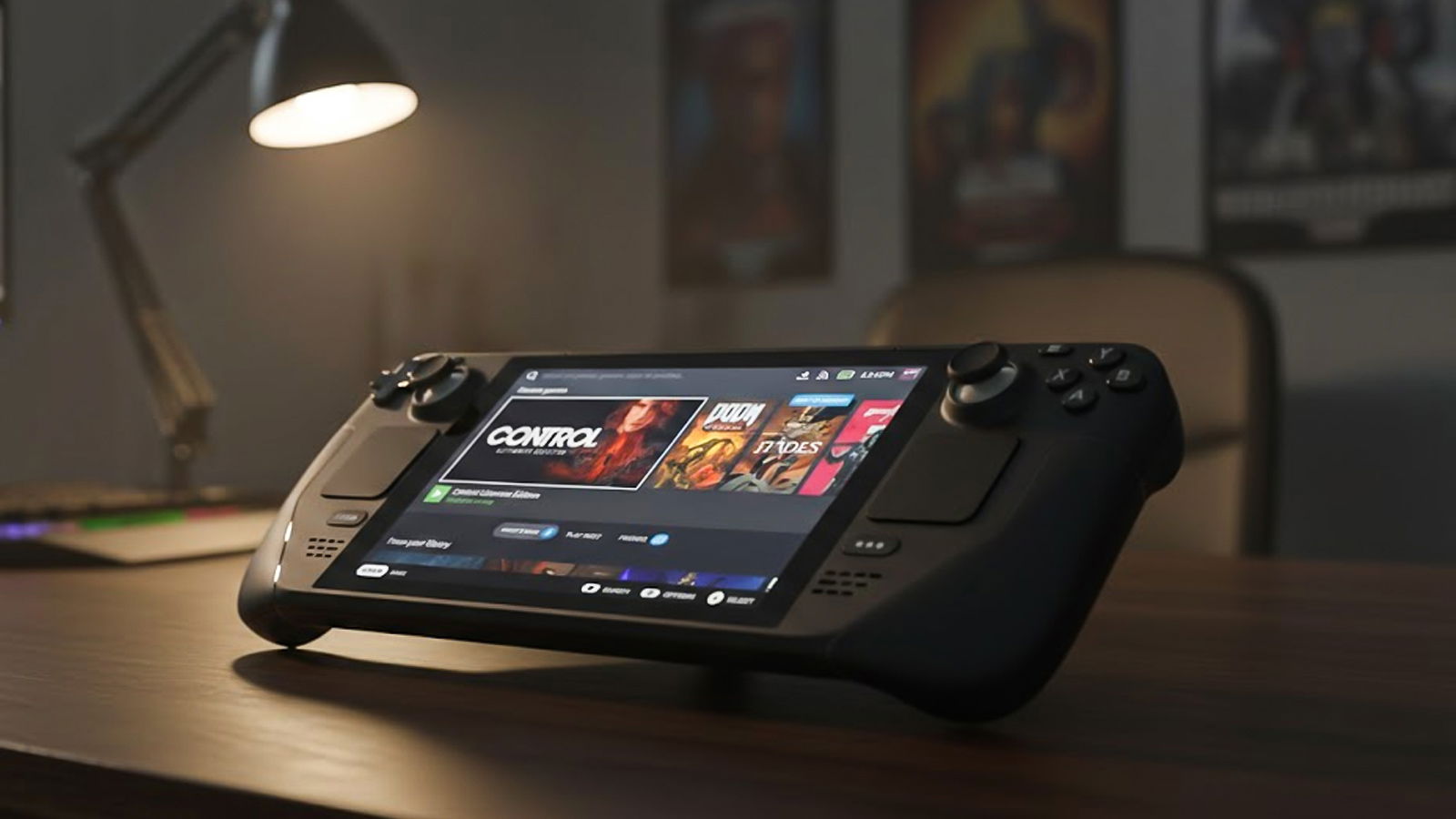
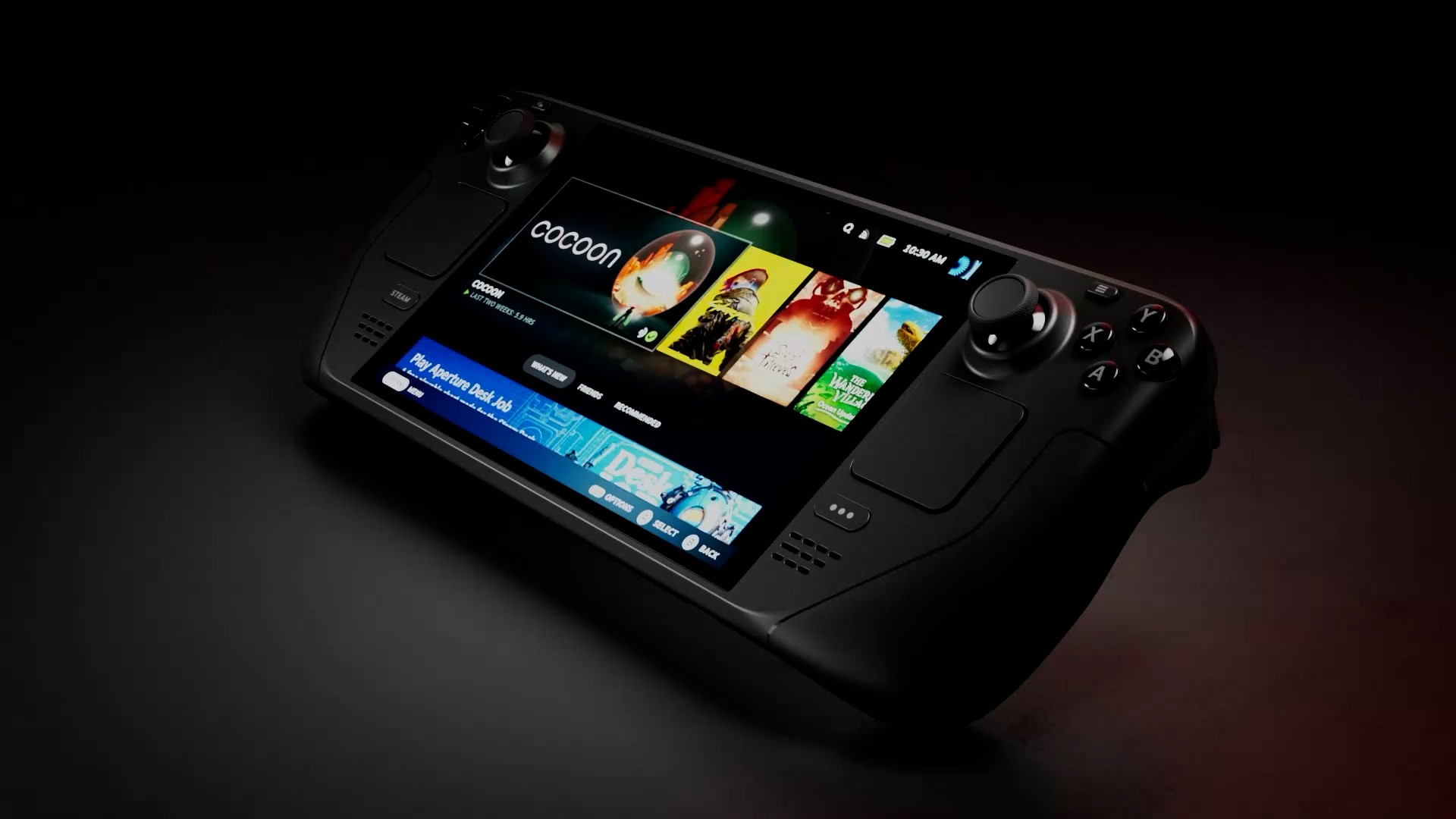
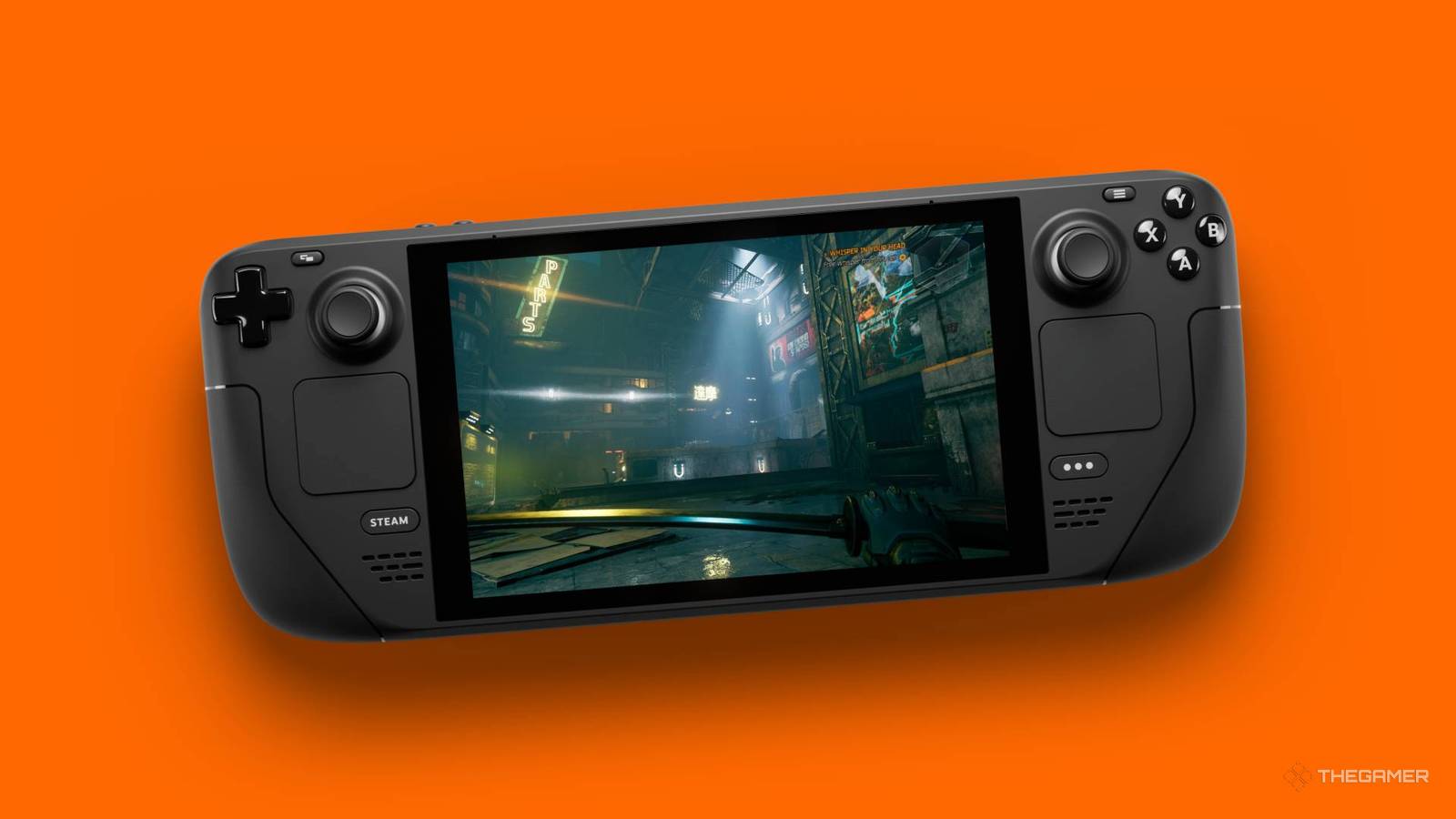
The global RAM and flash memory shortage, driven by AI industry demand, has created a critical supply chain disruption affecting the entire gaming hardware ecosystem. Valve's Steam Deck—one of the market's most successful handheld gaming devices—now faces intermittent stock unavailability across all three configurations ($549 OLED 512GB, $649 1TB, and discontinued $399 256GB LCD model). This shortage extends beyond Valve: the company has delayed its Steam Machine desktop and Steam Frame VR headset due to identical memory constraints, signaling industry-wide component scarcity expected to persist through 2026 and beyond.
For cross-border sellers, this creates three distinct logistics and sourcing opportunities:
1. Alternative Gaming Hardware Sourcing Shift: With Steam Deck availability intermittent, consumer demand is migrating to Windows-based alternatives and third-party SteamOS devices like Lenovo's Legion Go S, ASUS ROG Ally, and other Ryzen Z1/Z2-based handhelds. Sellers should immediately source inventory from Asian manufacturers (Taiwan, South Korea, China) producing these alternative devices. Specific product categories to prioritize: gaming handheld accessories (protective cases, screen protectors, docking stations), replacement batteries, and thermal management solutions. These categories typically generate 25-35% higher margins than base hardware and face lower component constraints.
2. Inventory Liquidation & Price Optimization: The 256GB LCD model discontinuation and $150 price floor increase (from $399 to $549) signals Valve's shift toward higher-margin OLED units. Sellers holding legacy gaming device inventory should liquidate remaining stock of older-generation handhelds (pre-2024 models) within 60 days before further price compression. Simultaneously, stock 2-3 months of gaming device accessories in US and EU fulfillment centers before Q2 2025, as consumer frustration with Steam Deck unavailability will drive accessory demand spikes.
3. Warehouse Positioning for Alternative Devices: Establish dedicated 3PL warehouse capacity in US (California, Texas) and EU (Germany, Netherlands) for Lenovo Legion Go S and ASUS ROG Ally inventory. These devices face lower memory constraints than Steam Deck and offer 15-20% faster fulfillment windows. Negotiate 90-day payment terms with Asian suppliers to manage cash flow during the shortage period. Total landed cost for gaming handhelds will increase 8-12% through 2026 due to component premiums; factor this into pricing strategies immediately.
Strategic Implication: The shortage threatens Valve's Linux-based SteamOS market expansion, creating a 18-24 month window for sellers to capture market share in Windows-based gaming handheld categories before supply normalizes. Sellers who reposition inventory toward Lenovo, ASUS, and other Ryzen-based alternatives can capture 30-40% of displaced Steam Deck demand.
問題 8
Should sellers liquidate legacy gaming device inventory or hold for price appreciation?
Liquidate legacy gaming device inventory (pre-2024 models) within 60 days before further price compression. The Steam Deck's discontinuation of the 256GB LCD model signals Valve's shift toward higher-margin OLED units, indicating older-generation devices will face declining demand. Offer 10-15% discounts on legacy inventory to clear stock by end of Q1 2025. Simultaneously, reallocate capital toward Lenovo Legion Go S and ASUS ROG Ally inventory, which offer 15-20% faster fulfillment and lower component constraints. Gaming hardware typically depreciates 5-8% monthly when new models launch; holding legacy inventory beyond 60 days risks margin compression of 20-30% by Q2 2025.
How should sellers adjust pricing strategy for gaming handhelds given the 8-12% component cost increase?
The RAM shortage increases landed costs 8-12% through 2026, requiring immediate pricing adjustments. For Steam Deck alternatives (Lenovo Legion Go S at $549-649 equivalent, ASUS ROG Ally at $599-699), sellers should increase retail prices 6-8% to maintain 18-22% gross margins. The Steam Deck's $150 price floor increase (from $399 to $549 for OLED) signals market acceptance of higher price points. Monitor competitor pricing weekly through Amazon and eBay; adjust within 3-5 days to maintain Buy Box eligibility. For accessories, increase prices 4-6% as these items face lower price sensitivity and higher demand elasticity during hardware shortages.