


Apple MacBook Battery Charge Limit Feature | Seller Opportunity in Device Longevity Market
- macOS 26.4 battery management feature drives $500M+ accessory market shift toward premium device care products and sustainability-focused consumer segments




概览
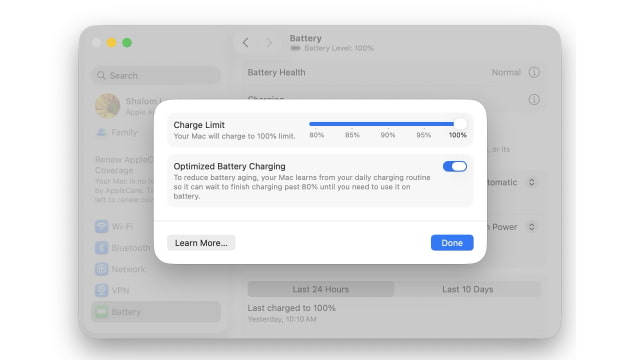
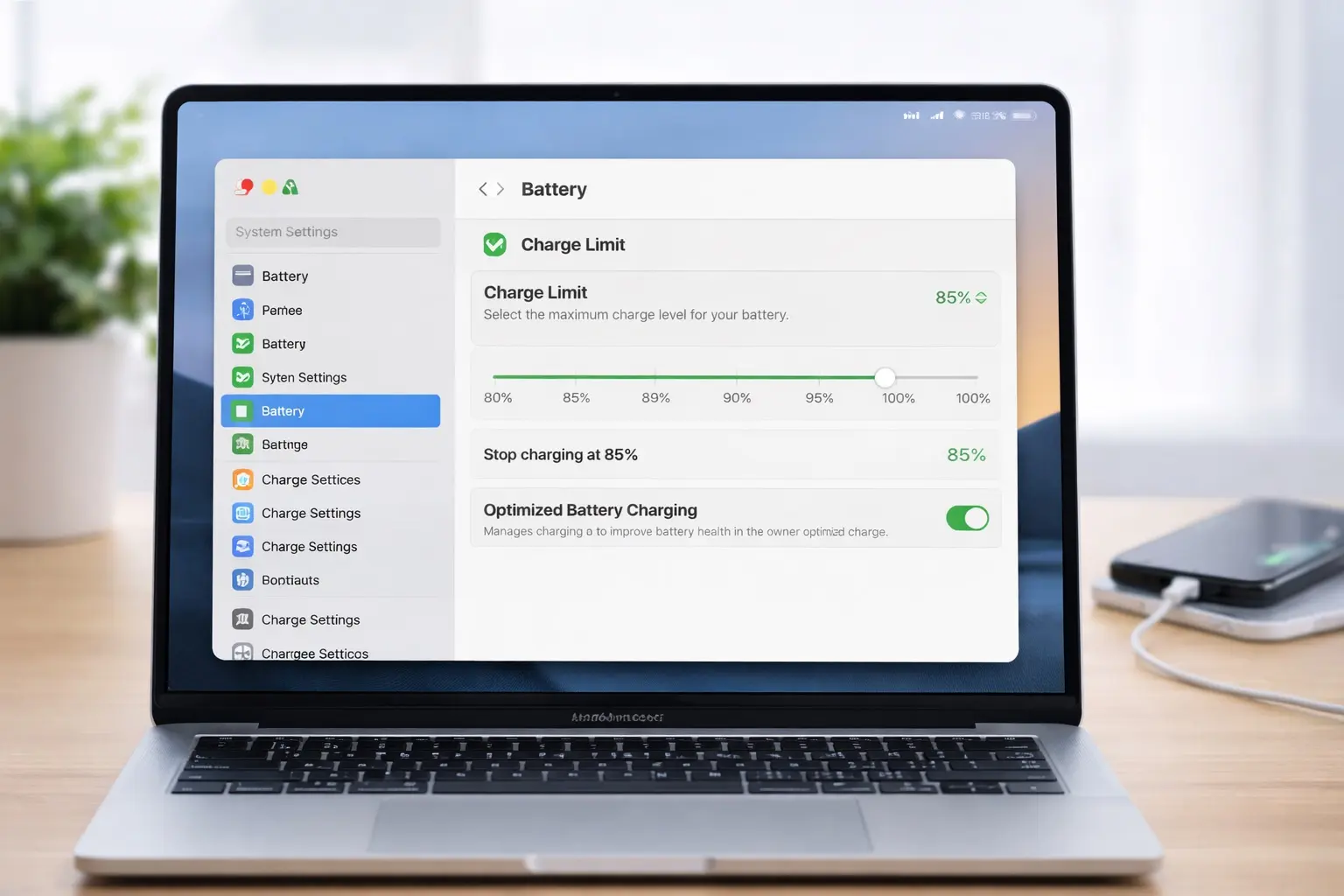
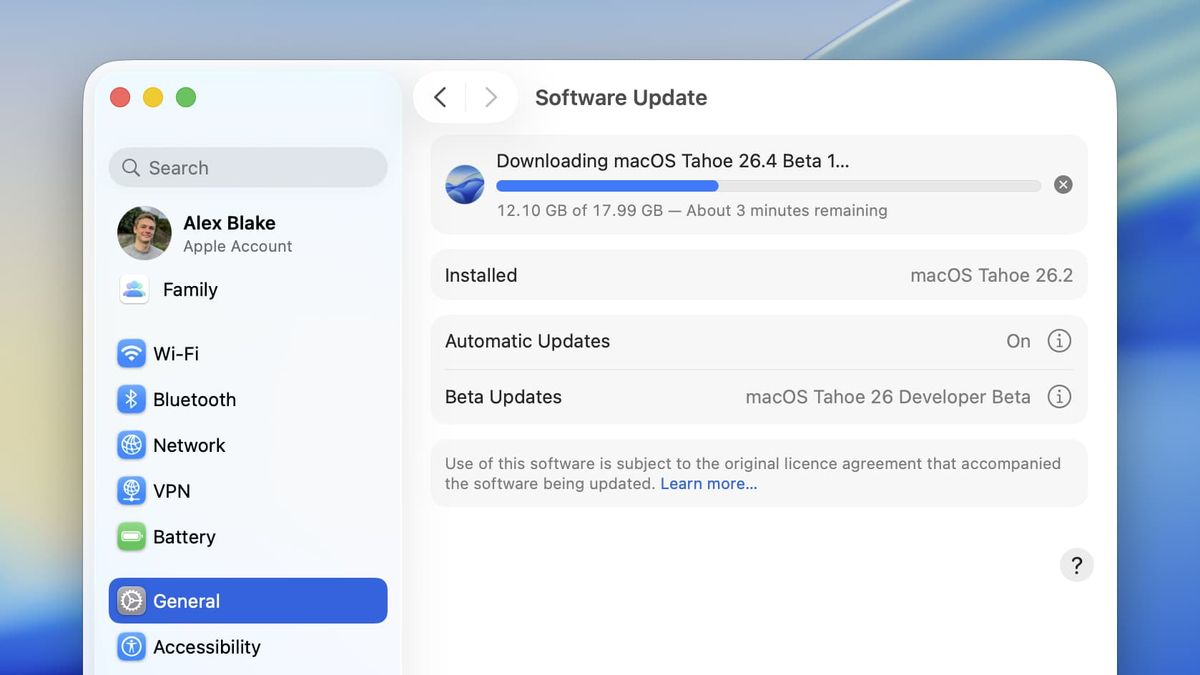
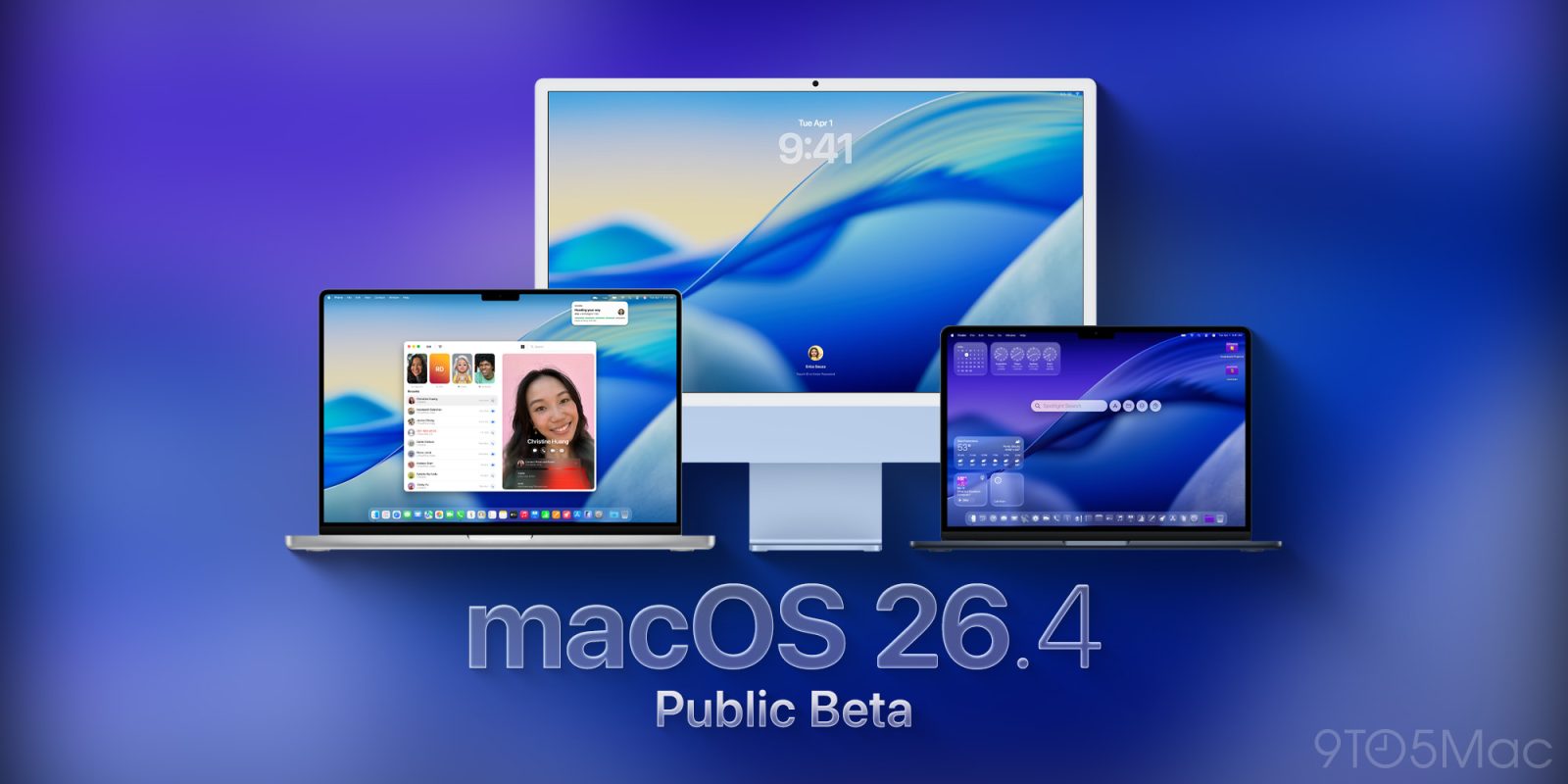
Apple's introduction of manual battery charge limiting in macOS 26.4 (released February 17, 2026) represents a significant shift in consumer device longevity expectations that creates substantial e-commerce opportunities for sellers across multiple categories. The feature allows MacBook users to set custom charge limits between 80-100% in 5% increments, directly addressing years of user demand for battery health control. This native implementation disrupts third-party utility markets like AlDente while simultaneously signaling a broader consumer trend toward device sustainability and total cost of ownership optimization—a mindset that extends far beyond software into hardware accessories, replacement components, and premium device care products.
Market Implications for E-Commerce Sellers: The battery health trend creates immediate opportunities in three key categories. First, MacBook accessory sellers can capitalize on increased consumer awareness of battery degradation by promoting premium charging solutions, including smart chargers with temperature monitoring, USB-C power adapters with advanced circuitry, and charging dock systems designed to optimize battery longevity. Second, replacement battery market sellers face both challenges and opportunities—while extended battery life reduces replacement frequency, the premium segment of users willing to pay for optimal battery management represents a high-value customer base. Third, device care and maintenance product sellers (cleaning kits, thermal management solutions, protective cases with heat dissipation) can leverage Apple's messaging about battery health to position complementary products as essential device longevity investments.
Consumer Behavior Shift: The feature reflects a fundamental change in how premium device users evaluate purchase decisions. Rather than viewing MacBooks as disposable technology with 3-5 year lifespans, the battery management focus signals a market segment increasingly concerned with 7-10 year device longevity and environmental sustainability. This demographic—typically higher-income professionals and environmentally conscious consumers—demonstrates willingness to invest in premium accessories and maintenance products. Sellers can target this segment through sustainability-focused marketing, emphasizing how their products extend device lifespan and reduce electronic waste. Amazon categories like "laptop cooling pads," "USB-C power management," and "device maintenance kits" should see increased search volume and conversion rates as consumers implement battery-conscious usage patterns.
Competitive Dynamics: While AlDente faces market disruption from Apple's native feature, the broader ecosystem of premium device care companies benefits from increased consumer education about battery health. Sellers offering advanced thermal management, specialized charging solutions, or comprehensive device maintenance bundles can differentiate by addressing the gaps Apple's basic feature leaves open—exactly as AlDente maintains competitive advantage through battery recalibration, thermal protection, and advanced heat management capabilities. This creates a tiered market opportunity: basic battery management (now native to macOS) drives demand for premium complementary solutions.
問題 7
When should sellers expect peak demand for battery and device care products?
Demand will accelerate as macOS 26.4 reaches broader adoption beyond developer beta (February 2026) through general release and subsequent quarterly updates. Peak demand typically occurs 3-6 months after major feature announcements as consumer awareness builds. Sellers should prepare inventory and marketing campaigns for Q2-Q3 2026 when macOS 26.4 reaches mainstream users. Additionally, seasonal peaks align with MacBook purchase cycles (back-to-school August-September, holiday November-December, and new product launches spring). Sellers should monitor Apple's release schedule and plan promotional campaigns around major macOS updates, positioning device care products as essential purchases for new MacBook owners and existing users upgrading to macOS 26.4.
How should sellers market products to consumers now aware of battery degradation?
Leverage Apple's messaging about battery health to position complementary products as essential device longevity investments. Marketing should emphasize: (1) Extended device lifespan—frame products as enabling 7-10 year MacBook usage rather than 3-5 year replacement cycles; (2) Environmental sustainability—appeal to eco-conscious consumers by highlighting how proper device care reduces electronic waste; (3) Total cost of ownership—calculate long-term savings from extended device life versus replacement costs; (4) Premium positioning—target higher-income professionals and environmentally conscious segments willing to invest in device care. Product listings should include battery health benefits, thermal management specifications, and sustainability certifications. This demographic responds well to detailed technical specifications and environmental impact data.