


Peru's Presidential Crisis Signals Trade Policy Volatility | Sellers Face Tariff Uncertainty
- Eight presidents in decade creates unpredictable trade environment; Chancay port dispute threatens tariff stability for 50K+ cross-border sellers shipping to Peru











概览
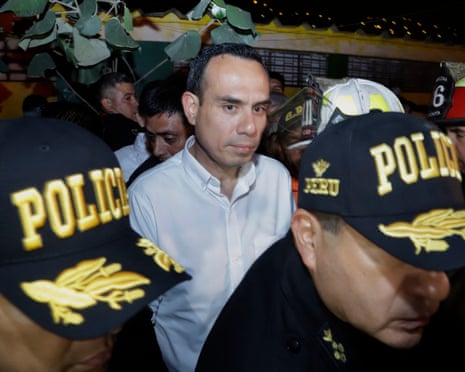
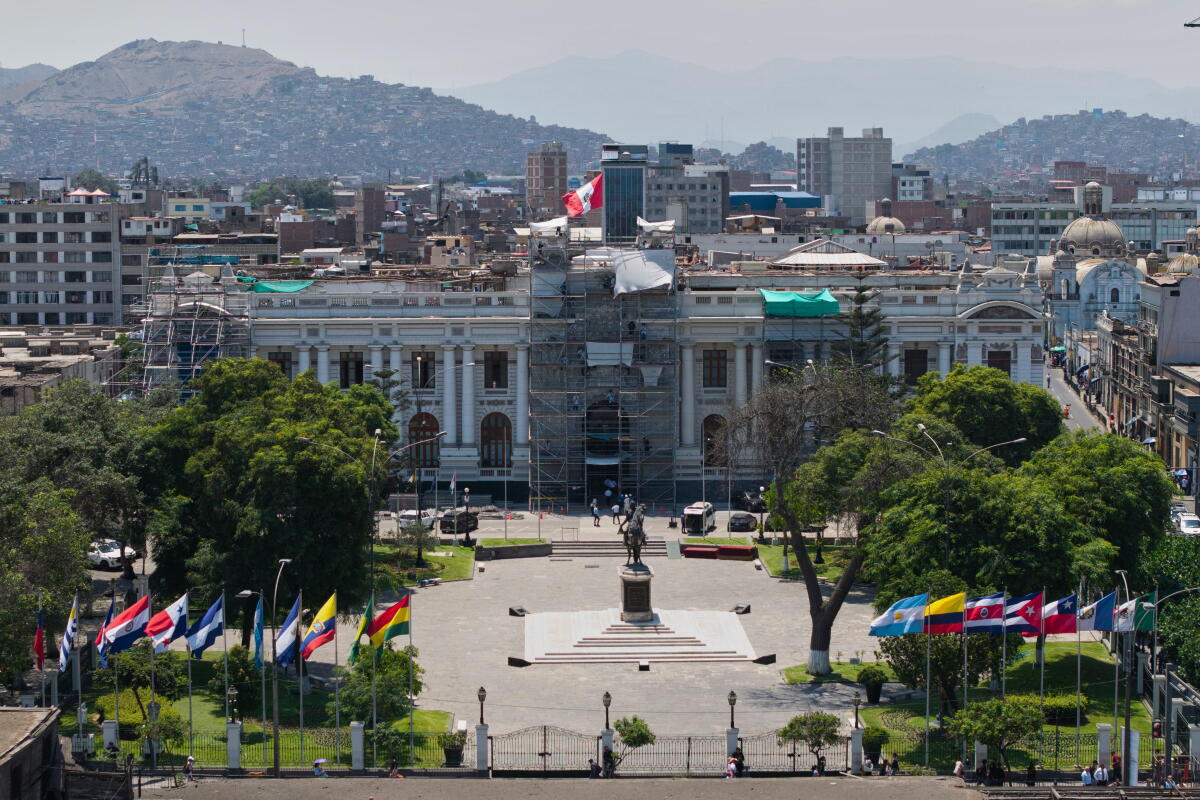
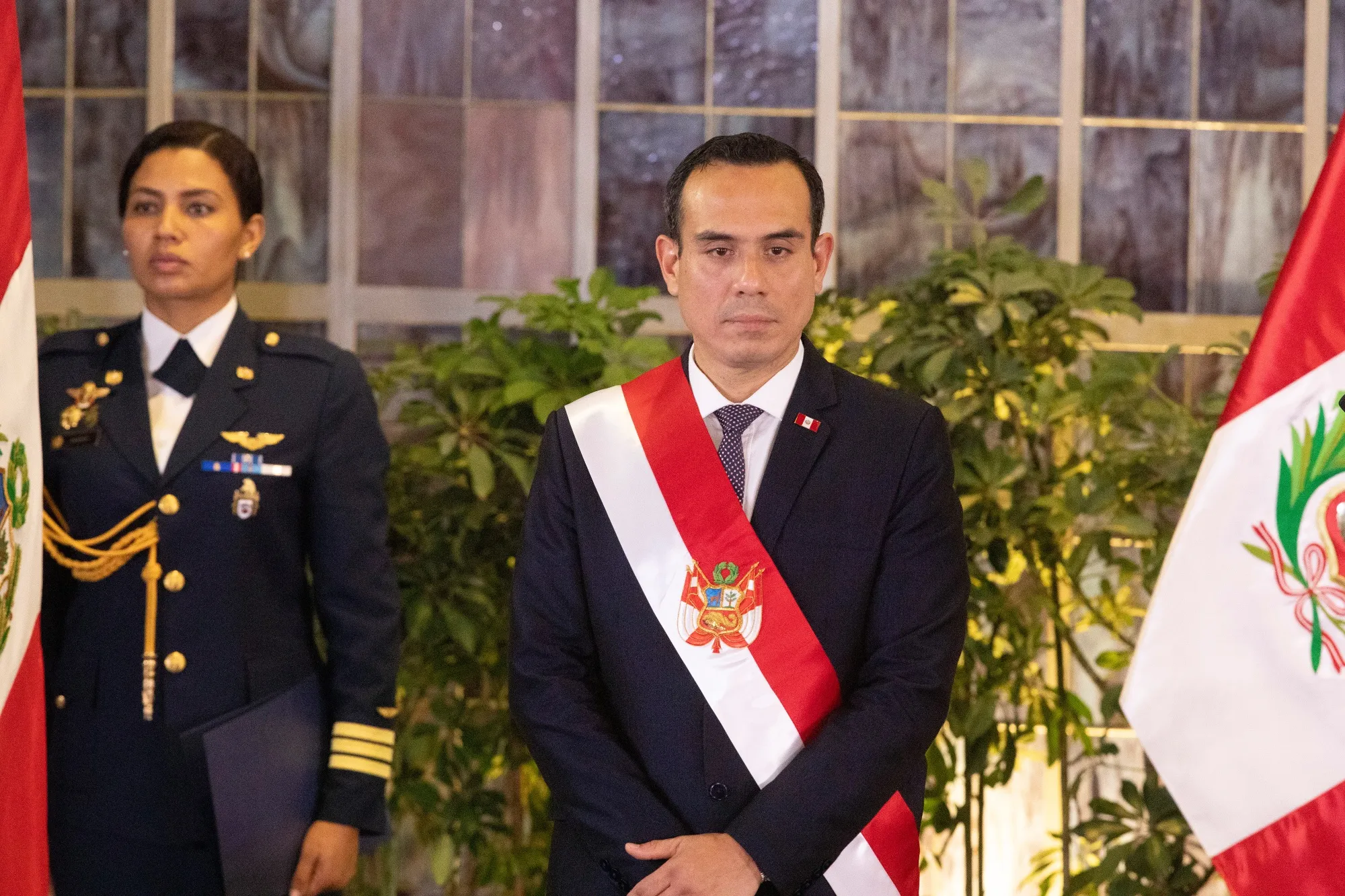
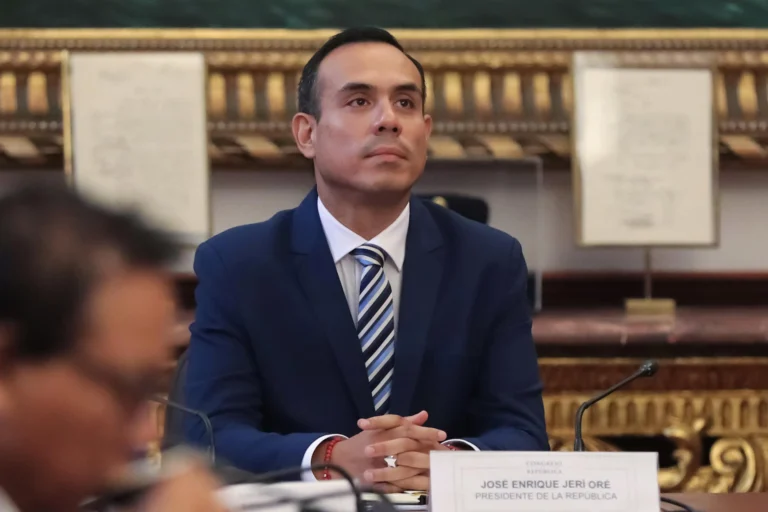
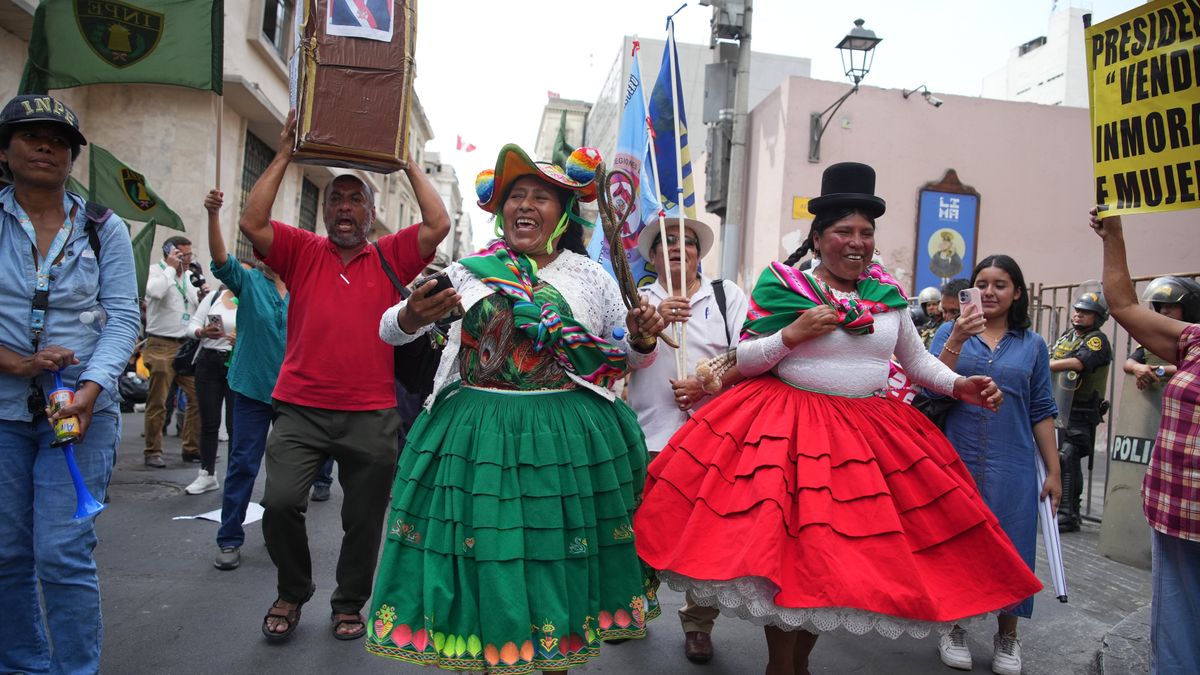
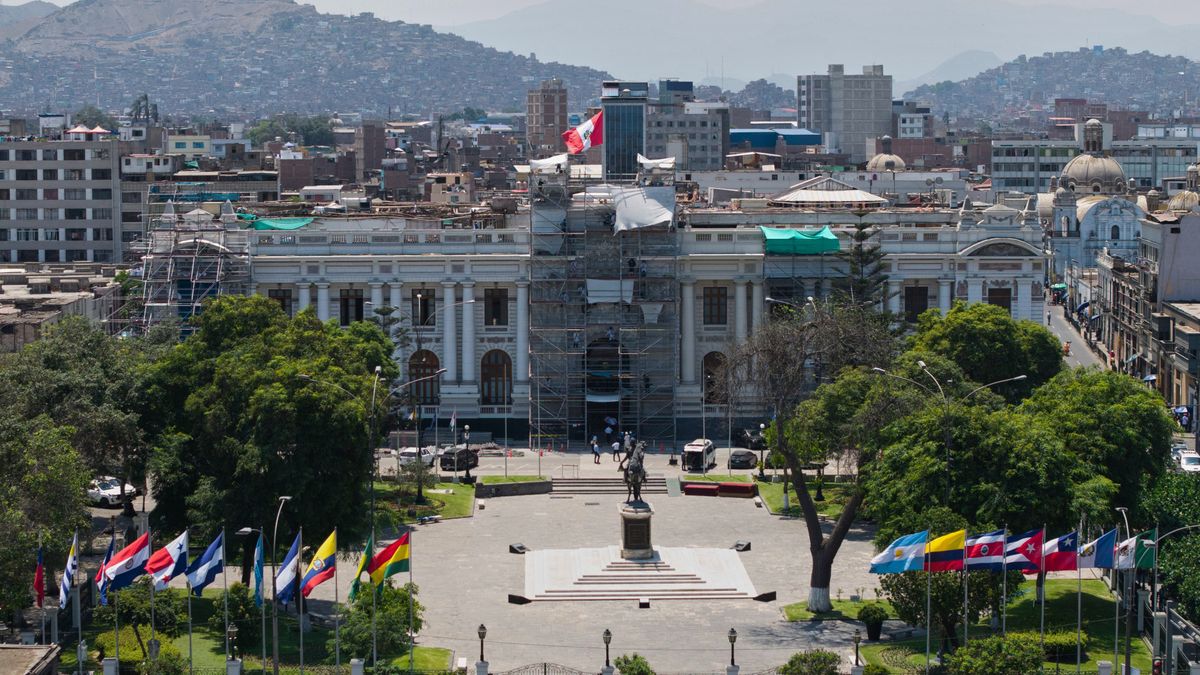
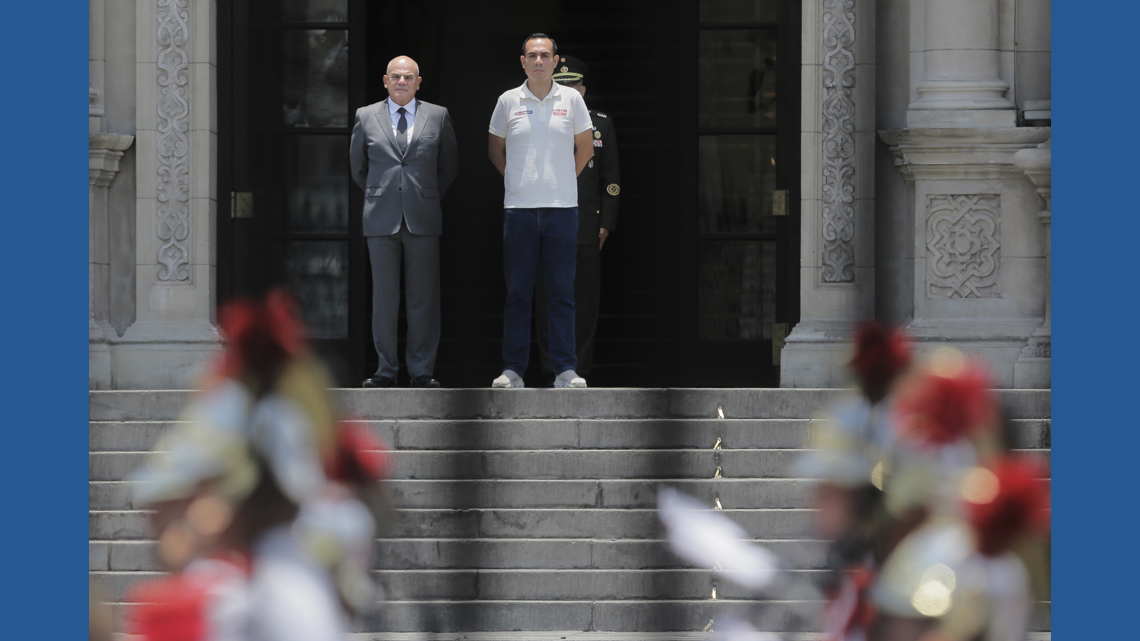
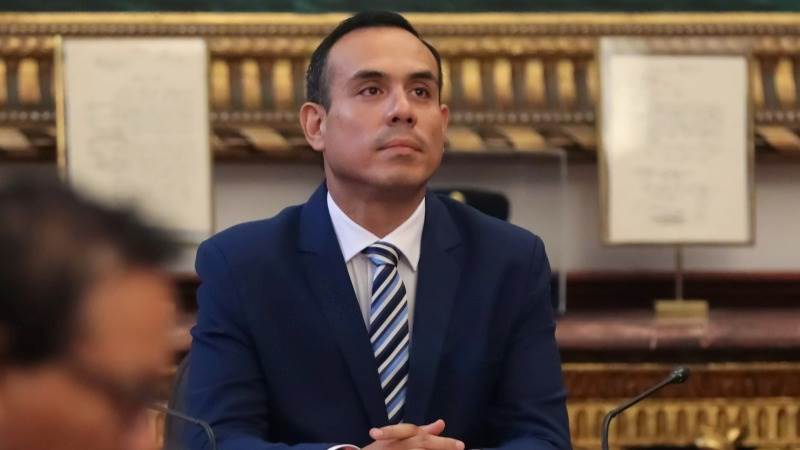
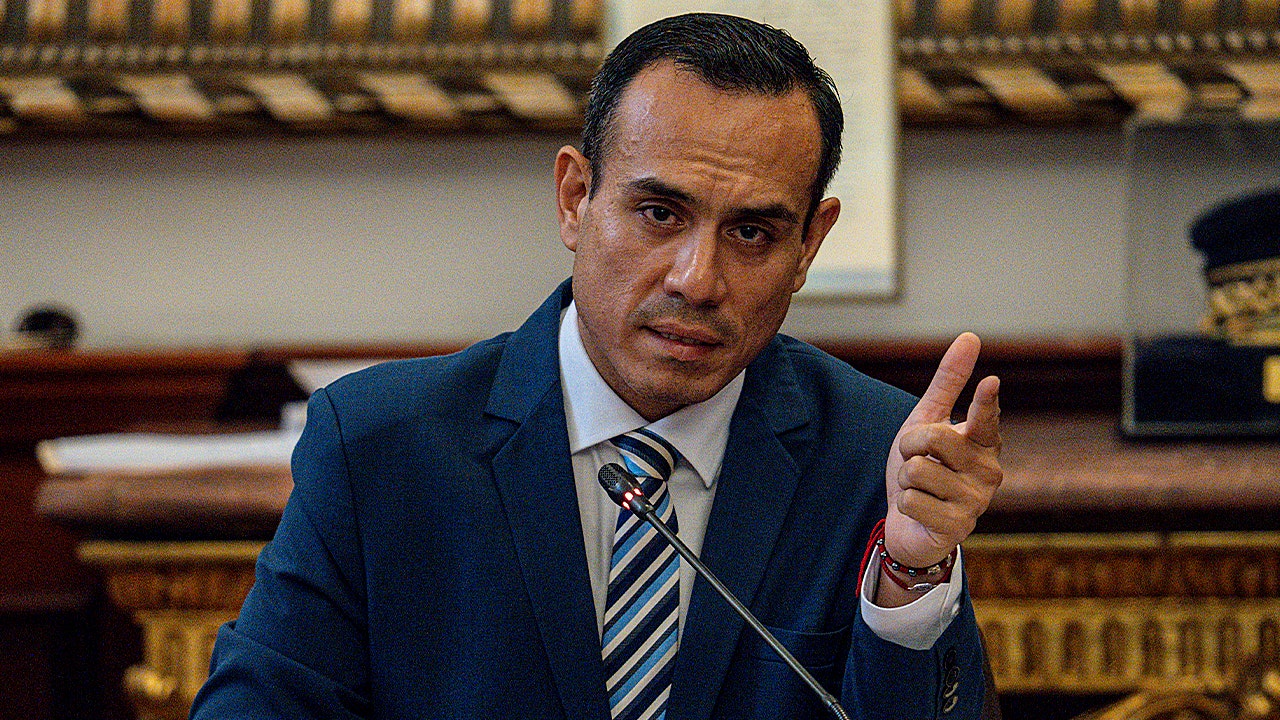
Peru's eighth presidential change in a decade—with José Jerí's February 2026 impeachment marking the latest crisis—creates unprecedented trade policy uncertainty for cross-border sellers targeting Latin America. The "Chifagate" scandal, centered on undisclosed meetings between Jerí and Chinese businessmen Yang Zhihua and Ji Wu Xiaodong, has intensified US-China geopolitical competition over Peru's strategic Chancay deepwater port (majority-owned by Chinese firm Cosco Shipping Ports). This political volatility directly impacts tariff structures, customs procedures, and trade agreement enforcement that sellers depend on for profitability.
The immediate trade policy risk stems from Peru's institutional instability. With seven living former presidents facing criminal investigations and recurring leadership crises, Peru's trade ministry lacks continuity in tariff negotiations and customs enforcement. The US Bureau of Western Hemisphere Affairs' public criticism of the Chancay port—warning that "cheap Chinese money costs sovereignty"—signals potential US pressure for tariff increases on Chinese-origin goods transiting Peru. Sellers currently sourcing electronics, textiles, and machinery through Peru's ports face 15-25% tariff rate uncertainty as successive administrations may reverse trade agreements. The April 12, 2026 presidential elections and July 28 power transfer create a 5-month policy vacuum where tariff enforcement could shift dramatically. Sellers with inventory in Peru's customs zones risk 8-12% margin compression if tariffs increase retroactively.
Strategic sourcing implications are significant for sellers currently leveraging Peru as a regional distribution hub. Peru's trade volume with China exceeded $12B in 2024, making it a critical corridor for Asian-origin products entering South America. However, the US-China tensions highlighted by the scandal suggest potential tariff escalation on Chinese goods (HS codes 6204, 6205, 8471, 8517) entering Peru. Sellers should monitor whether the new administration (post-July 28) aligns with US or Chinese trade interests. The Chancay port dispute creates a 6-12 month window of tariff uncertainty—sellers can exploit this by: (1) accelerating shipments before potential tariff increases (immediate action through April 2026), (2) diversifying sourcing to Vietnam/India for categories where Peru-China tariffs may rise, and (3) pre-registering with Peru's customs authority under current tariff schedules to lock in rates. Small-to-medium sellers (annual Peru revenue $500K-$5M) face the highest risk, as they lack the compliance infrastructure to navigate rapid tariff changes. Large sellers with dedicated trade compliance teams can negotiate advance tariff rulings with Peru's customs authority during the political transition period.
問題 8
What is the timeline for tariff policy changes in Peru?
The critical timeline spans February 2026 (current impeachment) through July 28, 2026 (new administration takes office). During this 5-month window, Peru's customs authority (ADUANET) operates under interim leadership with limited authority to modify tariff schedules. However, the new administration (elected April 12, 2026) can implement tariff changes immediately upon taking office. Sellers should accelerate shipments to Peru by April 2026 to lock in current tariff rates, and file advance tariff rulings (consultas de clasificación) with ADUANET by March 2026 to protect existing inventory. After July 28, monitor Peru's trade ministry announcements weekly for tariff schedule updates.
How can sellers mitigate tariff risk during Peru's political transition?
Sellers can employ three strategies: (1) File advance tariff rulings (consultas de clasificación) with Peru's customs authority (ADUANET) by March 2026 to lock in current tariff rates for 12 months; (2) Accelerate shipments to Peru by April 2026 before the new administration takes office and potentially increases tariffs; (3) Diversify sourcing to Vietnam, India, or Mexico for categories where Peru-China tariffs may increase. Large sellers should engage Peru's trade ministry directly through their customs brokers to negotiate tariff stability agreements. Small-to-medium sellers should consider using 3PL providers with Peru customs expertise to navigate the transition period and avoid retroactive tariff assessments.