
)

U.S.-China Nuclear Tensions Escalate | Cross-Border Sellers Face Tariff Risk
- Hardened allegations on February 17, 2026 signal deepening geopolitical rift; sellers should monitor tariff escalation risks and diversify sourcing from China-dependent categories





























概览
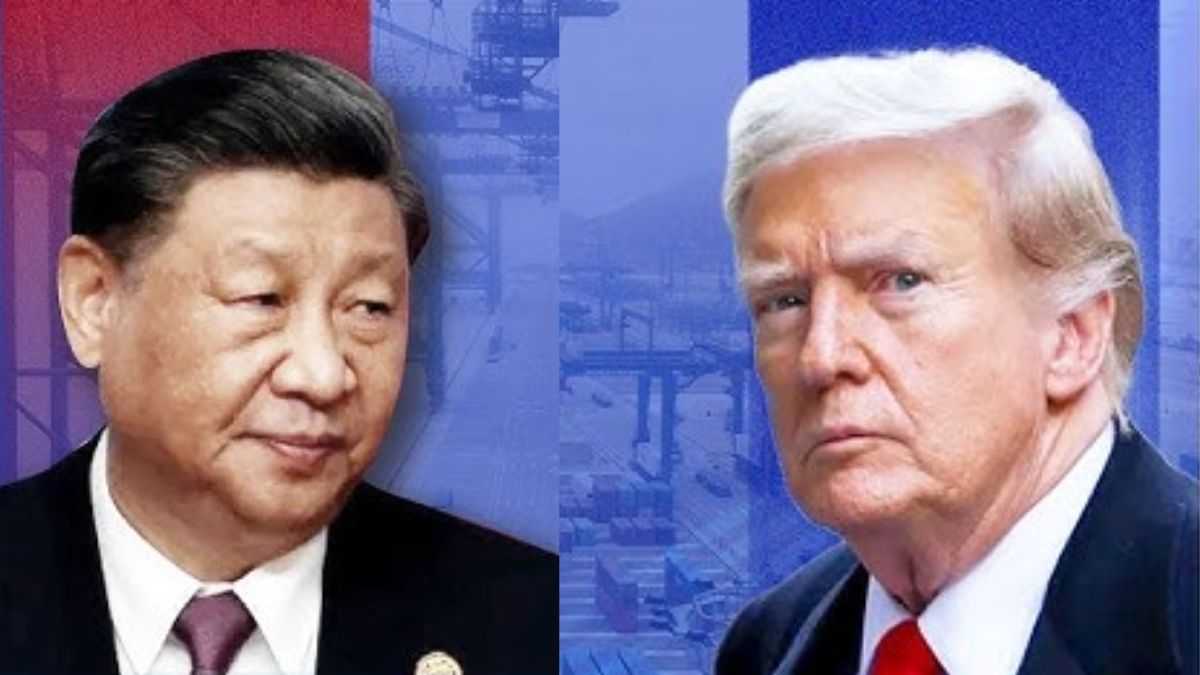
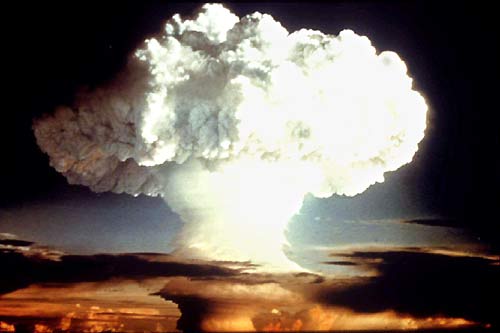
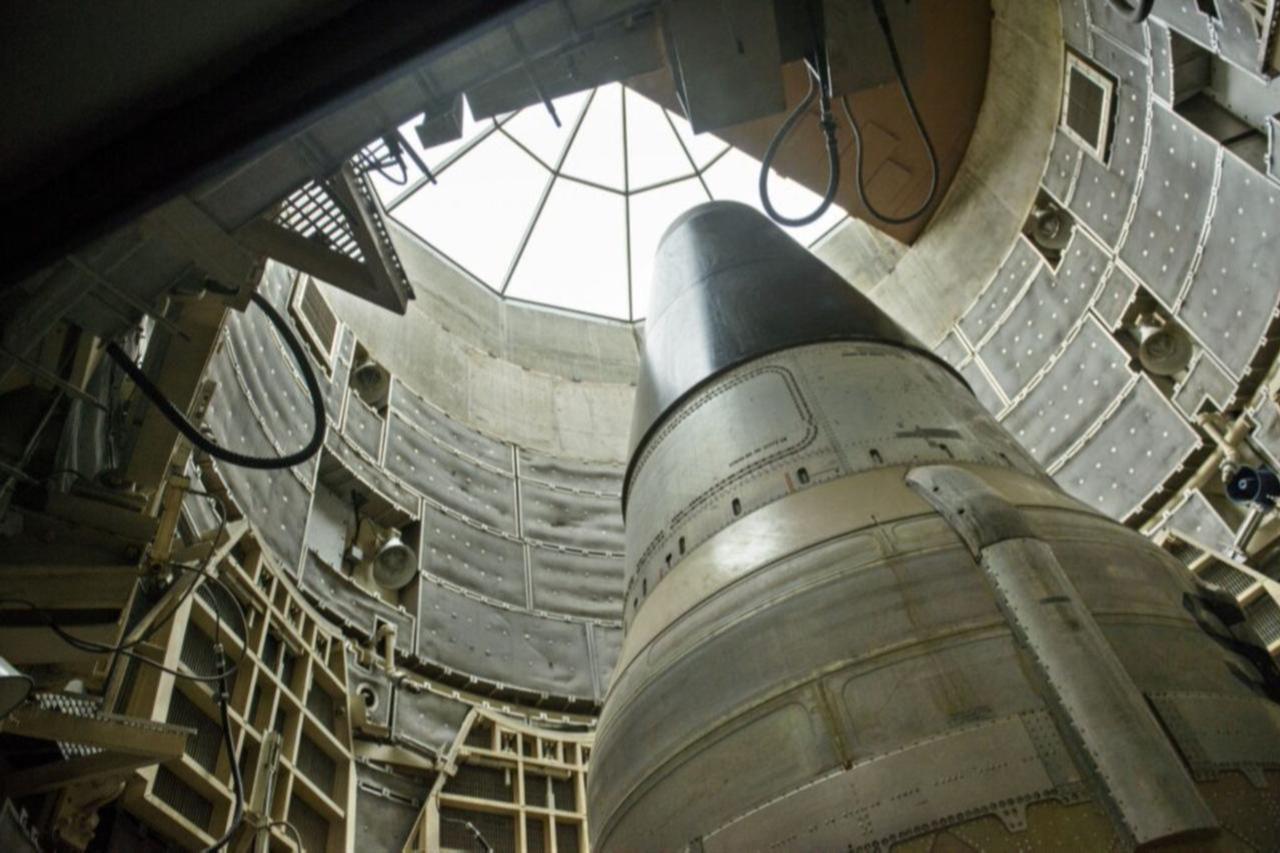
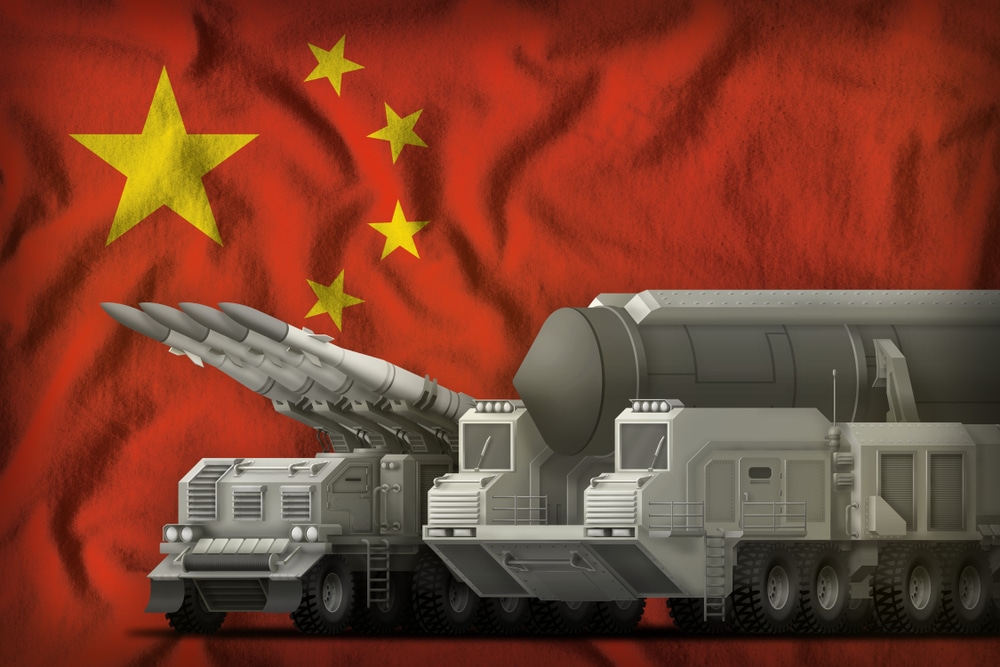
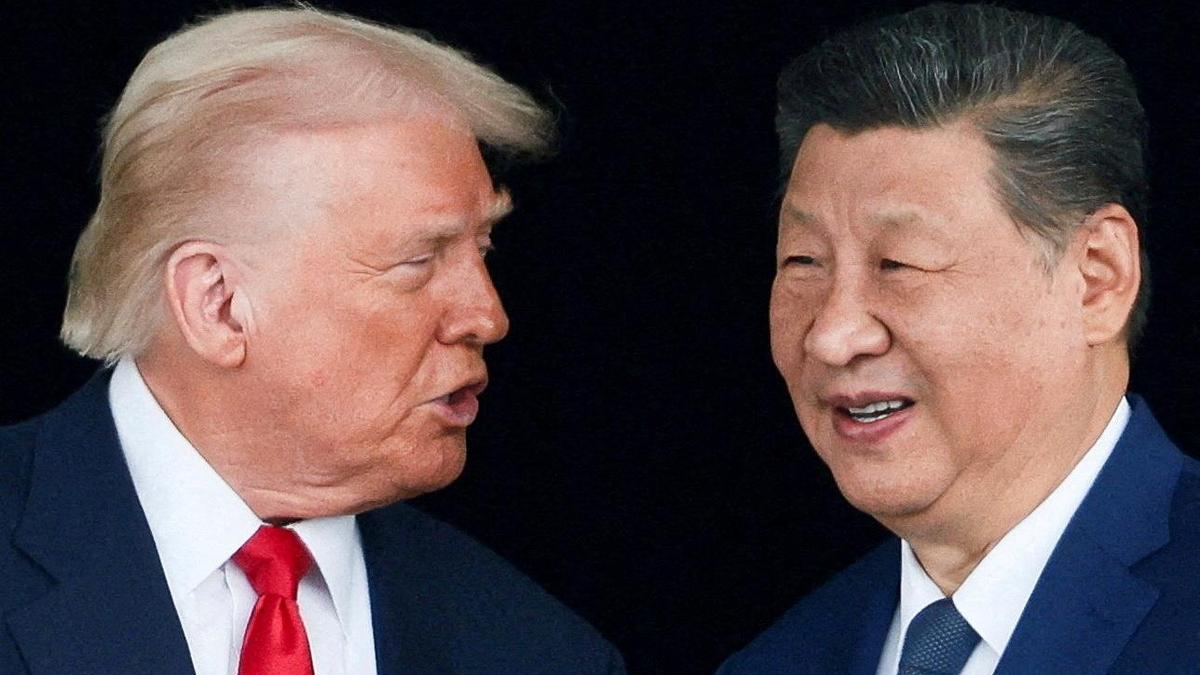
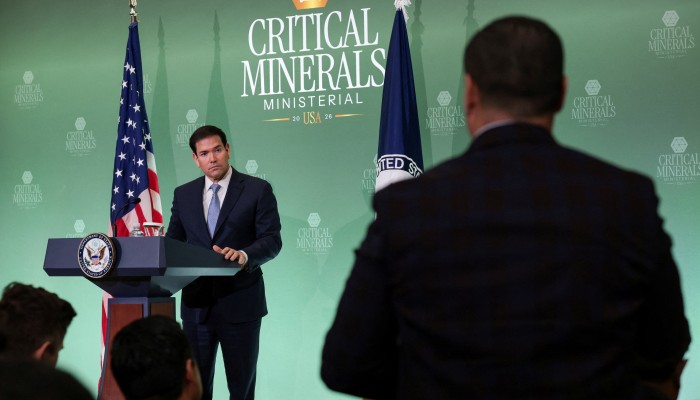
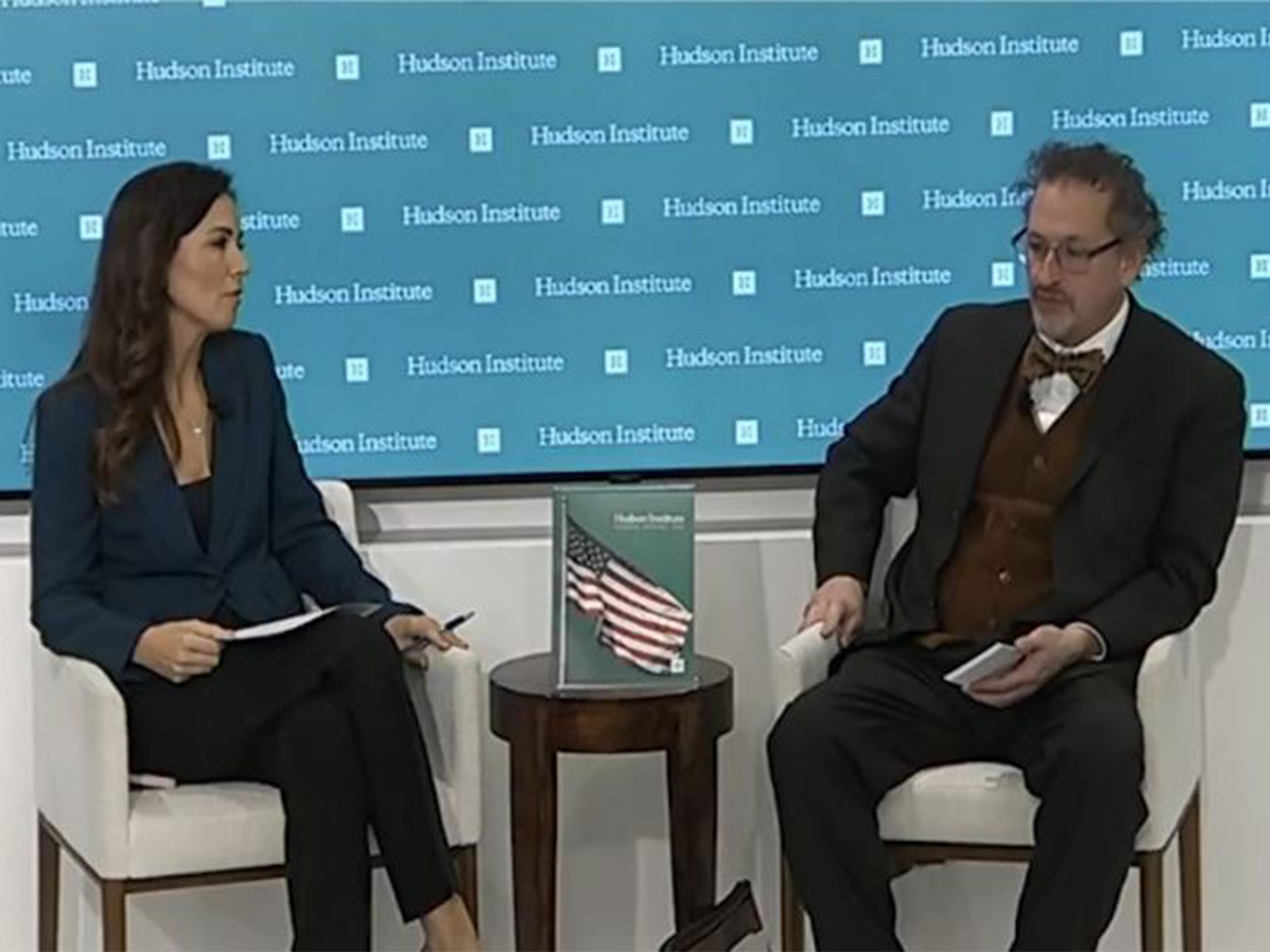
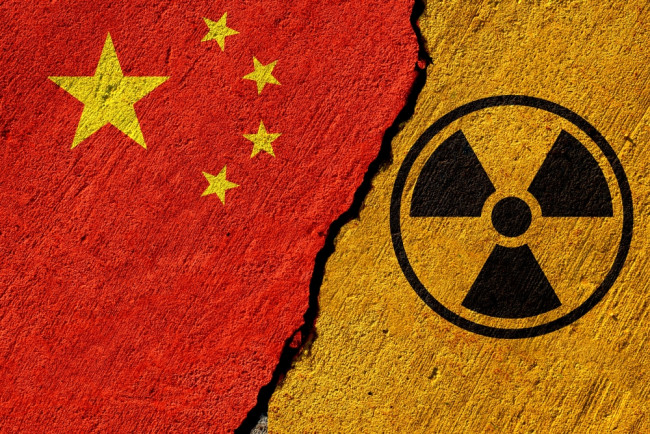
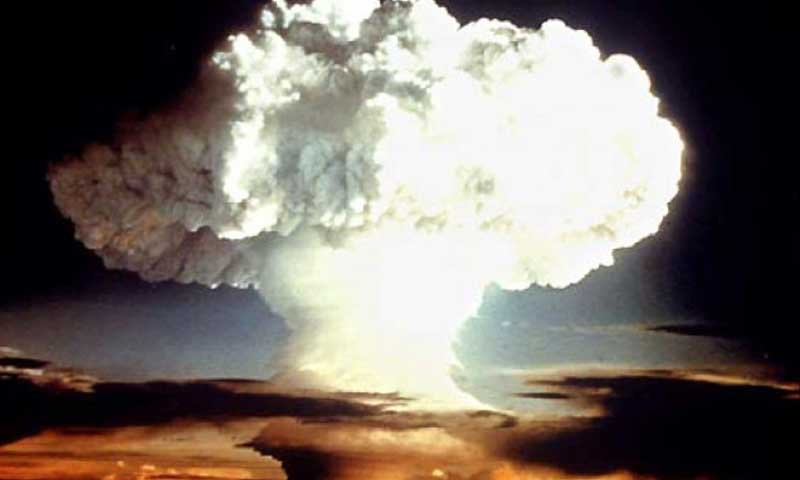
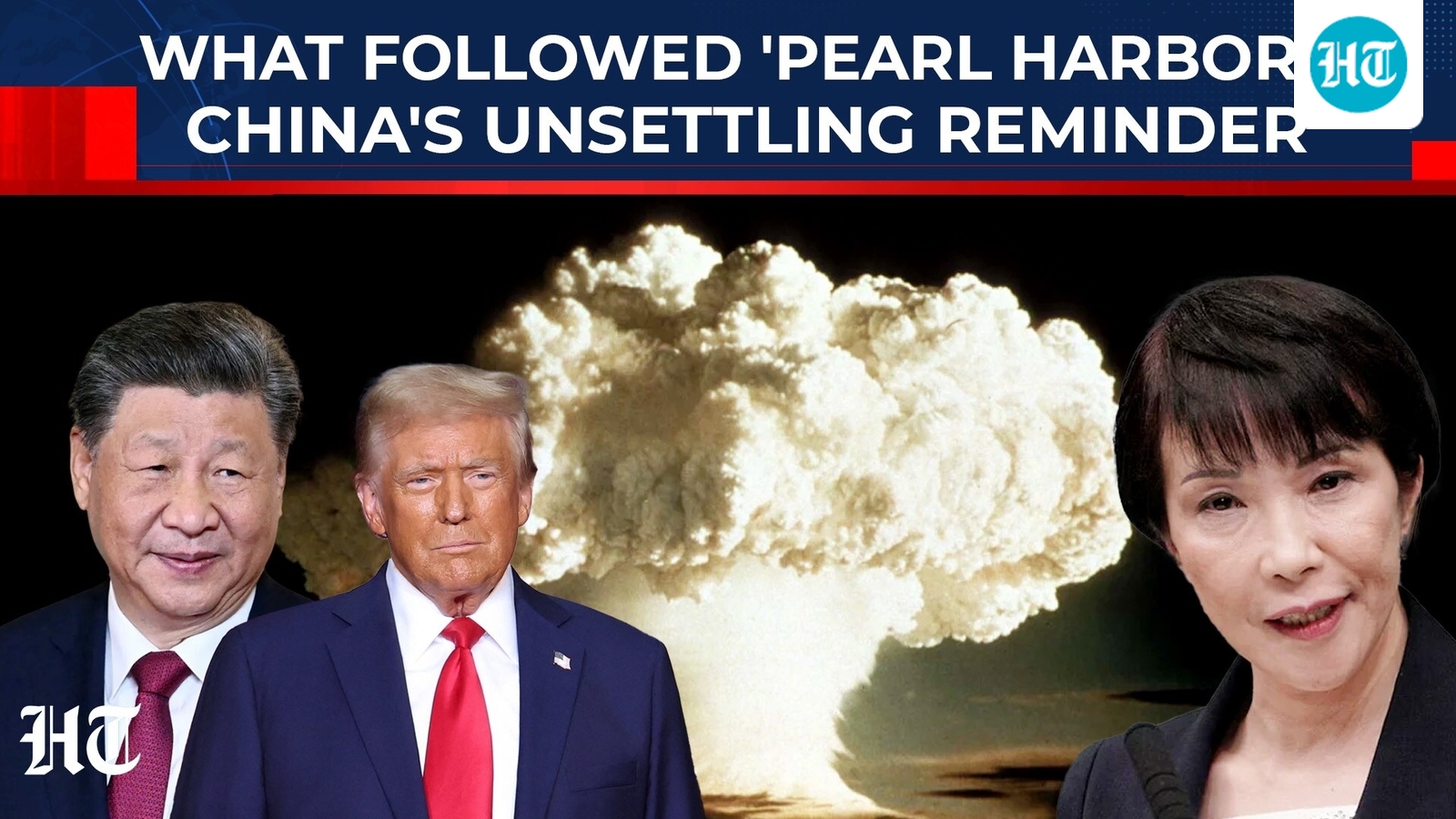
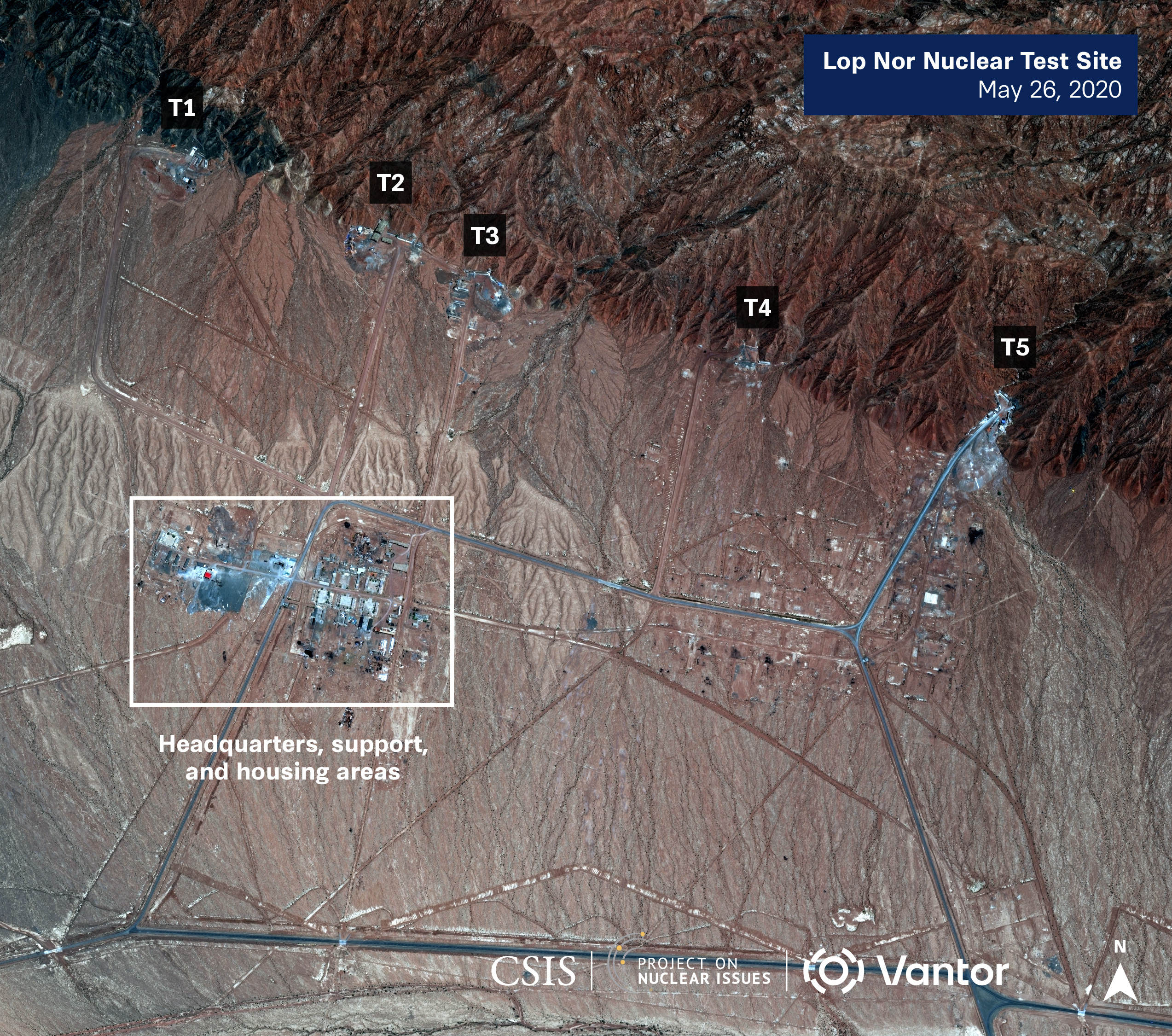
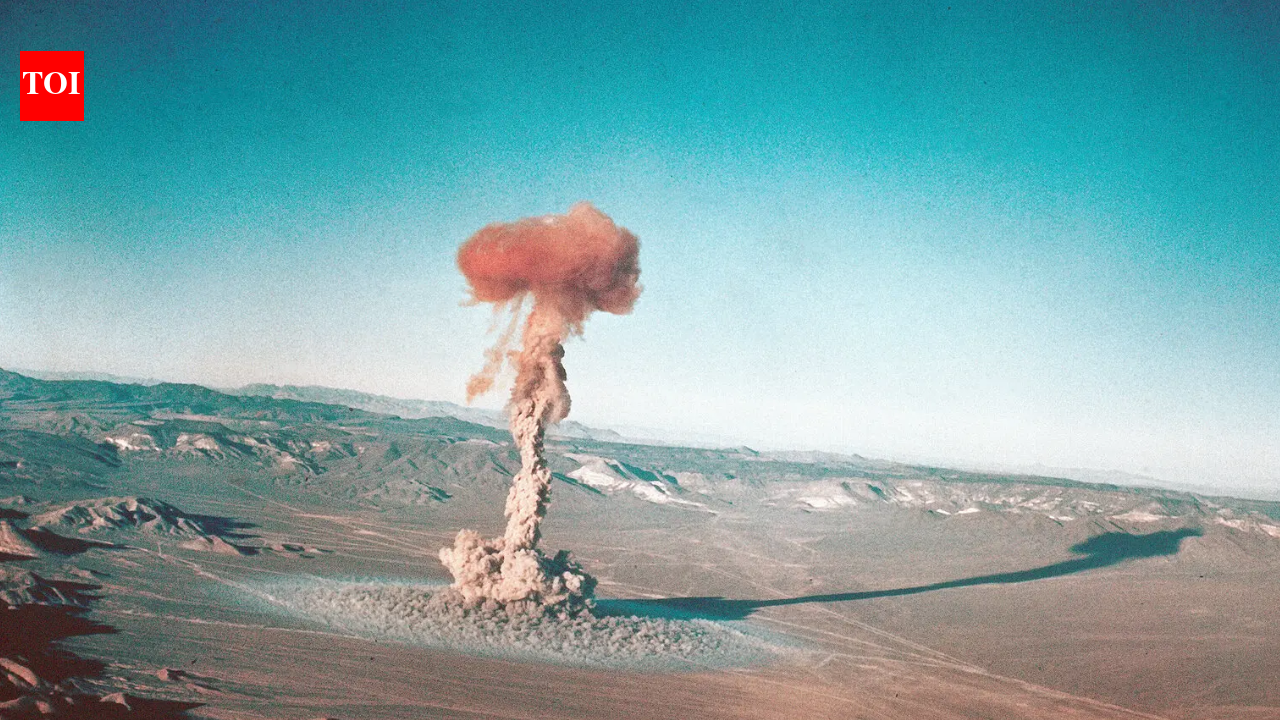
The U.S. State Department's February 17, 2026 announcement hardening allegations that China conducted secret low-yield nuclear tests represents a critical escalation in U.S.-China tensions with significant downstream implications for cross-border e-commerce sellers. The allegations, based on seismic data from a 2.75 magnitude event detected on June 22, 2020, near the China-Kazakhstan border, directly challenge China's stated compliance with the Comprehensive Nuclear-Test-Ban Treaty (CTBT). Assistant Secretary of State Christopher Yeaw presented technical evidence contradicting China's public assertions, marking a hardening of previous U.S. positions with additional verification data.
Tariff Escalation Risk for Sellers: Historically, geopolitical tensions between the U.S. and China correlate with tariff increases within 6-18 months. The 2018-2019 trade war saw tariffs on Chinese goods rise from 3-5% baseline rates to 15-25% across electronics, textiles, and consumer goods categories. Current nuclear allegations signal potential for similar escalation cycles. Sellers sourcing from China-dependent categories—particularly electronics (HS codes 8471-8517), apparel (HS 6204-6206), and home goods (HS 9406-9406)—face margin compression of 8-15% if tariffs increase by 10-15 percentage points. The CTBT framework involves 187 signatory states with 178 ratifications, but requires all 44 Annex 2 states for full enforcement, creating prolonged diplomatic uncertainty.
Supply Chain Diversification Urgency: The geopolitical hardening creates a 12-24 month window for sellers to evaluate sourcing alternatives before potential tariff escalation. Vietnam, India, and Indonesia have historically absorbed 15-25% of manufacturing volume shifts during U.S.-China trade tensions. Sellers with 30-50% China sourcing exposure should prioritize diversification to reduce tariff risk exposure. The CTBTO's International Monitoring System comprises 307 certified facilities globally, indicating sustained international scrutiny of Chinese nuclear activities—a signal of prolonged diplomatic friction. Small-to-medium sellers (annual revenue $500K-$5M) face disproportionate impact as they lack economies of scale to absorb tariff increases, while large sellers (Amazon FBA aggregators, Walmart suppliers) can negotiate volume discounts or shift to alternative suppliers more efficiently.
Market Access and Competitive Dynamics: Escalating U.S.-China tensions typically trigger retaliatory tariffs on U.S. exports to China, reducing demand for American-branded products in Chinese marketplaces. Sellers relying on Alibaba, JD.com, or Pinduoduo for China market access should expect 5-10% volume declines during heightened tension periods. Conversely, sellers positioned in neutral markets (EU, ASEAN, UK) gain competitive advantage as they avoid direct tariff exposure. The diplomatic hardening also signals potential for secondary sanctions on Chinese companies, affecting logistics partners and payment processors. Sellers should audit their 3PL providers and payment gateways for China exposure and establish backup relationships with non-Chinese logistics networks.
問題 8
How do U.S.-China nuclear allegations affect tariffs on imported goods?
Geopolitical tensions typically trigger tariff escalation within 6-18 months. The 2018-2019 trade war saw Chinese goods tariffs rise from 3-5% baseline to 15-25%. Current nuclear allegations signal similar risk, particularly for electronics (HS 8471-8517), textiles (HS 6204-6206), and home goods. Sellers sourcing 30-50% from China face 8-15% margin compression if tariffs increase 10-15 percentage points. Monitor U.S. Trade Representative announcements for Section 301 investigations, which typically precede tariff increases by 3-6 months.
What is the timeline for tariff changes based on geopolitical events?
Historical patterns show 6-18 month lag between diplomatic incidents and tariff implementation. The February 17, 2026 nuclear allegations announcement creates a 12-24 month window for sourcing adjustments before potential tariff escalation. U.S. Trade Representative typically announces investigations 3-6 months before tariff increases take effect. Sellers should use this window to negotiate long-term contracts with alternative suppliers, establish new 3PL relationships, and audit inventory for tariff-sensitive categories.