



Russia-Ukraine Geopolitical Tensions Impact Cross-Border Seller Risk Assessment
- Military incidents near St. Petersburg signal escalating regional instability affecting Russian e-commerce logistics, payment processing, and seller operations during peace negotiations










概览
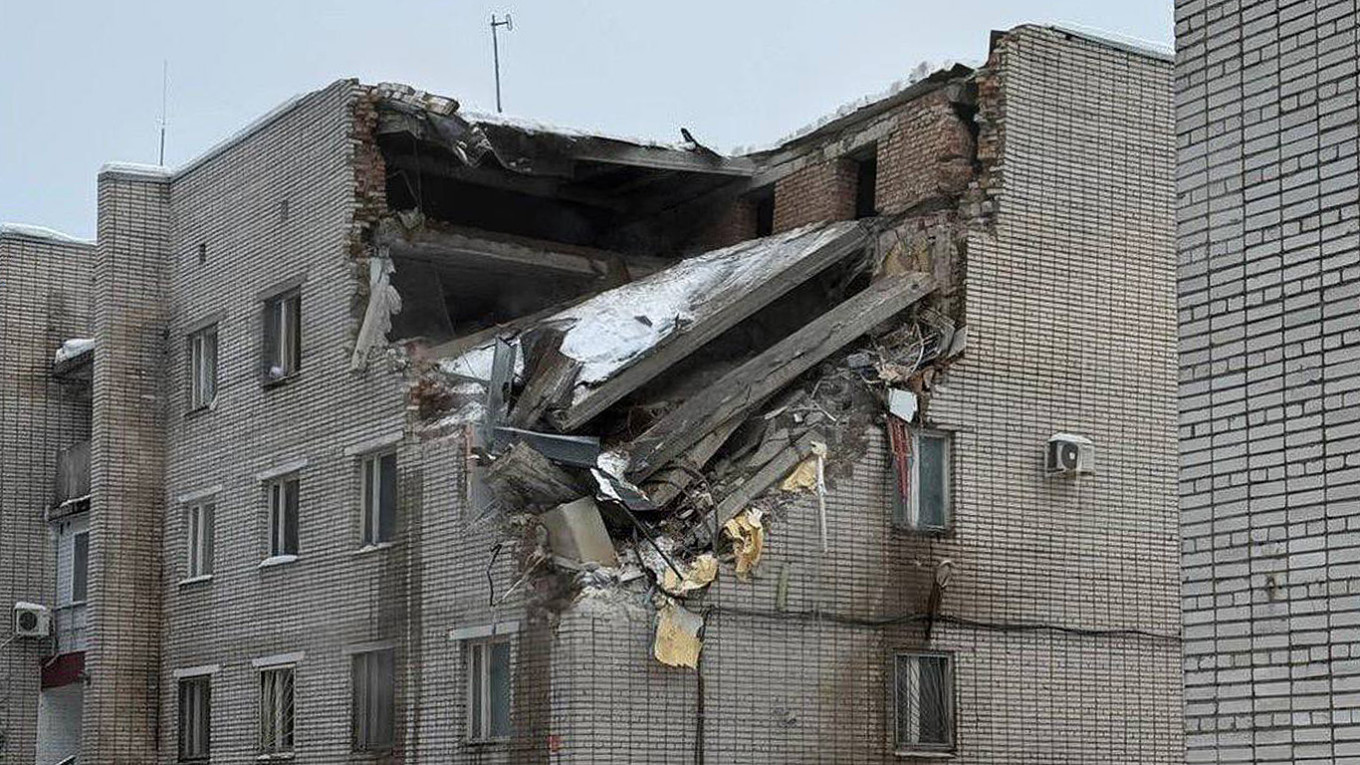
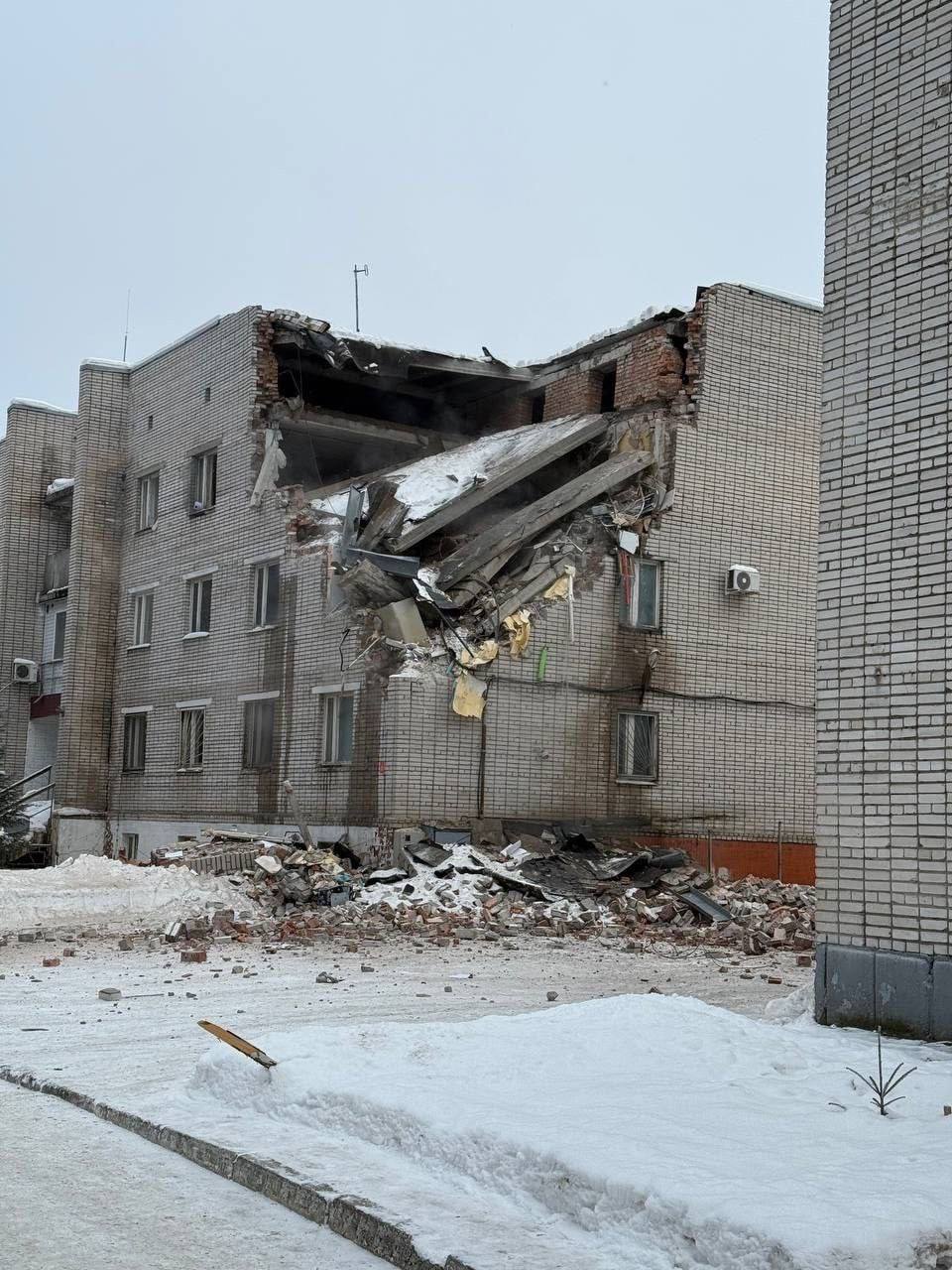
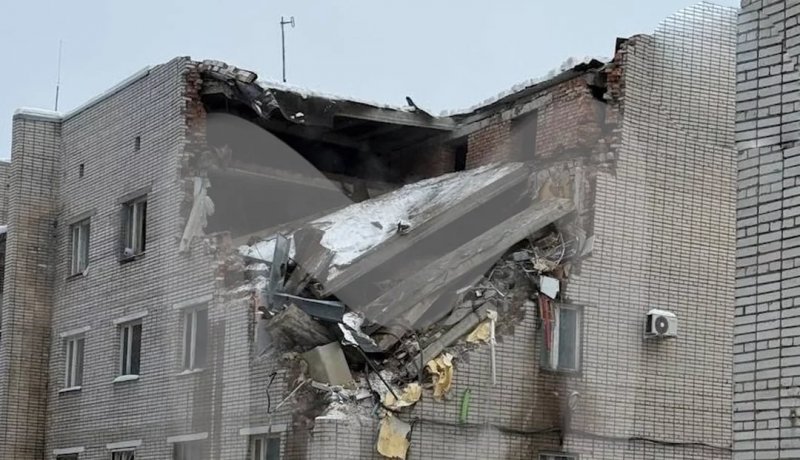
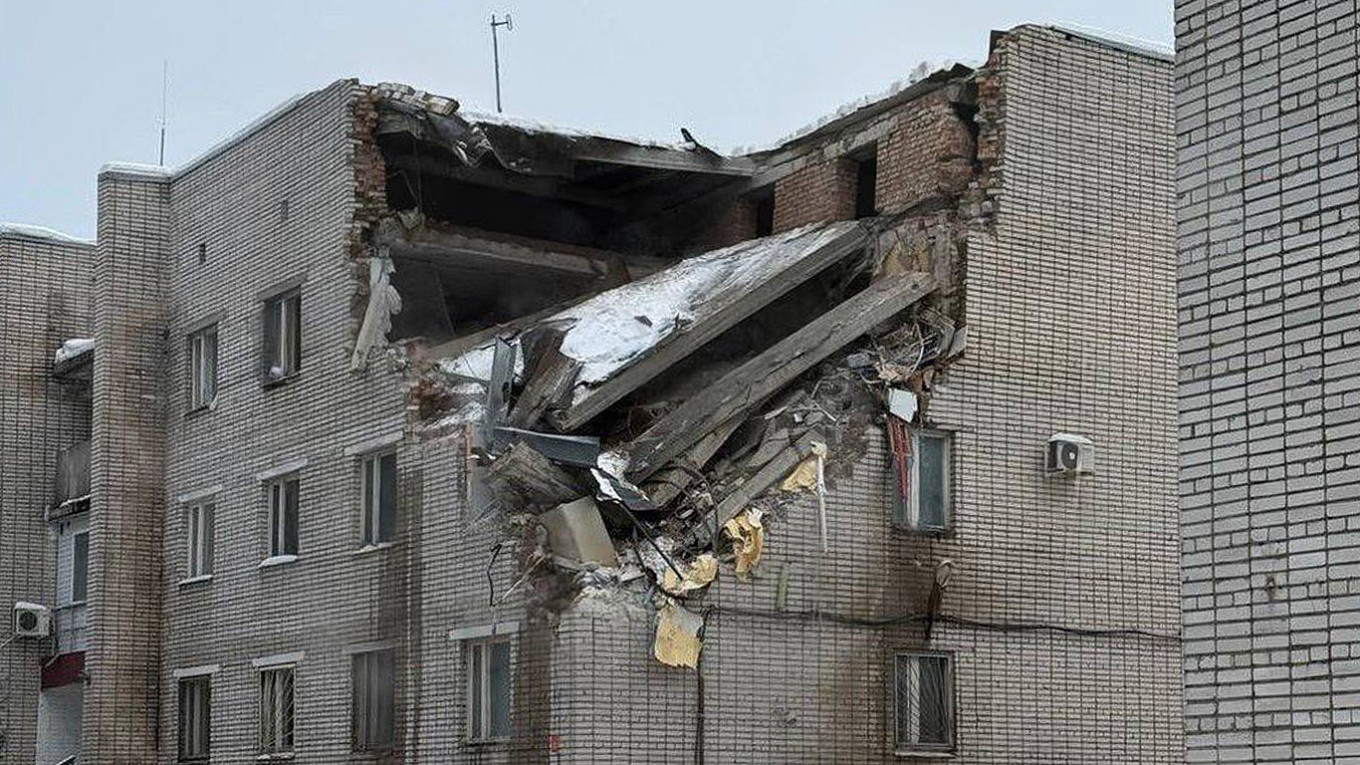
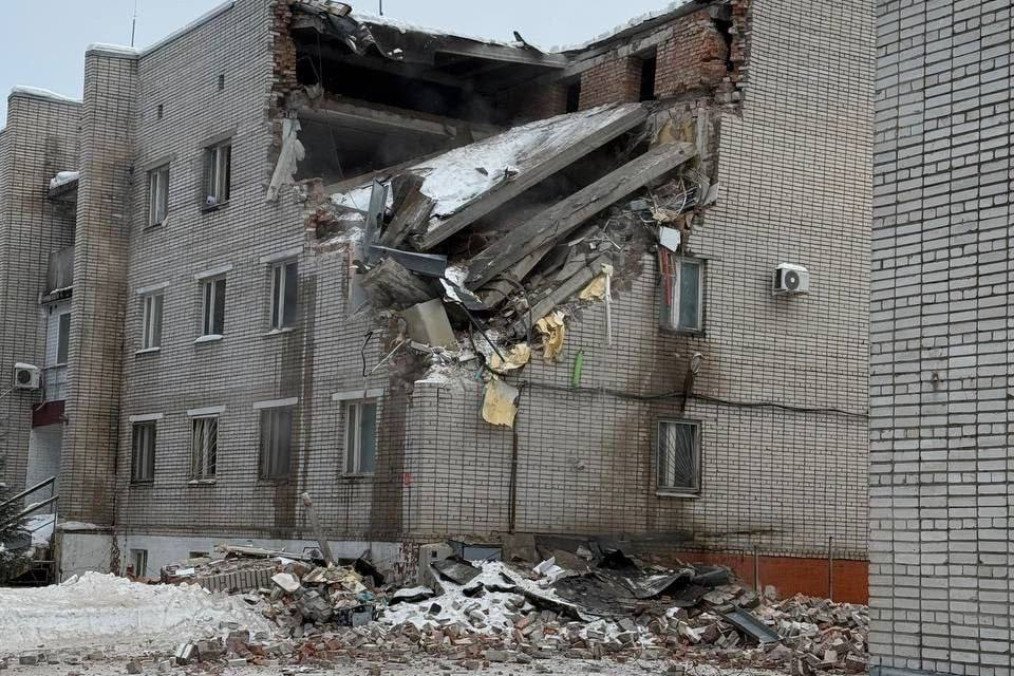
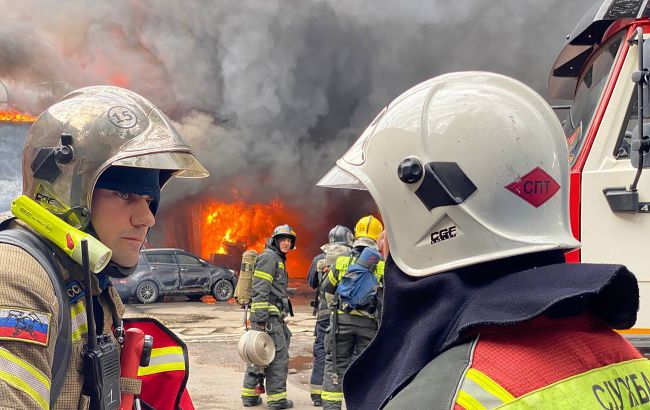
The February 17, 2026 explosion at a Russian military police facility in Sertolovo, near St. Petersburg, resulting in at least three deaths and structural collapse, represents a critical geopolitical indicator for cross-border e-commerce sellers operating in or shipping to Russia. While the incident itself occurred at a military installation unrelated to commercial infrastructure, it signals broader regional instability during U.S.-brokered Russia-Ukraine peace talks in Geneva—a timing that carries significant implications for sellers managing Russian market exposure.
Geopolitical Risk Context for Sellers: The incident's occurrence during active peace negotiations suggests heightened military tensions in the St. Petersburg region, Russia's second-largest commercial hub and a critical logistics gateway for cross-border e-commerce. Sellers with inventory in Russian warehouses, 3PL partnerships in the Leningrad region, or payment processing through Russian banks face elevated operational risk. The investigation into potential fire safety violations in Soviet-era buildings also raises broader infrastructure reliability concerns affecting warehouse operations and logistics networks throughout the region.
Operational Impact on Russian E-Commerce: St. Petersburg serves as a major distribution center for cross-border sellers shipping to Russia and Eastern Europe. Military incidents in the region can trigger: (1) temporary logistics disruptions as security forces mobilize; (2) increased customs scrutiny and border delays; (3) payment processing delays through Russian financial institutions; (4) potential insurance claim complications for inventory stored in affected regions. Sellers with FBA-equivalent operations or 3PL partnerships in the Leningrad region should assess contingency plans for supply chain interruptions.
Market Access and Compliance Considerations: The incident occurs amid ongoing Russia-Ukraine conflict, which has already fragmented e-commerce operations in the region. Sellers must evaluate: sanctions compliance (OFAC, EU restrictions), payment processor limitations (Visa/Mastercard restrictions in Russia), and logistics routing challenges. The military facility incident, while localized, reinforces the broader geopolitical volatility affecting Russian market viability. Sellers should monitor regional stability indicators and consider diversifying logistics partners away from St. Petersburg-dependent operations.
Strategic Seller Recommendations: Reassess Russian market exposure through scenario planning—evaluate inventory levels, payment processing reliability, and logistics partner stability in the Leningrad region. Consider shifting inventory to alternative Eastern European distribution centers (Poland, Czech Republic) with lower geopolitical risk. Monitor official government travel advisories and sanctions updates, as military incidents can trigger regulatory changes affecting cross-border commerce. Document all Russian operations for compliance audits, as geopolitical incidents increase regulatory scrutiny of international trade activities.
問題 8
How can sellers mitigate geopolitical risk while maintaining Russian market access?
Implement three-tier risk mitigation: (1) Diversify fulfillment—maintain 40% inventory in EU-based 3PLs, 30% in Russian warehouses, 30% in international fulfillment centers; (2) Accelerate payment settlement—negotiate weekly or bi-weekly payouts from Russian platforms instead of monthly; (3) Monitor compliance—establish monthly audits of 3PL fire safety certifications and regulatory compliance. Reduce SKU concentration in Russia by 15-20% and focus on high-margin products less sensitive to logistics delays. Establish backup payment processing through alternative Russian payment gateways (Yandex.Kassa, Sberbank) to reduce single-point-of-failure risk. This approach maintains 60-70% of Russian revenue potential while reducing disruption exposure by 50-60%.
What insurance considerations apply to inventory in Russian warehouses?
Military incidents and geopolitical instability create insurance complications. Standard cargo insurance may exclude war-related losses or impose higher premiums (15-25% above normal rates). Verify your 3PL provider's insurance coverage includes geopolitical events and military incidents. Request detailed policy documentation specifying: coverage limits, exclusions, claims procedures, and premium adjustments. Consider political risk insurance for high-value inventory (10%+ of total stock). Document all inventory with photos and serial numbers for claim purposes. Maintain 30-day inventory reserves outside Russia to mitigate loss exposure. Review insurance policies quarterly as geopolitical conditions change.