
)
US-China Nuclear Tensions Escalate | Cross-Border Sellers Face Supply Chain Uncertainty
- Geopolitical escalation between US and China creates unpredictable trade environment affecting 2M+ cross-border sellers; START treaty expiration (Feb 5, 2025) signals regulatory uncertainty for US-China commerce















概览
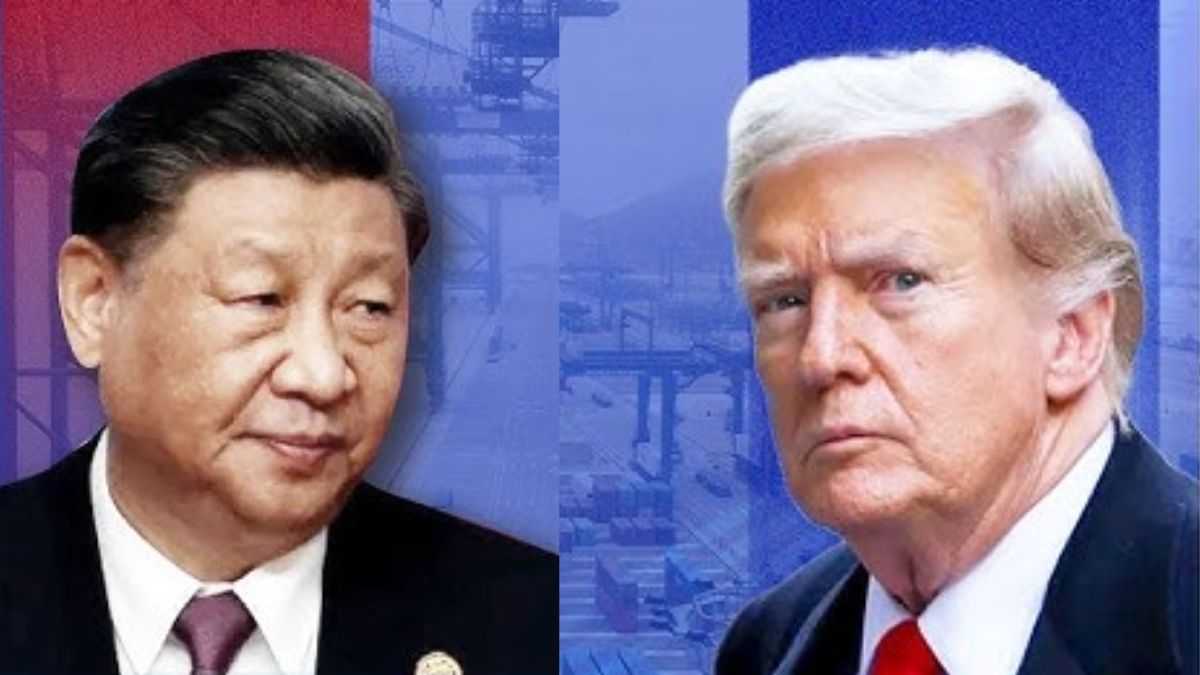
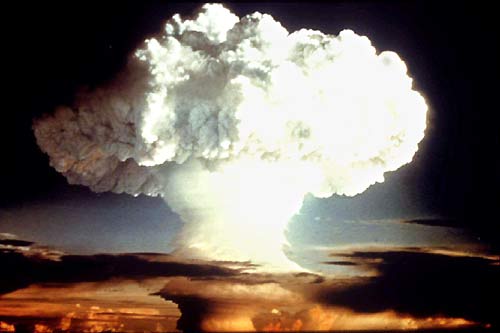
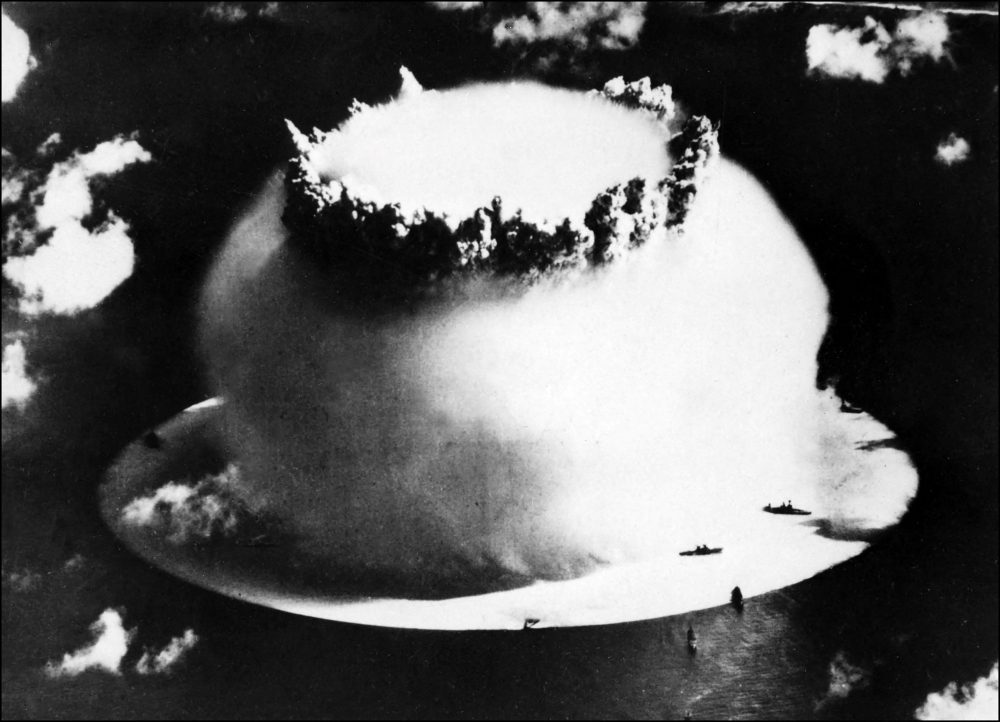
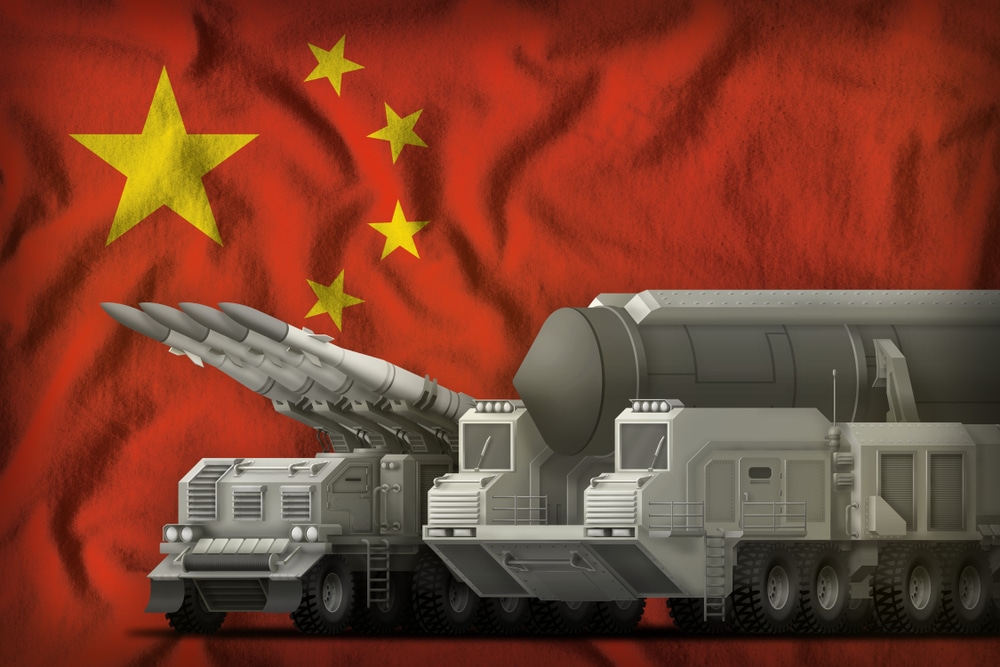
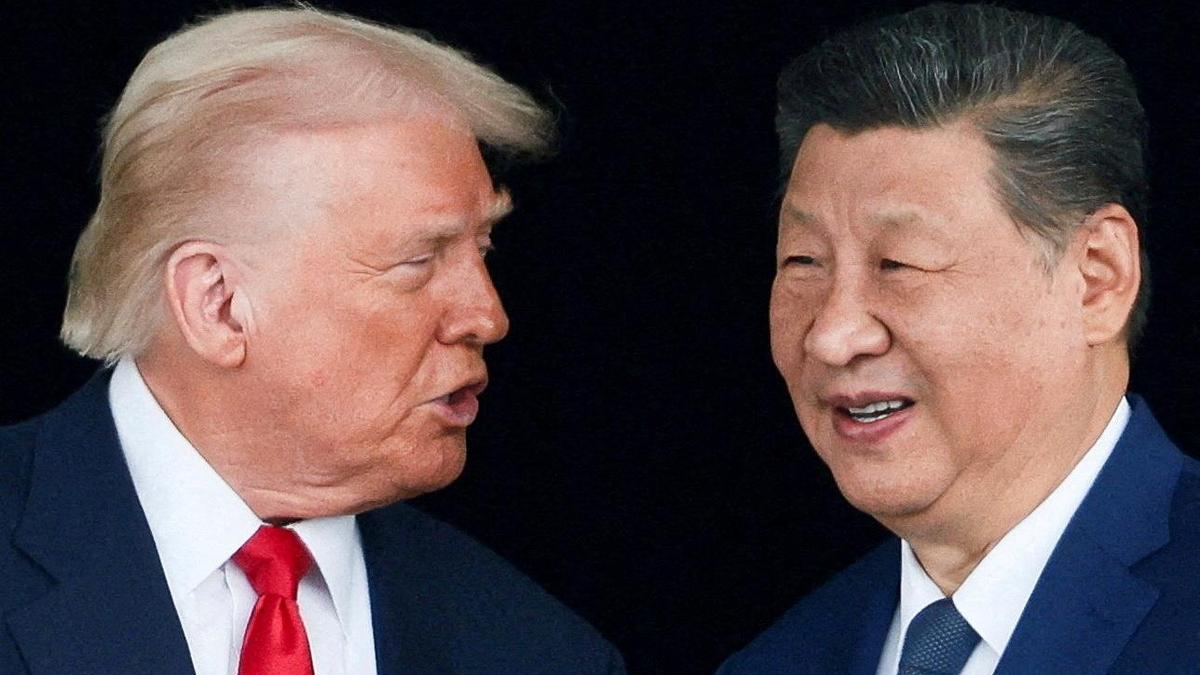
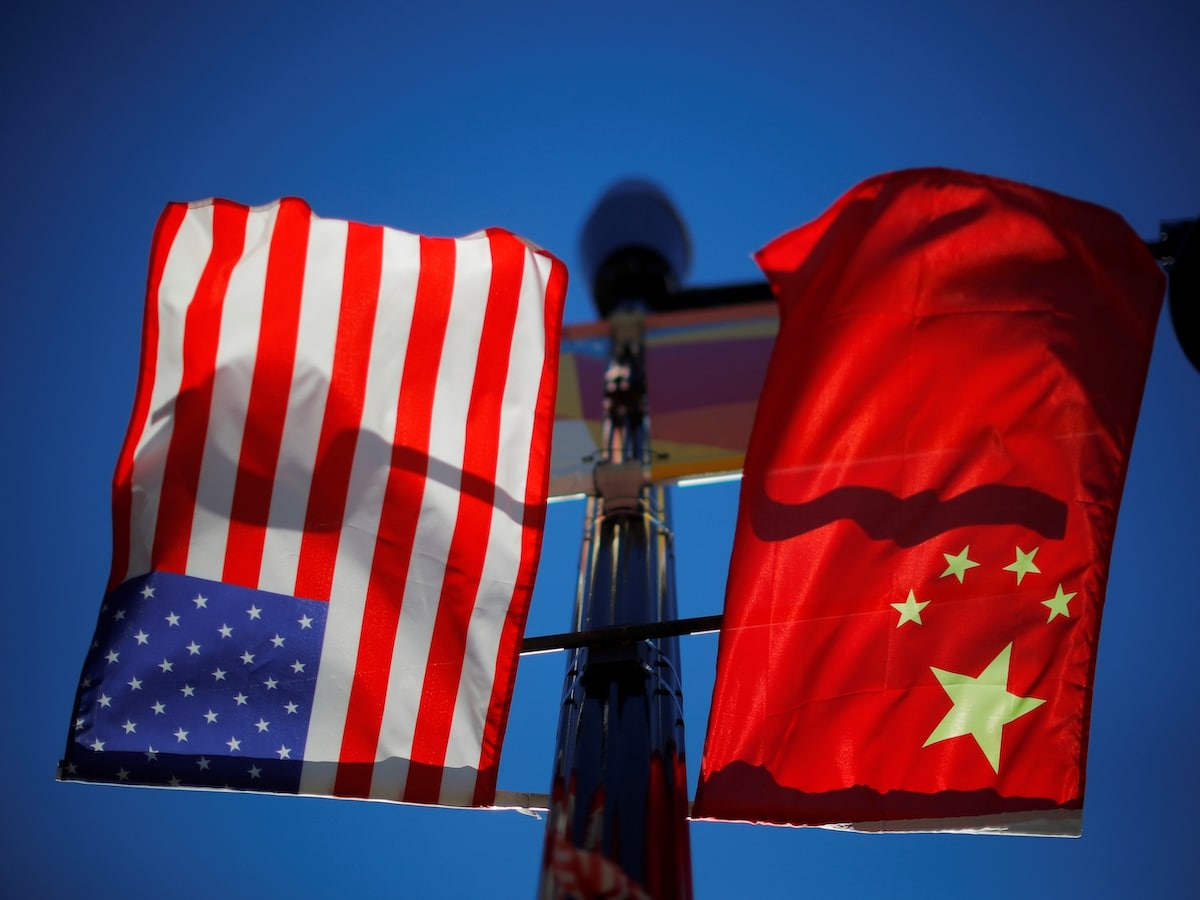
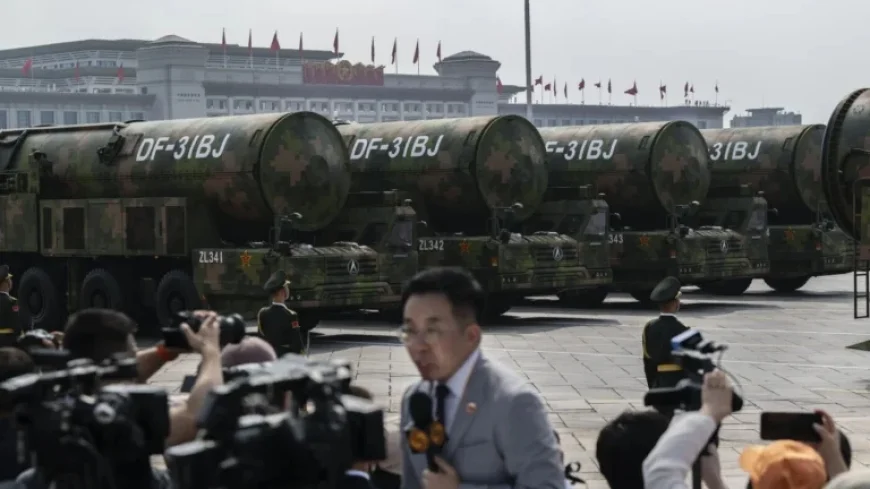
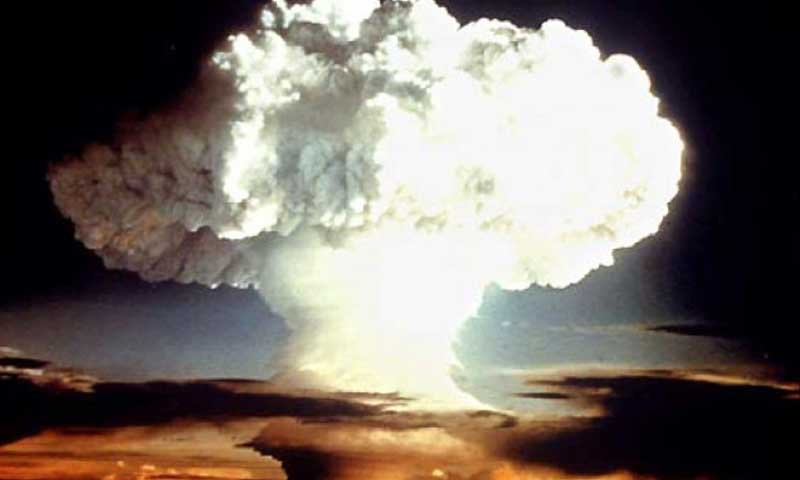
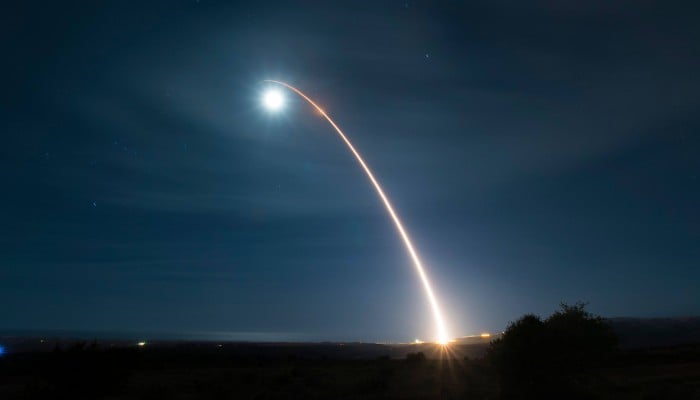
The escalating US-China nuclear tensions, highlighted by US State Department allegations of a secret Chinese nuclear test from June 2020 and the expiration of the New Strategic Arms Reduction Treaty (START) on February 5, 2025, represent a critical geopolitical inflection point with cascading implications for cross-border e-commerce sellers. While the nuclear allegations themselves focus on defense policy, the underlying deterioration in US-China diplomatic relations creates a destabilizing environment for the estimated 2+ million cross-border sellers who depend on US-China trade flows worth $600+ billion annually.
The Regulatory Vacuum and Trade Uncertainty: The START treaty expiration creates unprecedented regulatory ambiguity. The Trump administration's rejection of Russia's one-year extension offer and proposal for a new trilateral agreement (US-China-Russia) signals unpredictable policy shifts. For cross-border sellers, this translates to potential tariff volatility, customs procedure changes, and supply chain disruptions. Sellers importing from China face 15-25% tariff exposure on electronics, apparel, and home goods categories—the three largest cross-border segments. The CTBTO's inconclusive findings (detecting seismic events below detection thresholds on June 22, 2020) and lack of independent verification suggest ongoing diplomatic tensions without clear resolution, perpetuating uncertainty.
Supply Chain and Logistics Implications: Heightened geopolitical tensions historically correlate with increased customs scrutiny, longer port clearance times (adding 5-10 days to shipments), and elevated insurance costs for goods in transit. Sellers shipping from China to US fulfillment centers face potential delays during Q1 2025 as diplomatic tensions remain unresolved. The China-Kazakhstan border region mentioned in CTBTO monitoring data (coordinates 40.65N; 89.22E and 41.08N; 89.63E) is near critical logistics corridors for Central Asian trade routes, though direct impact remains limited. More significantly, escalating tensions increase probability of targeted tariff increases on specific product categories, with electronics (currently 0-25% tariffs) and consumer goods most vulnerable to policy changes.
Market Sentiment and Inventory Planning: Cross-border sellers must anticipate potential policy shifts. Historical precedent (2018-2019 trade war) showed that geopolitical escalation preceded tariff announcements by 2-4 weeks. Sellers should model scenarios: (1) Status quo with elevated uncertainty premiums, (2) Targeted tariffs on specific categories (+10-15% landed costs), (3) Supply chain diversification to Vietnam, India, or Mexico. The diplomatic stalemate—with Chinese officials denying allegations and the US hardening its position—suggests prolonged tension rather than near-term resolution, creating a 6-12 month window of elevated risk.
問題 8
How do CTBTO monitoring findings affect trade route security and logistics?
The CTBTO detected two seismic events on June 22, 2020, near the China-Kazakhstan border (coordinates 40.65N; 89.22E and 41.08N; 89.63E), both below detection thresholds of 500 tonnes TNT equivalent. While these events remain inconclusive, they highlight geopolitical sensitivity in Central Asian regions. For sellers, this means potential scrutiny of goods transiting through Kazakhstan and Central Asian logistics corridors. However, mainstream China-US trade routes (ocean freight via Shanghai/Shenzhen to Los Angeles/Long Beach) remain unaffected. The real impact is diplomatic: unresolved nuclear tensions increase probability of broader trade restrictions. Sellers should prioritize direct China-to-US ocean freight routes and avoid Central Asian overland corridors for time-sensitive inventory. Monitor geopolitical developments in Kazakhstan and Central Asia as early warning signals for broader US-China trade policy shifts.
What immediate actions should sellers take in response to nuclear tensions?
Implement three immediate actions: (1) Audit inventory sourcing by country and tariff category within 2 weeks; (2) Model tariff scenarios (+10%, +15%, +20%) on top 50 SKUs by revenue; (3) Establish relationships with 3PL providers in Vietnam and Mexico as backup sourcing options. Monitor USTR.gov and State Department announcements daily for policy changes. Review Amazon Seller Central and eBay seller policies for any tariff-related updates. Calculate break-even tariff thresholds for each product category—if tariffs exceed this level, activate diversification plans. Build 3-4 week inventory buffer for Q1 2025 to absorb potential supply chain delays. Consider hedging strategies: negotiate fixed-price contracts with suppliers for 90-180 days to lock in costs before potential tariff increases.