




Meta's $Billions NVIDIA GPU Investment Unlocks AI-Powered E-Commerce Tools | Seller Opportunity
- Meta deploys millions of NVIDIA Blackwell/Rubin GPUs by 2026-2027; sellers gain access to advanced recommendation, targeting, and automation features within 6-12 months









/socialsamosa/media/media_files/2026/02/18/nvidia-meta-2026-02-18-16-52-33.png)














概览
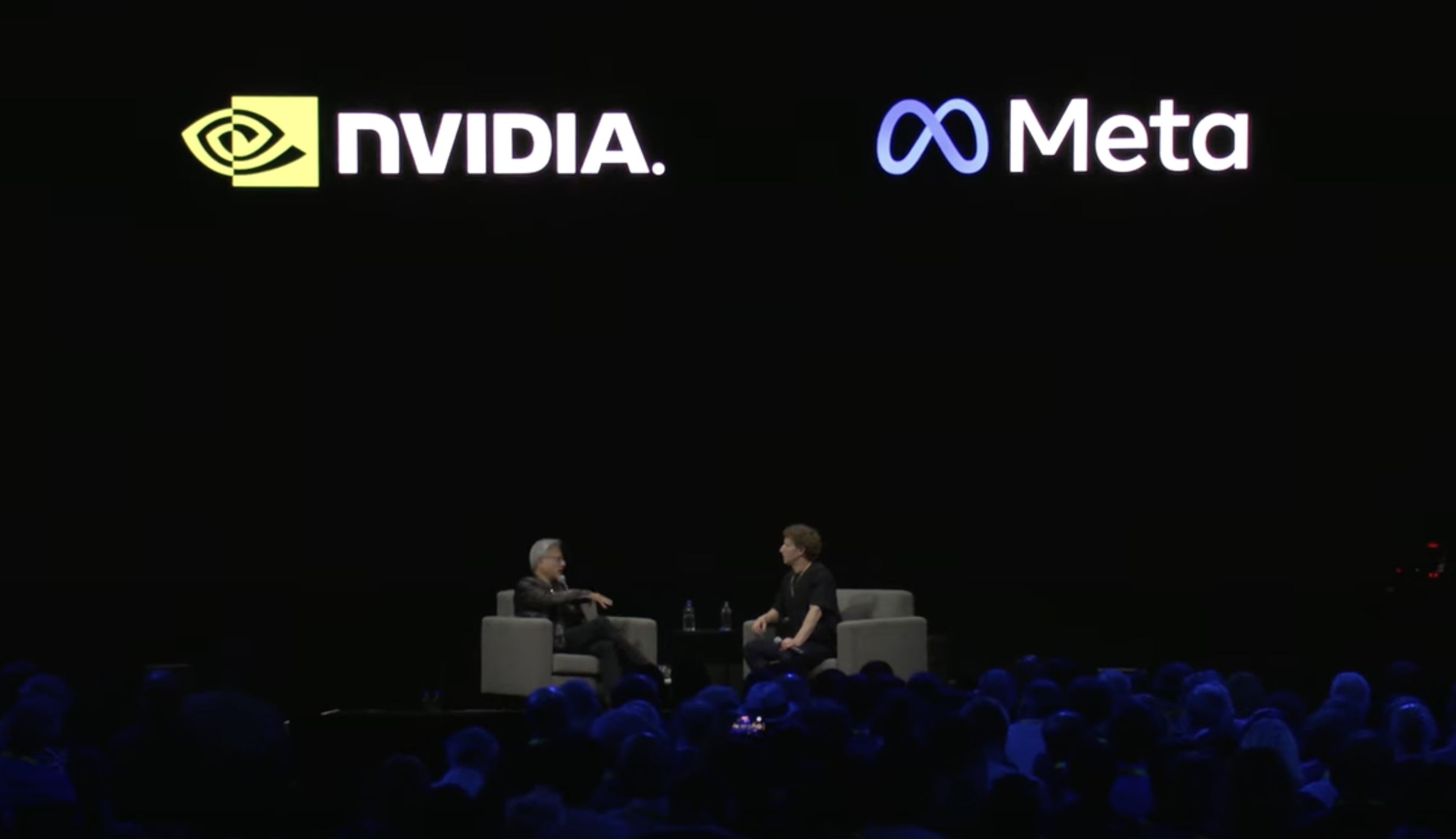
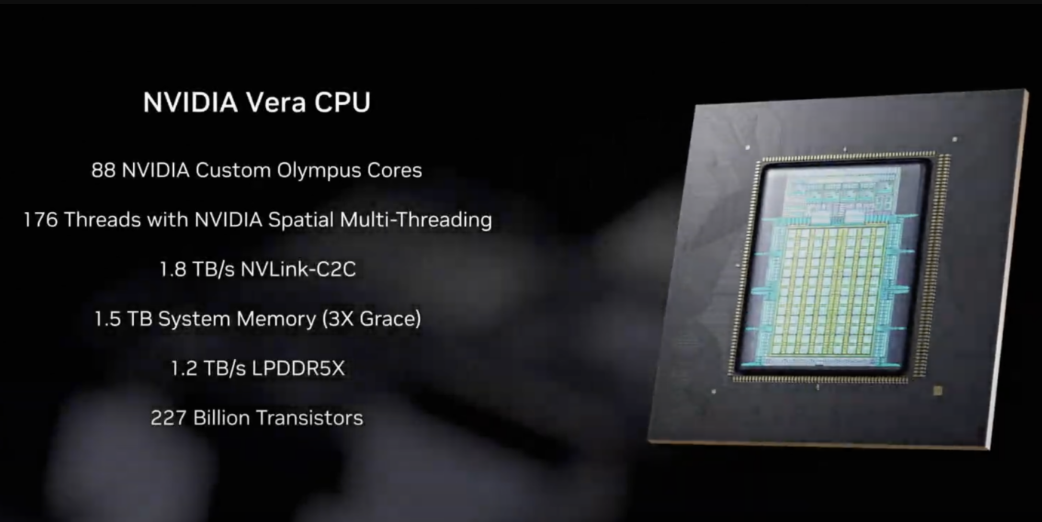
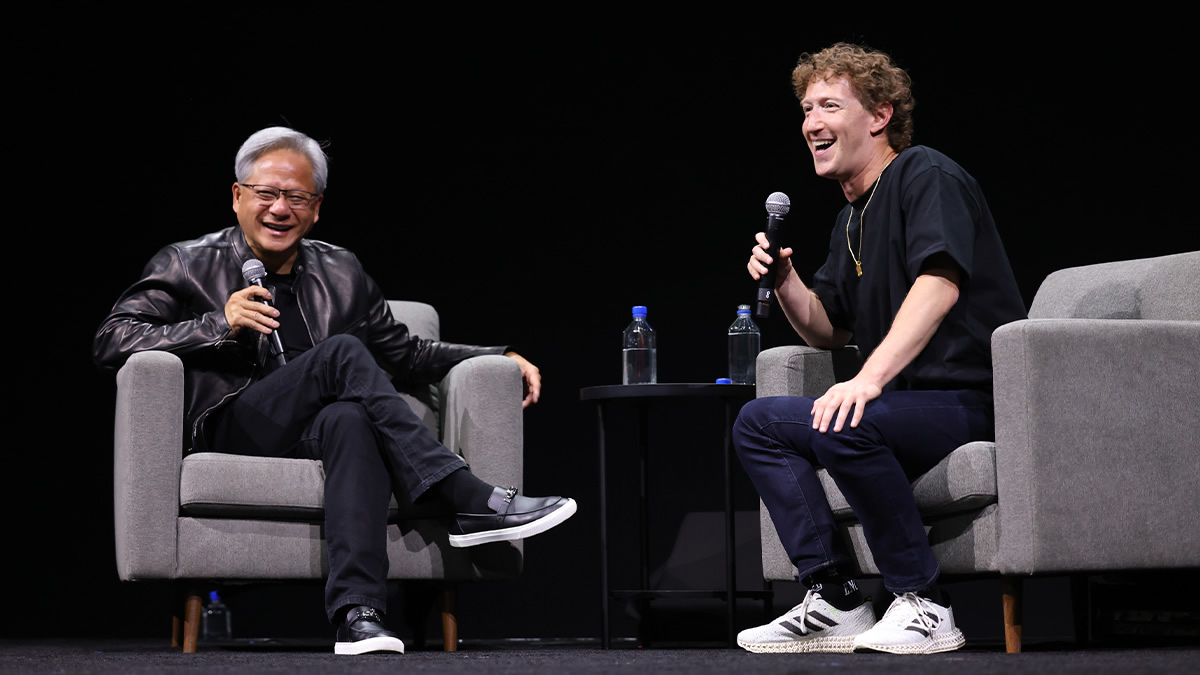
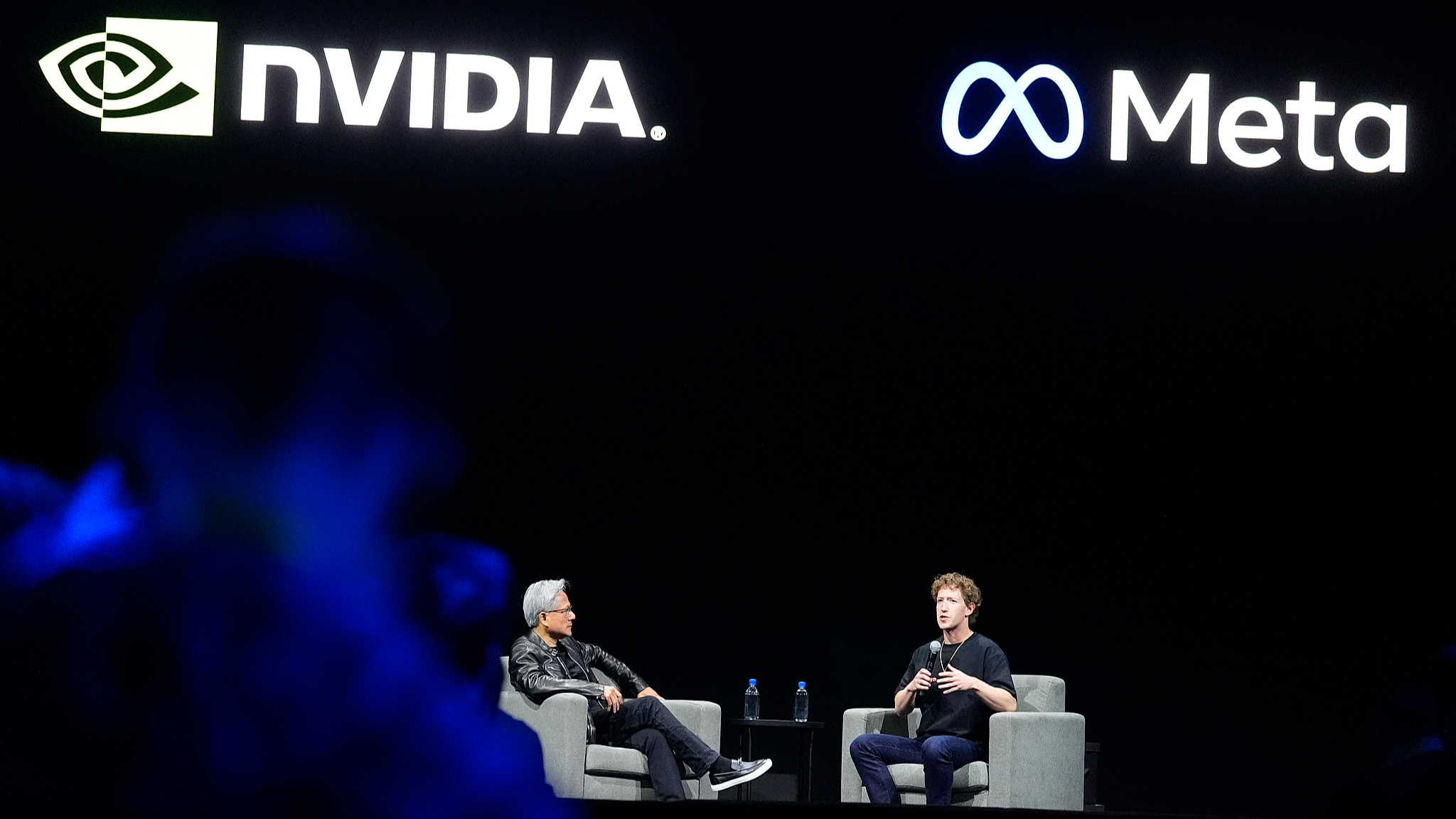
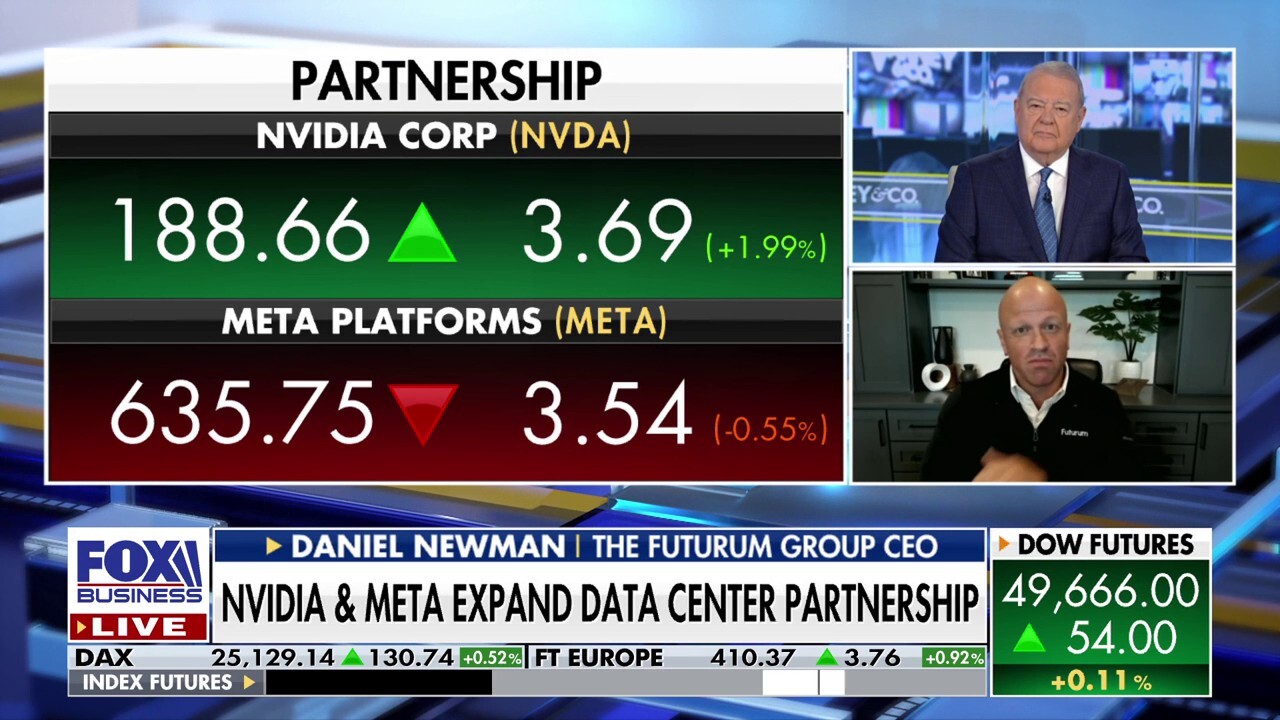
Meta's multi-billion dollar commitment to NVIDIA GPU infrastructure announced February 17, 2026, represents a watershed moment for AI-powered e-commerce automation. The partnership encompasses deployment of millions of NVIDIA Blackwell and Rubin GPUs, NVIDIA Grace and Vera CPUs, and Spectrum-X networking infrastructure across Meta's on-premises data centers and cloud deployments. This infrastructure investment directly translates to enhanced AI capabilities for Facebook and Instagram—platforms generating $114B+ in annual advertising revenue and serving 3B+ users globally. For cross-border e-commerce sellers, this development creates immediate automation opportunities through improved recommendation algorithms, dynamic pricing optimization, and AI-powered customer service tools.
The competitive advantage window is 6-12 months. Historical precedent shows Meta typically deploys infrastructure improvements to seller tools within this timeframe. Sellers who immediately adopt AI-powered features will capture disproportionate visibility gains as algorithms favor products with optimized metadata, dynamic pricing, and AI-generated content. The infrastructure investment signals Meta's commitment to "personal superintelligence"—AI systems that understand individual user preferences at scale. For sellers, this means recommendation algorithms will become exponentially more sophisticated, rewarding those who leverage AI for product selection, pricing, and content optimization.
Immediate automation wins for sellers: (1) Dynamic Pricing Automation - AI models trained on Meta's infrastructure can now process real-time demand signals, competitor pricing, and inventory levels to recommend optimal prices. Sellers using Meta's advertising ecosystem can integrate dynamic pricing tools that adjust bids and product prices based on audience segment, time of day, and inventory position. Expected time savings: 8-12 hours/week for manual pricing reviews. (2) AI-Powered Product Recommendations - Enhanced recommendation engines will surface products to users with 15-25% higher relevance accuracy. Sellers should immediately audit product titles, descriptions, and images for AI optimization (keyword density, visual clarity, structured data). (3) Automated Content Generation - Meta's infrastructure enables large-scale image and video generation. Sellers can leverage AI tools to create 50-100 product variations per SKU, testing which resonates with different audience segments. Expected ROI: 12-18% conversion rate improvement for optimized listings.
Data-driven insights from infrastructure investment: The partnership's focus on "confidential computing" for WhatsApp signals Meta's intent to build AI features that process user data while maintaining privacy compliance. For sellers, this means future recommendation systems will operate on encrypted user behavior data—creating a moat against competitors who lack similar infrastructure. Sellers should prepare for stricter data governance requirements in seller tools, but gain access to more sophisticated audience insights. The deployment of NVIDIA Vera CPUs beginning 2027 indicates Meta is building energy-efficient infrastructure for inference (running trained models), not just training. This suggests Meta will democratize AI features to smaller sellers through lower-cost API access, creating a 12-18 month window where early adopters gain competitive advantage before features become commoditized.
Strategic positioning for sellers: The infrastructure investment represents a $10-15B capital commitment (based on NVIDIA's typical pricing for enterprise GPU deployments). This scale of investment signals Meta's confidence in AI-driven commerce as a core revenue driver. Sellers should expect: (1) New AI-powered seller tools launching Q3-Q4 2026 (inventory forecasting, demand prediction, fraud detection); (2) Increased algorithmic complexity requiring AI-optimized content strategies; (3) Potential pricing changes for Meta advertising as AI-powered features become standard. Sellers not adopting AI tools by Q2 2026 risk 20-30% visibility decline as algorithms increasingly favor AI-optimized listings. The competitive moat created by this infrastructure investment will persist for 18-24 months before competitors (Google, Amazon, TikTok) deploy comparable systems.
問題 7
What AI-powered seller tools should I expect from Meta in the next 6-12 months?
Based on Meta's infrastructure roadmap, expect three categories of tools: (1) **Demand Forecasting** - AI models predicting 30-90 day sales trends by product, audience segment, and geography; (2) **Dynamic Pricing Recommendations** - algorithms suggesting optimal prices based on competitor data, inventory levels, and demand signals; (3) **Automated Content Generation** - AI tools creating product variations, descriptions, and ad copy. Historical precedent shows Meta deploys infrastructure improvements to seller tools within 6-12 months. Early adopters using these tools by Q2 2026 will capture 15-25% visibility advantage before features become commoditized.
How will Meta's NVIDIA GPU investment affect my product visibility on Facebook and Instagram?
Meta's infrastructure upgrade will enable recommendation algorithms to process user behavior 10-15x faster with 20-25% higher accuracy by Q3-Q4 2026. Products optimized for AI (structured data, high-quality images, keyword-rich descriptions) will receive 15-30% more impressions. Sellers should immediately audit listings for AI optimization: ensure product titles include primary keywords, add detailed specifications in structured data fields, and create 3-5 high-quality images showing product from multiple angles. The competitive advantage window closes in 12-18 months as features become standard.