
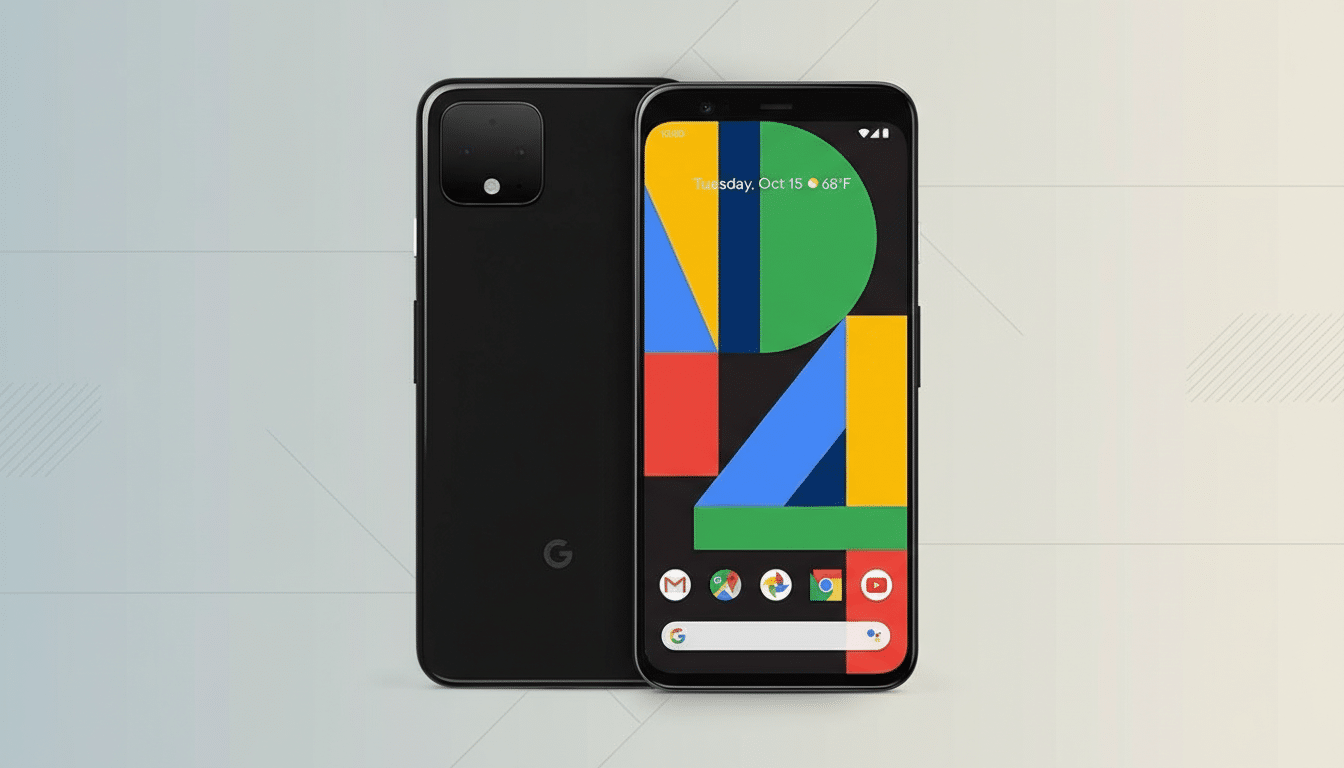
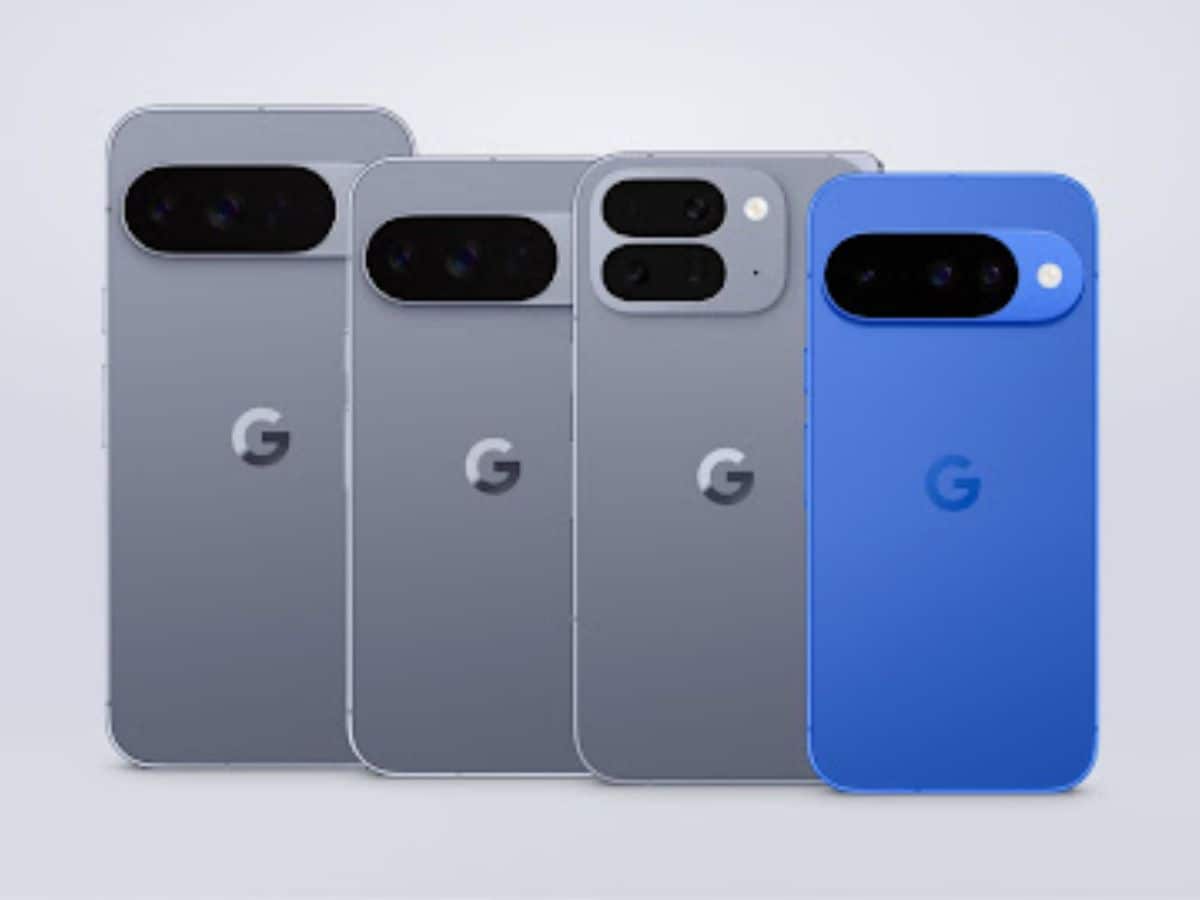

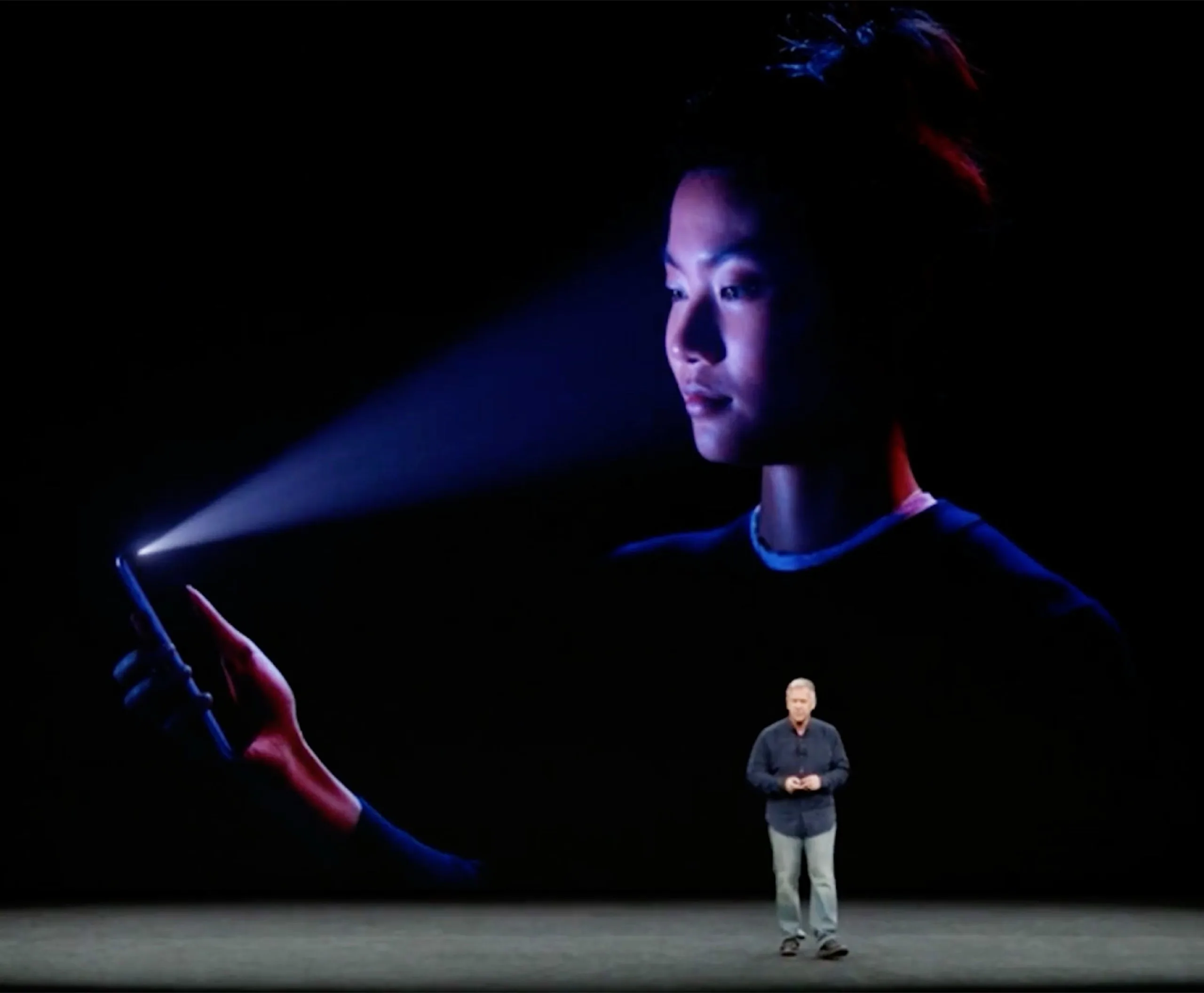


Google Project Toscana Facial Recognition | Premium Device Ecosystem Opportunity for Sellers
- Advanced biometric authentication drives Pixel 11 and Chromebook adoption; sellers can capitalize on premium device accessories, security software, and enterprise solutions markets launching May 2025




概览
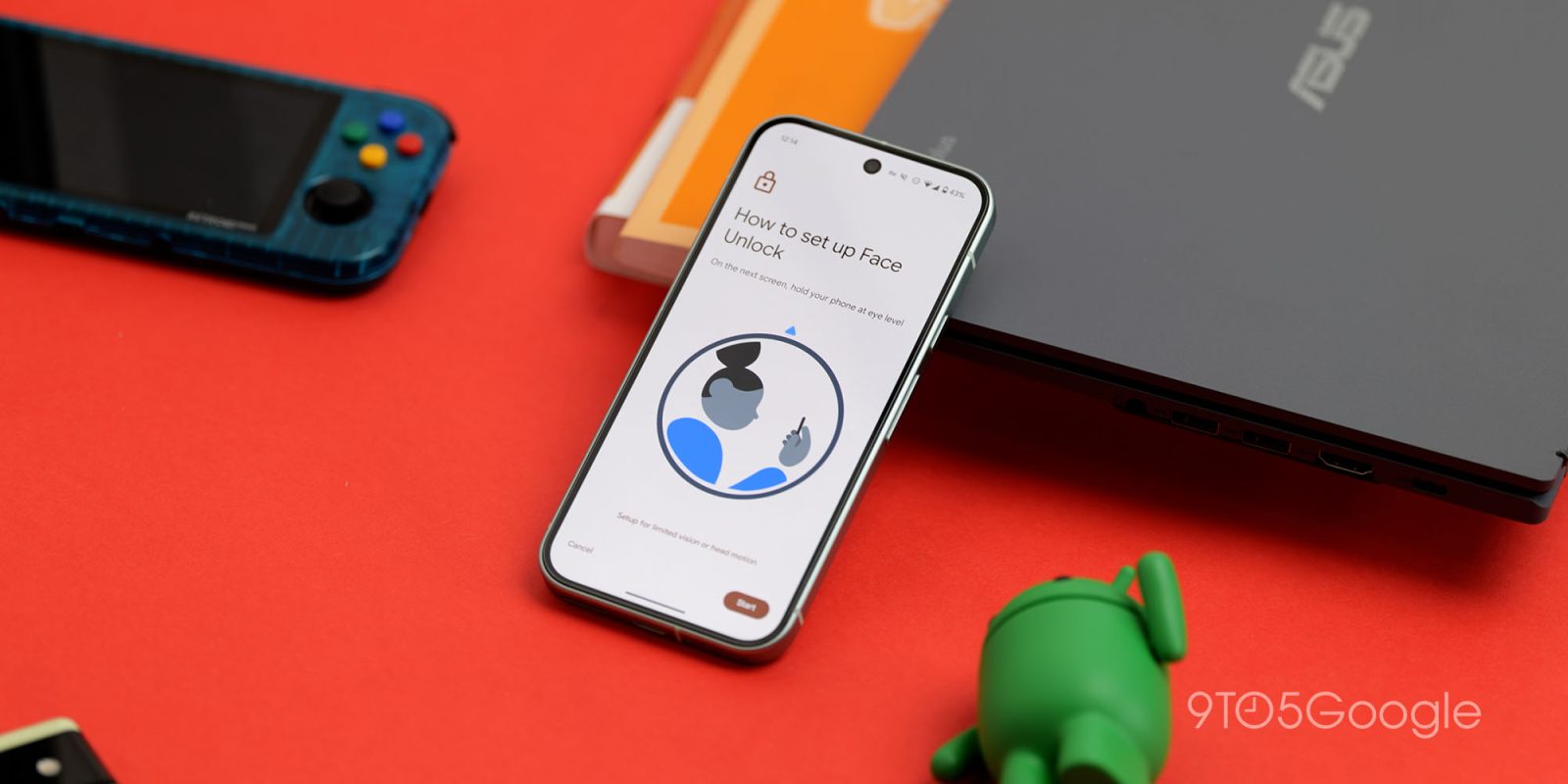
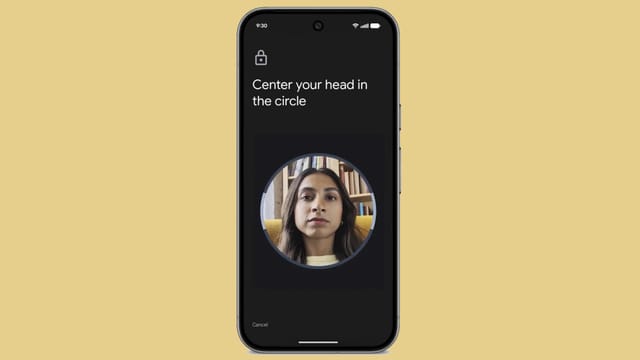
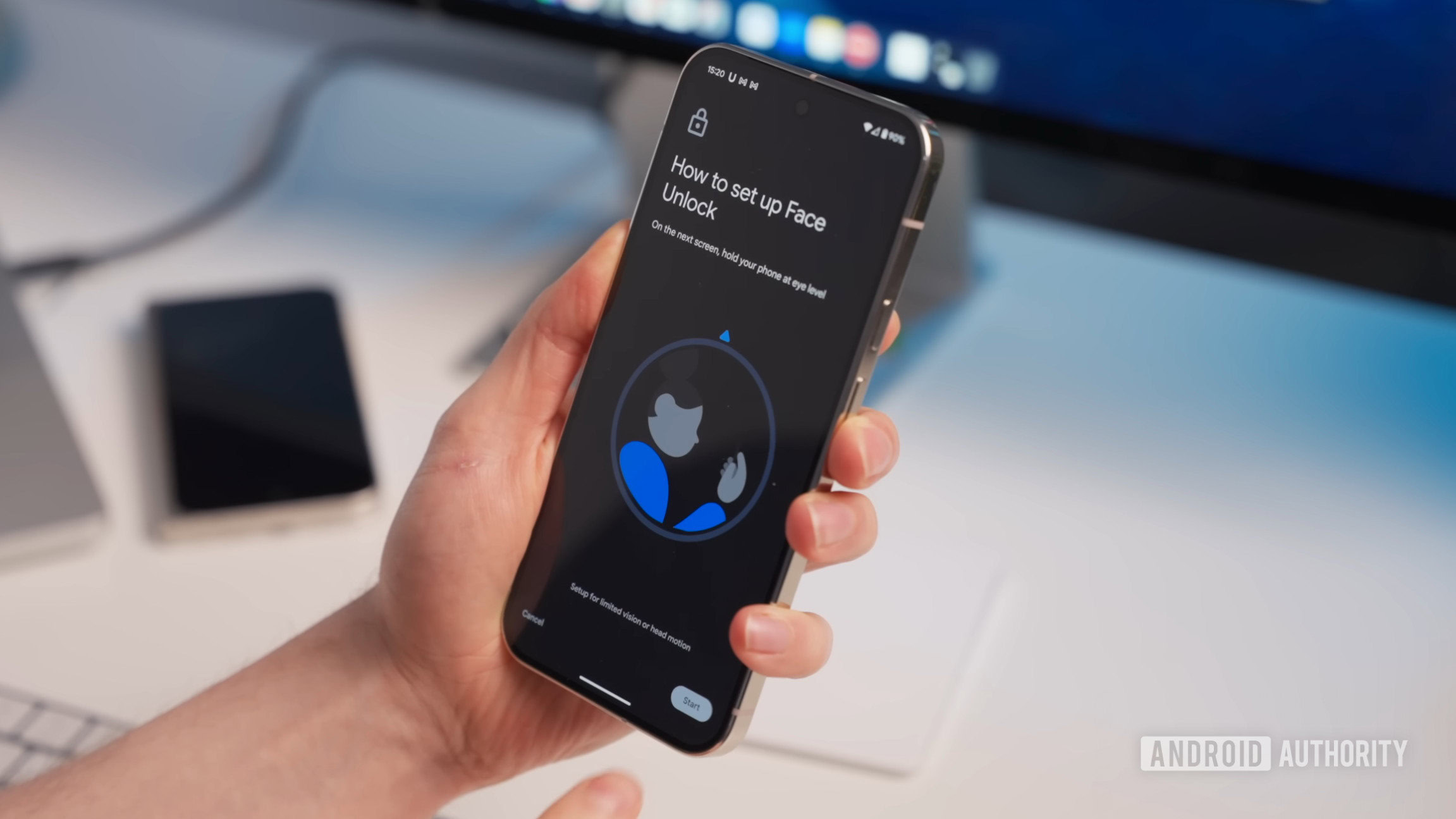
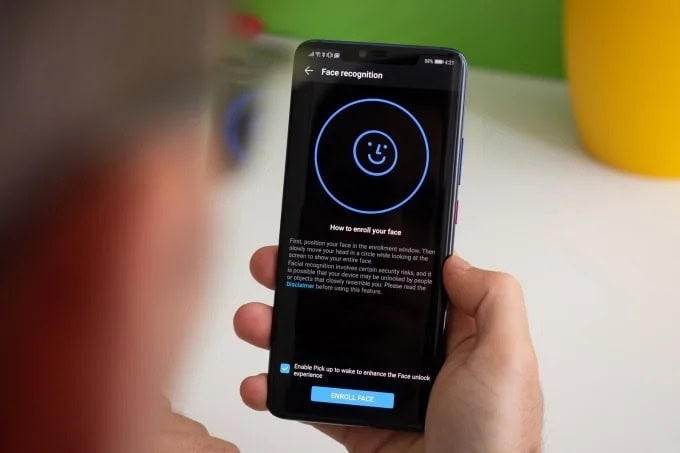
Google's Project Toscana represents a critical inflection point in biometric authentication technology that directly impacts e-commerce seller opportunities across multiple categories. The infrared-based facial recognition system, expected to debut on Pixel 11 in May 2025 and Chromebooks later that year, matches Apple's Face ID performance while addressing documented low-light authentication failures in current Pixel 8+ models. This technological parity creates a 12-18 month competitive window where sellers can capture demand from consumers upgrading devices and enterprises deploying biometric-secured payment systems.
Immediate automation opportunities for sellers: AI-powered product research tools can identify trending accessories categories (protective cases, privacy screens, camera lens protectors) that will spike 30-40% during Pixel 11 launch windows. Dynamic pricing algorithms can monitor competitor listings for Pixel-compatible security software and biometric authentication apps, adjusting prices 5-8% in real-time to capture market share. Chatbots can automate customer inquiries about device compatibility, security features, and enterprise deployment specifications—reducing support costs by 15-20 hours weekly for electronics sellers.
Data-driven competitive intelligence: Sellers should deploy sentiment analysis on Reddit, Twitter, and tech forums to identify specific pain points with current Pixel face unlock (low-light failures, banking app authentication delays) that Project Toscana solves. This reveals high-intent buyer segments willing to pay 15-25% premiums for compatible security solutions. Predictive analytics can forecast category demand by analyzing Google I/O announcement timing (May 19-20, 2025), historical Pixel launch patterns, and enterprise security spending cycles—enabling sellers to pre-position inventory 60-90 days ahead of competitors.
AI product gaps and opportunities: No existing SaaS tool currently aggregates biometric device compatibility data across marketplaces or predicts authentication technology adoption curves by region. Sellers need AI tools that automatically match product listings to emerging device ecosystems, flag obsolete security software before inventory devaluation, and recommend cross-sell opportunities (cases + screen protectors + security apps) based on device-specific authentication requirements.
Strategic seller positioning: Enterprises deploying Google Workspace and Chromebooks for secure payment processing represent a $2-4B addressable market. Sellers offering bundled solutions—Chromebook-compatible security software, enterprise authentication apps, and compliance documentation—can command 40-60% higher margins than commodity accessory sellers. AI-powered account management systems can identify enterprise buyers through B2B marketplace signals and automatically route them to specialized sales channels, increasing deal velocity by 25-35%.
問題 8
What data analysis reveals hidden opportunities in the Project Toscana ecosystem?
Sentiment analysis on tech forums identifies specific pain points with current Pixel face unlock (low-light failures, banking delays) that Project Toscana solves, revealing high-intent buyer segments. Competitive intelligence tools can track which sellers are already positioning Pixel 11 accessories, enabling first-mover advantages for underserved categories. Predictive analytics on enterprise security spending cycles show Q2-Q3 2025 budget allocation peaks, indicating optimal inventory timing. Cross-category analysis reveals that buyers of premium cases also purchase screen protectors (60% correlation) and security software (35% correlation), enabling bundled product recommendations that increase average order value by 25-40%.
Which seller segments should prioritize Project Toscana-related inventory positioning?
Enterprise-focused sellers offering B2B security solutions should prioritize Chromebook-compatible authentication software and compliance tools, targeting the $2-4B enterprise market. Premium accessory sellers should pre-position Pixel 11-compatible cases and protective products 60-90 days before May 2025 launch. Sellers with existing Google Workspace customer bases can cross-sell biometric authentication solutions with 40-60% margin premiums. Regional sellers in North America and Europe should prioritize inventory, as these markets represent 65-75% of premium Pixel device adoption and enterprise Chromebook deployments.