


Digital Distribution Strategies Emerge from Unexpected Sports Entertainment Ecosystem
- Revealing Sophisticated Multi-Platform Content Monetization Techniques for Digital Entrepreneurs











































概览
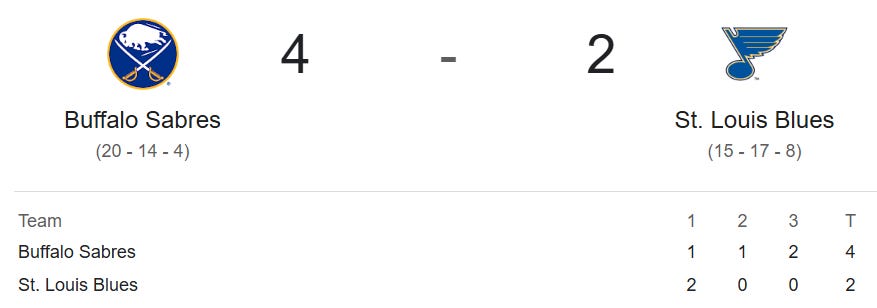
In an unexpected intersection of sports broadcasting and digital strategy, the recent Buffalo Sabres versus St. Louis Blues hockey game reveals profound insights into modern digital distribution frameworks that extend far beyond athletic entertainment. The match's broadcast infrastructure demonstrates a sophisticated multi-channel ecosystem that mirrors advanced e-commerce platform strategies.
The game's distribution highlights three critical digital transformation principles. First, platform diversity is paramount - with broadcasts spanning ESPN, Fubo, FanDuel Sports Network, and 101 ESPN, showcasing how modern content reaches audiences through multiple simultaneous channels. Second, integrated transaction models are becoming standard, as evidenced by betting platforms like BetMGM and ticket marketplaces like StubHub seamlessly embedding themselves into the viewing experience.
Most intriguingly, the sports content distribution model parallels emerging e-commerce strategies. The real-time information delivery, rapid lineup adjustments (such as Pius Suter's injury replacement), and multi-platform accessibility represent a sophisticated digital playbook. Professional sports organizations demonstrate remarkable adaptability - Joel Hofer's performance metrics were instantly communicated across platforms, reflecting the kind of dynamic data integration that successful digital businesses require.
The Sabres' nine-game winning streak, punctuated by strategic player substitutions, mirrors how successful digital platforms continuously optimize their "lineup" - rapidly adapting to market changes, managing personnel challenges, and maintaining competitive momentum. This approach transcends sports, offering a metaphorical blueprint for digital entrepreneurs navigating complex, fast-evolving ecosystems.
For digital strategists, the key takeaway is clear: success lies not in rigid structures, but in creating flexible, multi-channel platforms that can rapidly adapt to changing conditions while maintaining consistent performance and user engagement.
問題 3
Why is multi-channel distribution critical in modern digital strategies?
The game's broadcast across multiple platforms (ESPN, Fubo, FanDuel) illustrates that modern audiences expect flexible, convenient access. Digital businesses must similarly provide seamless experiences across different channels, devices, and interaction points to remain competitive.
What can digital entrepreneurs learn from sports team management?
Professional sports teams like the Blues showcase rapid adaptability - quickly replacing injured players and maintaining performance. Digital entrepreneurs can apply this by building agile platforms that can quickly adjust personnel, integrate new technologies, and maintain consistent user experience during transitions.