





Geopolitical Oil Crisis Reshapes Cross-Border Shipping Costs | Seller Logistics Strategy
- Crude oil surges 4.6% to $65/barrel amid Iran conflict risks; fuel surcharges increase 8-15% for international sellers by Q1 2026
























概览
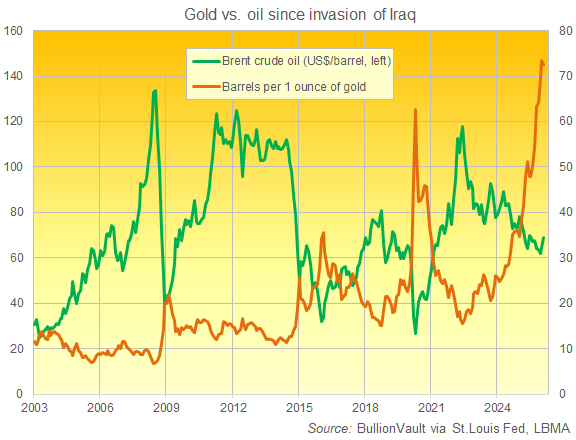
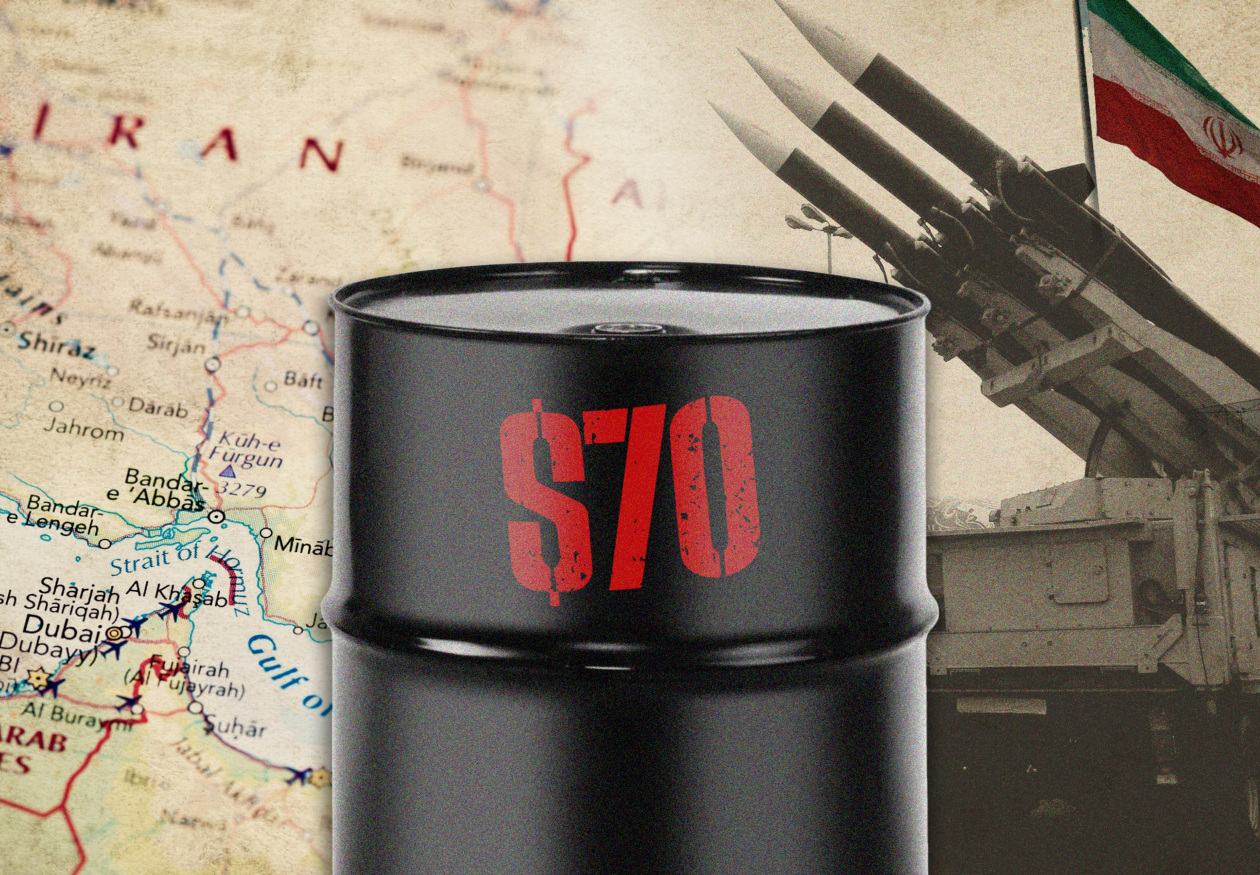
The escalating U.S.-Iran geopolitical tensions documented on February 18, 2026, have triggered significant crude oil price volatility with direct implications for cross-border e-commerce sellers. West Texas Intermediate crude jumped 4.6% to $65+ per barrel, while Brent crude surged above $70 for the first time in two weeks, driven by market concerns over potential military intervention and the critical Strait of Hormuz chokepoint through which approximately one-third of seaborne traded oil transits globally. Citi analysts identified a 5-7 dollar per barrel risk premium embedded in current pricing, reflecting supply disruption concerns.
For cross-border sellers, this translates directly into increased logistics costs. Air freight and ocean freight expenses are rising 8-15% as logistics providers adjust fuel surcharges based on crude oil benchmarks. Sellers relying on just-in-time inventory models face heightened operational risks, with potential delays in inventory shipments from Asia-Pacific manufacturing hubs to North American and European fulfillment centers. The impact varies significantly by seller segment: small sellers (under 100 units/month) may absorb costs through margin compression, while mid-market sellers (1,000-5,000 units/month) shipping via Amazon FBA face immediate pressure on profitability, particularly in lower-margin categories like electronics and home goods.
Strategic sourcing opportunities emerge for sellers willing to optimize logistics timing and routes. Sellers can mitigate exposure by: (1) accelerating inventory shipments before further price escalation, locking in current freight rates through long-term 3PL contracts; (2) shifting from air freight to slower ocean freight where product velocity allows, capturing 30-40% cost savings despite 2-3 week transit delays; (3) diversifying sourcing away from single-origin suppliers in China toward Vietnam, India, and Indonesia where manufacturing costs remain competitive despite longer shipping distances. The Strait of Hormuz closure drill conducted by Iran signals heightened geopolitical risk, making supply chain diversification a critical competitive advantage. Sellers in high-velocity categories (apparel, accessories, consumables) should prioritize nearshoring strategies, while sellers in slower-moving categories (furniture, industrial goods) can leverage extended lead times to optimize cost structures.
The diplomatic negotiations ongoing in Geneva between U.S. and Iranian officials create a critical timing window. If military action is averted, oil prices could normalize within 2-4 weeks, creating a brief window for sellers to lock in freight rates before potential price rebounds. Conversely, if tensions escalate, sellers face potential 15-25% additional logistics cost increases and possible supply chain disruptions affecting inventory availability through Q2 2026.
問題 7
Should I shift my sourcing from China to Vietnam or India to avoid shipping cost increases?
Nearshoring to Vietnam or India offers mixed benefits. While Vietnam manufacturing costs are 5-10% lower than China and India offers 8-12% savings, shipping distances increase by 15-25%, partially offsetting savings. However, Vietnam-to-US ocean freight ($2,200-2,800 per container) is only 5-8% more expensive than China routes, making it viable for sellers with 4-6 week lead times. India sourcing becomes attractive only for high-margin categories (apparel, accessories) where 15-20% margin improvement justifies longer transit times. For electronics and consumables, China sourcing remains optimal despite current fuel surcharges. Evaluate your product velocity: if BSR is under 10,000 in your category, nearshoring justifies the transition; if BSR exceeds 50,000, maintain China sourcing and absorb fuel costs.
How much will my Amazon FBA shipping costs increase from the Iran oil crisis?
Based on current crude oil pricing at $65-70 per barrel with a 5-7 dollar risk premium, logistics providers are implementing fuel surcharges of 8-15% on ocean freight and 12-20% on air freight. For a seller shipping 2,000 units monthly via FBA, this translates to $400-800 additional monthly costs depending on product weight and origin country. Ocean freight from Shanghai to Los Angeles typically costs $2,000-3,000 per 40-foot container; the fuel surcharge adds $160-450 per container. Sellers should immediately contact their 3PL providers to lock in rates before further escalation, as diplomatic negotiations in Geneva remain uncertain through March 2026.