



Oil Price Surge Threatens E-Commerce Margins | Logistics Cost Crisis for Cross-Border Sellers
- WTI crude up 4.6% to $65.19/barrel amid U.S.-Iran tensions; shipping surcharges expected within 2-4 weeks affecting 50K+ FBA sellers and international merchants



























概览
Geopolitical Risk Premium Creates Immediate Logistics Cost Crisis for Cross-Border Sellers
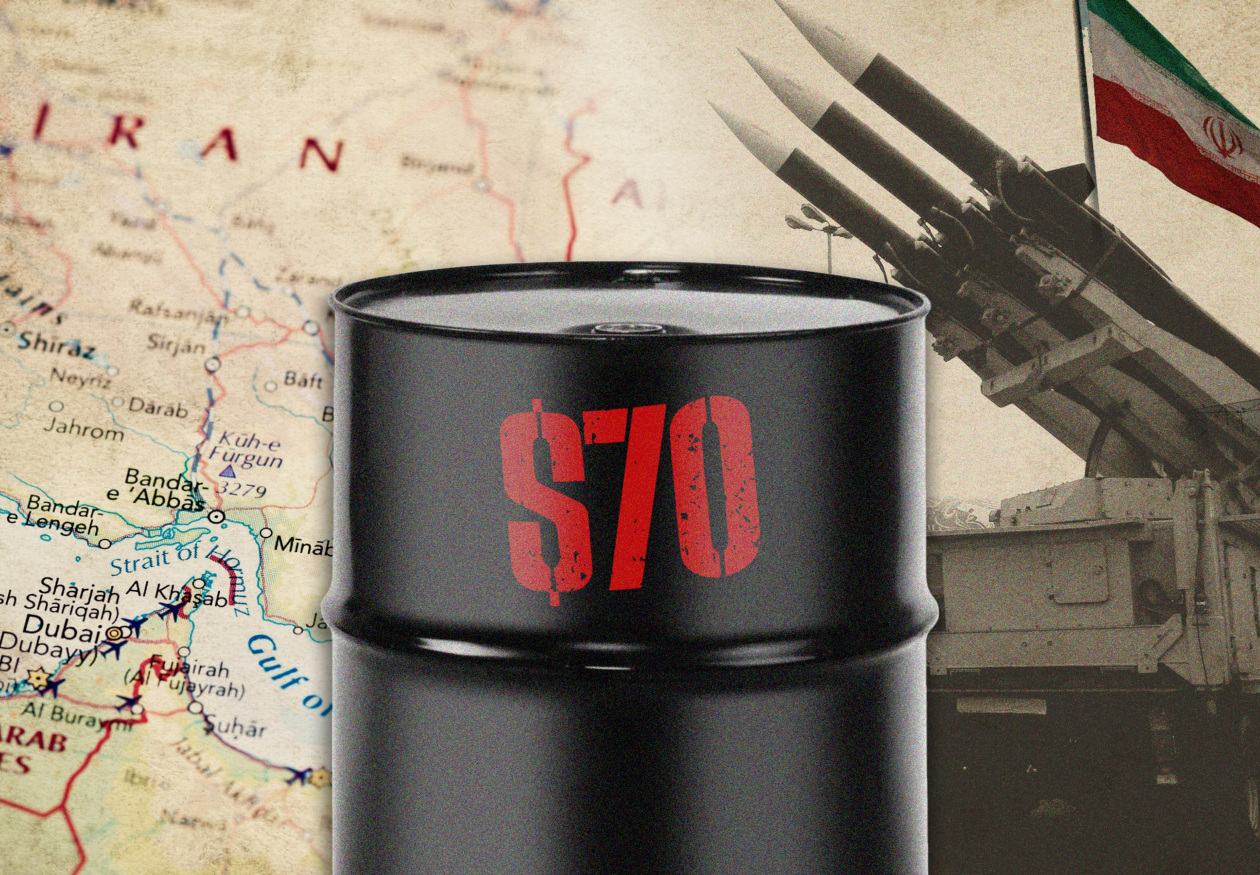
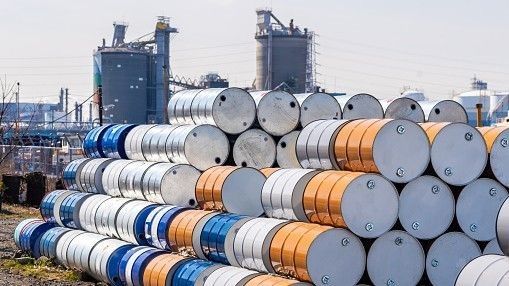
As of February 18, 2026, escalating U.S.-Iran tensions have driven WTI crude oil to $65.19/barrel (up 4.6%) and Brent crude to $70.35/barrel (up 4.3%), creating a dual-scenario market dynamic with profound implications for e-commerce logistics costs. Ben Hoff (Societe Generale) identifies the core risk: Iran's control of the Strait of Hormuz—through which 20% of global oil passes—creates supply disruption concerns. Conversely, successful nuclear negotiations could release sanctioned Iranian oil, increasing supply and creating downside pressure. This volatility directly cascades through cross-border e-commerce supply chains, affecting Amazon FBA fulfillment costs, third-party logistics (3PL) providers, and international shipping rates.
Immediate Logistics Cost Impact: 2-4 Week Lag Before Surcharge Activation
The operational impact is quantifiable and time-sensitive. When crude oil prices spike due to geopolitical events, freight forwarding costs, air shipping rates, and fuel surcharges typically activate within 2-4 weeks. For sellers using Amazon FBA, this translates to increased fulfillment fees affecting cost of goods sold (COGS) and profit margins. Sellers relying on time-sensitive air freight face the most acute pressure—air shipping rates are directly indexed to fuel costs and activate surcharges when WTI exceeds $80-90/barrel. The current $65.19 level suggests surcharges may activate within 4-6 weeks if tensions escalate further. Energy-intensive product categories (electronics, appliances, heavy goods) face margin compression of 5-12% depending on shipping method and destination region. Currency fluctuations accompanying oil volatility further compress margins for sellers transacting in foreign currencies, particularly those shipping from Asia-Pacific regions to North American and European markets.
Strategic Sourcing Vulnerability: Just-In-Time Inventory Risk
Sellers relying on just-in-time inventory from oil-dependent manufacturing regions face supply disruption risk. The Strait of Hormuz disruption scenario would immediately impact container shipping from Middle Eastern ports and create cascading delays through Southeast Asian manufacturing hubs. Sellers with inventory commitments from Vietnam, Thailand, and Indonesia face potential 2-3 week delays if regional shipping routes experience congestion. This creates a critical decision window: sellers should evaluate inventory buffers and consider shifting 15-25% of stock to regional fulfillment centers (FBA warehouses in US, EU, Asia-Pacific) to hedge against supply disruptions. The political pressure on energy markets ahead of midterm elections (noted by SEB analyst Bjarne Schieldrop) suggests volatility may persist through Q2 2026, creating an extended period of unpredictable cost structures that complicate dynamic pricing strategies.
問題 8
What inventory planning adjustments should I make given the 2-4 week surcharge lag?
Implement **forward-looking inventory planning** with a 4-6 week lead time. If WTI is currently at $65.19/barrel, assume surcharges will activate in 4-6 weeks and plan inventory accordingly. Increase safety stock by **10-15%** for fast-moving SKUs to avoid stockouts during the surcharge period when you'll be adjusting prices upward. Reduce inventory for slow-moving items to minimize storage costs during volatile periods. Prioritize inventory for high-margin categories (jewelry, electronics) over low-margin categories (apparel, home goods). Use demand forecasting tools to model sales impact of anticipated price increases—expect **3-8% demand reduction** when you raise prices by 4-6% to offset surcharges.
Which logistics providers offer fuel surcharge protection or hedging options?
Major 3PL providers (DHL, FedEx, UPS) offer fuel surcharge caps and hedging programs for committed volume contracts. **DHL Supply Chain** offers fuel surcharge protection for contracts exceeding 500 shipments/month; **FedEx** provides rate locks for 6-12 month commitments; **UPS** offers fuel surcharge caps for enterprise accounts. For Amazon FBA sellers, fuel surcharges are built into fulfillment fees with no direct hedging option, but sellers can negotiate volume discounts that offset surcharge increases. Evaluate switching to 3PL providers with fuel surcharge protection if you ship 1,000+ units monthly. Negotiate multi-month contracts now before surcharges activate—providers are more flexible on pricing during volatile periods.