
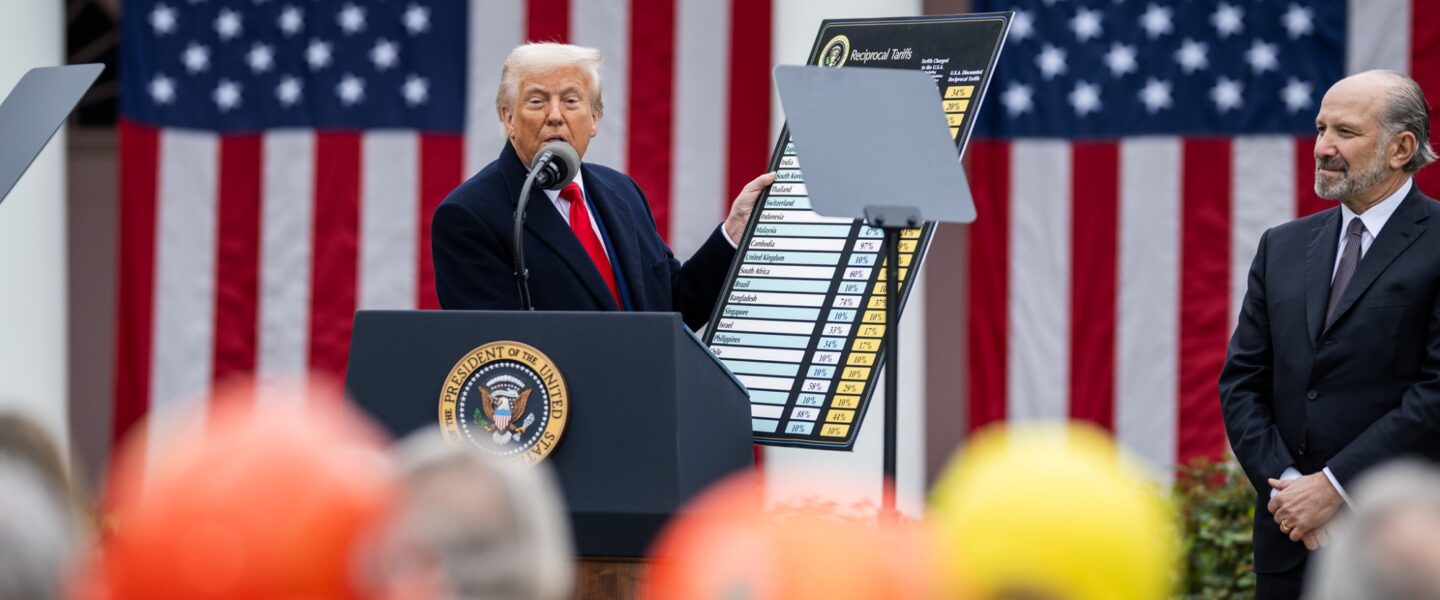





Tariff Burden Shifts to US Importers | 90% Cost Pass-Through Threatens Seller Margins
- New York Fed study confirms 90% of tariff costs absorbed by US businesses and consumers; midsize e-commerce sellers face 8-15% margin compression; policy uncertainty creates pricing strategy paralysis for Amazon, eBay, Shopify sellers




























概览
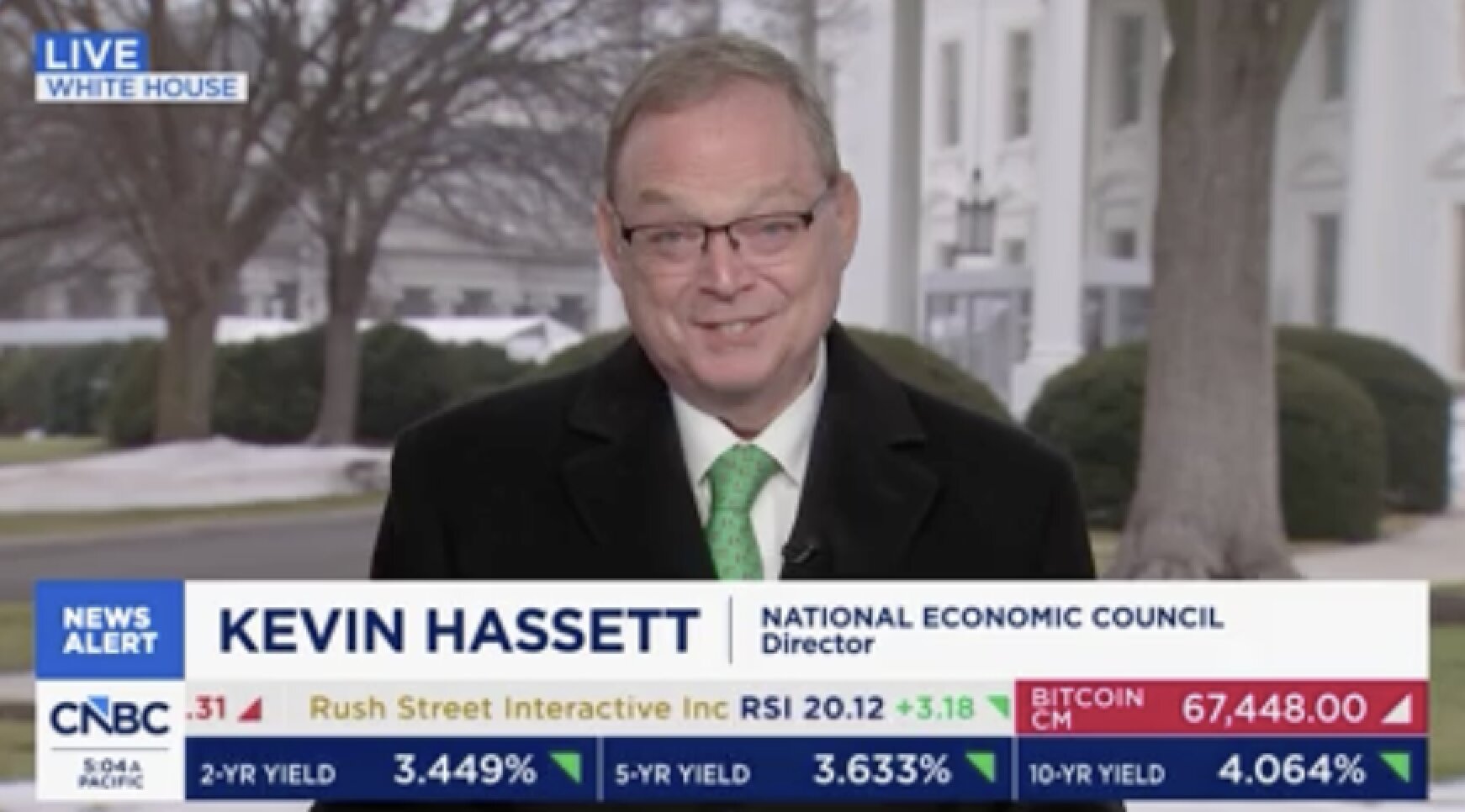
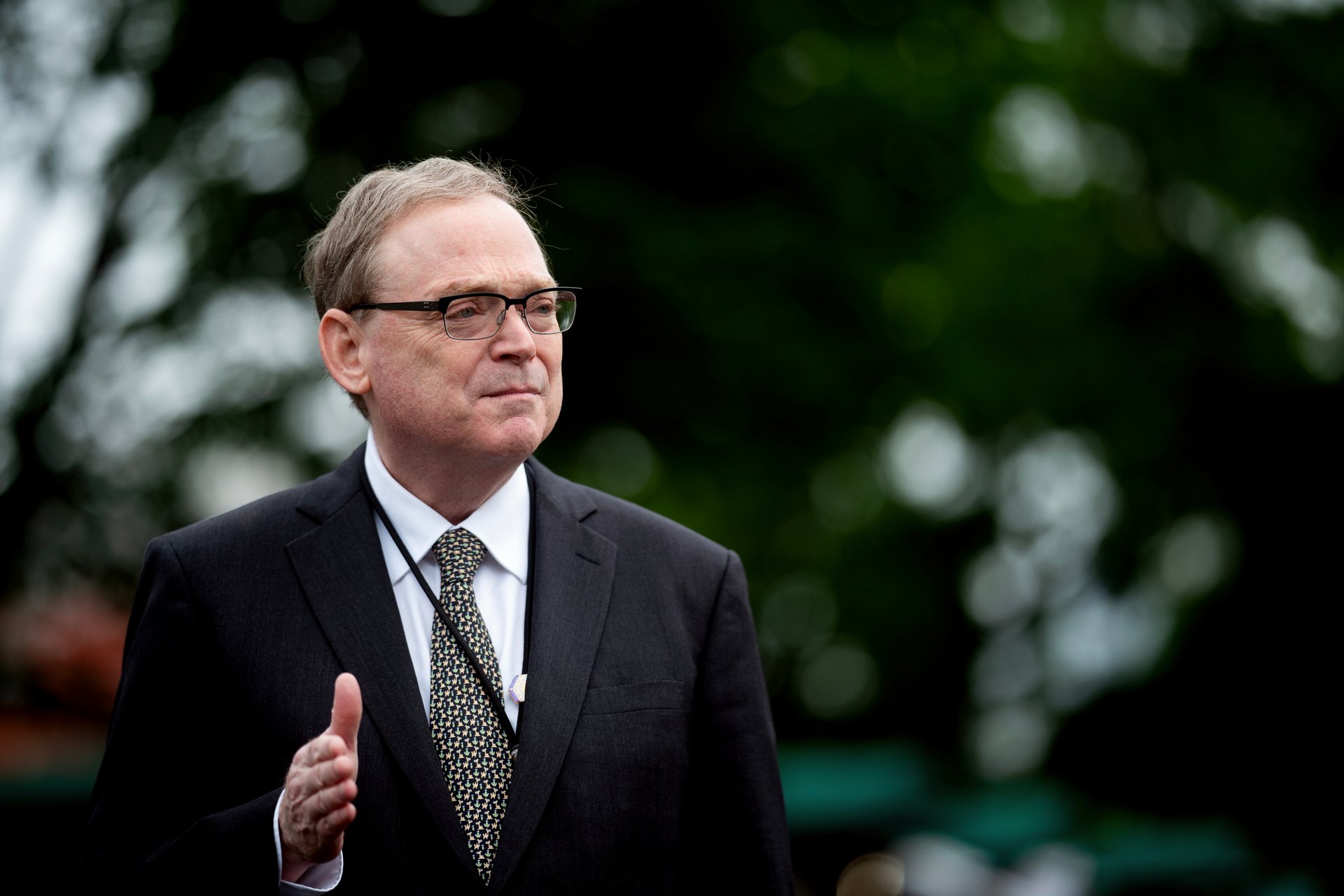
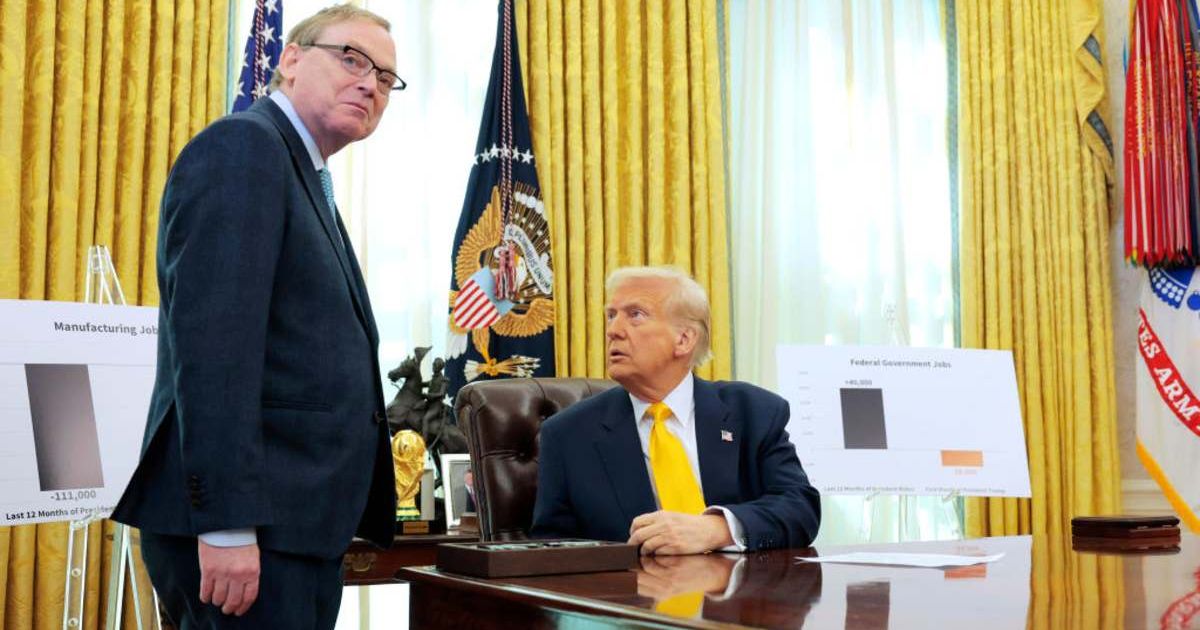
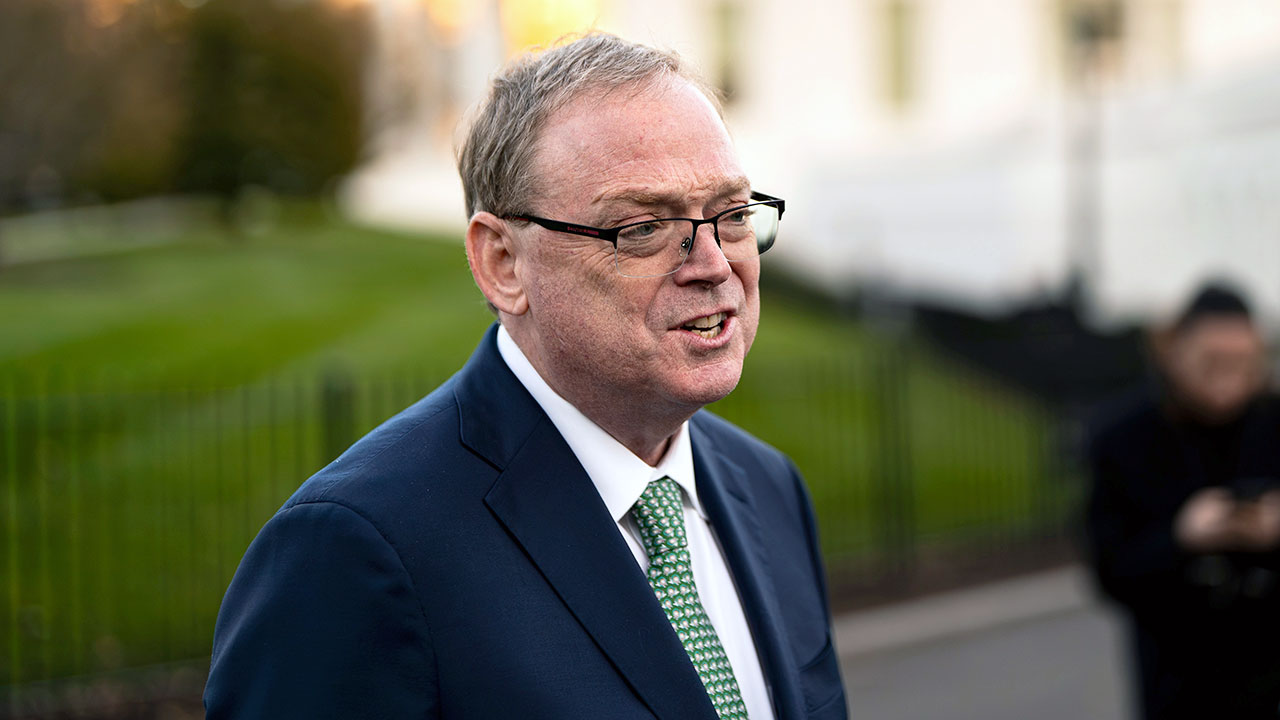
The Trump administration's tariff policies are creating a critical cost allocation crisis for cross-border e-commerce sellers, with the New York Federal Reserve's February 12, 2026 study confirming that approximately 90% of tariff burden is being passed to US companies and consumers rather than foreign exporters. This finding directly contradicts White House claims and creates unprecedented uncertainty for sellers importing from Asia, Europe, and other regions. National Economic Council Director Kevin Hassett's public attack on the Fed researchers (February 18, 2026) signals the administration's resistance to tariff cost transparency, leaving sellers without clear policy direction for pricing and sourcing decisions.
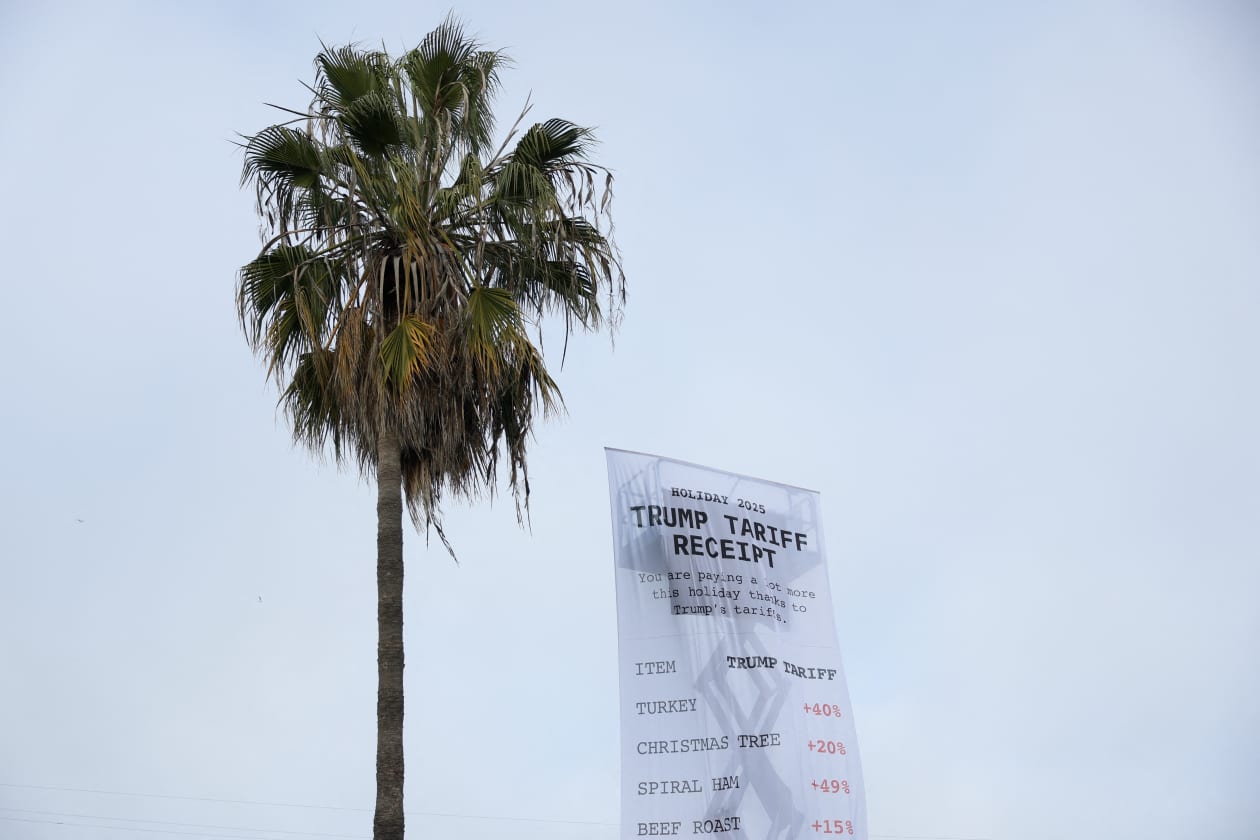
The immediate impact on midsize e-commerce sellers is severe. Unlike Fortune 500 companies with dedicated trade compliance teams and government relations departments, small and midsize sellers importing products from China, Vietnam, India, and Southeast Asia face 8-15% margin compression on competitive platforms like Amazon and eBay. The Financial Times analysis confirms that midsize firms operating with 15-25% gross margins cannot absorb tariff costs through economies of scale. Sellers importing electronics, home goods, apparel, and consumer products face landed cost increases of $2-8 per unit depending on tariff classification (HS codes). For a seller moving 500 units monthly at $50 wholesale cost, a 10% tariff translates to $2,500 monthly cost increase—forcing impossible choices between raising prices (risking Buy Box loss), absorbing costs (reducing profitability), or relocating operations.
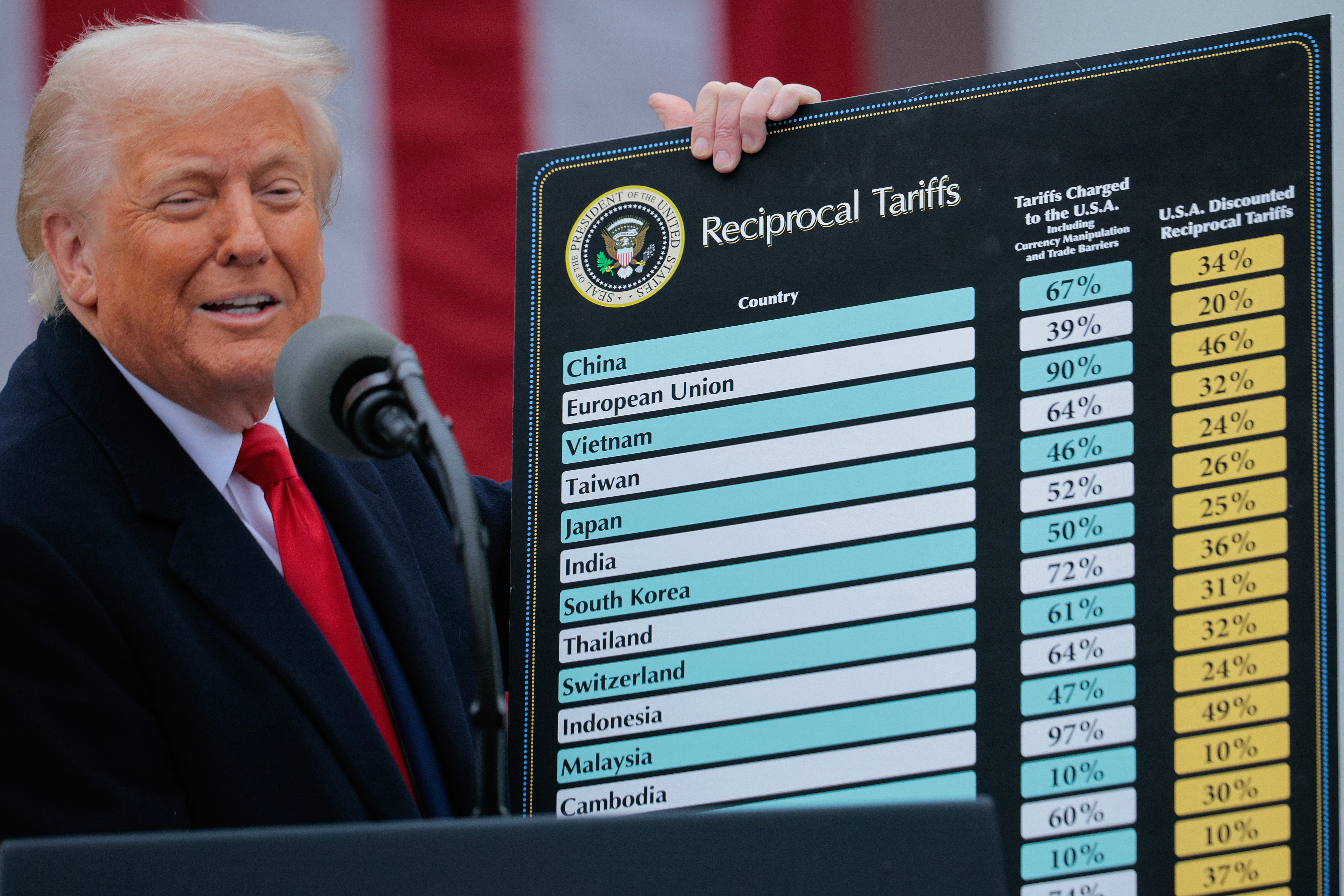
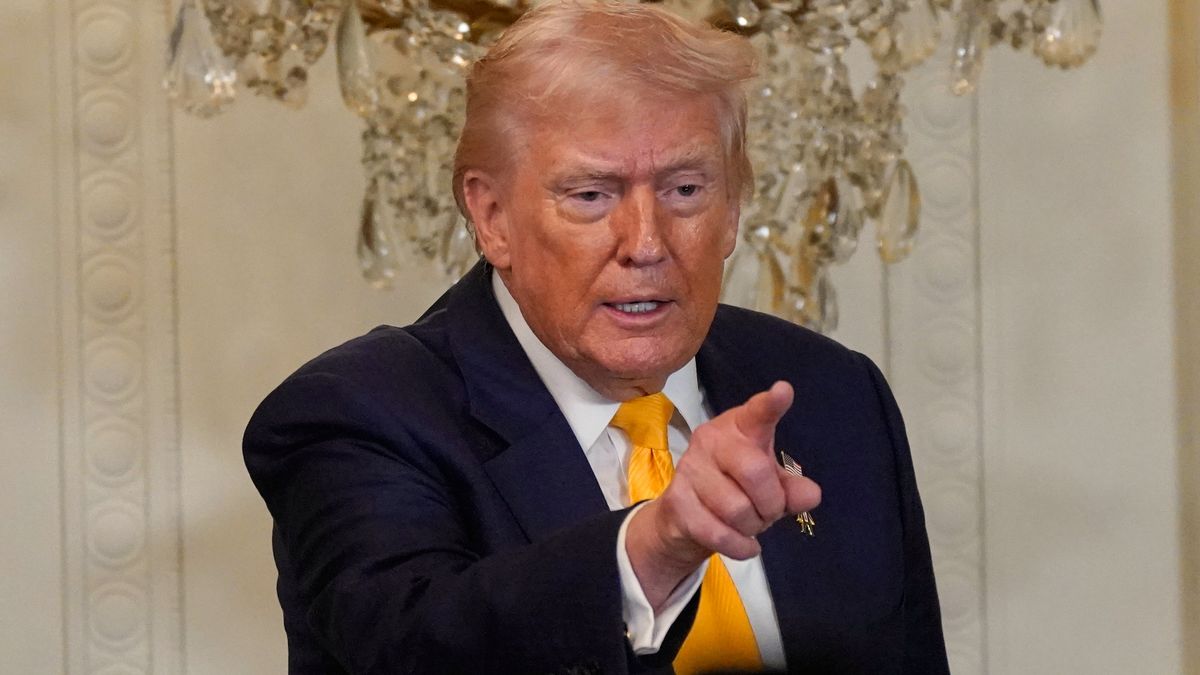
The policy uncertainty window is critical. With January 2026 CPI at 2.4% year-over-year and import prices flat year-over-year (December 2025), sellers cannot rely on inflation to justify price increases. The administration's challenge to Federal Reserve independence—including the criminal inquiry into Fed Chair Powell and attempts to remove Governor Lisa Cook—signals potential policy reversals that could either escalate or reduce tariffs. This creates a 90-180 day decision window for sellers to lock in sourcing strategies before potential policy shifts. Sellers must immediately audit their product mix by tariff classification, identify lower-tariff alternatives (Vietnam/India sourcing vs. China), and stress-test pricing models against 5-15% tariff scenarios. The declining tariff burden impact noted in the Fed study (90% → lower percentage as year progressed) suggests potential policy moderation, but the administration's public dismissal of this research indicates continued uncertainty. Strategic sellers should consider tariff-optimized supply chain solutions, domestic sourcing for high-margin categories, and product mix shifts toward lower-tariff classifications (HS codes 6204, 6205 for apparel vs. electronics HS 8471-8517 with higher rates).
問題 8
Should sellers shift sourcing from China to Vietnam or India to reduce tariffs?
**Yes, but with careful HS code analysis.** Vietnam and India face lower tariff rates than China under US trade agreements and tariff schedules. However, the tariff advantage varies by product category—apparel from Vietnam may face 15% vs. 32% from China, while electronics components show smaller differentials. Sellers must calculate landed costs including freight, customs broker fees, and longer lead times from new suppliers. The Financial Times analysis confirms midsize sellers lack expertise to navigate these decisions, so consulting with customs brokers or trade compliance specialists is essential. The New York Fed study shows global supply chains are already shifting, indicating Vietnam/India sourcing is becoming industry-standard for tariff-sensitive categories.
How does the Trump administration's attack on the Federal Reserve affect tariff policy certainty?
The administration's public criticism of Fed researchers (Hassett calling the study 'the worst paper I've ever seen') combined with criminal inquiries into Fed Chair Powell and attempts to remove Governor Lisa Cook signals **potential policy reversals or escalations**. Trump's nomination of Fed critic Kevin Warsh to replace Powell suggests the administration may pursue more aggressive tariff policies if it gains Fed control. For sellers, this creates **policy uncertainty that prevents long-term sourcing commitments**. The 90-180 day decision window is critical because tariff policy could shift significantly after Fed leadership changes. Sellers should avoid multi-year supply contracts and maintain sourcing flexibility until policy stabilizes.