
Fed Holds Rates Steady Through 2026 | E-Commerce Seller Financing Impact
- No rate cuts expected until late summer 2026; inflation at 2.4% signals higher borrowing costs for inventory financing and business expansion


















概览
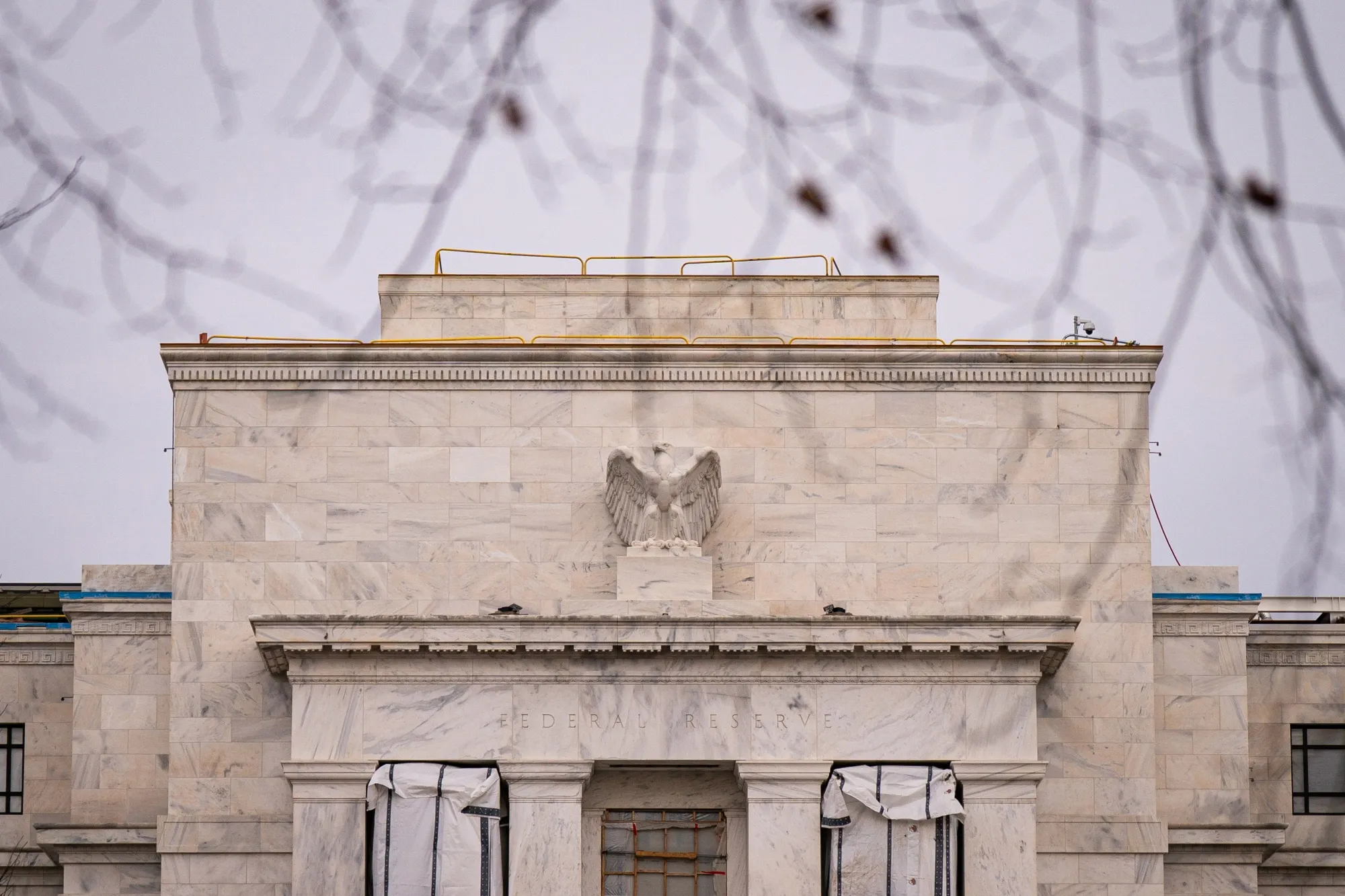
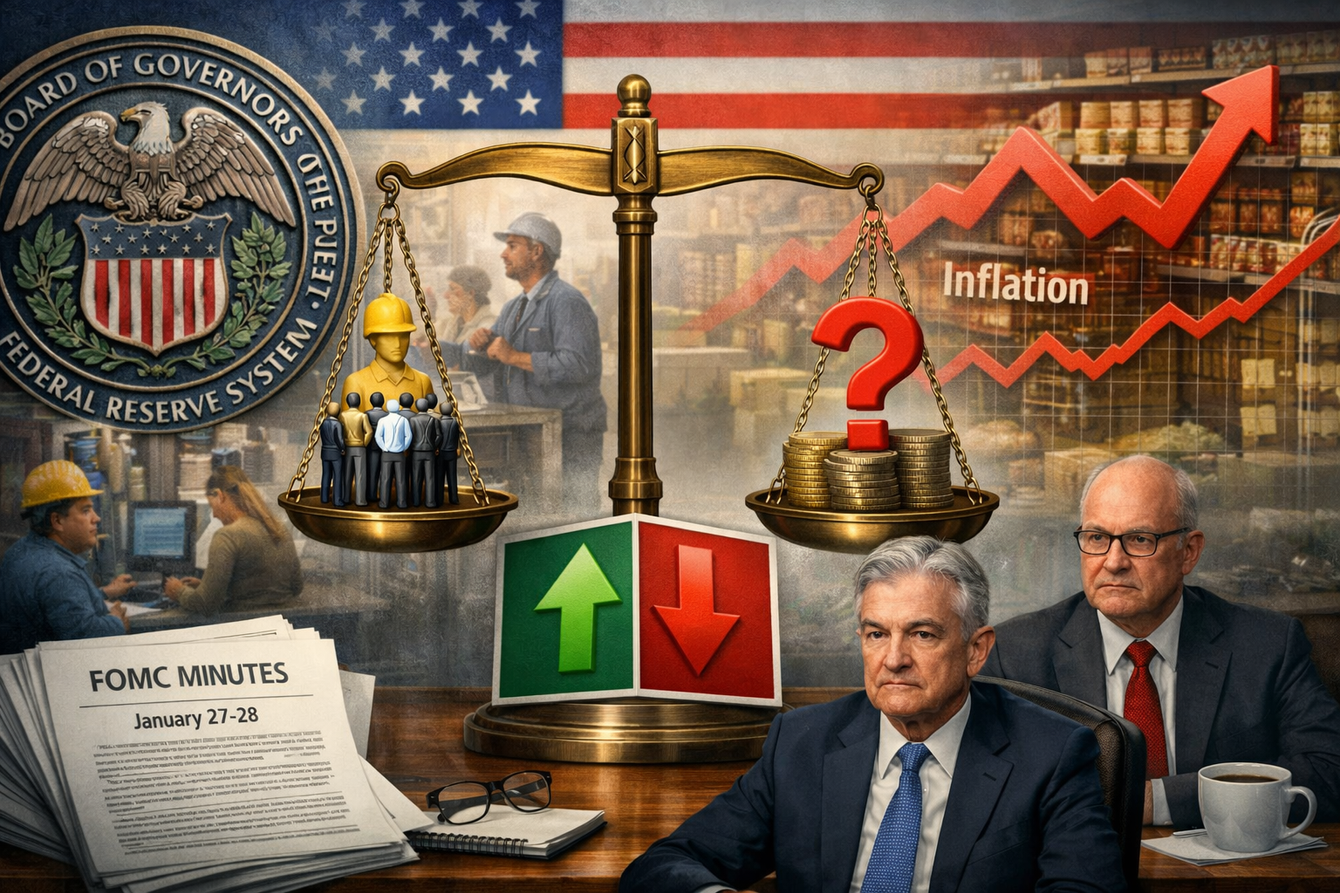
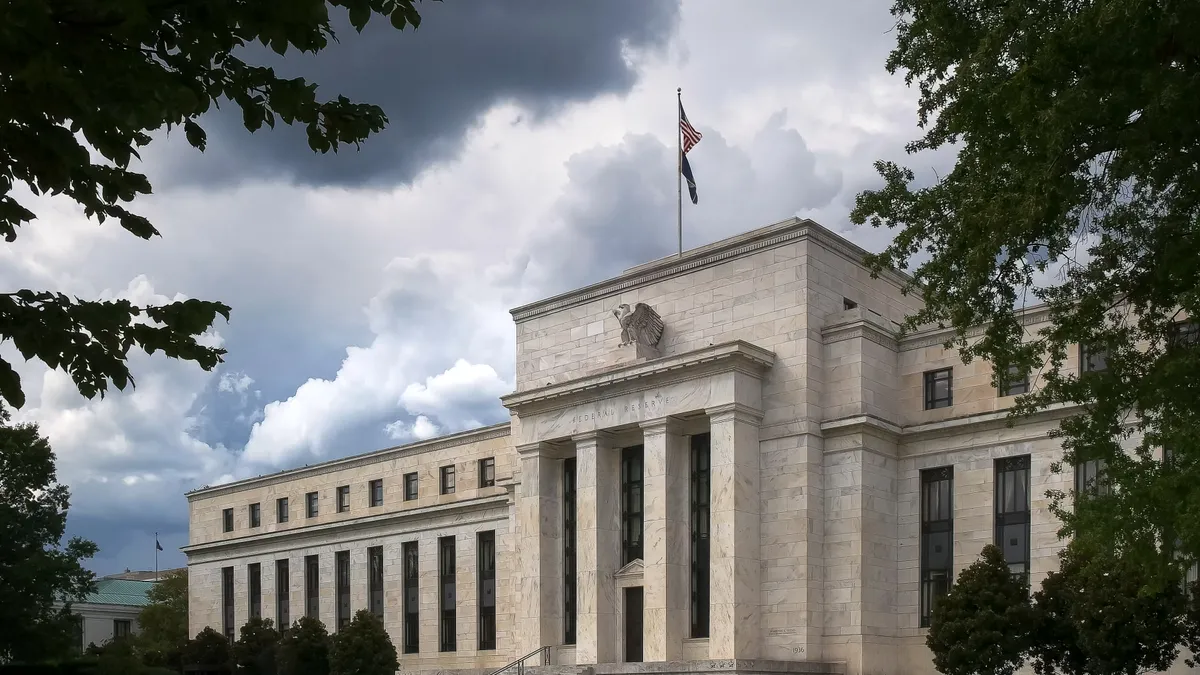
The Federal Reserve's January 27-28 meeting minutes reveal a critical shift in monetary policy that directly impacts e-commerce sellers' financing costs and consumer purchasing power. The Fed maintained interest rates unchanged and signaled no additional rate cuts are anticipated until late summer 2026, a significant development for sellers relying on business loans, inventory financing, and working capital lines of credit. This policy stance reflects the Fed's dual mandate balancing act: while labor market weakening risks have moderated (with January 2026 adding 130,000 jobs, slightly exceeding expectations), persistent inflation remains elevated at 2.4%, down from 2.7% in December but still above the Fed's 2% target for nearly five years.
For e-commerce sellers, this translates to sustained higher borrowing costs through mid-2026. Sellers financing inventory through Amazon Lending, traditional bank lines of credit, or 3PL expansion will face interest rates remaining in the 7-8% range rather than declining. This affects working capital management, particularly for sellers in capital-intensive categories like electronics, home goods, and apparel who typically carry 60-90 days of inventory. The mixed economic signals—January inflation decline offset by significant 2025 job growth downward revisions (only 181,000 jobs added versus 584,000 initially reported)—suggest consumer spending may remain cautious. Unemployment holding steady at 4.3% indicates labor market stabilization, which supports consumer confidence, but the weak job growth revision signals potential consumer spending constraints ahead.
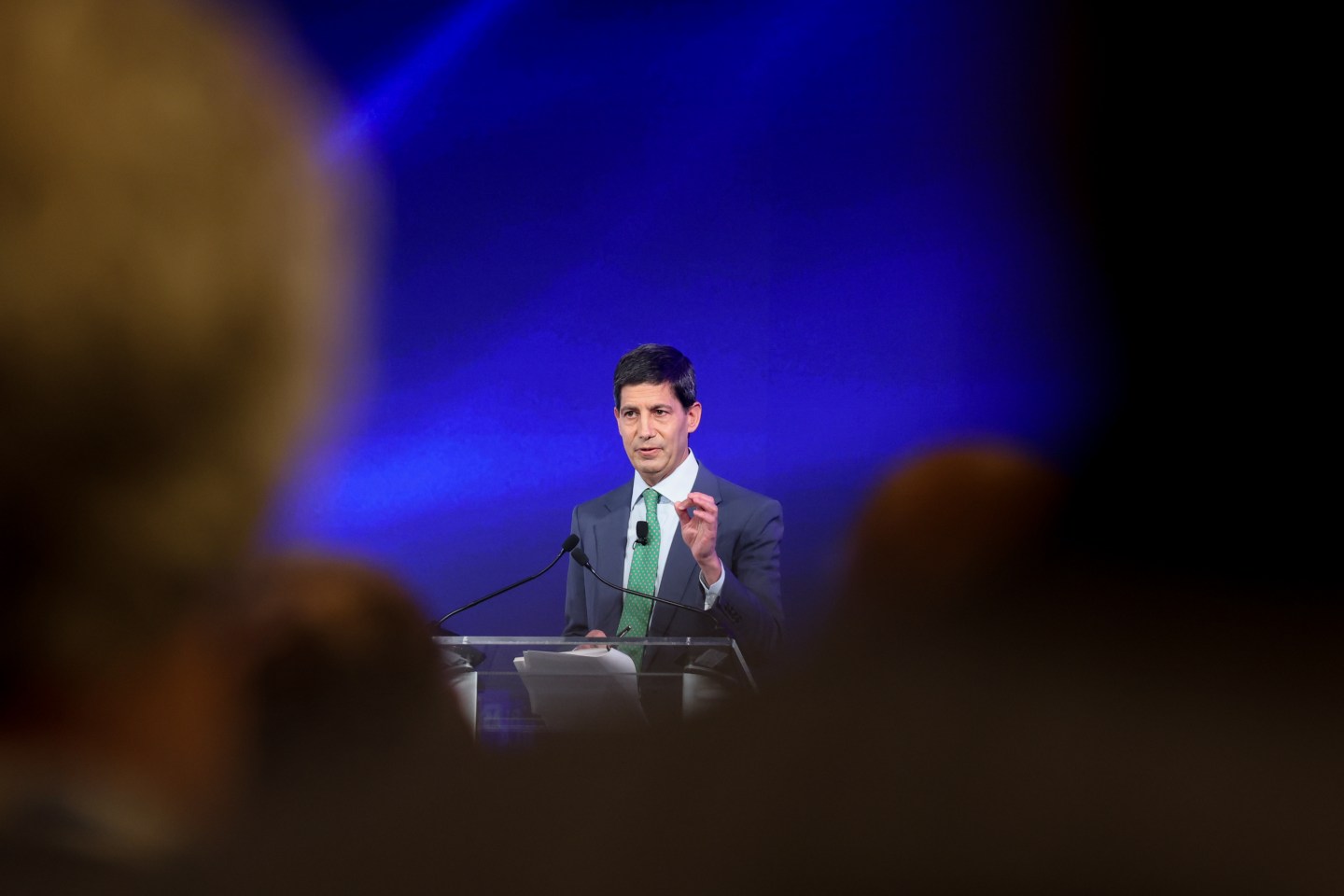
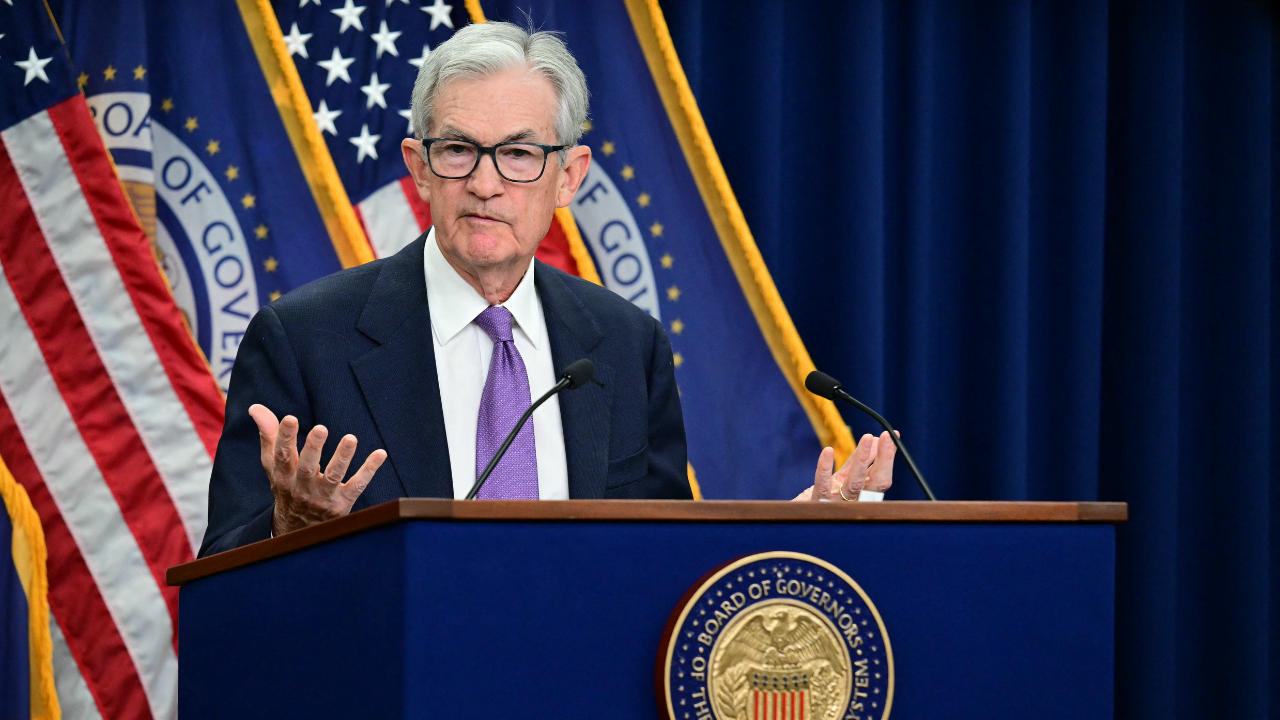
The political dimension adds uncertainty to the outlook. Trump's nomination of Kevin Warsh as Federal Reserve Chair successor (when Powell's term ends May 2026) introduces potential policy volatility. Warsh has previously expressed support for lower interest rates, and with Trump's three existing nominees on the Fed's boards, there's a possibility of rate cut pressure post-May 2026. However, the current Fed's insulation from political pressure suggests rates will remain steady through summer 2026 at minimum. For sellers, this creates a clear financing window: secure inventory financing and working capital lines before May 2026 if lower rates become possible under new Fed leadership. The current environment favors sellers with strong cash positions and established credit lines, while sellers dependent on external financing face margin compression from higher borrowing costs. Sellers should also monitor consumer spending patterns closely—the weak job growth revision suggests potential demand softening in discretionary categories (home décor, electronics, fashion) while essential goods may remain resilient.
問題 7
Will consumer spending weaken if job growth remains slow?
The news reports significant downward revisions to 2025 job growth—only 181,000 jobs added versus the initially reported 584,000—which signals potential consumer spending constraints ahead. However, January 2026 added 130,000 jobs (slightly exceeding expectations) and unemployment remained stable at 4.3%, suggesting the labor market is stabilizing rather than deteriorating. **This mixed signal means discretionary categories (electronics, home décor, fashion) may see softer demand, while essential goods remain resilient.** Sellers should monitor category-specific trends: luxury items and high-ticket electronics may underperform, while consumables, health/beauty, and practical home goods typically maintain demand during uncertain employment periods.
How does the Fed's decision to hold rates steady affect my inventory financing costs?
The Federal Reserve's decision to maintain interest rates unchanged through at least summer 2026 means **borrowing costs for inventory financing will remain elevated at 7-8% annually**. If you're using Amazon Lending, traditional bank lines of credit, or 3PL financing, expect no relief until late summer 2026 at earliest. For a seller with $100,000 in financed inventory, this represents approximately $7,000-8,000 in annual interest costs. The Fed's minutes indicate rates will stay steady while officials assess inflation data, so locking in current rates before May 2026 (when new Fed leadership takes over) is strategically prudent if you anticipate expansion.