



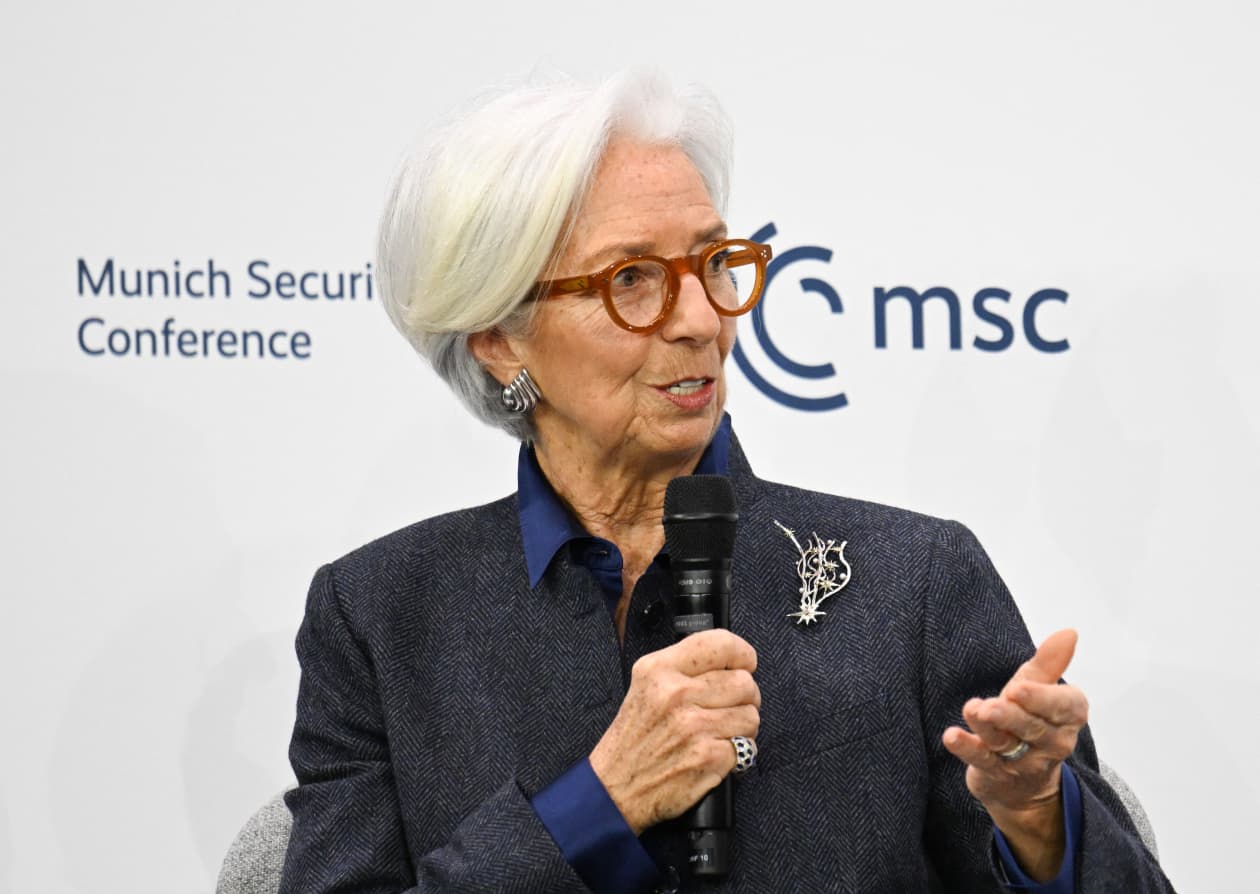


ECB Lagarde Leadership Uncertainty | Eurozone Monetary Policy Impact on Cross-Border Sellers
- ECB President tenure decision creates 18-month policy uncertainty affecting interest rates, currency valuations, and European consumer purchasing power for 50K+ cross-border sellers












概览
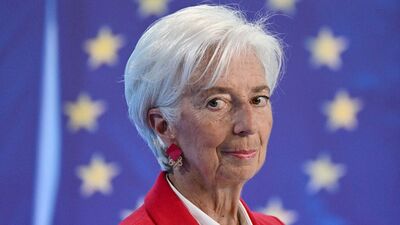
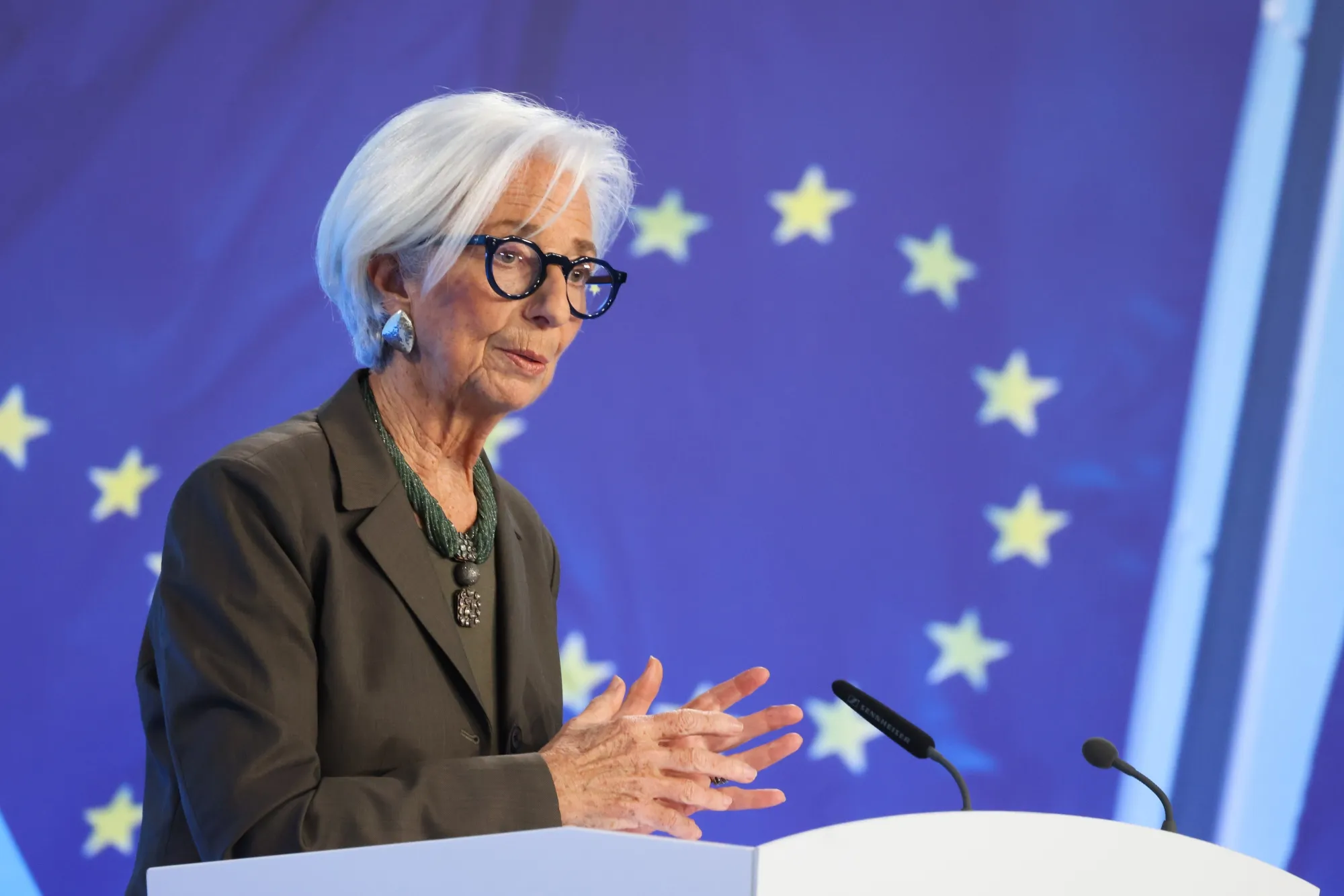
ECB President Christine Lagarde's undecided tenure status through October 2027 creates significant macroeconomic uncertainty for cross-border e-commerce sellers operating in the Eurozone. According to statements from February 18-19, 2026, Lagarde has not formally decided whether to complete her full term, despite reassuring ECB colleagues that no imminent resignation is planned. This ambiguity, combined with Bank of France Governor François Villeroy de Galhau's announced departure, introduces 18+ months of policy uncertainty during a period of ongoing European inflation concerns and currency stability challenges.
The monetary policy continuity question directly impacts seller operations through three mechanisms: First, interest rate trajectory uncertainty affects borrowing costs for inventory financing and working capital. ECB rate decisions influence European Central Bank lending rates, which cascade to commercial bank rates that sellers use for business loans and credit lines. Second, currency valuation volatility affects cross-border transaction costs and pricing strategies. Uncertainty about ECB leadership and policy direction typically increases EUR/USD volatility, directly impacting sellers' margins on dollar-denominated purchases and pricing competitiveness across European markets. Third, consumer purchasing power fluctuations driven by inflation management approaches influence demand patterns. Different ECB leadership could pursue divergent inflation strategies—more aggressive rate hikes reduce consumer spending, while accommodative policies support demand but risk currency weakness.
The political dimension adds complexity to policy predictability. The potential influence of France's 2027 presidential election on ECB succession, combined with the far-right Rassemblement National party's uncertain stance on eurozone monetary policy, creates scenario risk. While the party has abandoned euro-exit rhetoric, its potential electoral success introduces unknown variables into ECB governance. UniCredit's warning that EU leaders must "proceed with great care" to protect central bank independence reflects broader concerns about politicization of monetary policy—a trend that increases volatility and reduces policy predictability for business planning.
For cross-border sellers, the operational impact manifests in three timeframes: In the immediate 6-month window (February-August 2026), sellers should expect continued policy holding patterns as Lagarde maintains focus on current initiatives including the EU's Savings and Investment Union and new liquidity programs. This suggests stable interest rates near-term but elevated uncertainty premiums in currency markets. The 6-18 month period (August 2026-October 2027) presents higher volatility risk as succession speculation intensifies approaching the French election and Lagarde's term end. Sellers should monitor ECB communication for policy signals and consider hedging strategies for currency exposure. The post-October 2027 period introduces structural uncertainty about monetary policy direction under new leadership, potentially requiring significant strategy adjustments depending on successor selection and policy philosophy.
問題 7
How should sellers adjust inventory and pricing strategies for ECB policy uncertainty?
The 18-month uncertainty window (February 2026-October 2027) requires sellers to implement flexible inventory and pricing strategies. For inventory: maintain 10-15% higher safety stock than normal to buffer against demand volatility from potential rate changes, and diversify supplier sourcing to reduce currency concentration risk. For pricing: implement quarterly price reviews tied to ECB communication cycles rather than annual adjustments, allowing faster response to policy signals. For financing: lock in fixed-rate inventory loans where possible to hedge against potential rate increases, and maintain higher cash reserves (20-30% above normal) to reduce reliance on credit lines during volatile periods. Monitor ECB Governing Council meetings (typically 6 per year) for policy signals, and adjust strategies within 2-4 weeks of major announcements as market conditions stabilize.
What specific ECB initiatives should sellers monitor during the leadership transition period?
According to the news, Lagarde is currently focused on major projects including the EU's Savings and Investment Union and new liquidity initiatives. These programs directly affect credit availability and financing conditions for European businesses. Sellers should monitor ECB announcements about these initiatives, as changes in liquidity programs or savings incentives could affect consumer credit availability and spending patterns. The news indicates Lagarde remains 'completely focused' on current responsibilities through her term, suggesting these initiatives will continue. However, a successor might reprioritize or modify these programs, potentially affecting credit conditions. Sellers should track ECB Governing Council meeting minutes and press releases for signals about policy continuity or planned changes, particularly around liquidity management and credit availability for small businesses.