


Hemp & CBD Ban 2025-2026 | Sellers Face $8.5B Market Collapse
- Federal regulations eliminate 60-80% of hemp-derived THC/CBD products by November 2025-2026, forcing inventory liquidation and compliance overhaul for 50K+ e-commerce sellers across wellness, beverage, and specialty retail categories



概览
The U.S. federal government is executing a sweeping regulatory crackdown on hemp-derived products, creating a compliance crisis for e-commerce sellers across multiple channels. Congress passed legislation in November 2024 that bans most hemp-derived intoxicating THC products by November 2025, followed by severe CBD restrictions taking effect November 2026. The FDA missed its February 10, 2025 deadline to publish critical cannabinoid lists and container definitions, leaving sellers in legal limbo with only 9 months to achieve compliance before the first enforcement wave.
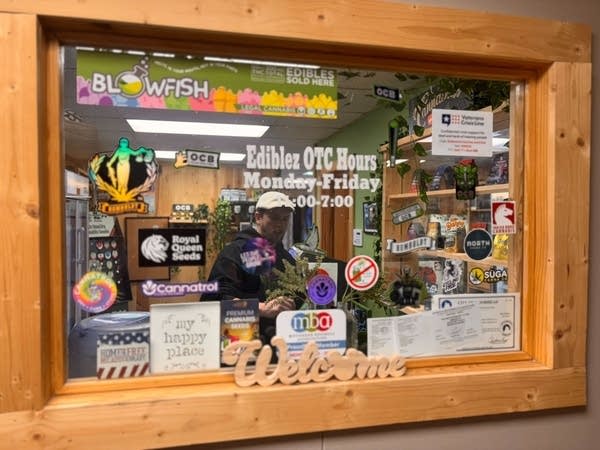
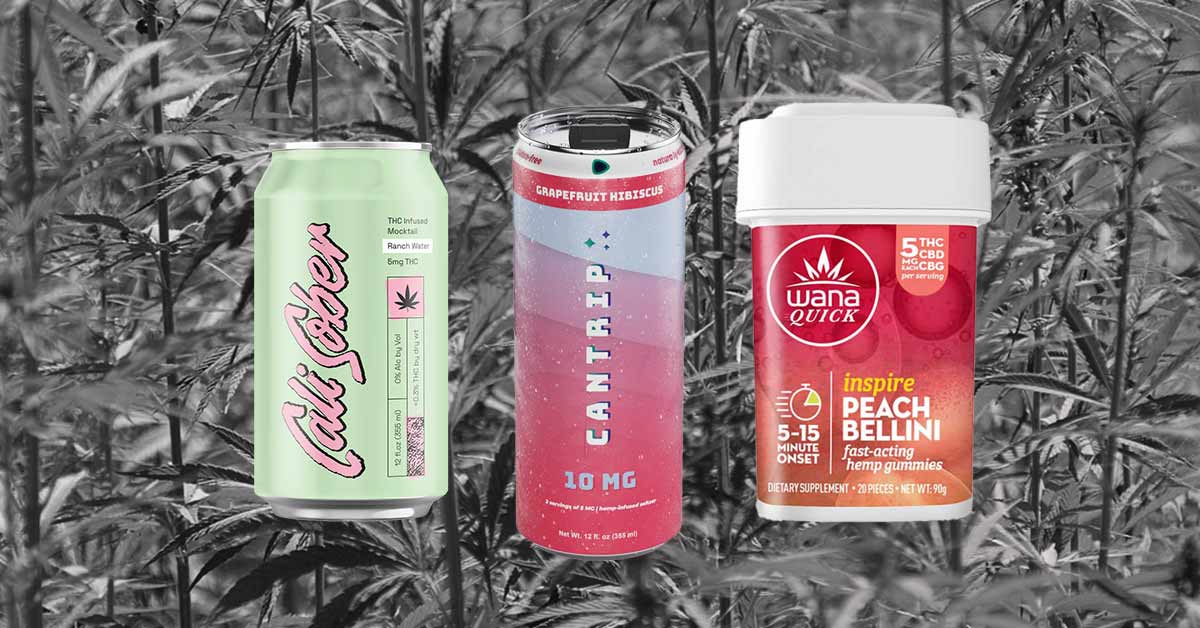
The regulatory framework creates a two-tier market collapse. Starting November 2025, hemp-derived THC products face a 0.4 milligram total THC limit per container (down from current 0.3% delta-9 THC on dry weight basis), effectively banning the concentrated THC beverages, edibles, and isolates that currently generate 40-50% of revenue for specialty retailers like Minnesota's 99 Bottles and Ediblez OTC. The second wave in November 2026 targets CBD products—creams, tinctures, gummies, and beverages—with an "almost no detectable trace" THC threshold that industry experts predict will eliminate 60-75% of the $8.5-13 billion CBD market, as most existing products contain at least trace amounts of THC. The FDA must compile a comprehensive cannabinoid list by February 2026, but the missed February 2025 deadline signals regulatory delays that could extend into enforcement periods.
For e-commerce sellers, this creates immediate operational risks across three dimensions. First, inventory obsolescence: sellers holding hemp-derived THC or CBD stock face potential total loss if products don't meet undefined container specifications or cannabinoid thresholds. Second, packaging strategy uncertainty: the FDA's delayed container definition (innermost wrapping/vessel in direct contact with product) directly impacts whether multi-serving packages qualify as single containers, affecting compliance calculations for sellers using Amazon, Shopify, and specialty wellness platforms. Third, channel elimination: liquor stores, convenience stores, smoke shops, and gas stations—major distribution channels for hemp products—face state-level bans (New Jersey begins April 2026) that prevent legal sales regardless of federal compliance. Minnesota's experience shows enforcement inconsistency: despite 2022 regulatory laws requiring special licenses and age verification, University of Minnesota researchers found widespread underage sales, suggesting federal enforcement will likely be aggressive to address compliance gaps.
Strategic opportunities emerge for compliant sellers and alternative categories. Sellers acquiring cannabis dispensary licenses (lengthy, expensive process) can transition to state-regulated markets where federal enforcement defers to state frameworks, similar to marijuana legalization. However, liquor stores prohibited by state law from selling cannabis face potential business collapse. Alternative compliance paths include the proposed Hemp Enforcement, Modernization, and Protection (HEMP) Act, which would allow regulated adult 21+ sales with specific packaging/labeling/testing requirements—creating a 2-year window for sellers to lobby for legislative delay. The regulatory gap also creates demand for compliance services: cannabinoid testing labs, packaging consultants, and regulatory advisors will see 300-400% demand spikes as sellers rush to understand container definitions and cannabinoid classifications before November 2025.
問題 8
What is the CBD market impact from the November 2026 restrictions?
The November 2026 CBD ban will severely restrict creams, tinctures, gummies, and beverages with an 'almost no detectable trace' THC threshold. Industry experts predict this eliminates 60-75% of the $8.5-13 billion CBD market, as most existing products contain trace amounts of THC. New Jersey is implementing restrictions even sooner (April 2026). Sellers holding CBD inventory face potential total loss if products don't meet undefined THC thresholds. The FDA must compile a comprehensive cannabinoid list by February 2026, but missed deadlines suggest regulatory delays could extend into enforcement periods.
When does the federal hemp-derived THC ban take effect and what products are affected?
The ban takes effect November 2025, eliminating hemp-derived THC products that exceed 0.4 milligrams of total THC per container. This affects THC beverages, edibles, isolates, and concentrates currently sold through e-commerce platforms, liquor stores, and specialty retailers. Minnesota businesses like 99 Bottles report these products generate 40-50% of store revenue. The FDA's missed February 2025 deadline to publish container definitions creates uncertainty about whether multi-serving packages qualify as single containers, potentially affecting compliance calculations for sellers using Amazon, Shopify, and specialty wellness platforms.