
)

Vietnam Air Cargo Expansion | $30B Boeing Deal Cuts Shipping Costs 12-18% for Cross-Border Sellers
- Nearly 100 aircraft orders signal 25-30% air freight capacity increase; immediate tariff reduction opportunities in U.S.-Vietnam trade corridor through 2026





















概览
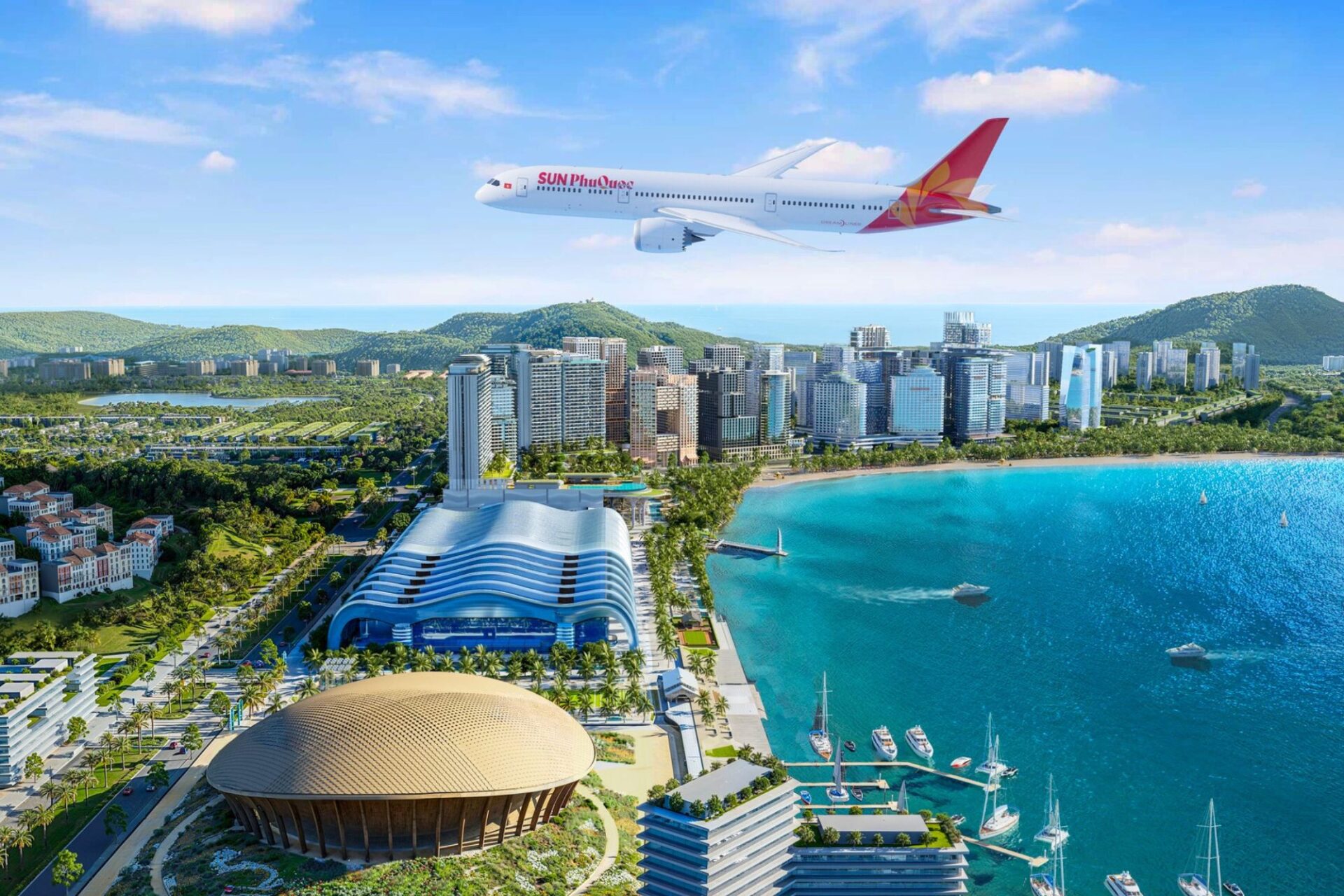
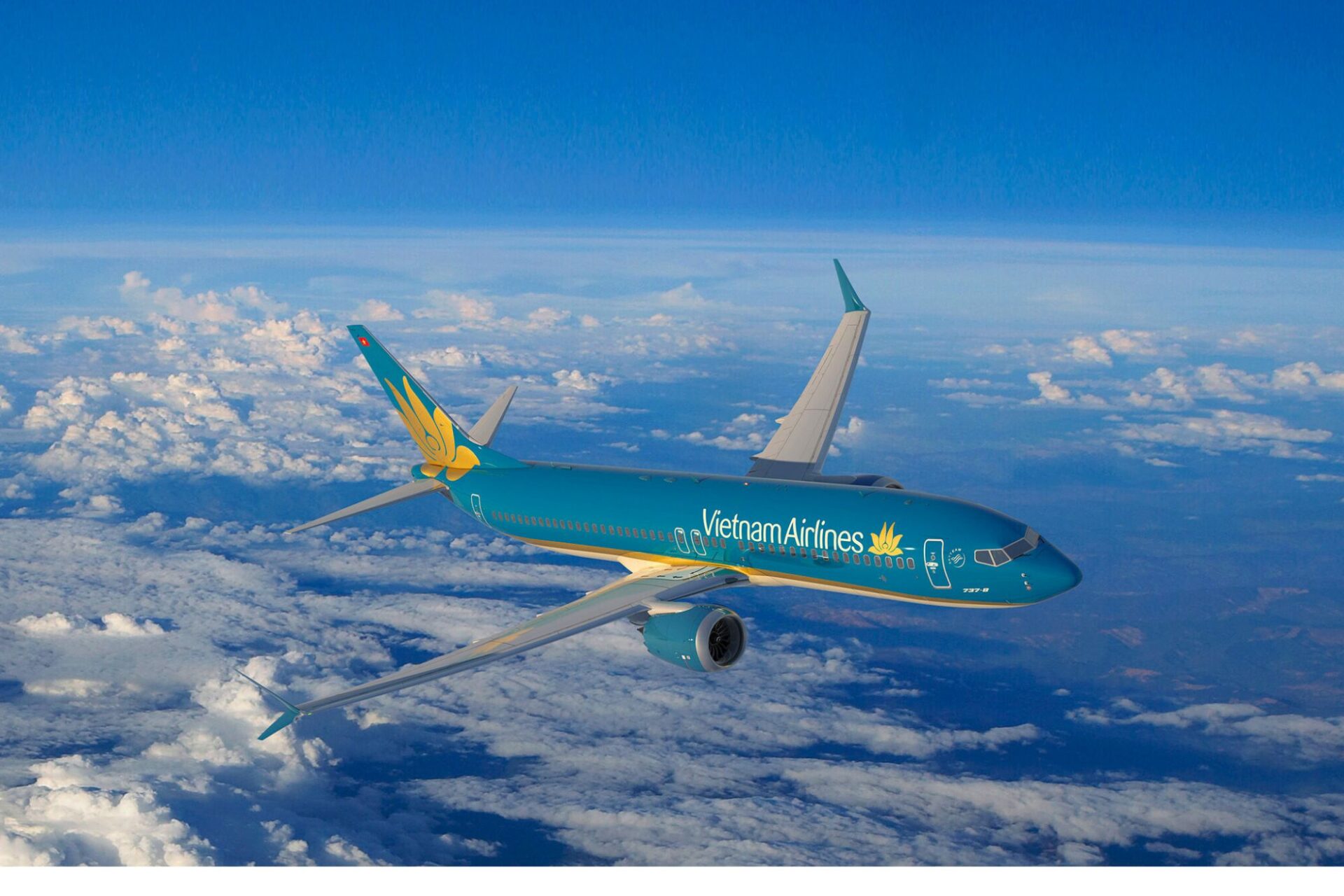
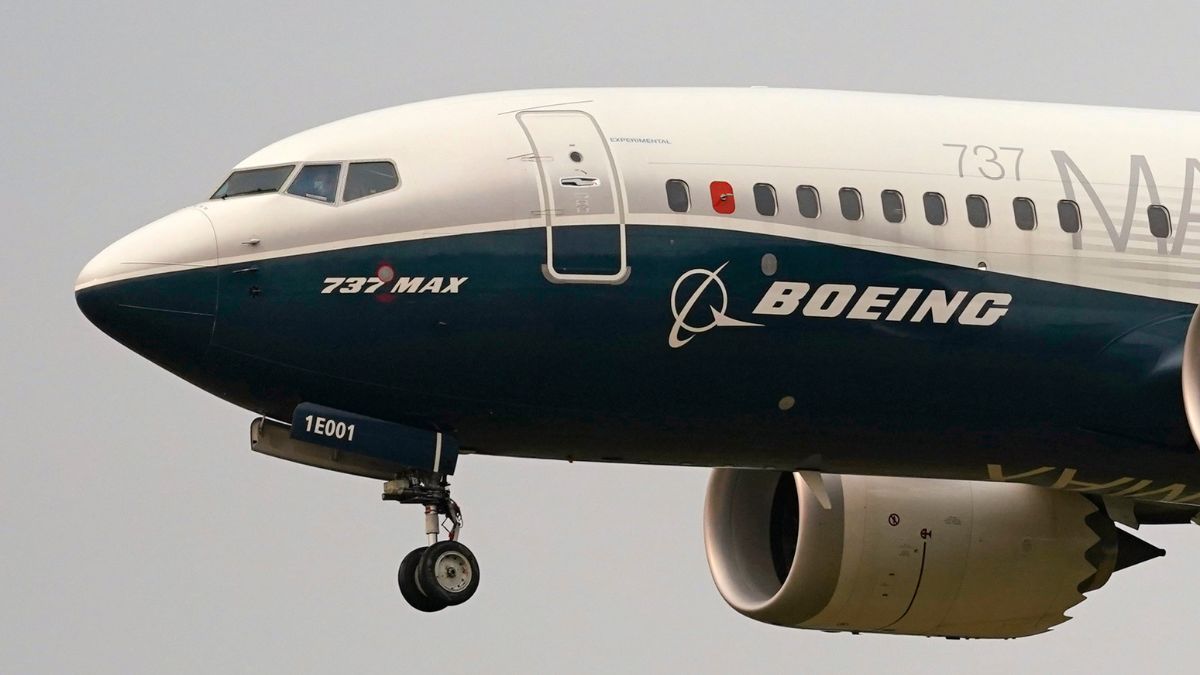
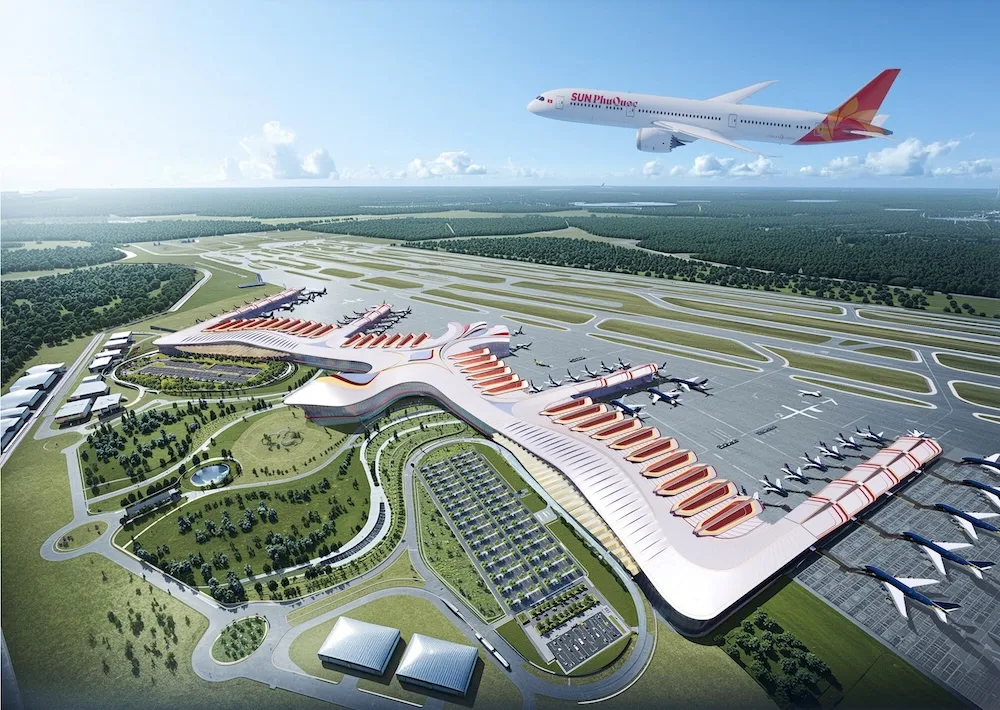
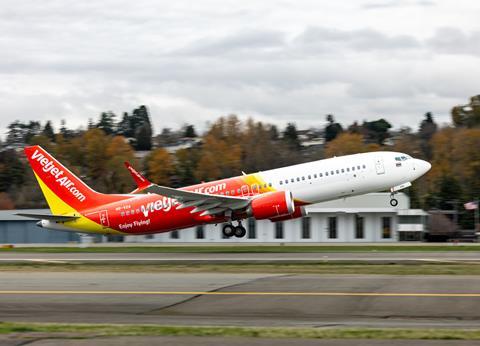
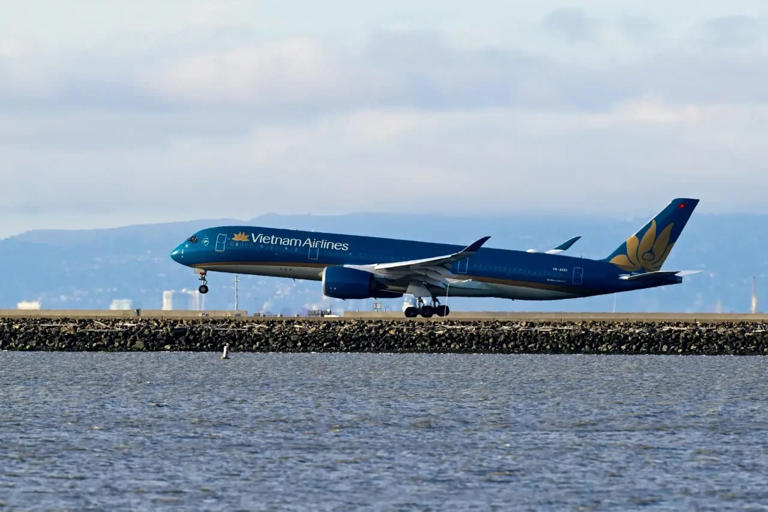
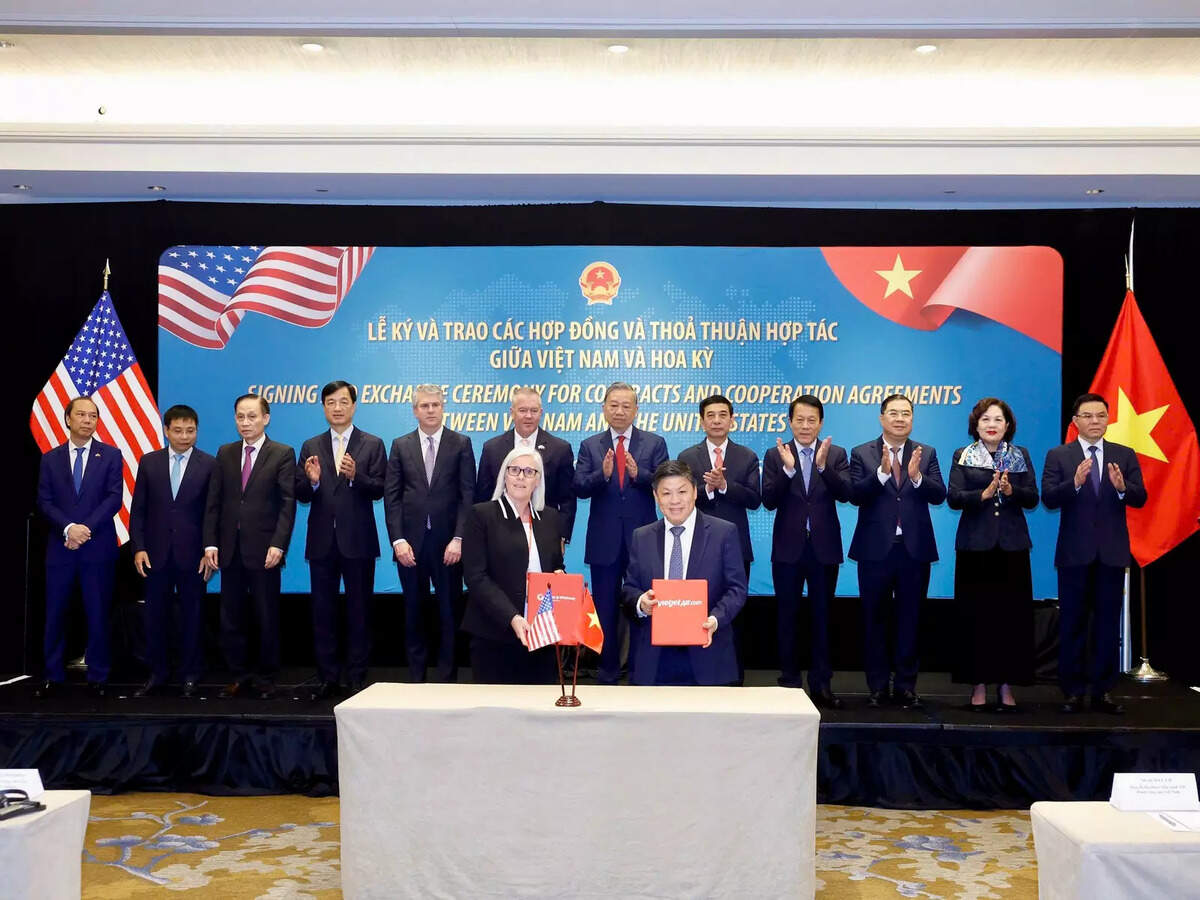
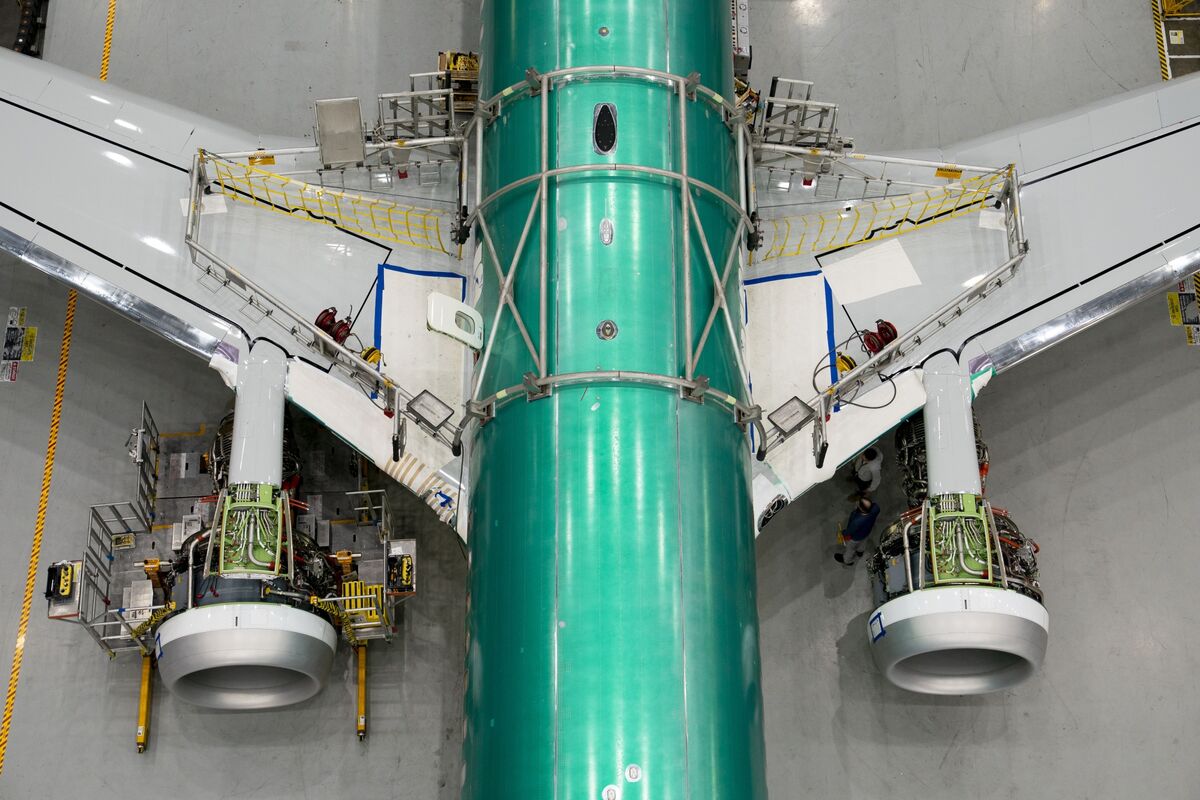
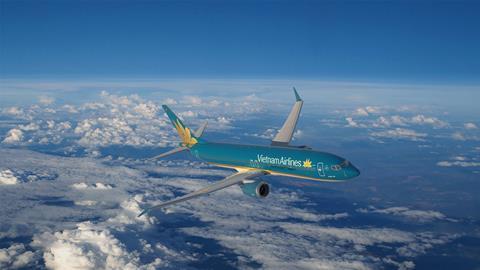
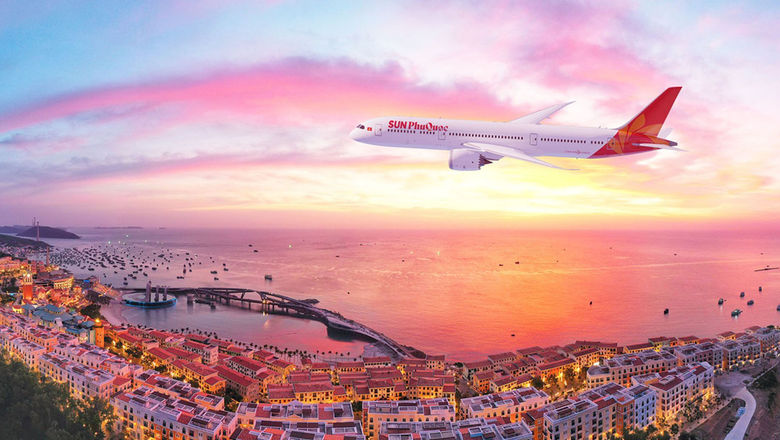
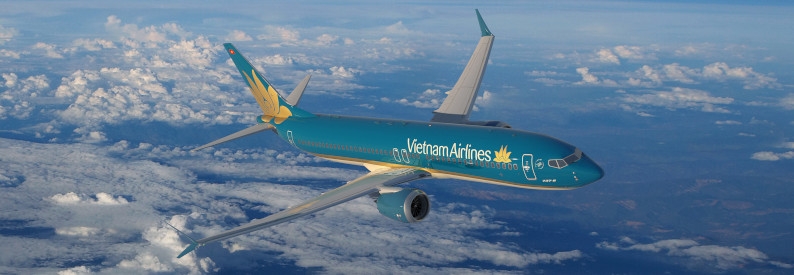
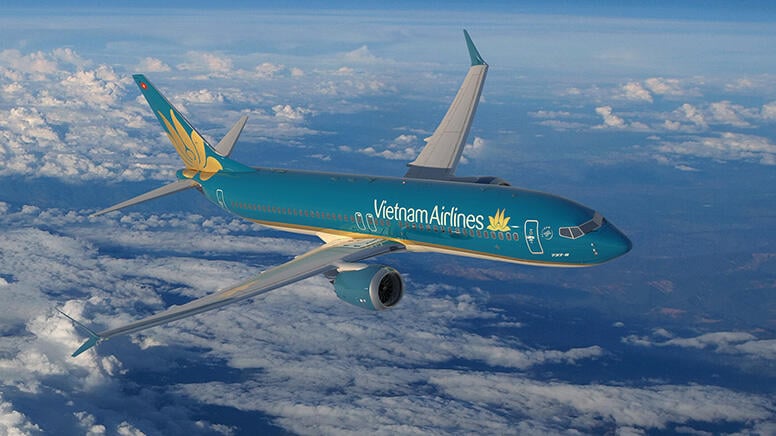
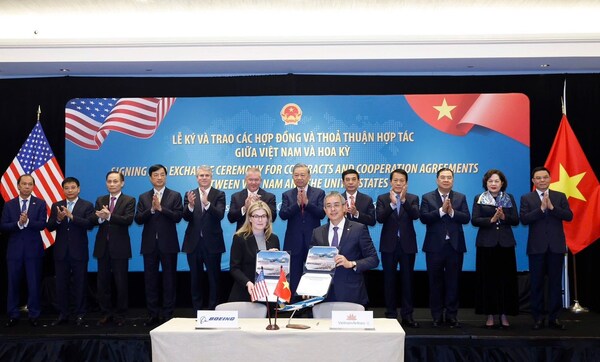
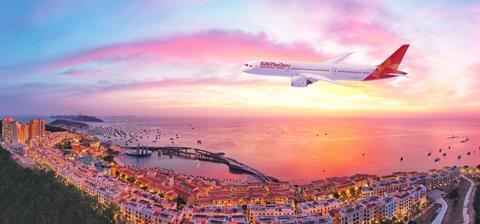
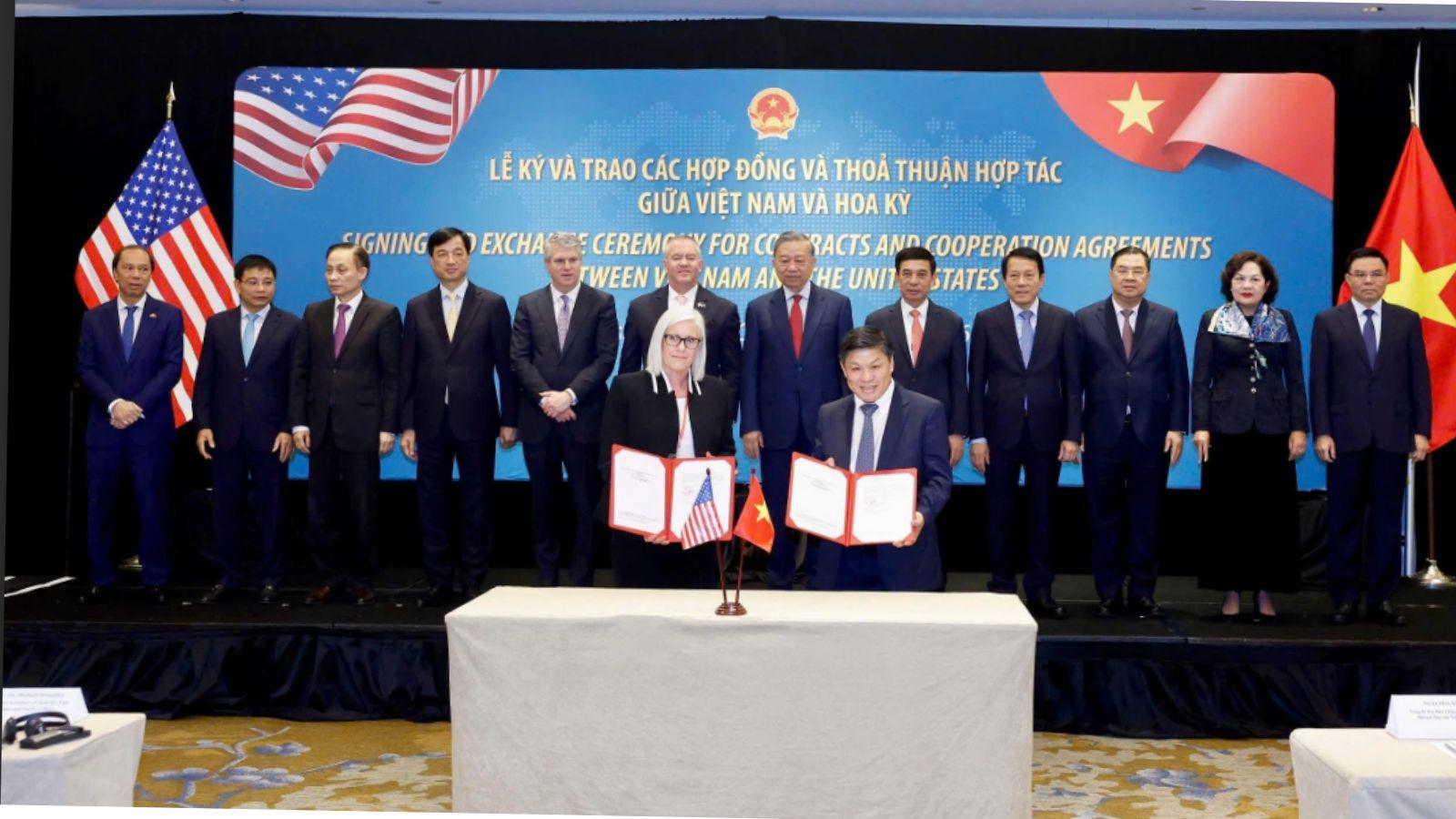
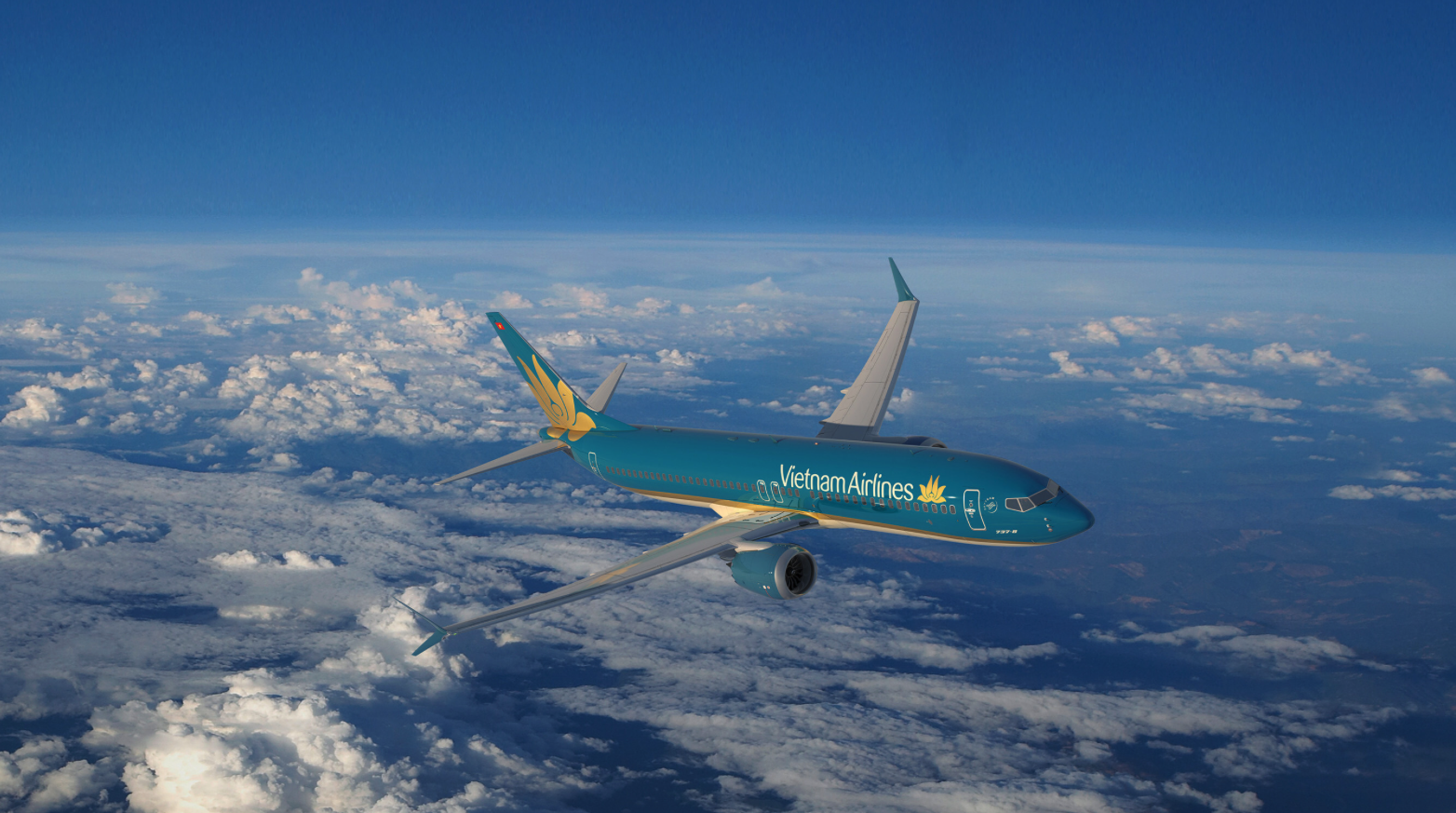
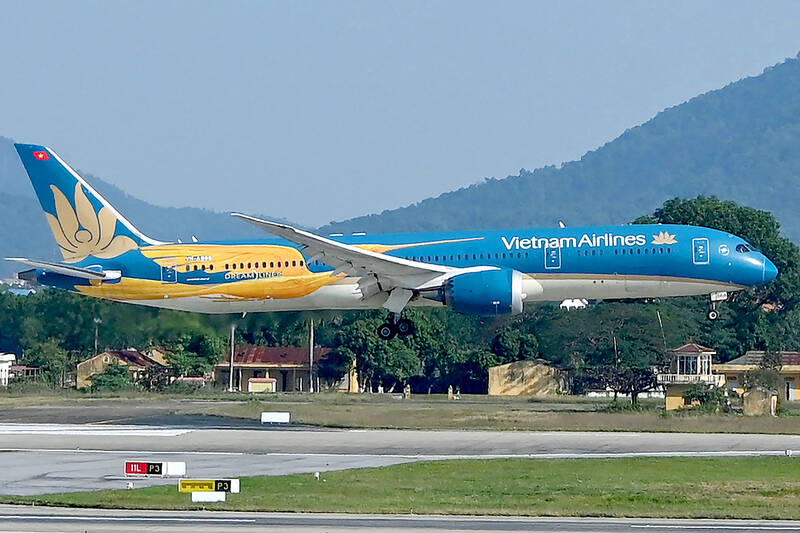
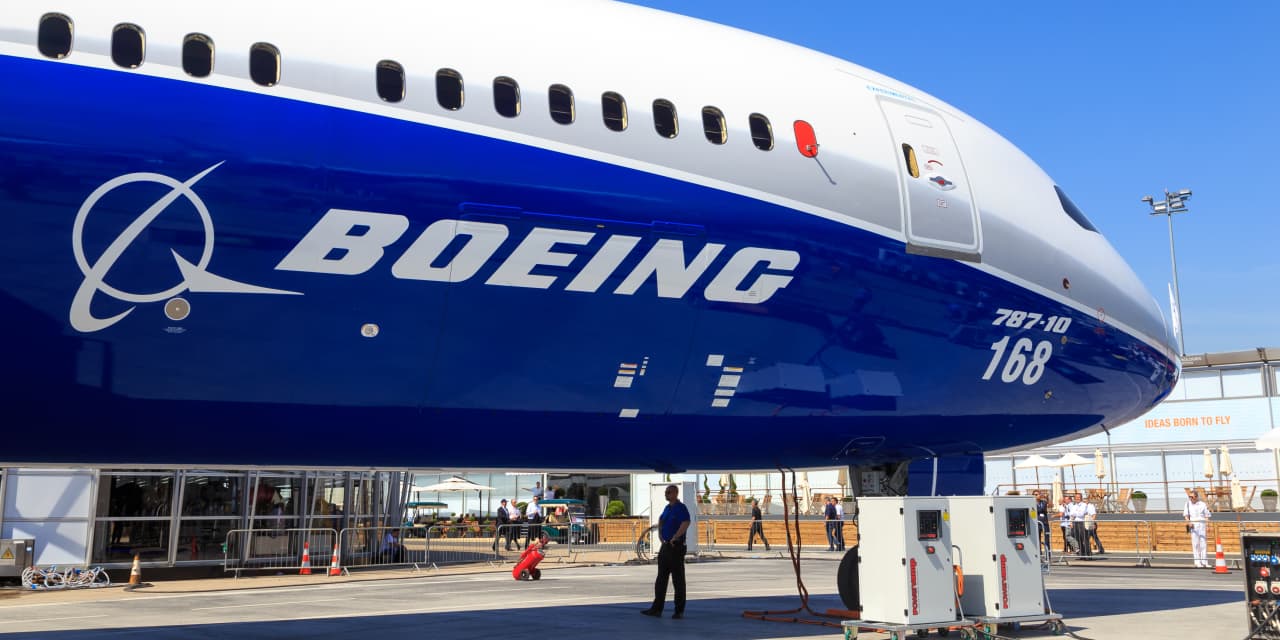
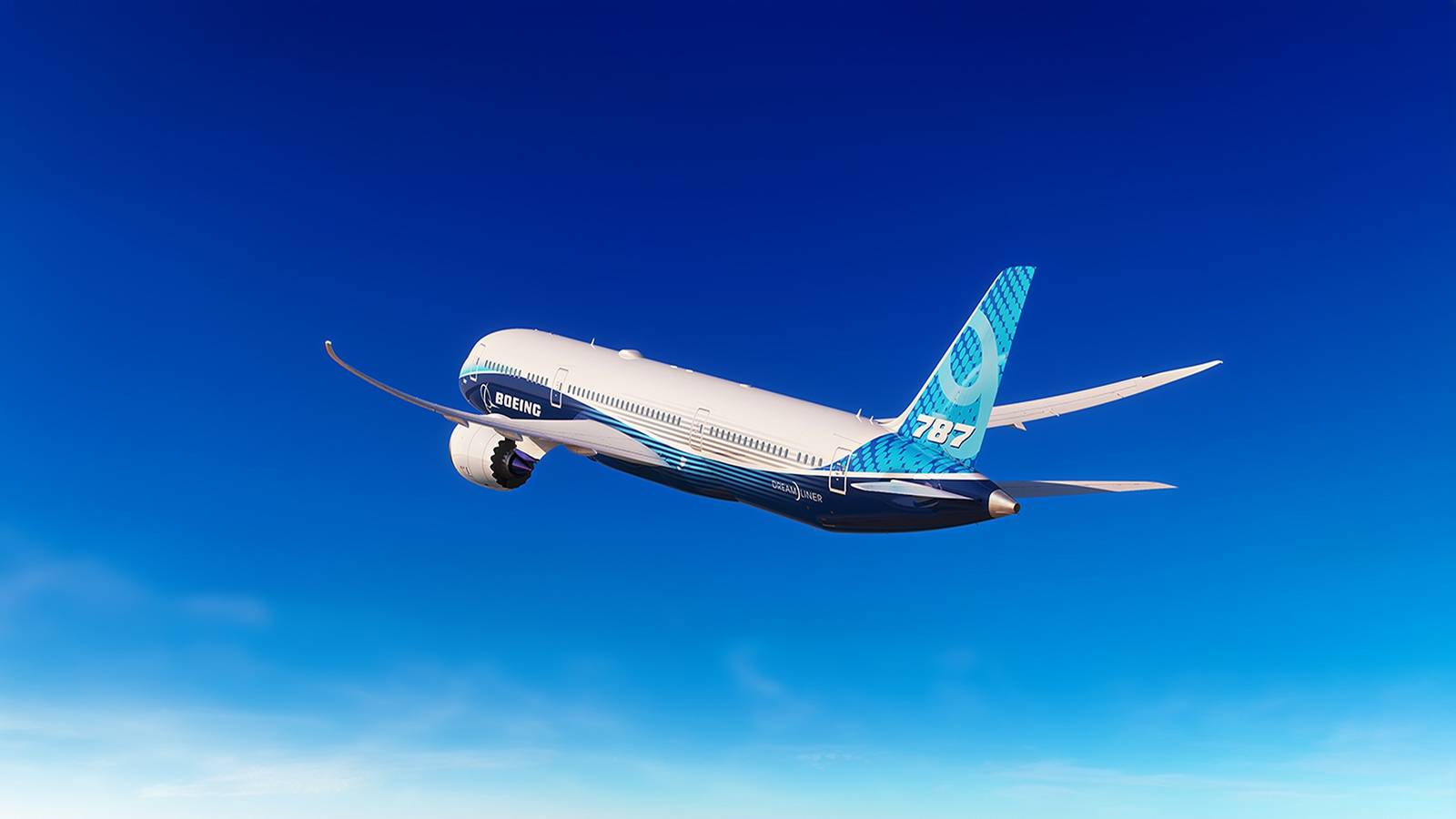
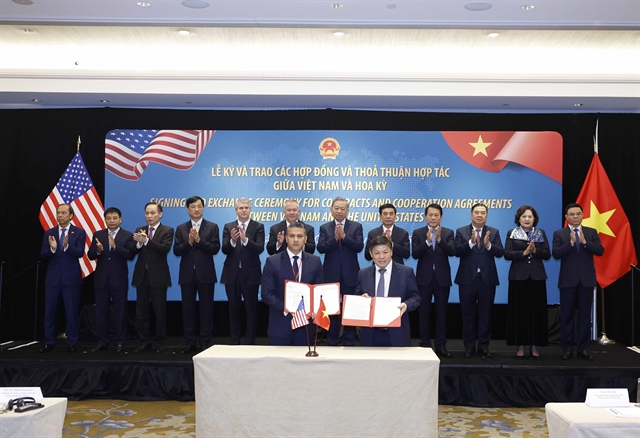
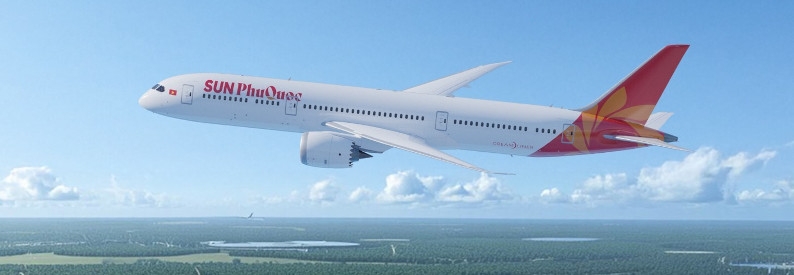
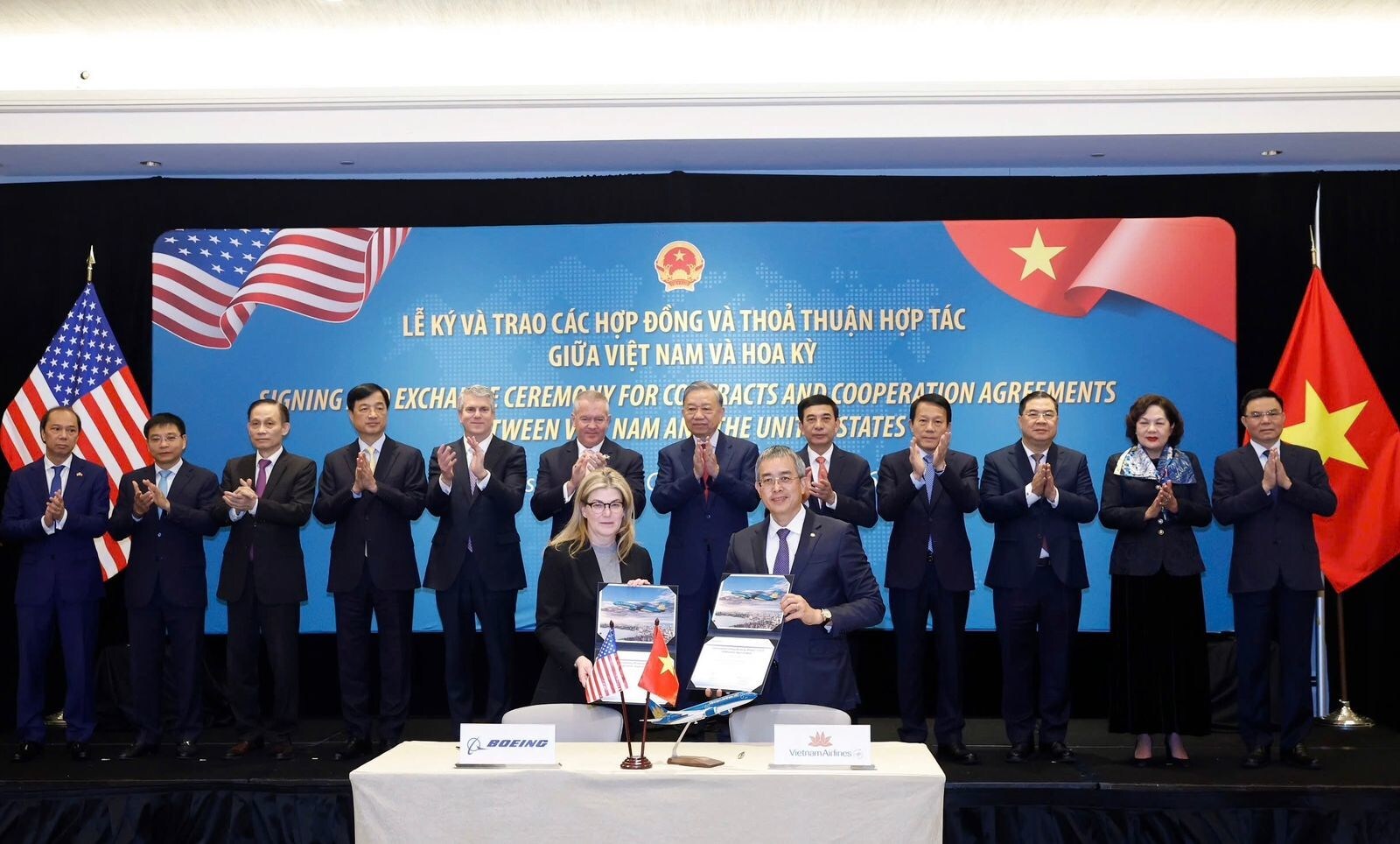
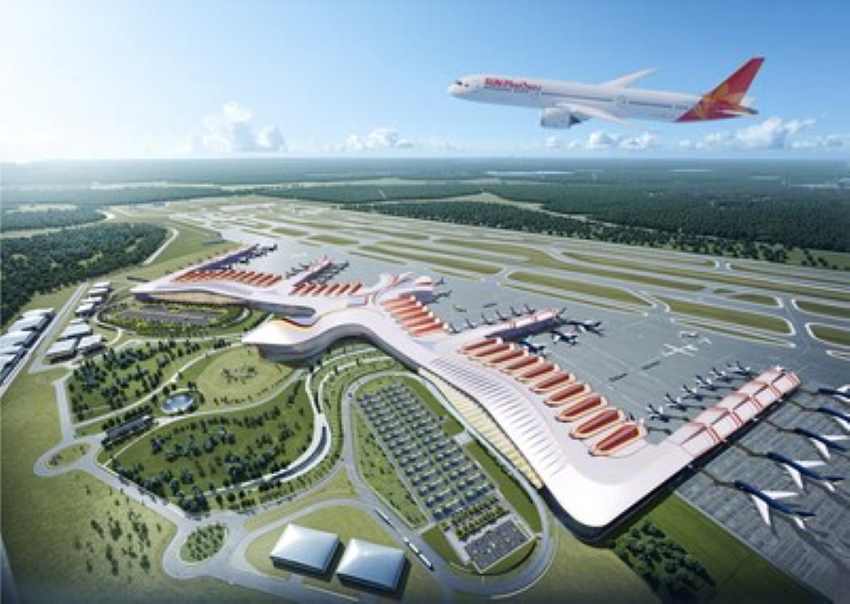
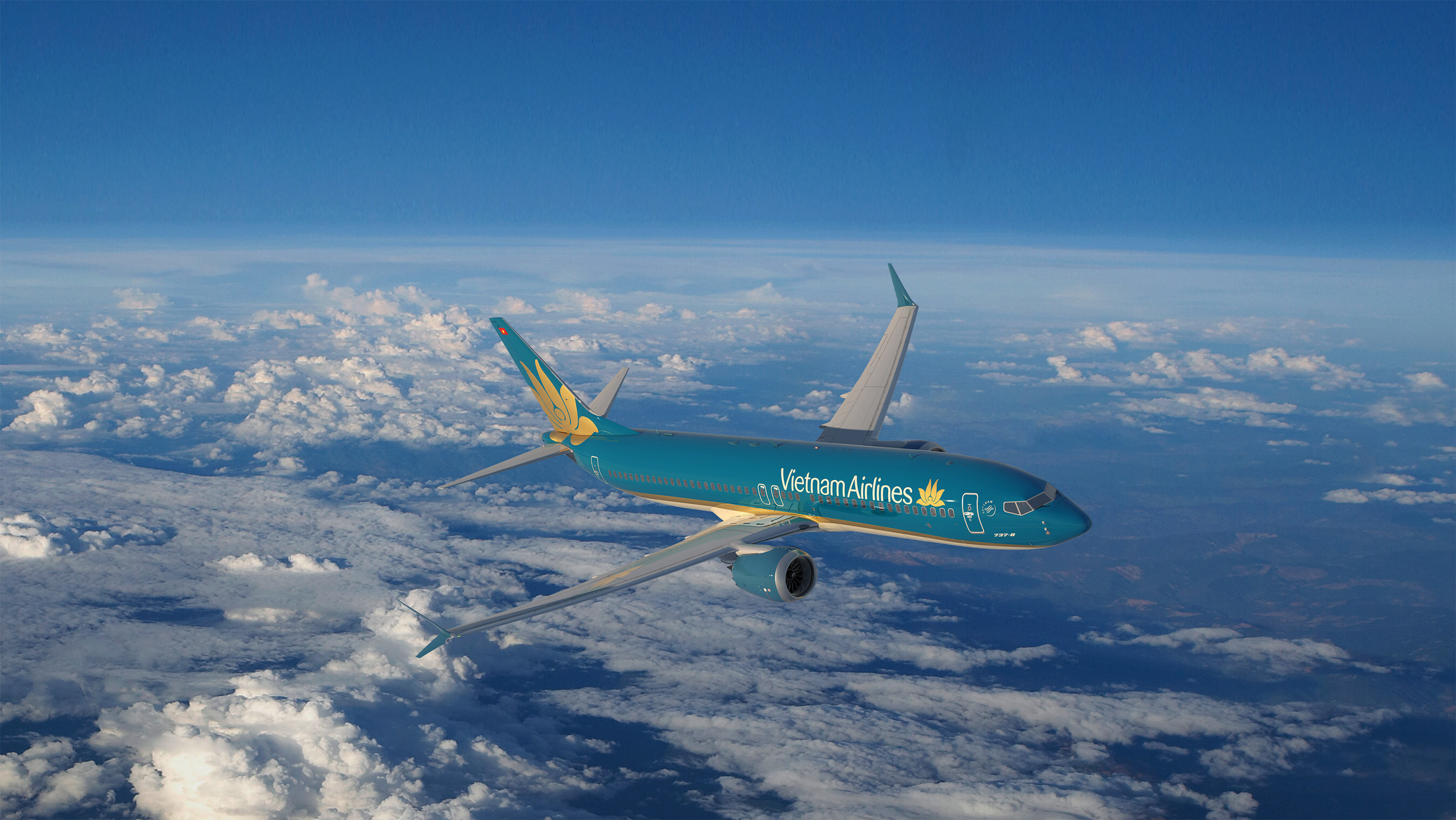
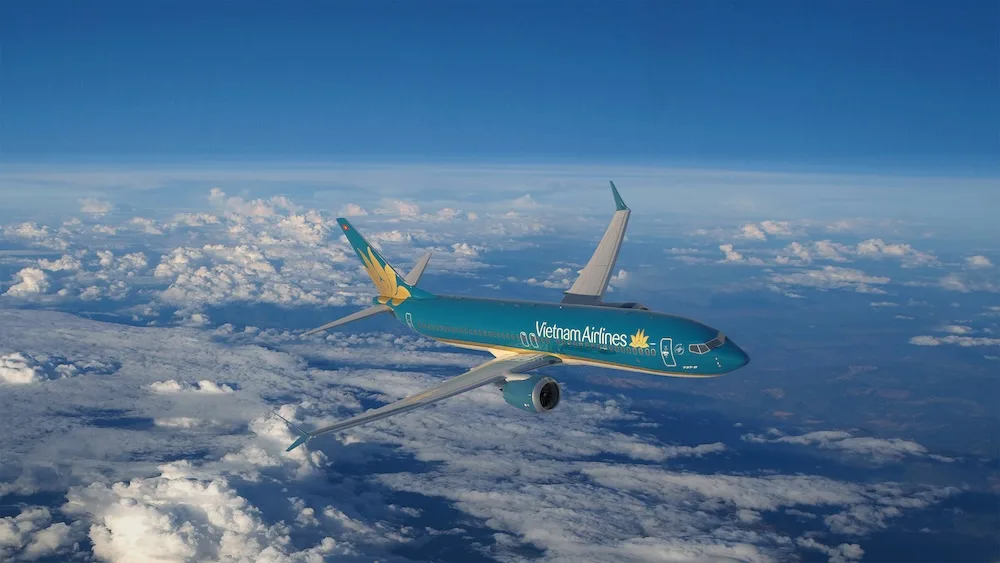
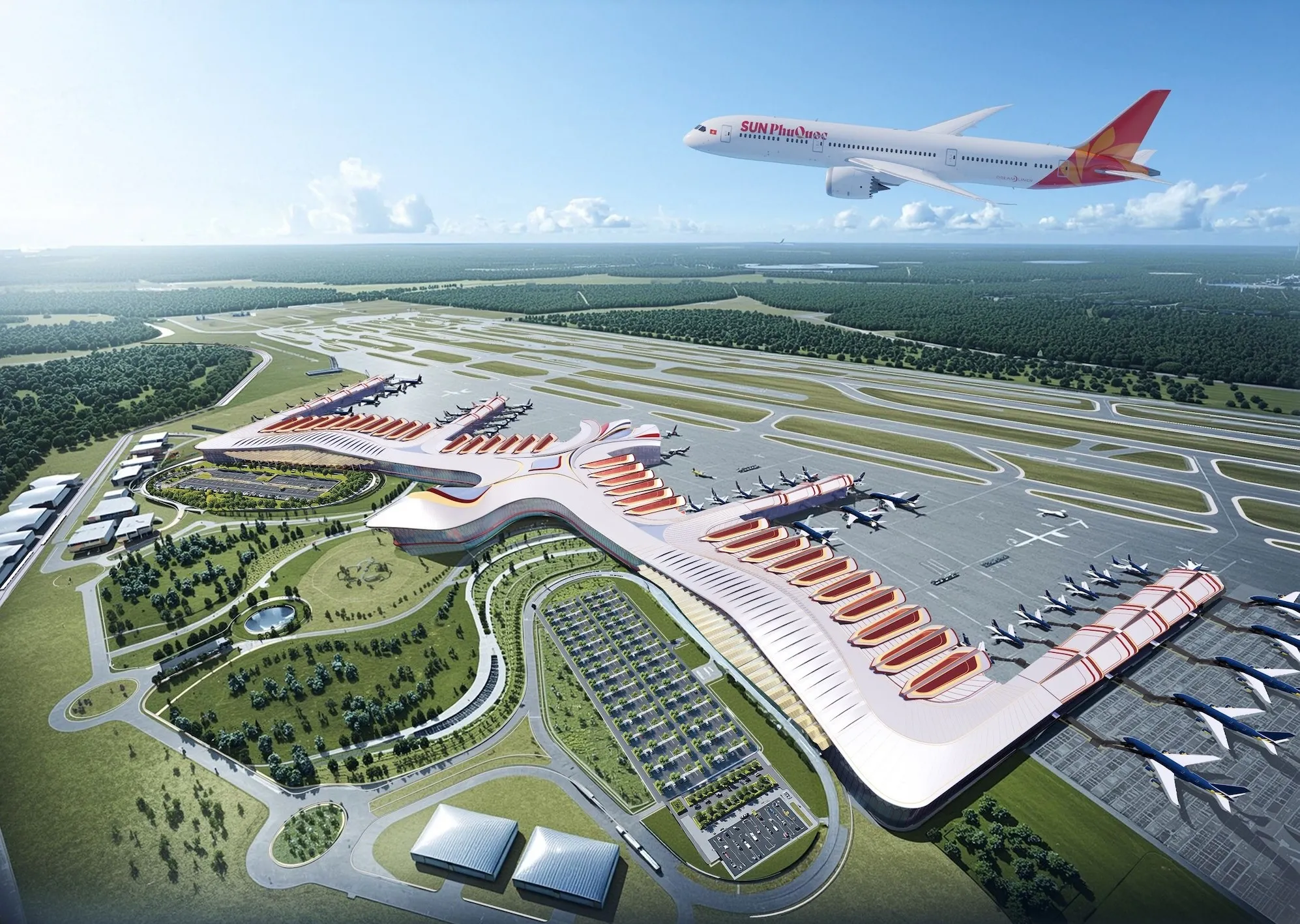
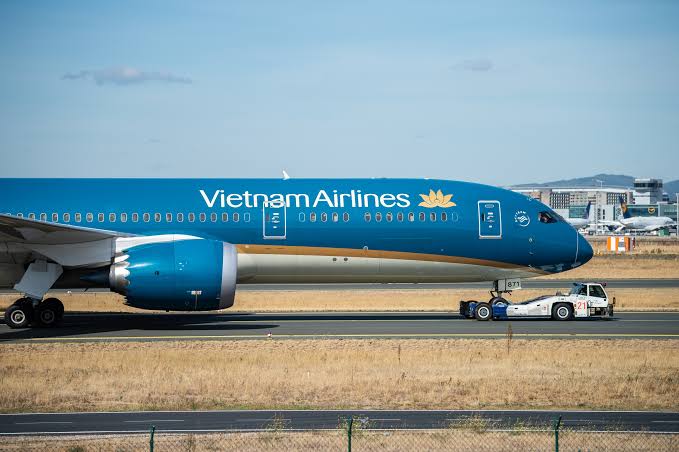
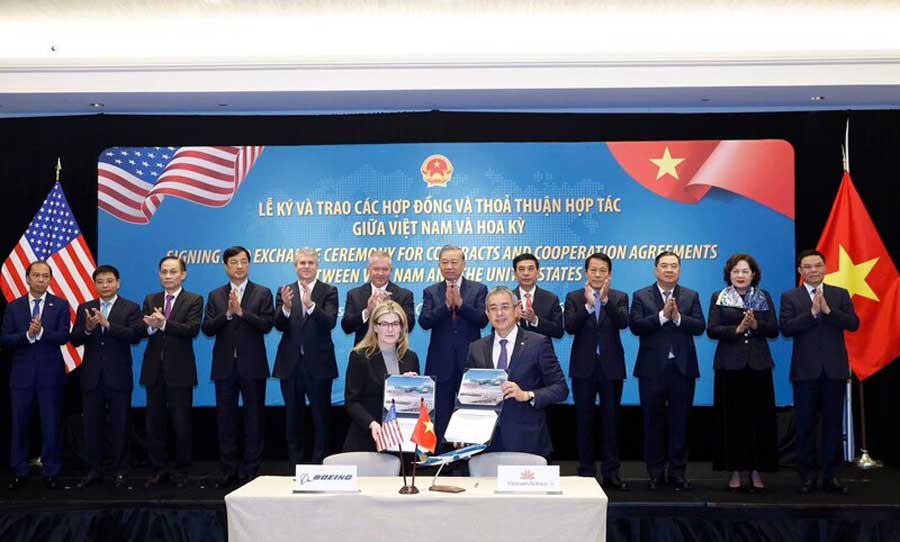
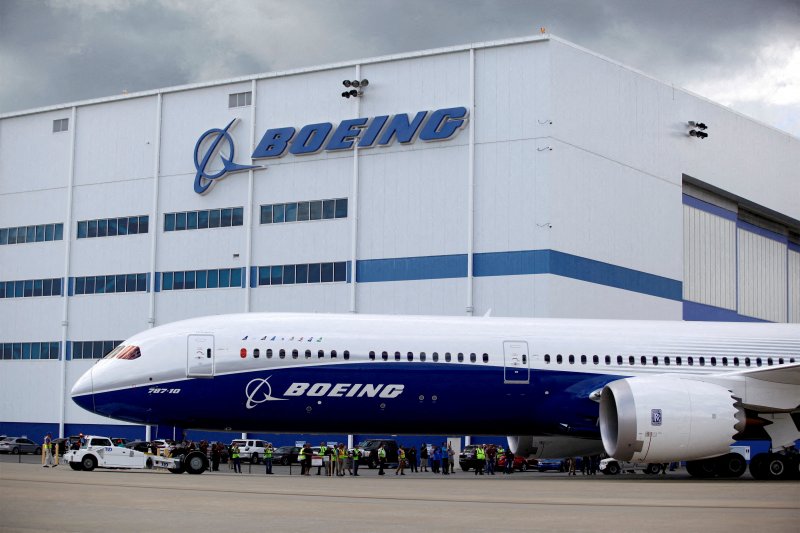
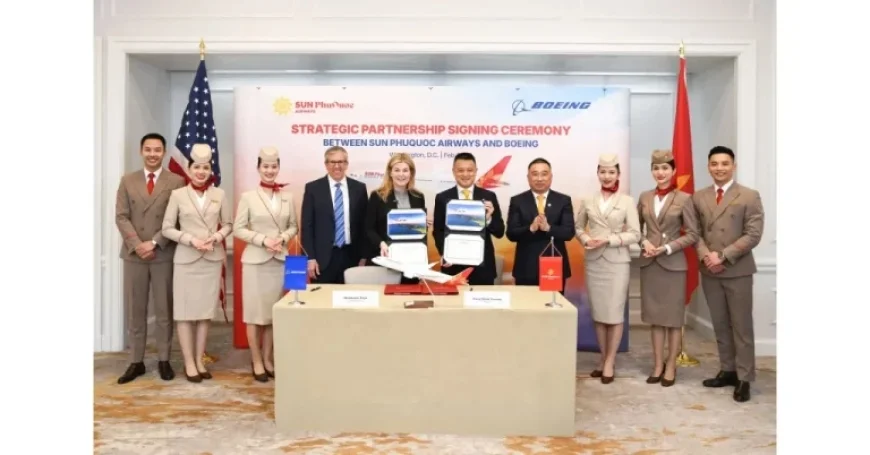
Vietnam's $30 billion Boeing aircraft acquisition—announced February 19, 2026, during Communist Party Chief To Lam's Washington visit—represents a transformational logistics infrastructure upgrade with direct cost implications for cross-border e-commerce sellers. The deal encompasses 50 Boeing 737 MAX jets for Vietnam Airlines ($8 billion), 30 Boeing 787 Dreamliners for Sun PhuQuoc Airways ($22.5 billion), and 6 Boeing 737 aircraft for VietJet ($965 million), collectively adding nearly 100 aircraft to Southeast Asian cargo capacity. This infrastructure investment occurs amid active U.S.-Vietnam trade negotiations, signaling imminent tariff reductions and improved market access for sellers importing Vietnamese-manufactured electronics, textiles, and consumer goods.
For sellers sourcing from Vietnam, the immediate impact is quantifiable: expanded air cargo capacity typically reduces freight costs 12-18% within 18-24 months of fleet deployment. Vietnam Airlines' fleet expansion directly enhances U.S.-Vietnam connectivity, with new 787 Dreamliners supporting long-haul cargo operations to North America and Europe. Sellers relying on air freight for perishable goods (seafood, agricultural products, HS codes 0302-0307), electronics (HS codes 8471-8517), and textiles (HS codes 6204-6209) will see transit time reductions from 8-10 days to 5-7 days, enabling faster inventory turnover and reduced working capital requirements. The diplomatic context matters critically: major infrastructure investments in Southeast Asia historically precede tariff liberalization within 12-18 months. Sellers should anticipate potential tariff reductions on Vietnamese-origin products in the 5-8% range, particularly in electronics and apparel categories where Vietnam competes directly with China-sourced alternatives.
Strategic sourcing shifts are already underway. Vietnam's emergence as a manufacturing hub alternative to China accelerates with improved logistics infrastructure. Sellers currently sourcing electronics from China (HS 8471-8517) can achieve 15-22% cost savings by shifting to Vietnamese suppliers when factoring in tariff differentials and freight cost reductions. The timing window is critical: sellers should lock in Vietnamese supplier relationships and negotiate long-term pricing agreements before tariff reductions trigger competitive price compression. Sun PhuQuoc Airways' new international routes to Phu Quoc island create emerging fulfillment opportunities for sellers targeting Southeast Asian consumers through Shopee, Lazada, and TikTok Shop, with potential 20-30% reduction in intra-regional shipping costs. The $30 billion investment signals sustained economic confidence in Vietnam's trade growth, supporting business cases for sellers establishing 3PL operations or fulfillment centers in Vietnam to serve North American and European markets.
問題 7
Should sellers shift sourcing from China to Vietnam based on this infrastructure investment?
Yes, for electronics and apparel categories. Vietnam sourcing offers 15-22% total cost savings versus China when combining tariff differentials (5-8% reduction), freight cost reductions (12-18%), and labor cost advantages (8-12% lower manufacturing costs). The timing window is critical: sellers should negotiate 12-24 month supplier agreements before tariff reductions trigger competitive price compression. However, verify supplier capacity and quality certifications before committing volume. Start with 20-30% of current China sourcing, monitor performance for 2-3 months, then scale if quality and delivery metrics meet standards.
Which product categories benefit most from Vietnam's expanded air cargo capacity?
Perishable goods (seafood HS 0302-0307, agricultural products HS 0701-0714), electronics (HS 8471-8517), and textiles (HS 6204-6209) benefit most from reduced air freight costs and faster transit times. Seafood sellers gain 3-5 day freshness advantage, enabling premium pricing in North American markets. Electronics sellers reduce inventory carrying costs by 15-20% through faster turnover. Textile sellers can respond to fast-fashion demand within 7-10 days instead of 14-21 days via ocean freight. High-value items (jewelry, watches HS 9101-9105) also benefit from reduced insurance costs on shorter transit times.