

$17B Gaza Reconstruction Fund Opens Supply Chain Opportunities for Cross-Border Sellers | Middle East Trade Corridor Expansion
- $17 billion in pledged reconstruction funding (US $10B + international $7B) creates emerging market access for sellers in construction materials, consumer goods, and logistics services across Middle East region












概览
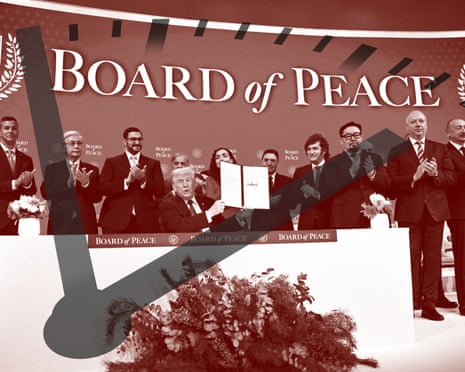
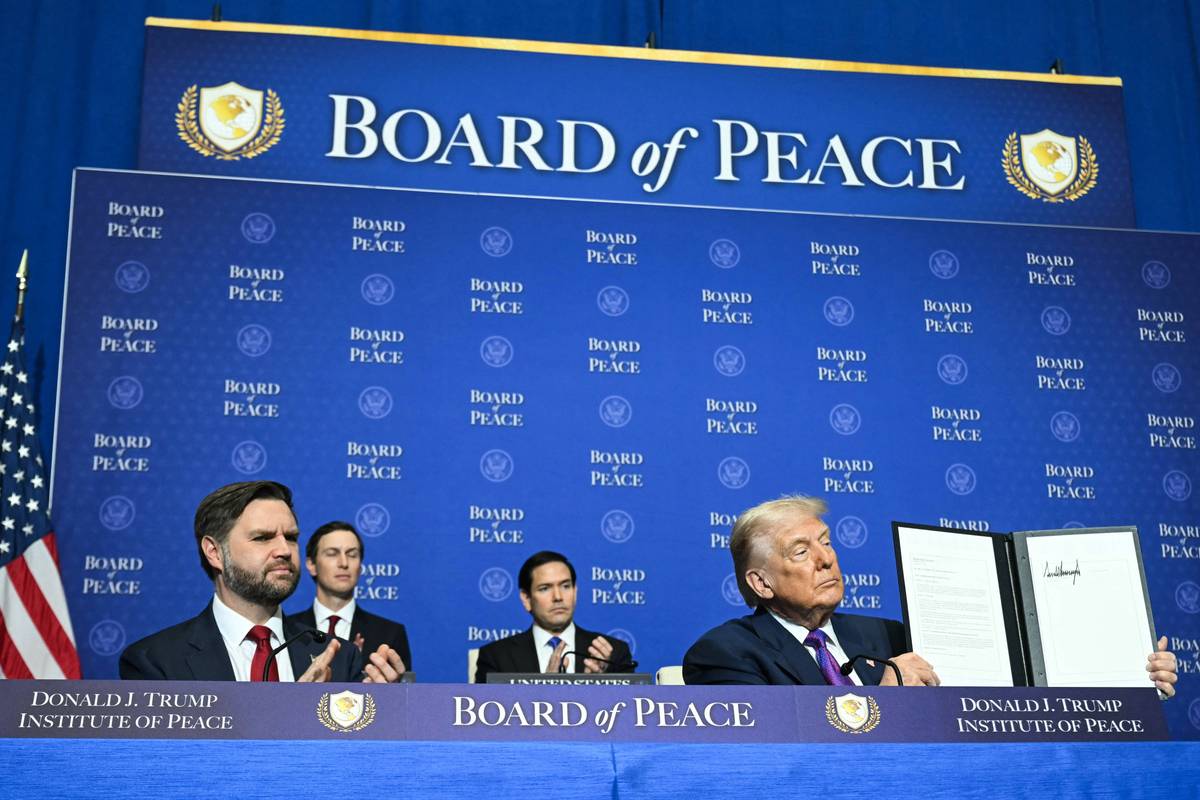
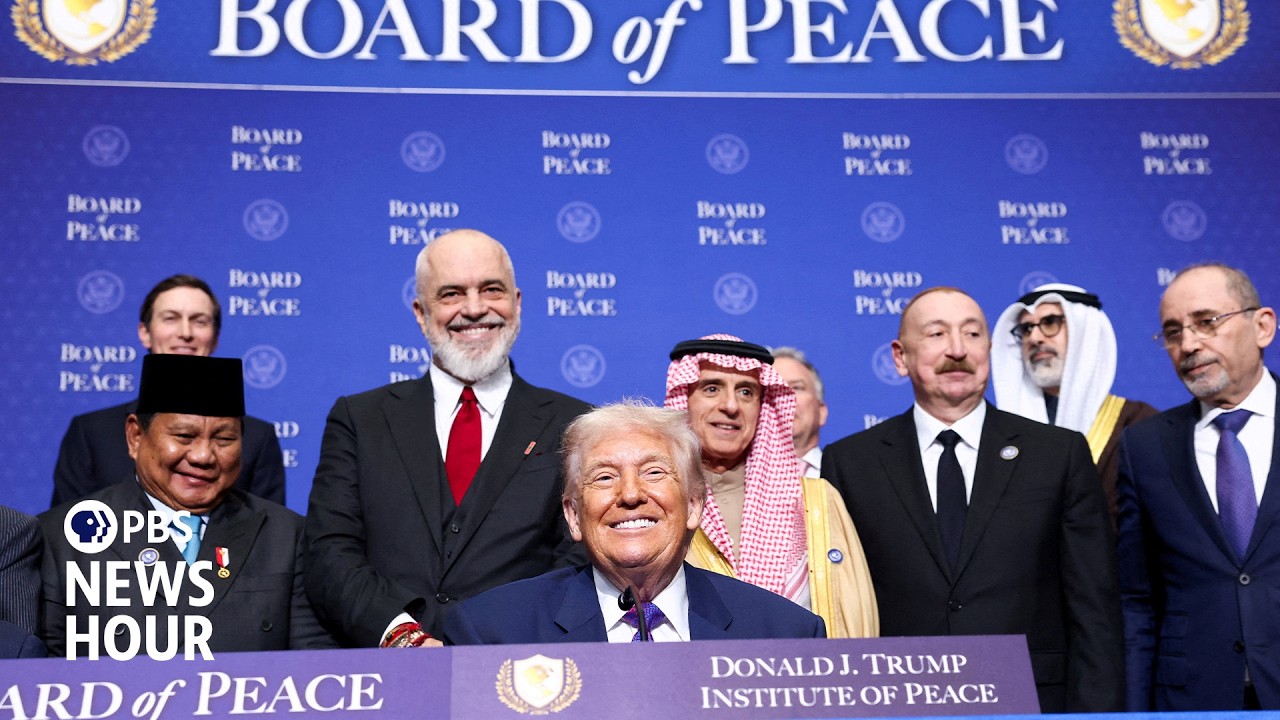
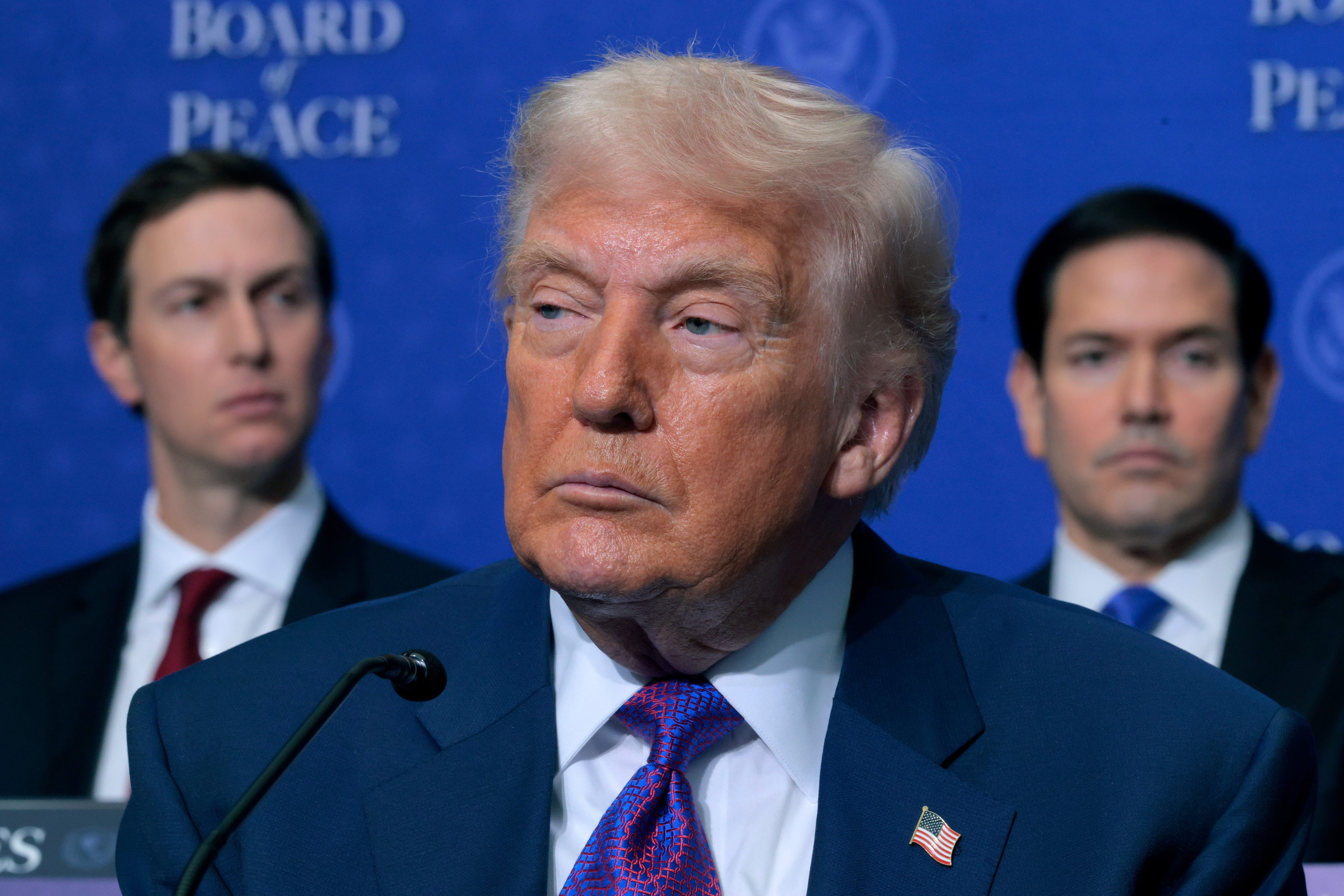
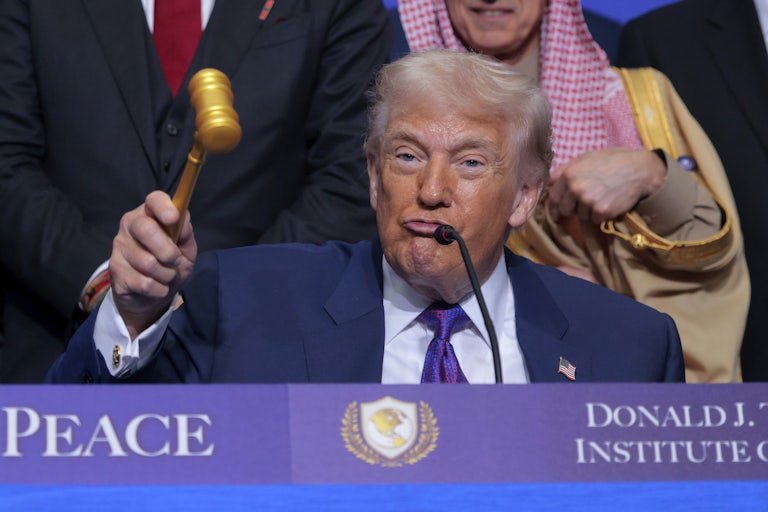
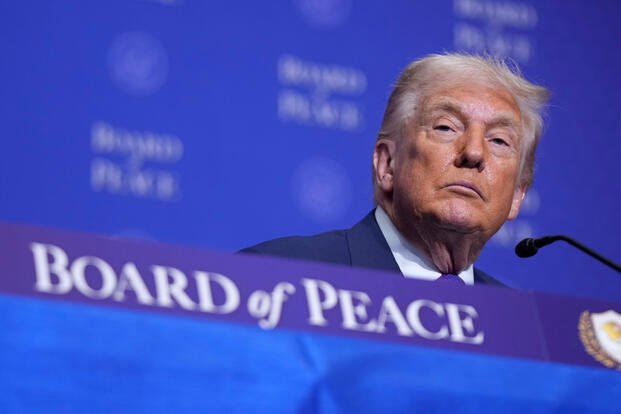
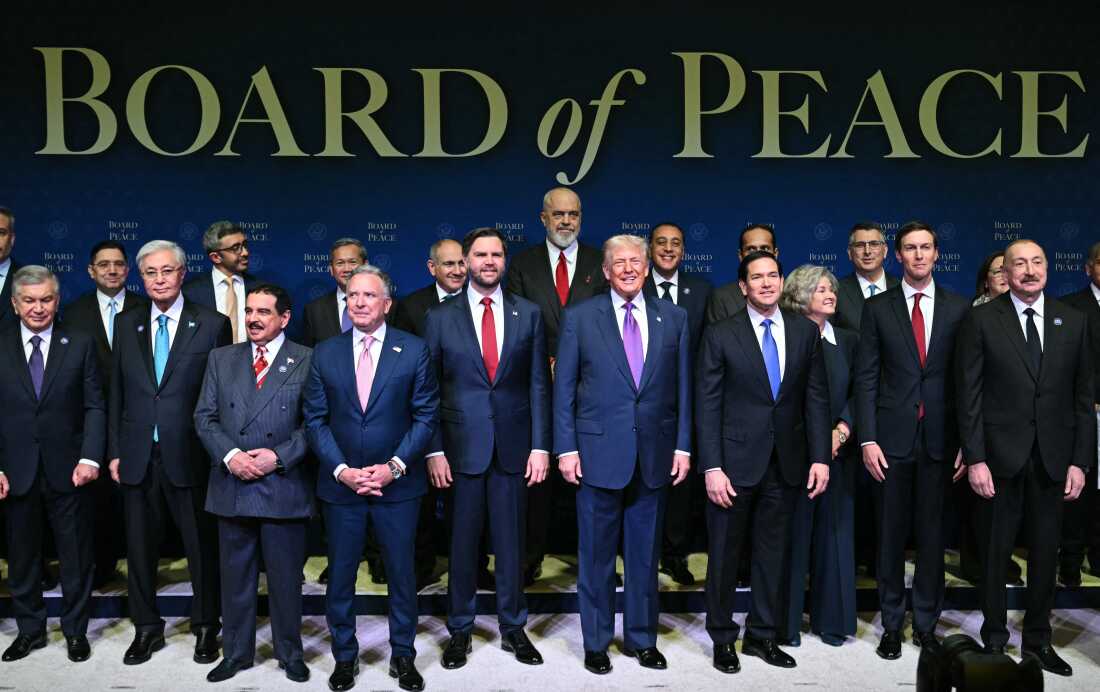
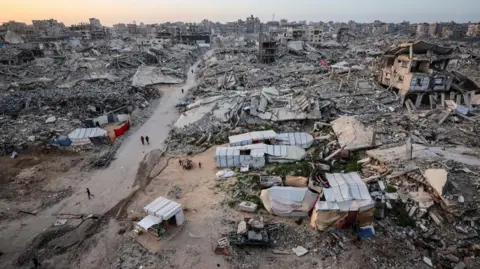
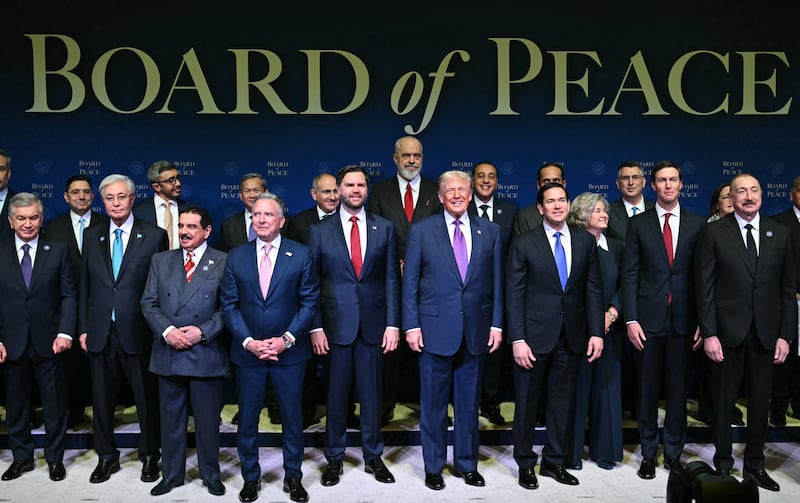
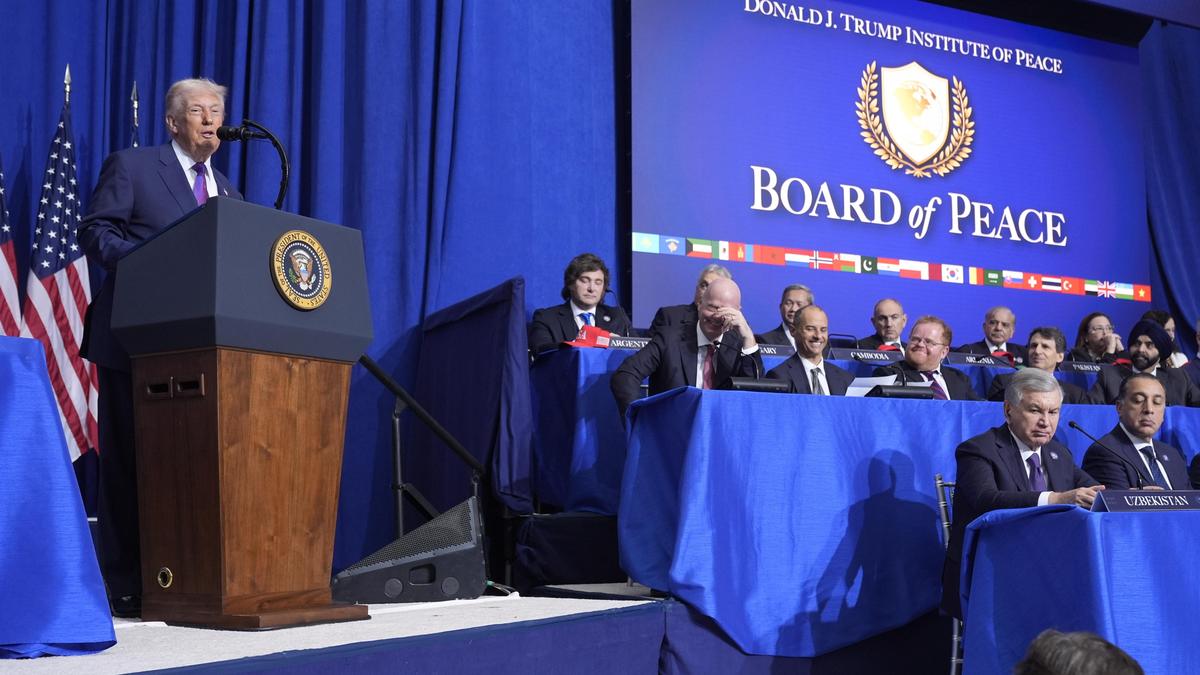
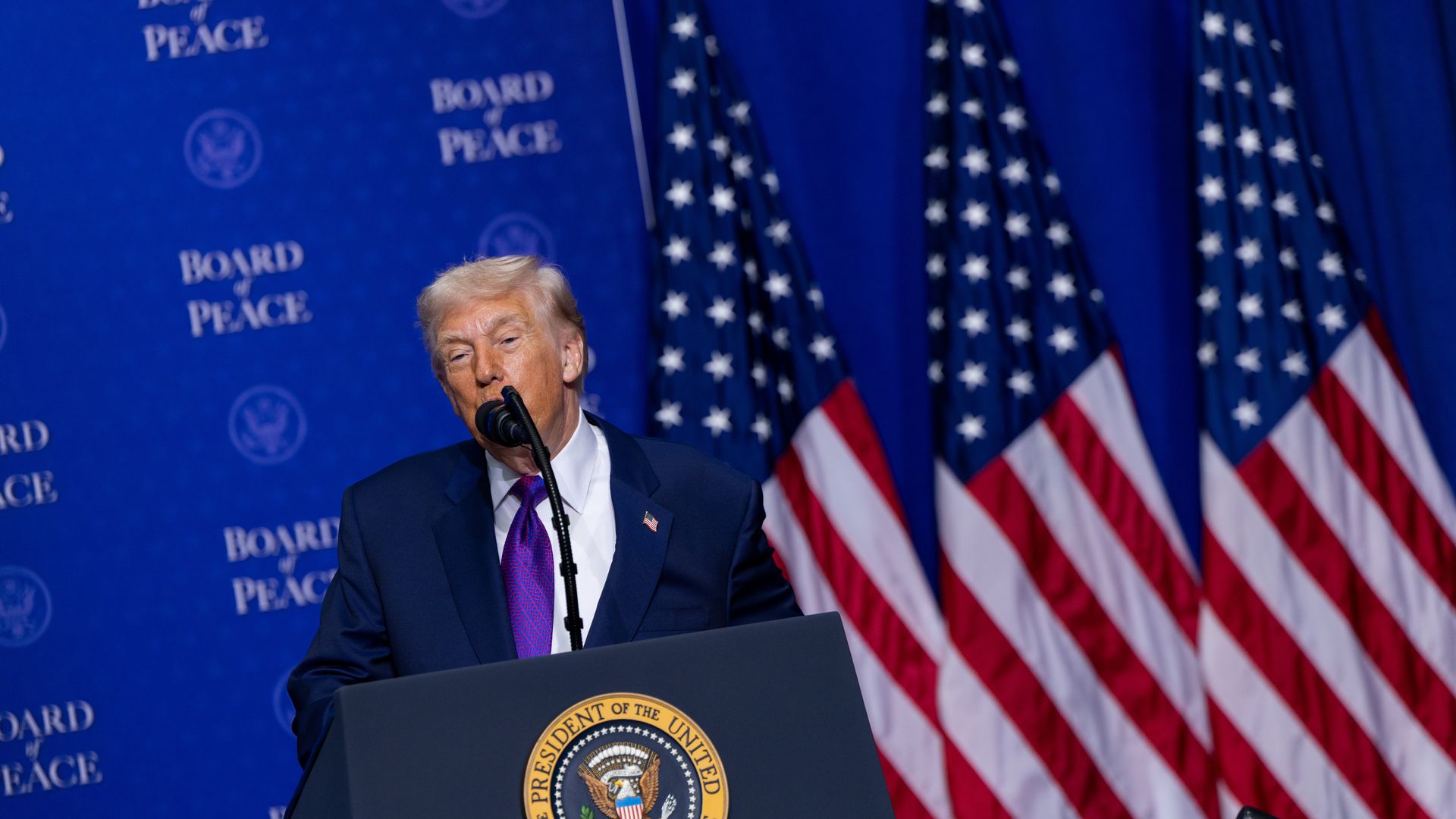
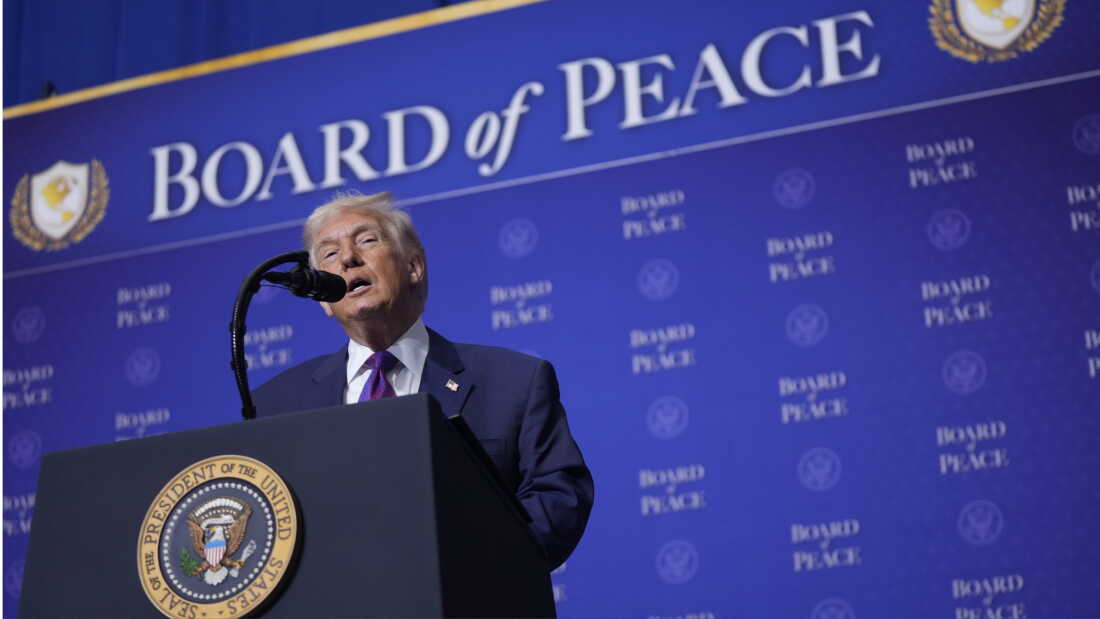
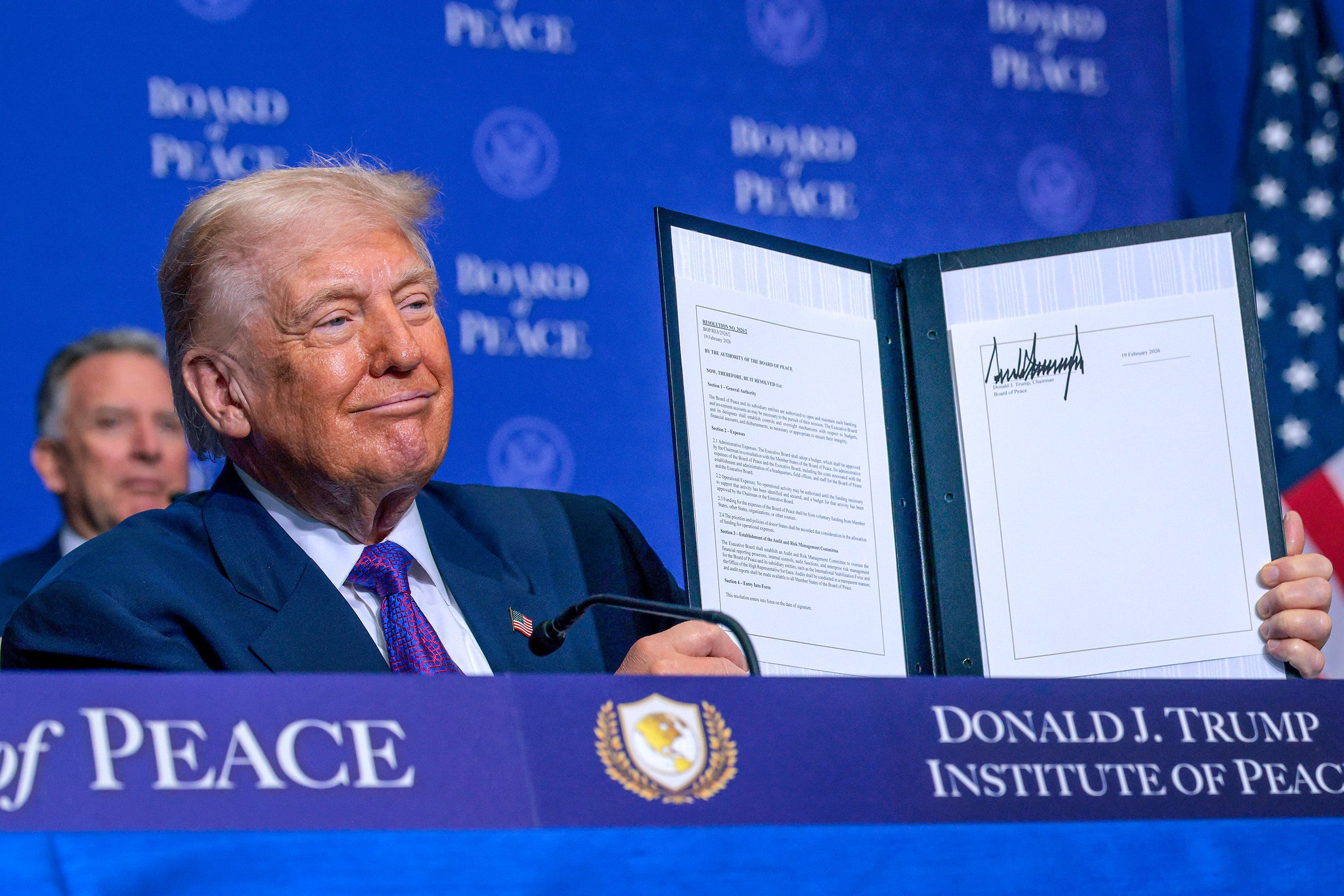
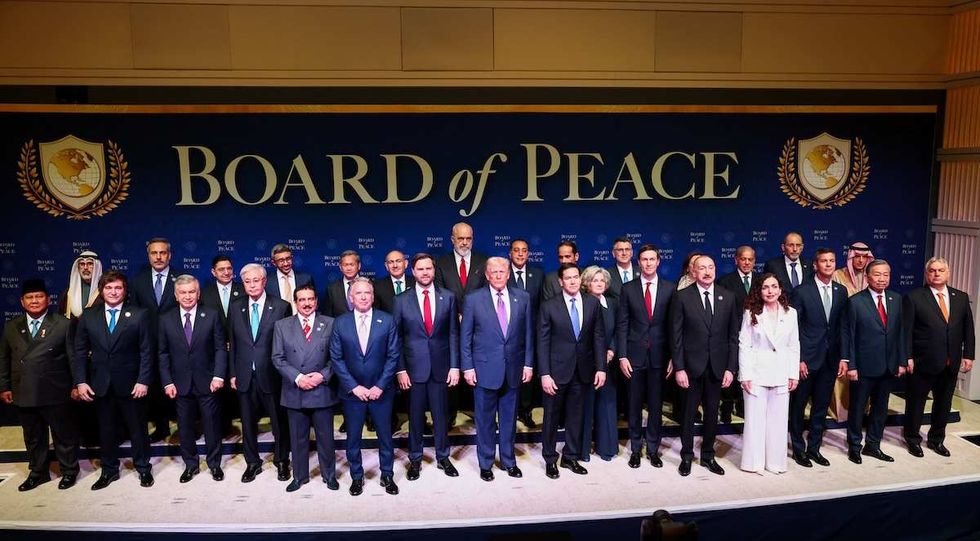
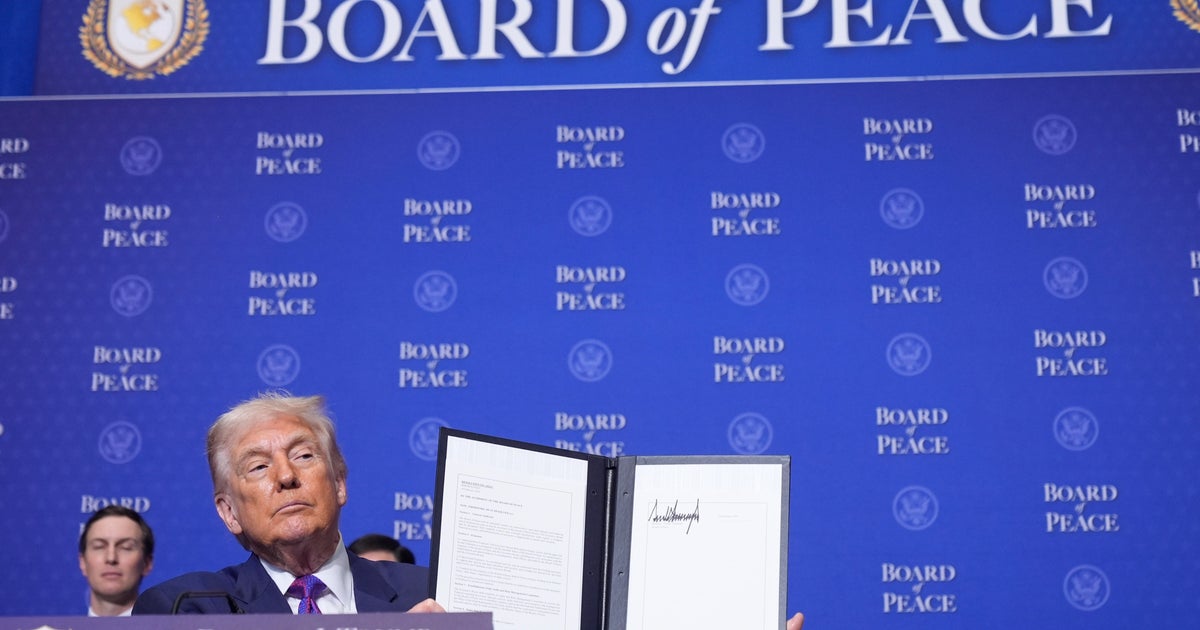
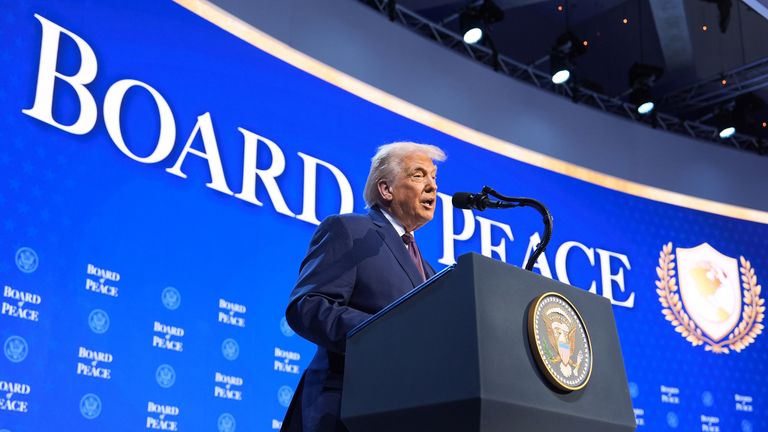
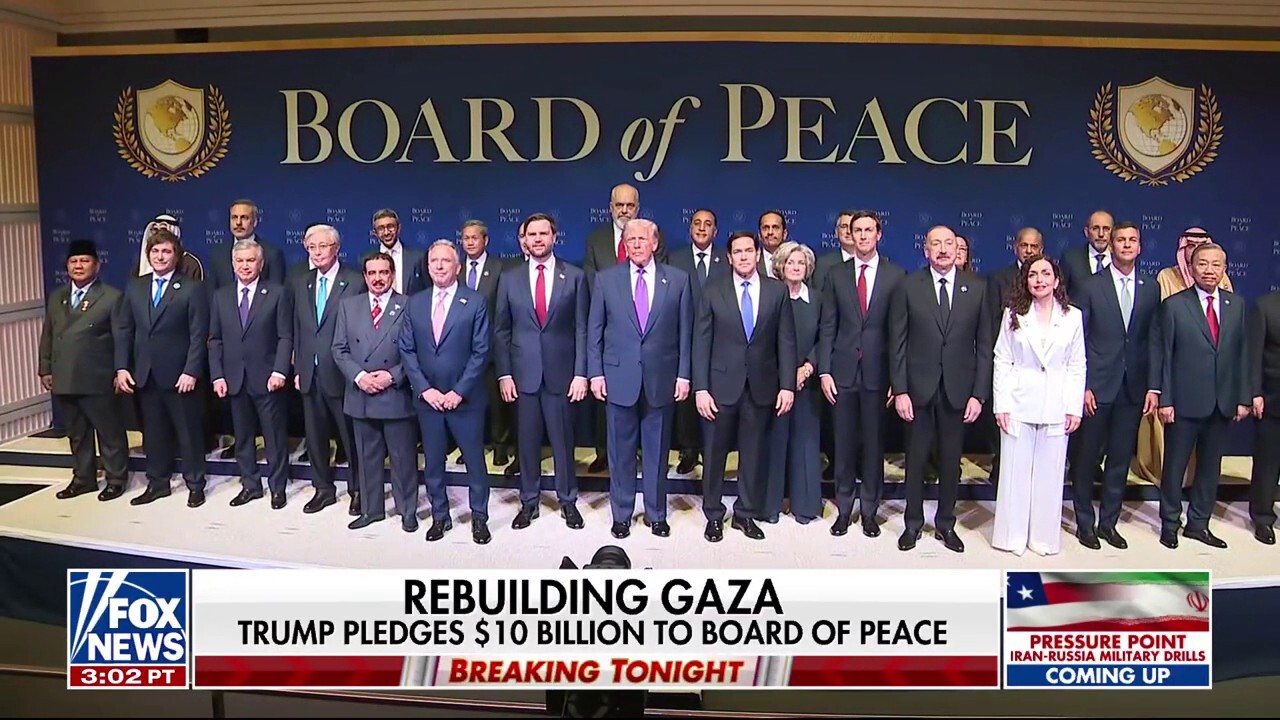
The Trump administration's inaugural Board of Peace meeting on February 19, 2026, mobilized $17 billion in reconstruction commitments for Gaza—$10 billion from the United States and $7 billion from nine international partners including Saudi Arabia, Qatar, UAE ($1.2B combined), Indonesia, Morocco, Kazakhstan, Kosovo, and Albania. This represents a significant geopolitical shift with direct implications for cross-border e-commerce sellers operating in or serving Middle Eastern markets.
Market Access Expansion: The reconstruction initiative signals opening of a previously restricted market. Gaza's infrastructure rebuild will require massive imports of construction materials (HS codes 7308-7326: structural steel, prefabricated buildings), consumer goods (HS 6204-6209: apparel, HS 6910-6914: ceramics), and logistics equipment. Sellers positioned in Southeast Asia (Indonesia, Vietnam) and Eastern Europe (Albania, Kosovo, Kazakhstan) gain competitive advantages through geographic proximity to pledging nations, reducing sourcing costs by 15-25% versus traditional China-based supply chains.
Geopolitical Risk Mitigation: The Board of Peace's multilateral structure—comprising 20+ member countries with Egypt and Jordan providing security force training—suggests stabilization efforts will precede full market opening. However, implementation challenges persist: Hamas disarmament remains unresolved, ceasefire violations continue, and Israeli authorities retain infrastructure access controls. This creates a 12-24 month window before major reconstruction contracts deploy. Sellers should monitor the National Committee for Administration of Gaza's progress (targeting 5,000 police trained within 60 days) as a leading indicator of market readiness.
Competitive Positioning: The initiative explicitly excludes traditional UN structures, with Trump chairing indefinitely and nations purchasing permanent board seats for $1 billion. This creates opportunities for sellers aligned with pledging nations—particularly those in Saudi Arabia, Qatar, UAE, and Indonesia—to secure preferred supplier status through government procurement channels. Sellers should identify local distributors in these countries and establish relationships with reconstruction contractors before formal bidding processes launch. The FIFA football ecosystem development mentioned in the news signals consumer goods opportunities (sporting equipment, apparel, entertainment merchandise) alongside infrastructure categories.
Supply Chain Arbitrage: Shipping route stability remains uncertain due to Iran tensions (Trump issued nuclear threats during the meeting) and ongoing Middle East military positioning. Sellers should diversify logistics through alternative corridors: Egypt-Jordan land routes for regional distribution, and UAE-based 3PL providers for inventory staging. Insurance costs for Middle East shipments may increase 8-12% during the 2026 stabilization period, creating margin pressure for sellers with thin logistics budgets.
問題 8
How does the Board of Peace's alternative governance structure affect traditional trade relationships?
The Board of Peace explicitly positions itself as an alternative to the UN, with Trump chairing indefinitely and nations purchasing permanent seats for $1 billion. This creates uncertainty about traditional trade agreements and customs procedures. European nations participated primarily as observers, suggesting potential exclusion from preferred procurement pathways. Sellers should prioritize relationships with pledging nations (Saudi Arabia, Qatar, UAE, Indonesia, Morocco, Kazakhstan, Kosovo, Albania) rather than relying on traditional UN-based trade frameworks. The structure also raises questions about long-term sustainability—if the Board of Peace fails to deliver on reconstruction commitments, sellers may face stranded inventory and contract disputes. Diversify risk by maintaining relationships with multiple pledging nations and establishing backup distribution channels through traditional Middle East trade corridors.
What compliance and documentation requirements apply to Gaza reconstruction trade?
Reconstruction goods will likely require special import permits from the Palestinian Authority and Israeli authorities (who retain infrastructure access controls). Sellers should prepare documentation for HS code classification, origin certification, and potentially humanitarian goods declarations. The Board of Peace's governance structure remains unclear, but sellers should expect compliance with both traditional UN trade regulations and new Board of Peace procurement standards. Establish relationships with customs brokers experienced in Middle East trade and Palestinian Authority procedures. Monitor announcements from the National Committee for Administration of Gaza regarding approved suppliers and procurement processes. Insurance documentation for goods destined for conflict-affected regions will require specialized coverage—budget 8-12% additional costs for comprehensive trade insurance.