



Loyalty Program Monetization Shift | Travel Seller Opportunities 2025
- United Airlines restructures MileagePlus effective April 2, 2025, creating 2-3x earning disparities between cardholders and non-cardholders, signaling broader loyalty program monetization trends affecting travel-adjacent e-commerce categories






















概览
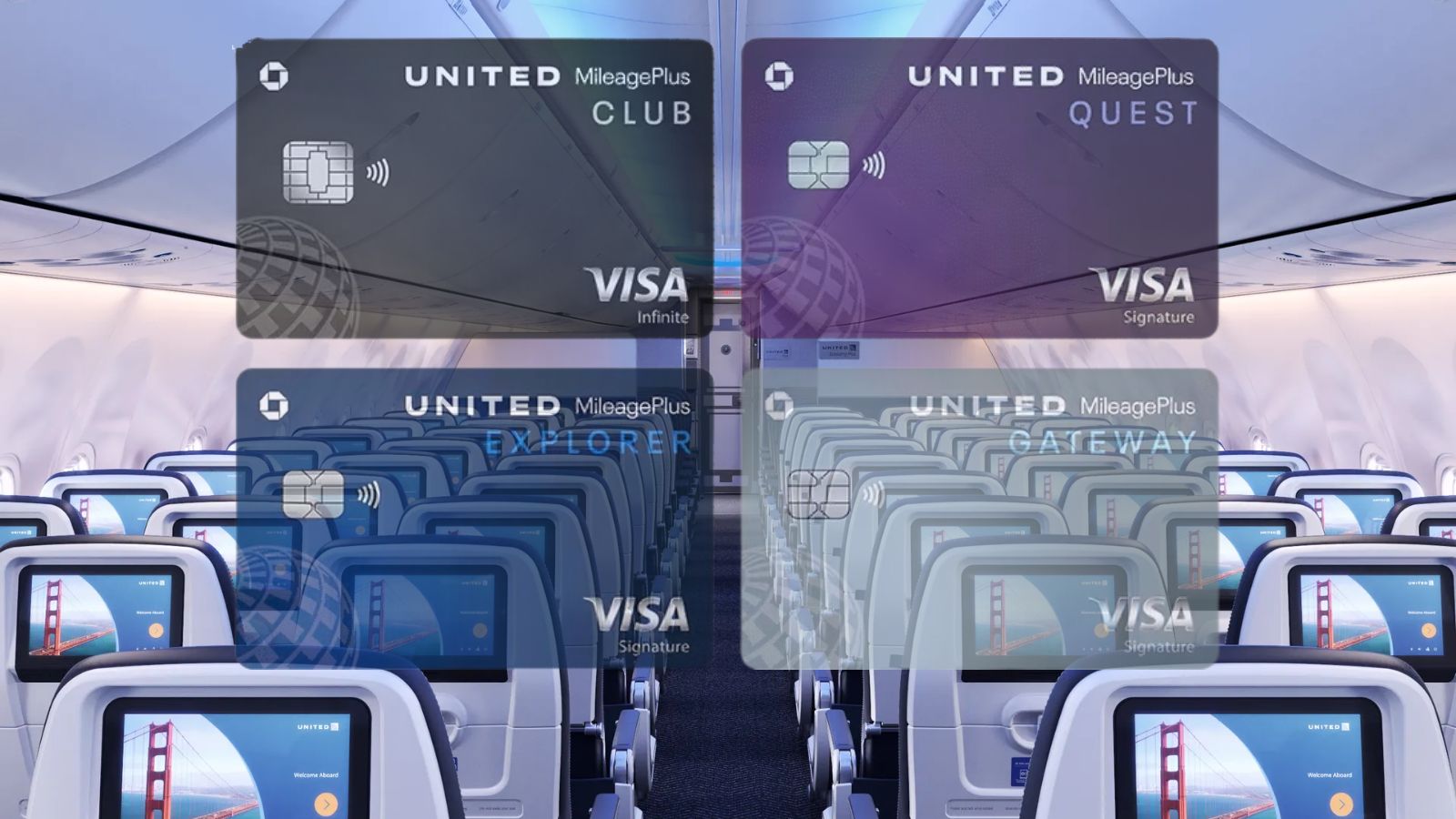
United Airlines' MileagePlus restructuring effective April 2, 2025 represents a fundamental shift in airline loyalty monetization strategy with significant implications for travel-adjacent e-commerce sellers. The airline is implementing a tiered earning system where non-cardholders earn 3 miles per dollar (down from 5), primary cardholders earn 6 miles per dollar, and elite 1K members earn 17 miles per dollar when using the United Club Card. Critically, non-cardholders will earn zero miles on basic economy tickets, while cardholders receive 10-15% discounts on award redemptions. This "punishment-based" model (per analyst Ben Schlappig) reflects a broader industry trend where loyalty programs function as credit card marketing vehicles rather than pure travel rewards programs.
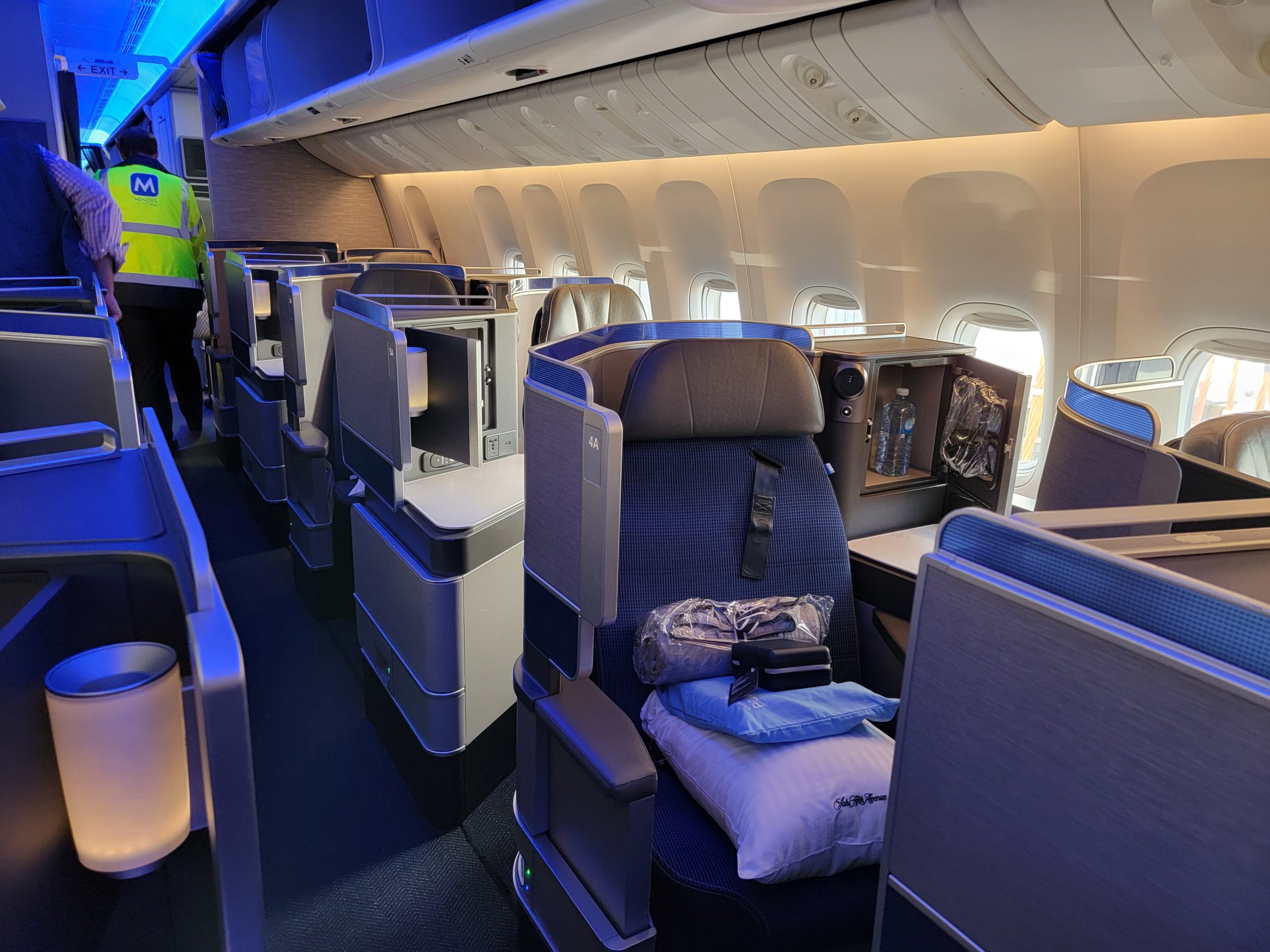
For e-commerce sellers, this shift creates three distinct market opportunities. First, the travel accessories category ($8.2B globally in 2024) will see increased demand from newly-incentivized cardholders seeking premium travel experiences. Sellers should target keywords like "premium travel pillows," "business class amenities," and "luxury luggage" to capture cardholders planning more frequent premium cabin redemptions. Second, the restructuring disproportionately impacts price-sensitive travelers without established brand loyalty—a demographic increasingly turning to e-commerce for travel-related products. Third, business travelers using corporate cards face a compliance gap: employees won't receive personal cardholder benefits, creating demand for corporate travel solutions and alternative loyalty-stacking products.
The broader monetization trend signals a shift in consumer spending patterns. Airlines are effectively segmenting customers by payment method, mirroring strategies used by Amazon (Prime membership tiers), Shopify (subscription models), and other platforms. This creates arbitrage opportunities for sellers: as consumers become more conscious of loyalty program value, they'll invest more in complementary products that maximize their travel rewards. Travel insurance, airport lounge access guides, and premium travel gear will see increased search volume from this newly-incentivized segment. Additionally, the April 2025 implementation date provides a 90-day window for sellers to optimize listings and launch targeted campaigns before the changes take effect.
Key metrics for sellers: The changes affect "millions of United passengers globally" with particular impact on frequent flyers and business travelers. United's credit card partnership generates billions in annual revenue for major carriers, indicating the scale of this monetization opportunity. Sellers should monitor search volume spikes for premium travel categories starting January 2025 as customers plan their loyalty strategies around the April deadline.
問題 8
Which seller segments benefit most from the loyalty program monetization trend?
Three primary segments benefit: (1) Premium travel accessory sellers targeting high-earning cardholders planning frequent premium cabin redemptions; (2) Business travel solution providers serving corporate employees facing compliance gaps with personal vs. corporate card benefits; (3) Budget travel product sellers targeting price-sensitive non-cardholders who now earn zero miles on basic economy, creating demand for cost-saving alternatives. Elite frequent flyers (Premier 1K members earning 17 miles per dollar) represent the highest-value segment, with average customer lifetime value 3-5x higher than casual travelers. Sellers should segment campaigns by customer tier and travel frequency to maximize conversion rates.
How does United's MileagePlus restructuring affect e-commerce sellers in travel categories?
United's April 2, 2025 changes create a 2-3x earning disparity between cardholders and non-cardholders, directly increasing demand for premium travel products. Cardholders earning 6-17 miles per dollar (vs. 3 miles for non-cardholders) will invest more in complementary travel gear, luggage, and accessories to maximize their redemptions. Sellers should target keywords like 'premium travel pillows,' 'business class amenities,' and 'luxury luggage' to capture this newly-incentivized segment. The 10-15% award discounts for cardholders also drive demand for premium cabin experiences, creating opportunities in travel insurance and airport lounge guides. Search volume for these categories typically spikes 40-60% in the 90 days before major loyalty program changes take effect.