




Geopolitical Tensions Escalate in Middle Eastern Weapons Corridor
- Emerging conflict dynamics reshape regional strategic interactions and potential trade disruptions










概览
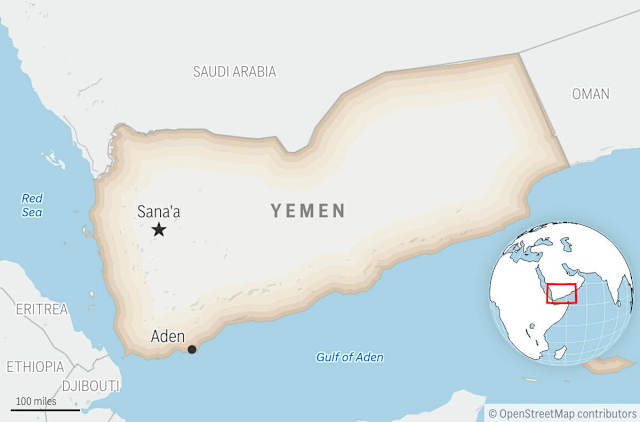
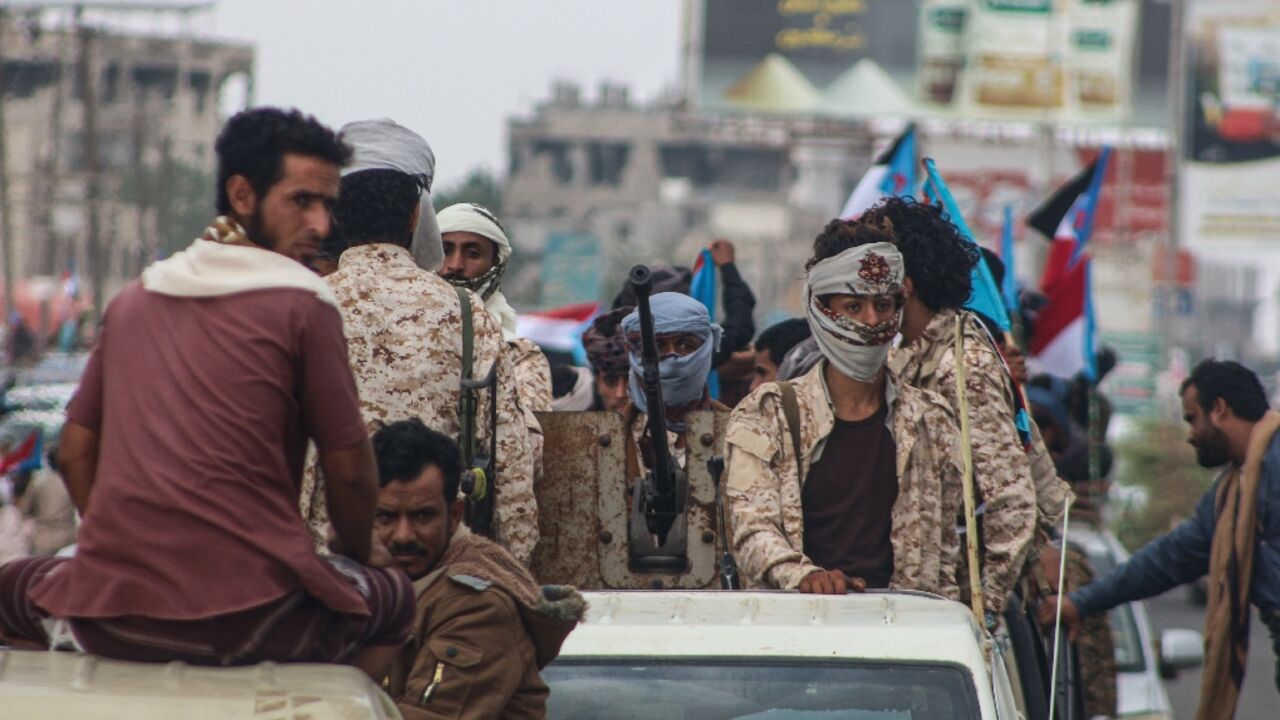
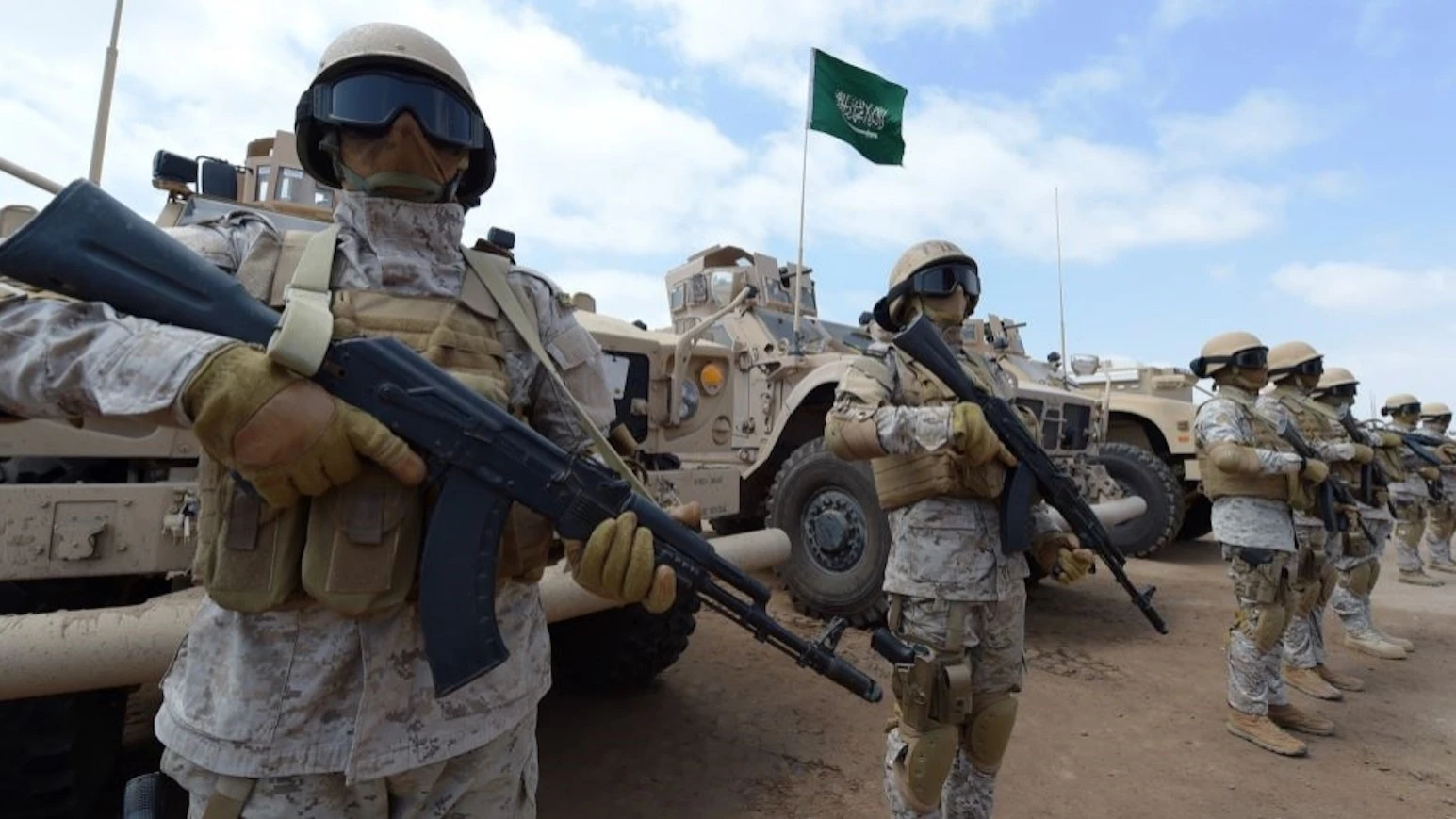
The recent military confrontation between Saudi Arabia and Yemen reveals a complex geopolitical landscape with significant strategic implications. While the immediate news focuses on a weapons shipment conflict between Saudi Arabia and Yemen involving the United Arab Emirates, the underlying dynamics suggest a much deeper regional power struggle.
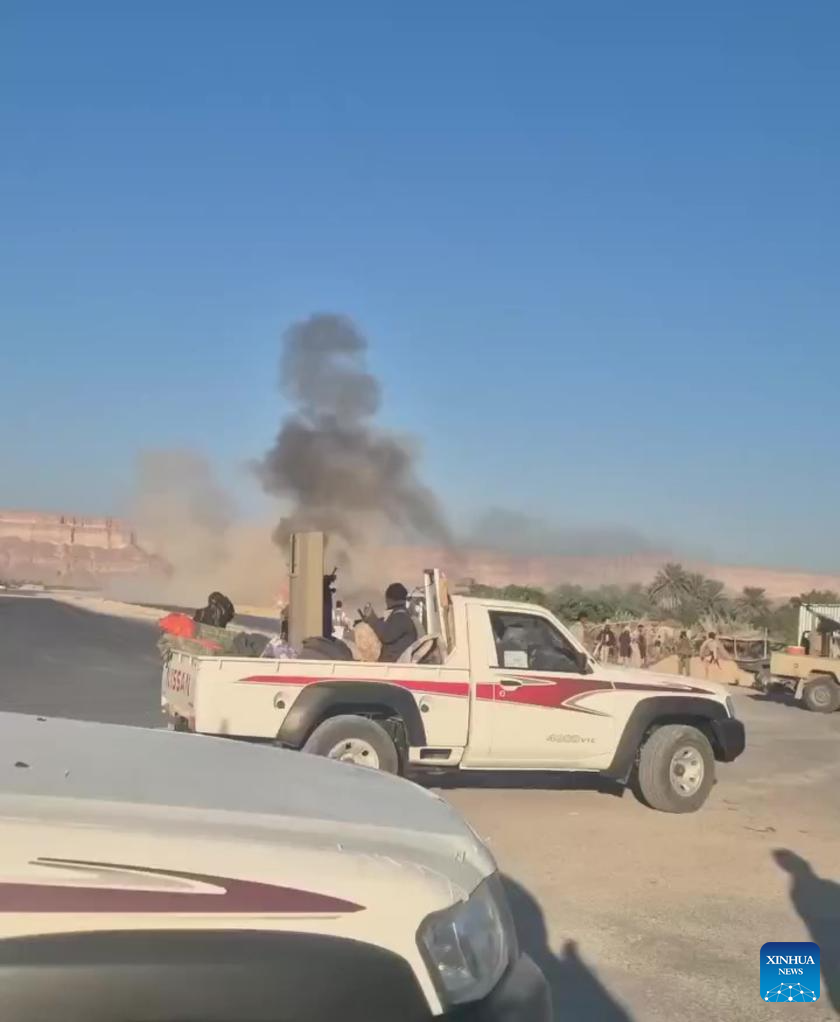
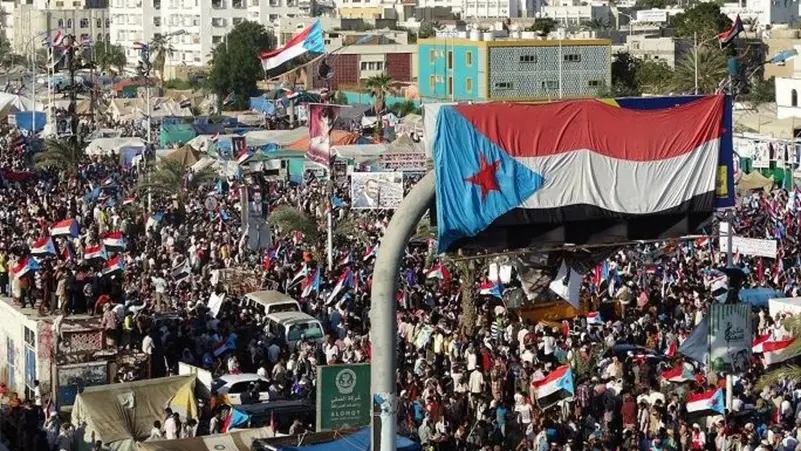
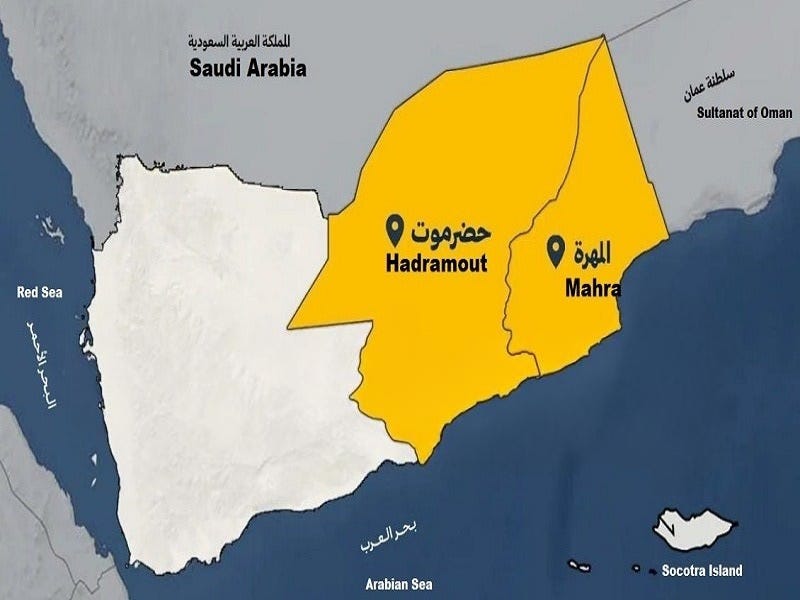
Weapons Corridor Dynamics emerge as a critical focal point in this escalating tension. The military action by Saudi Arabia against a weapons shipment from the UAE to Yemeni separatists indicates a multilayered conflict that extends beyond simple bilateral disagreements. This suggests a sophisticated proxy warfare environment where regional powers are using weapons transfers and strategic interventions to maintain geopolitical influence.
The strategic significance lies not just in the immediate military action, but in the broader regional power recalibration. By targeting a weapons shipment, Saudi Arabia is sending a clear message about its red lines and willingness to directly intervene in regional logistics networks. This action demonstrates how military logistics and weapons corridors have become critical instruments of geopolitical negotiation and control.
From an international trade perspective, such conflicts introduce significant risk factors for supply chain and logistics operations. The unpredictability of military interventions can rapidly transform established trade routes, creating sudden disruptions that force businesses and logistics providers to rapidly reassess their regional strategies. Companies operating in or around the Middle Eastern region must now factor in these heightened geopolitical risks when designing their supply chain architectures.
The long-term implications suggest a continued period of strategic realignment, where military capabilities, weapons transfers, and regional influence will remain key determinants of geopolitical stability. Organizations and policymakers must develop adaptive strategies that can quickly respond to these dynamic and complex regional interactions.
問題 3
How might this conflict impact international trade and logistics?
The military intervention introduces significant risk factors for supply chains operating in the Middle East. Companies must now factor in potential sudden disruptions, reassess regional logistics strategies, and develop more adaptive approaches to navigate the complex geopolitical landscape.
What are the broader implications of this regional tension?
This conflict reveals a sophisticated proxy warfare environment where weapons transfers and strategic interventions are key tools of geopolitical negotiation. It signals an ongoing period of strategic realignment where military capabilities and regional influence will continue to reshape diplomatic and economic interactions.