


Oil Price Surge Threatens E-Commerce Margins | Shipping Cost Crisis for Cross-Border Sellers
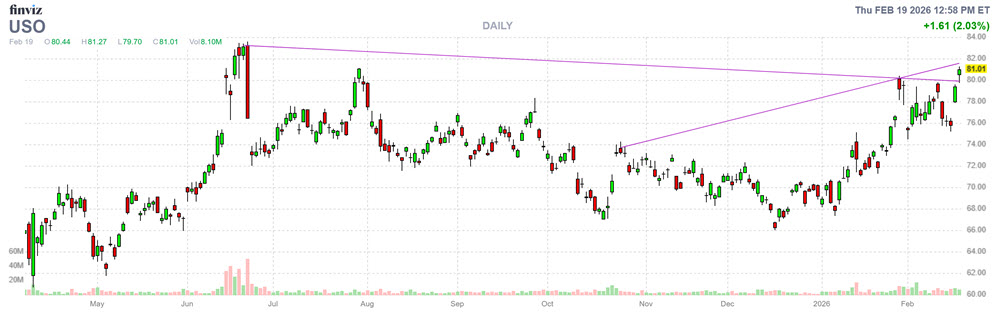
- WTI crude up 1.9% to $66.43/barrel amid Iran conflict fears; potential $100/barrel scenario threatens 8-15% shipping cost increases for FBA and international sellers within 2-4 weeks






















概览
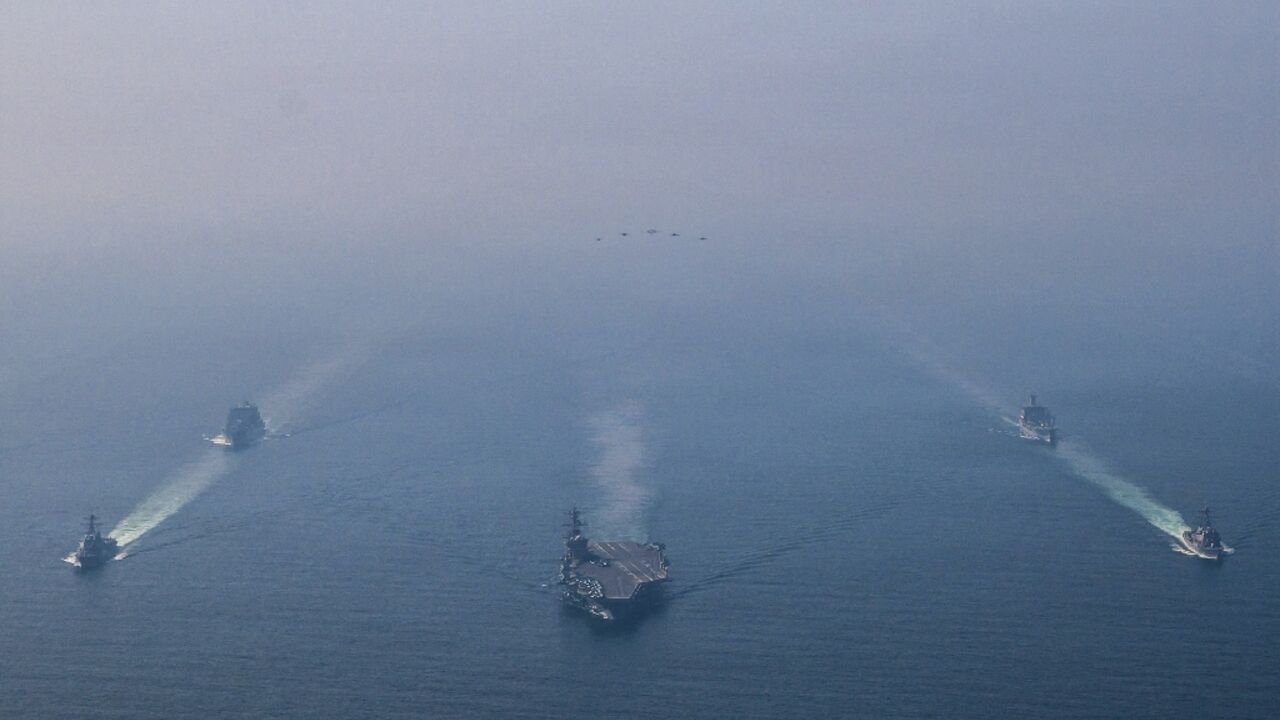
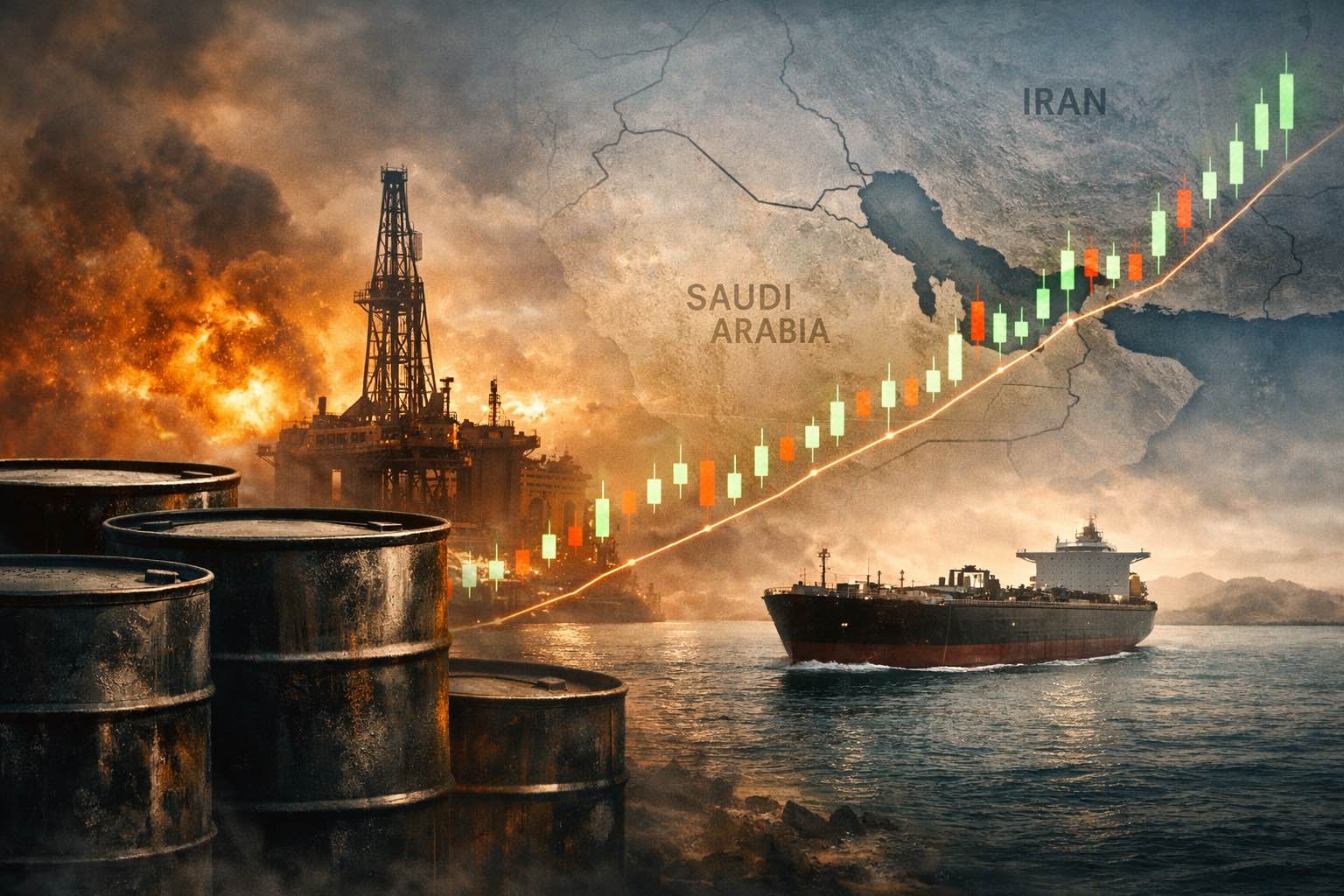
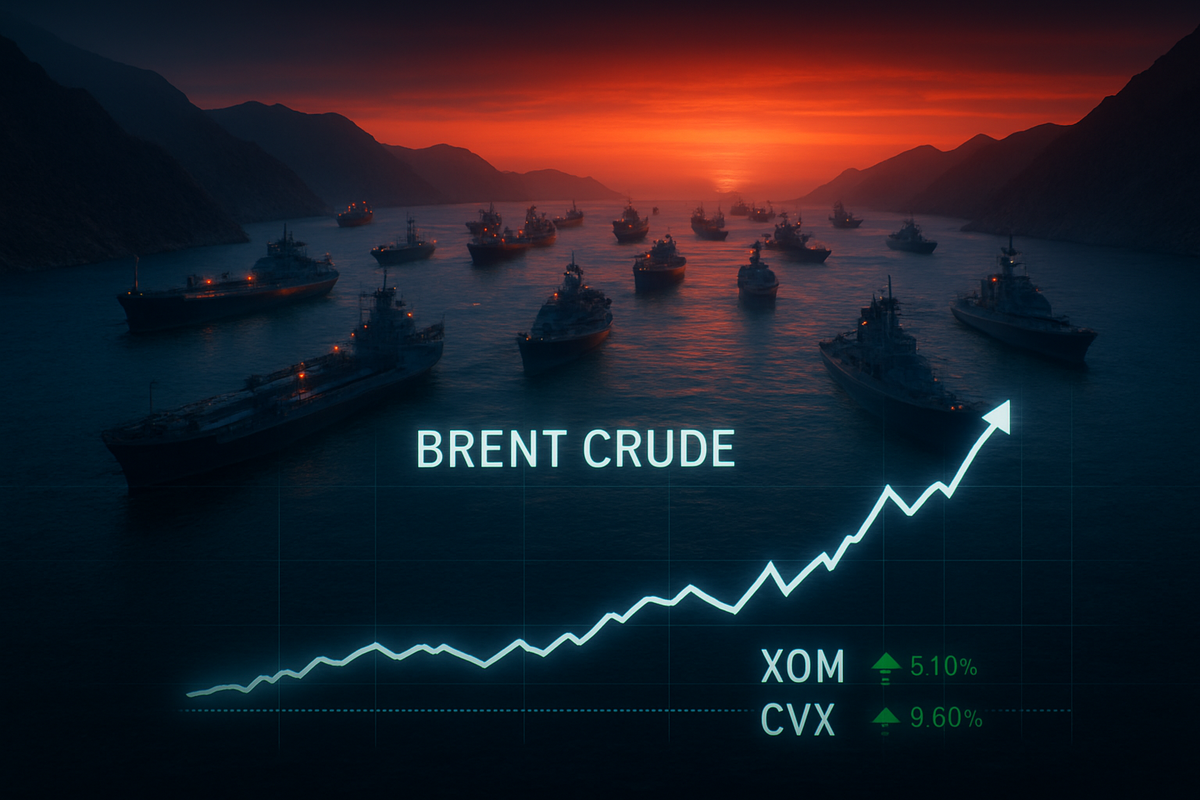
Geopolitical tensions between the United States and Iran are creating an immediate logistics cost crisis for cross-border e-commerce sellers. As of February 19, 2026, WTI crude oil settled at $66.43 per barrel (up 1.9%) and Brent at $71.96, driven by expectations of potential U.S. military action. The U.S. Energy Information Administration reported a surprising 9 million barrel crude stock draw, while Capital Economics projects oil could reach $80-100 per barrel depending on conflict severity and infrastructure damage. For Amazon FBA sellers, Shopify merchants, and eBay vendors, this translates directly to increased fuel surcharges on international shipping within 2-4 weeks, compressing already-thin margins by 8-15% for sellers shipping 1,000+ units monthly.
The operational impact varies significantly by seller segment and shipping method. Sellers relying on air freight or expedited shipping face immediate cost pressures, with fuel surcharges typically increasing $0.15-0.35 per pound within 30 days of crude price spikes. Ocean freight carriers are already implementing emergency fuel adjustment factors (FAF), with some routes seeing 5-8% increases. For a typical FBA seller shipping 5,000 units monthly via ocean freight, this represents $2,000-4,000 in additional monthly costs. Sellers using 3PL providers should expect surcharge notifications within 7-10 days as carriers pass through increased bunker fuel costs. The uncertainty also creates inventory planning challenges—sellers must decide whether to absorb costs, increase prices (risking Buy Box loss), or shift to slower, cheaper shipping methods (risking delivery time penalties and customer satisfaction scores).
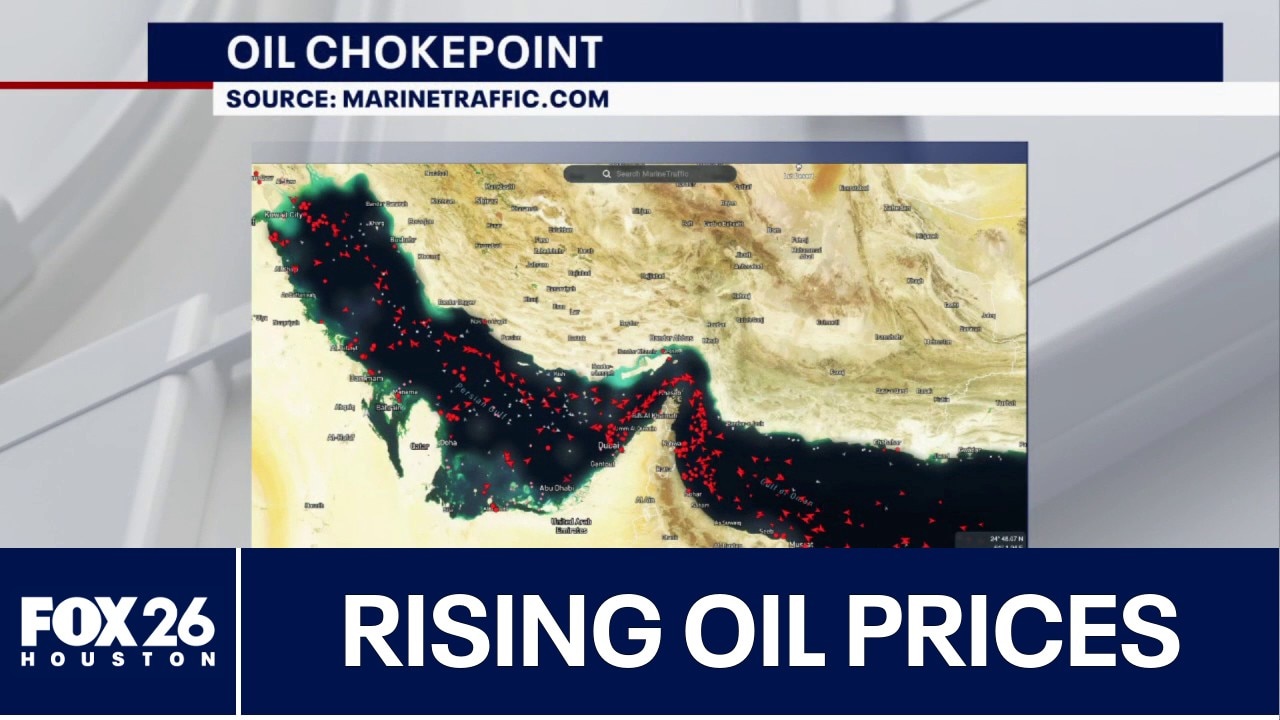
Strategic sourcing and pricing adjustments are critical in the next 10-30 days. Sellers should immediately audit their shipping method mix: those currently using air freight for non-urgent categories should shift to ocean freight where possible, accepting 2-3 week delivery delays in exchange for 40-50% cost savings. For time-sensitive categories (electronics, fashion, seasonal items), consider pre-positioning inventory in regional fulfillment centers to reduce long-haul shipping distances. Sellers should also monitor the Strait of Hormuz situation closely—if Iran blocks shipping routes, alternative routing through the Suez Canal adds 10-14 days and 15-20% cost premiums. Pricing adjustments should be implemented strategically: increasing prices 3-5% on high-margin categories (collectibles, specialty items) while maintaining competitive pricing on commoditized products to protect market share and Buy Box eligibility.
問題 8
How much will my Amazon FBA shipping costs increase if oil reaches $100 per barrel?
Based on Capital Economics scenarios, if oil infrastructure is targeted and prices surge to $100/barrel, FBA sellers can expect fuel surcharges to increase 8-15% within 2-4 weeks. For a seller shipping 5,000 units monthly via ocean freight at current rates (~$0.40/lb), this translates to an additional $2,000-4,000 monthly cost. Air freight costs will spike even more dramatically—potentially 15-25% increases. The impact depends on your current shipping method mix and product weight. Sellers should immediately audit their fulfillment strategy and consider shifting non-urgent shipments to ocean freight to mitigate costs.
What should I do if the Strait of Hormuz shipping route is blocked?
If Iran blocks the Strait of Hormuz (which handles 20% of global oil shipments), alternative routing through the Suez Canal adds 10-14 days to transit times and increases costs by 15-20%. For cross-border sellers, this means either accepting longer delivery windows or paying premium rates for alternative routes. Immediate actions: (1) Pre-position inventory in regional fulfillment centers to reduce long-haul shipping needs; (2) Shift to air freight only for time-sensitive categories; (3) Communicate transparently with customers about potential delivery delays; (4) Consider using Amazon's Global Logistics program for automatic routing optimization. Monitor shipping carrier announcements daily for route changes.