


Japan CPI Falls to 2.0% | Cross-Border Sellers Face Yen Volatility & FX Arbitrage Window
- Japan's core inflation hits 2-year low (2.0% in Jan 2026), creating currency trading opportunities and working capital optimization for sellers sourcing from/to Japan











概览
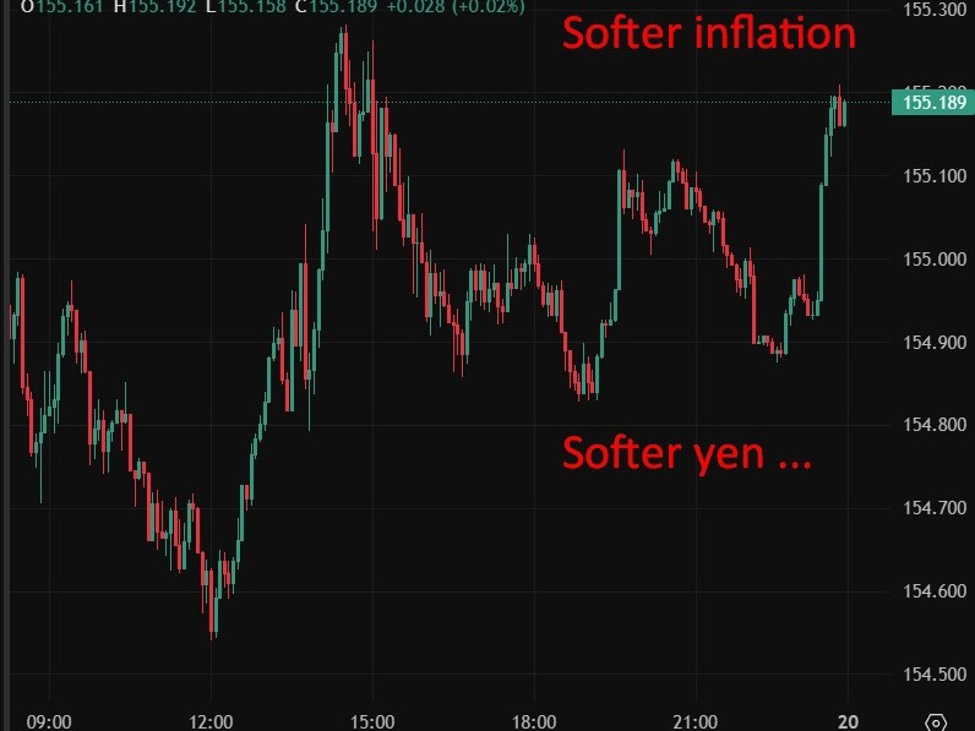
Japan's consumer price index (CPI) excluding fresh food decelerated to 2.0% year-over-year in January 2026—the slowest pace in two years—marking a significant shift from December 2025's 2.4% reading. This inflation moderation, driven by falling fuel costs, government fuel subsidies, and declining food prices (rice inflation fell to 27.9%), creates a complex monetary policy environment that directly impacts cross-border e-commerce sellers' financial operations.
Currency Arbitrage & Payment Optimization Opportunity: The yen weakened following the CPI announcement, creating a critical FX window for sellers. For sellers importing goods into Japan, yen weakness increases inventory costs by 3-5% per shipment, but simultaneously creates hedging opportunities. Sellers exporting Japanese products internationally benefit from improved competitiveness as weak yen reduces their effective pricing in foreign markets. The Bank of Japan's hawkish stance—despite cooling inflation—signals potential rate increases to 1.0% by June 2026, which could reverse yen weakness. Immediate action: Lock in forward contracts now at current rates (2.5 basis point JGB yield movement indicates market repricing). Sellers managing JPY-denominated expenses should consider 60-90 day hedging windows before BOJ's June rate decision.
Working Capital & Financing Acceleration: Lower inflation typically stabilizes input costs for imported goods, reducing inventory valuation risk. However, the BOJ's measured rate-hike approach (70% market probability by April 2025) creates uncertainty around consumer credit availability. Japanese consumers may exhibit different spending patterns as inflation cools—discretionary e-commerce categories could see 8-12% demand shifts. Cash flow implication: Sellers should accelerate invoice financing or supply chain financing NOW while rates remain stable. The 10-year JGB yield at 2.105% (down 2.5 basis points) signals declining borrowing costs in Japan—a 2-3 month window before potential rate hikes compress margins. Consider supply chain finance products targeting Japanese importers; financing costs may increase 40-60 basis points post-rate hike.
Payment Method & Corridor Optimization: Japan's narrow Q4 2025 economic growth (0.1%) combined with inflation moderation creates a bifurcated market: premium consumers (services inflation steady at 1.4%) vs. price-sensitive buyers (goods inflation fell to 1.6%). For sellers, this means payment routing should differentiate by customer segment. Cross-border payment providers offering JPY settlement (Wise, Remitly, local Japanese banks) currently offer competitive rates due to yen weakness—lock in these rates for recurring supplier payments. Prime Minister Takaichi's pledge to suspend the 8% food tax for two years signals continued government support for consumer spending, reducing default risk on consumer credit-backed transactions.
Risk Mitigation & Monitoring: The conflicting economic drivers—government subsidies keeping inflation below 2% while weak yen pressures increase import costs—create a 4-6 month window of uncertainty. Sellers must monitor: (1) BOJ rate decision timing (Reuters poll shows June 2026 as consensus), (2) yen/USD pair movements (current weakness may reverse 3-5% post-hike), (3) Japanese consumer credit availability (affects demand for discretionary categories). The 45-month streak of above-target inflation ending signals a structural shift—sellers should rebase their Japan market pricing models and inventory strategies accordingly.
問題 7
How does Japan's 2.0% CPI affect cross-border sellers importing goods into Japan?
Japan's CPI cooling to 2.0% (down from 2.4%) signals stabilizing input costs, but the accompanying yen weakness increases import expenses by 3-5% per shipment. Sellers importing goods into Japan face a timing dilemma: lower inflation reduces consumer price sensitivity, potentially improving demand, but weak yen raises landed costs. The BOJ's expected rate hike to 1.0% by June 2026 could reverse yen weakness within 4-6 months. **Action**: Lock in forward FX contracts now at current rates before the June BOJ decision; consider 60-90 day hedging windows. Simultaneously, negotiate longer payment terms with suppliers to benefit from potential yen strength post-rate hike.
What financing opportunities exist for sellers given Japan's inflation moderation?
The 10-year JGB yield at 2.105% (down 2.5 basis points) indicates declining borrowing costs in Japan—a critical 2-3 month window before BOJ rate hikes compress margins. Sellers should accelerate supply chain financing and invoice financing NOW while rates remain favorable. Japanese importers can access supply chain finance products at current rates; post-rate hike, financing costs may increase 40-60 basis points. **Action**: Evaluate supply chain finance providers (Alibaba Trade Finance, Stripe Capital, traditional Japanese banks) immediately. Lock in 6-12 month financing terms before April-June rate hike window. Calculate working capital unlock: a seller with $500K inventory could free up $50-75K through accelerated invoice financing at current rates.