


Gaza Reconstruction Boom | $17B+ Aid Creates Supply Chain Opportunities for Cross-Border Sellers
- $17 billion in pledged reconstruction funding opens emerging market for infrastructure, construction materials, and humanitarian goods; sellers can capitalize on 60-day police training window and FIFA football ecosystem development





概览
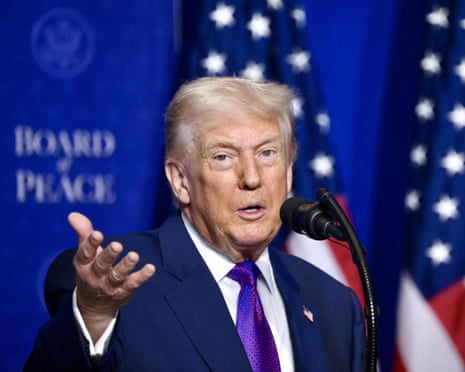
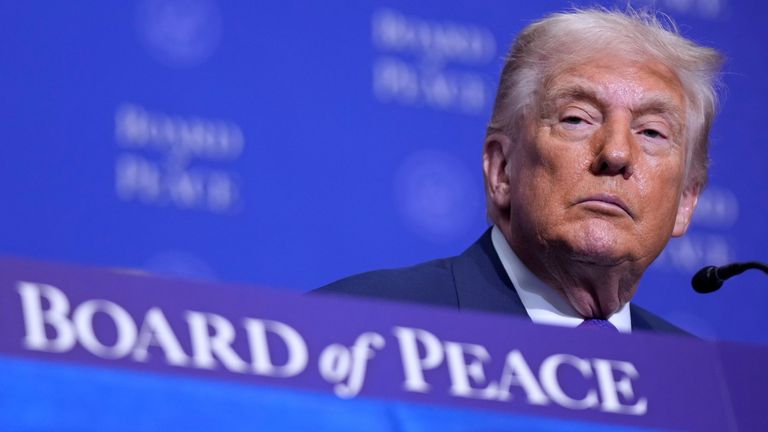
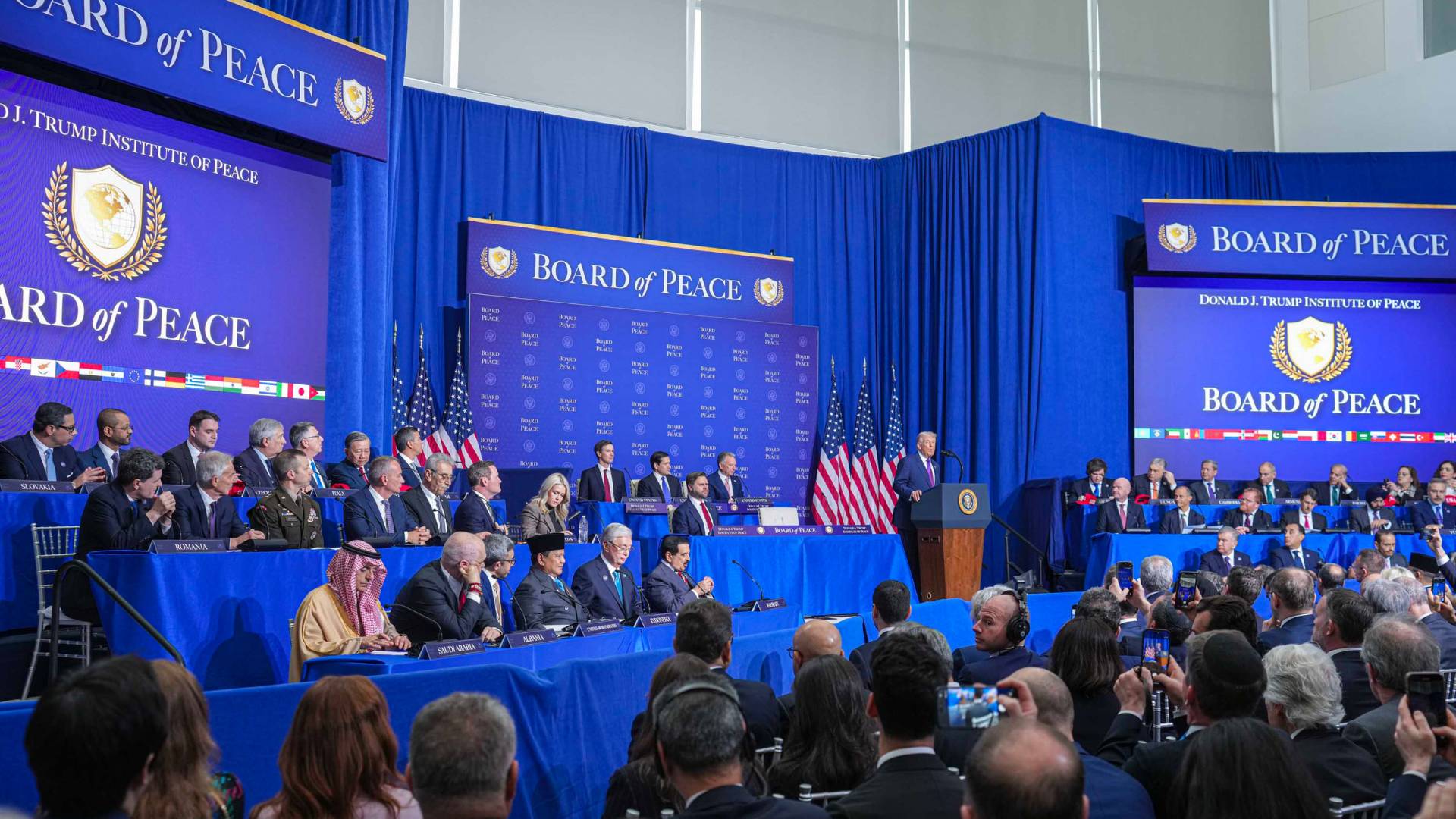
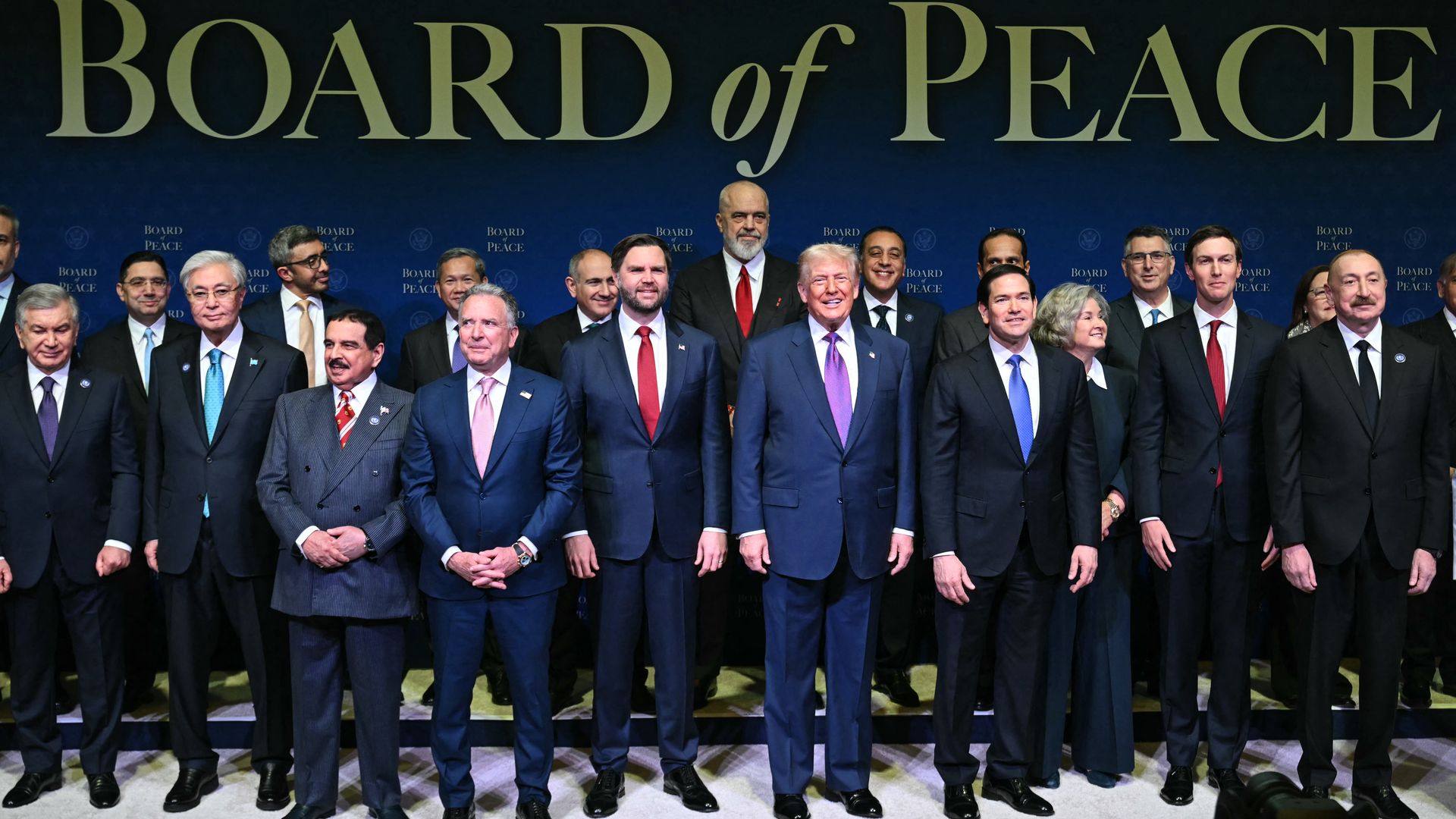
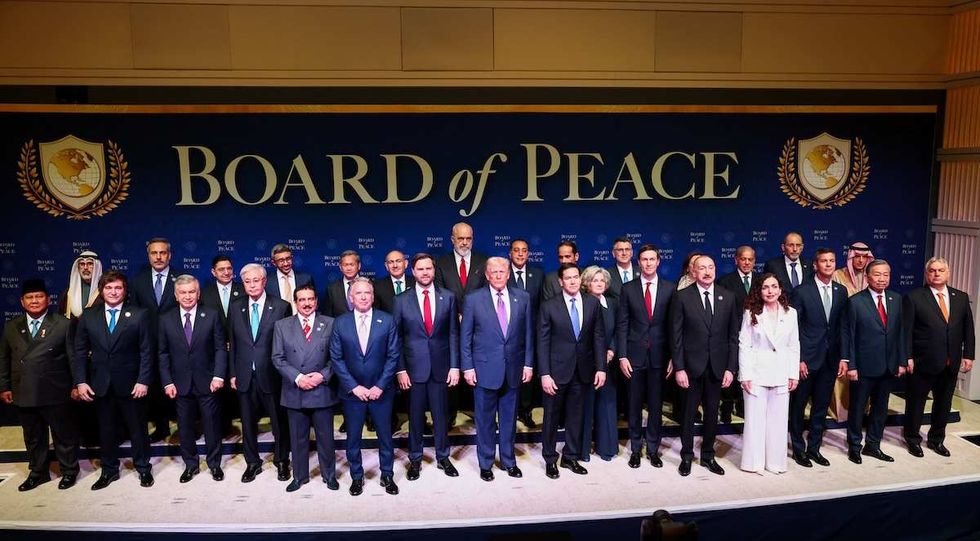
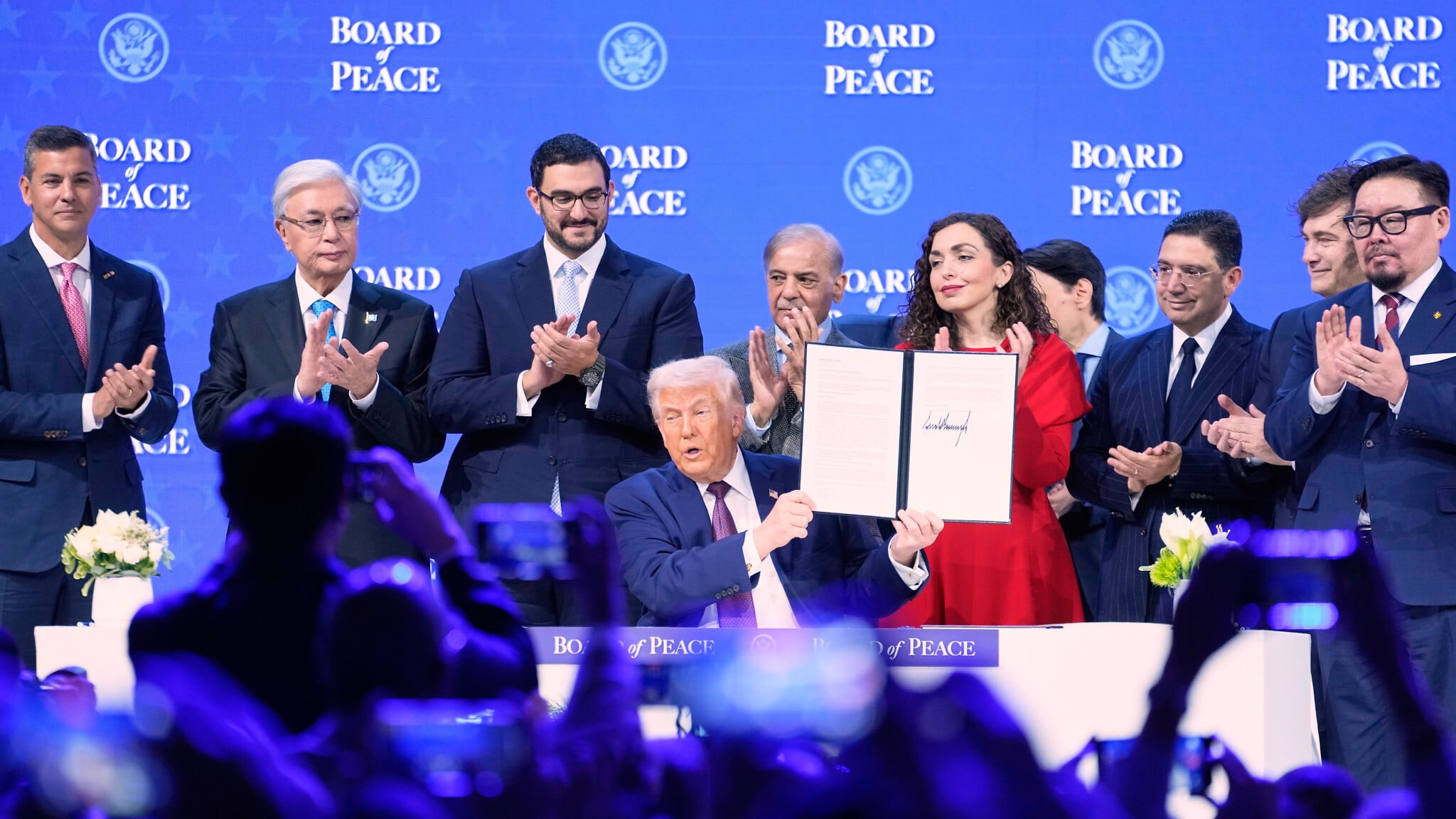
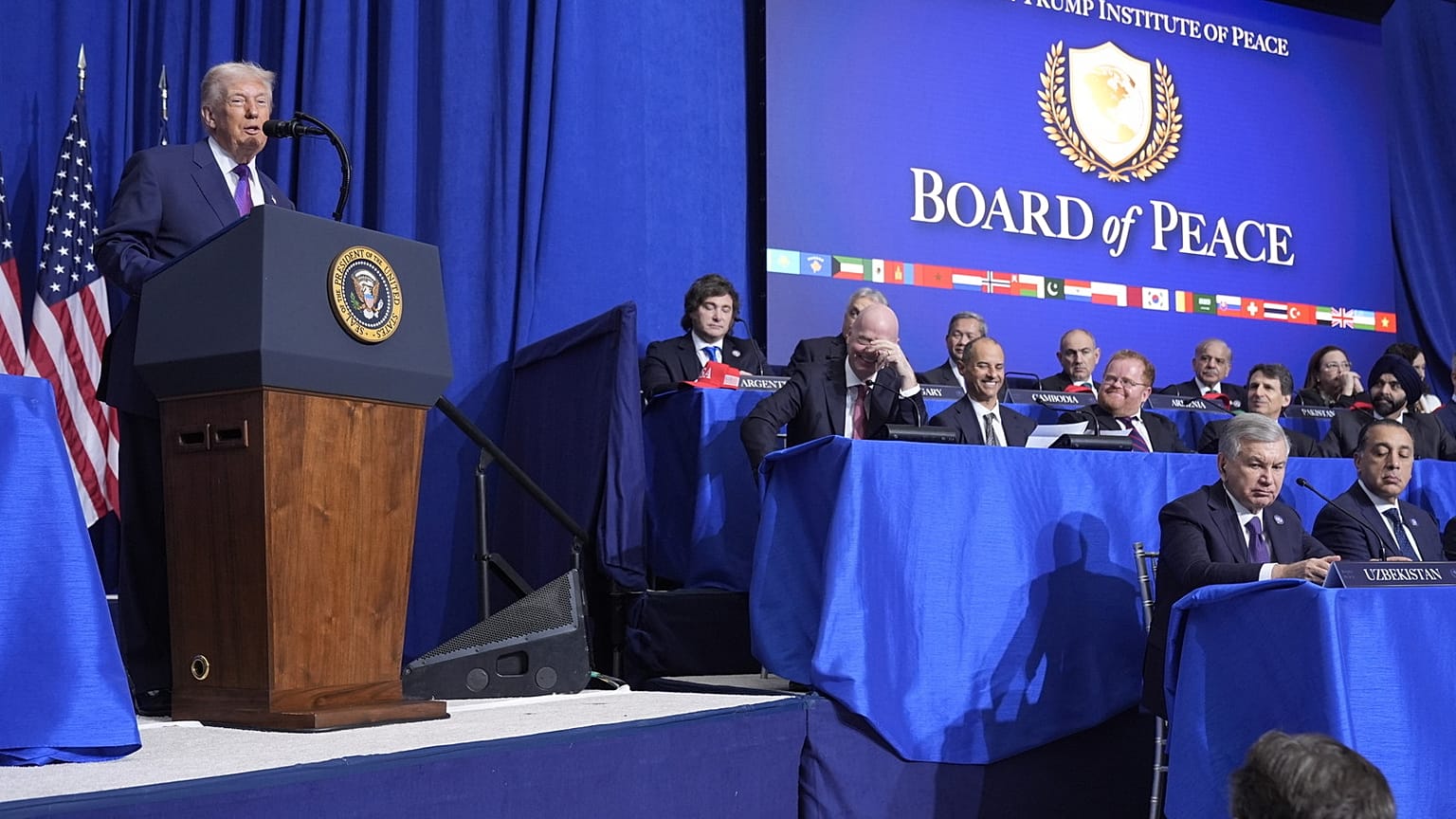
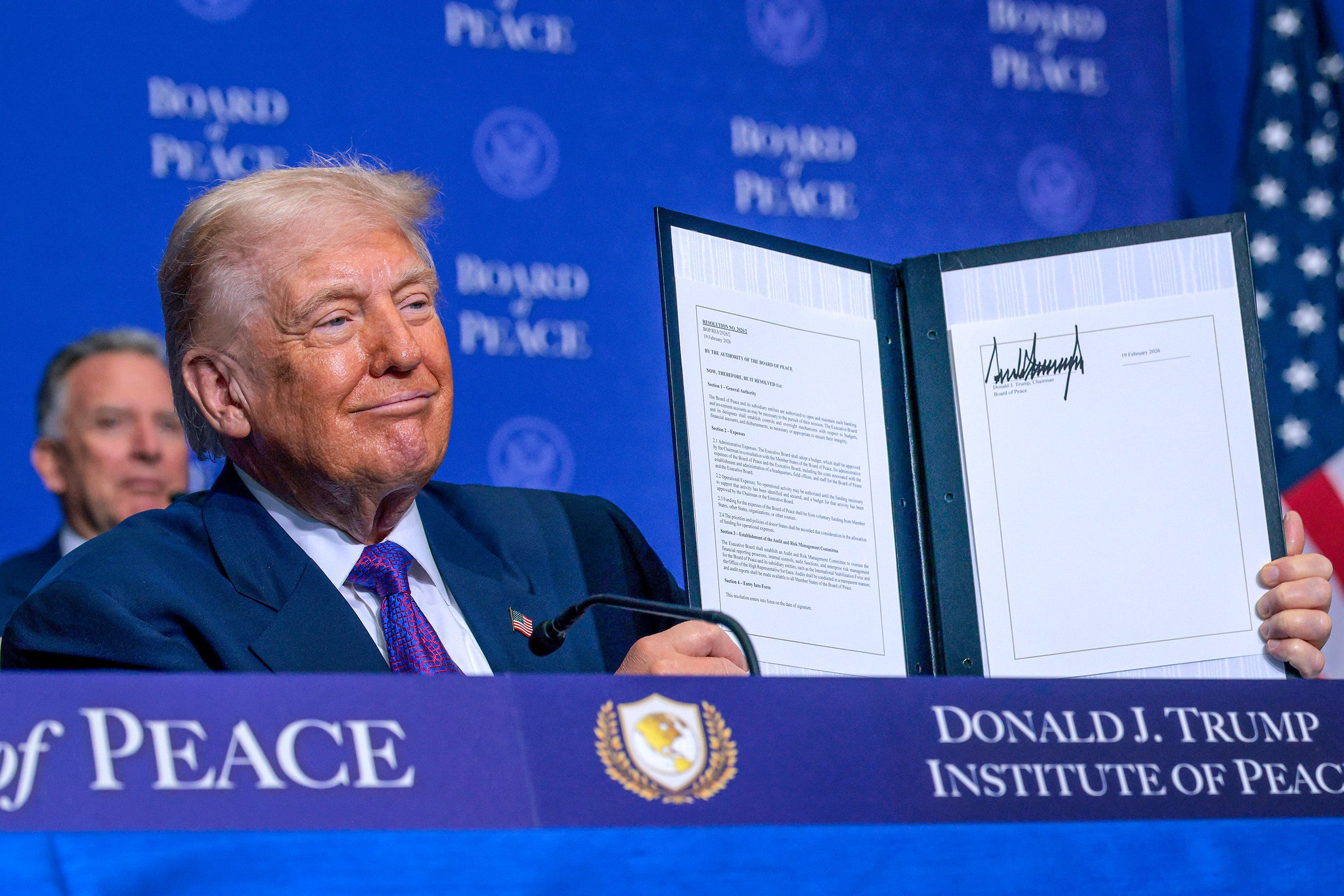
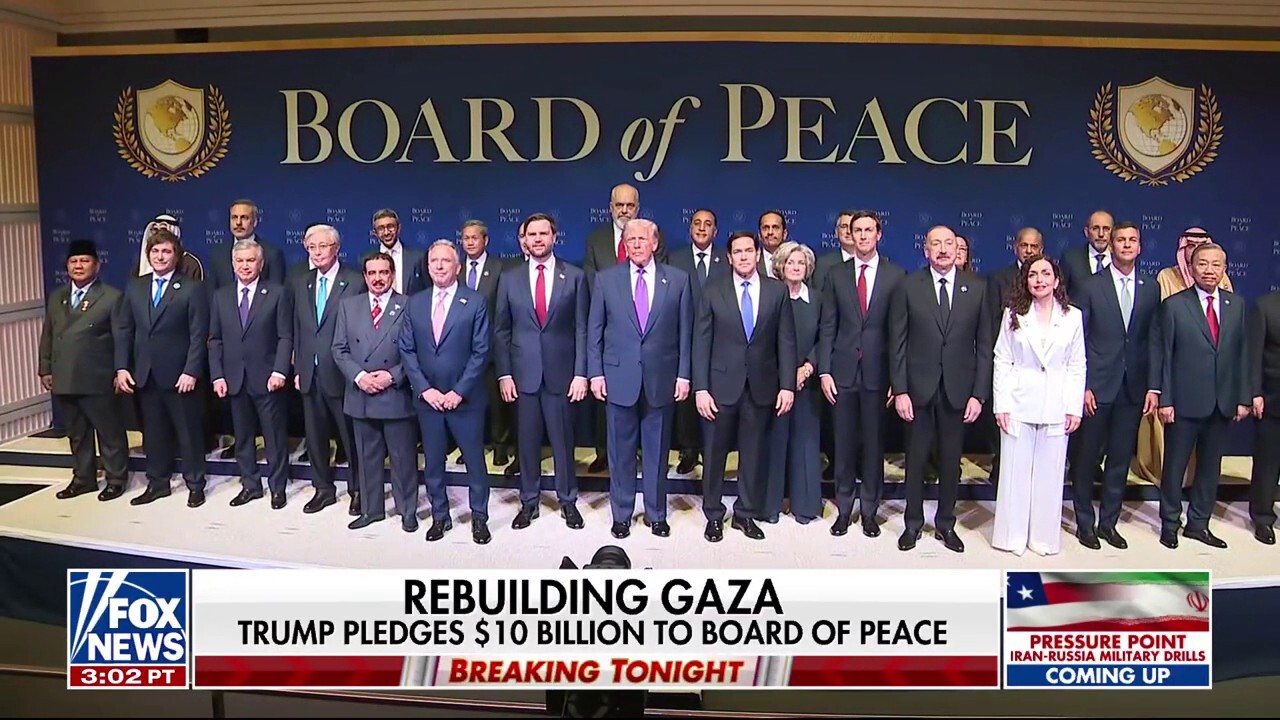
The Trump administration's inaugural Board of Peace meeting (February 19, 2026) represents a significant geopolitical shift with direct implications for cross-border e-commerce sellers. The event generated $17 billion in pledged reconstruction funding ($7 billion from nine nations plus $10 billion US commitment), creating an unprecedented opportunity window for sellers in infrastructure, construction materials, humanitarian goods, and sports equipment categories. This represents a Level 1 product opportunity with immediate market access implications.
Market Access & Tariff Arbitrage Opportunities: The reconstruction mandate creates several seller advantages. First, humanitarian goods categories (medical supplies, water purification, sanitation products, emergency shelter materials) will face reduced tariff barriers as reconstruction aid flows through official channels. Sellers sourcing from Vietnam, India, and Turkey can exploit tariff advantages on HS codes 3002-3006 (medical products), 3824 (water treatment chemicals), and 3916-3917 (plastic pipes/fittings) destined for Gaza reconstruction. Second, sports equipment and football infrastructure (FIFA's announced football ecosystem) creates demand for athletic goods, training equipment, and stadium materials—categories where Chinese manufacturers hold 35-40% cost advantages over Western competitors. Third, construction and building materials (HS codes 6810-6815, 7308-7326) will see accelerated import demand as the National Committee for Administration of Gaza plans to train 5,000 police within 60 days and establish operational infrastructure.
Competitive Shifts & Seller Segment Advantages: Small-to-medium sellers (SMBs) with existing relationships in Turkey, Morocco, and Albania gain first-mover advantages, as these nations committed troops and resources to the Board of Peace. Sellers already operating in these countries can pivot supply chains to capture reconstruction contracts before larger competitors establish operations. The 60-day police training timeline creates urgency—sellers offering rapid-fulfillment logistics for training equipment, uniforms, and tactical gear can command premium pricing. Additionally, the board's expansion beyond Gaza (Trump indicated it will address "other global conflicts") signals a new institutional framework for post-conflict reconstruction, potentially creating recurring demand cycles. European sellers face disadvantages here, as major EU nations participated only as observers, limiting their institutional influence on procurement standards.
Sourcing Country Shifts & Compliance Shortcuts: The board's composition (Morocco, Albania, Kosovo, Kazakhstan, Egypt, Jordan) suggests procurement will favor suppliers from these nations and their trading partners. Sellers can exploit Rules of Origin advantages by establishing minimal processing operations in Morocco or Albania to qualify for preferential tariff treatment on goods destined for Gaza. This is particularly valuable for HS codes 6204-6206 (apparel) and 6307-6310 (textiles), where tariff rates typically range 12-18%. The 60-day implementation window creates a compliance shortcut: goods shipped before demilitarization protocols are finalized may face fewer customs inspections, allowing faster inventory turnover. However, the news notes that "Israeli authorities may restrict infrastructure access and conduct inspections in controlled territories," creating a 2-3 week delay risk that sellers must price into logistics costs.
問題 8
How can sellers exploit tariff advantages in the Gaza reconstruction market?
Sellers can establish minimal processing operations in Morocco or Albania (both Board of Peace members) to qualify for preferential Rules of Origin treatment on goods destined for Gaza. This approach reduces tariff rates on apparel (HS 6204-6206) from 12-18% to 0-5%, improving margins by $200-400 per container. Additionally, humanitarian goods classifications (medical supplies, water treatment) typically receive tariff exemptions or reductions under UN reconstruction protocols. The 60-day implementation window creates a compliance shortcut: goods shipped before demilitarization protocols are finalized may face fewer customs inspections, reducing clearance time from 14-21 days to 5-7 days and enabling faster inventory turnover.
Which seller segments gain competitive advantages from the Board of Peace structure?
Small-to-medium sellers (SMBs) with existing operations in Morocco, Albania, Kosovo, or Turkey gain first-mover advantages, as these nations committed resources to the reconstruction effort and will likely influence procurement standards. Sellers already established in these countries can pivot supply chains to capture contracts before larger competitors enter the market. The 60-day police training timeline creates urgency that favors sellers offering rapid-fulfillment logistics (5-7 day delivery) for training equipment and uniforms, allowing them to command 10-15% price premiums. Conversely, European sellers face disadvantages, as major EU nations participated only as observers, limiting their institutional influence on procurement standards and potentially excluding them from preferred supplier lists.