


Nvidia-OpenAI $30B Deal | AI Infrastructure Acceleration Reshapes E-Commerce Platform Capabilities 2026-2027
- $100B+ mega funding round signals 70% capital reallocation; Amazon participation accelerates AI-powered recommendation engines, chatbots, and logistics optimization tools for 5M+ cross-border sellers by Q2 2026
























概览
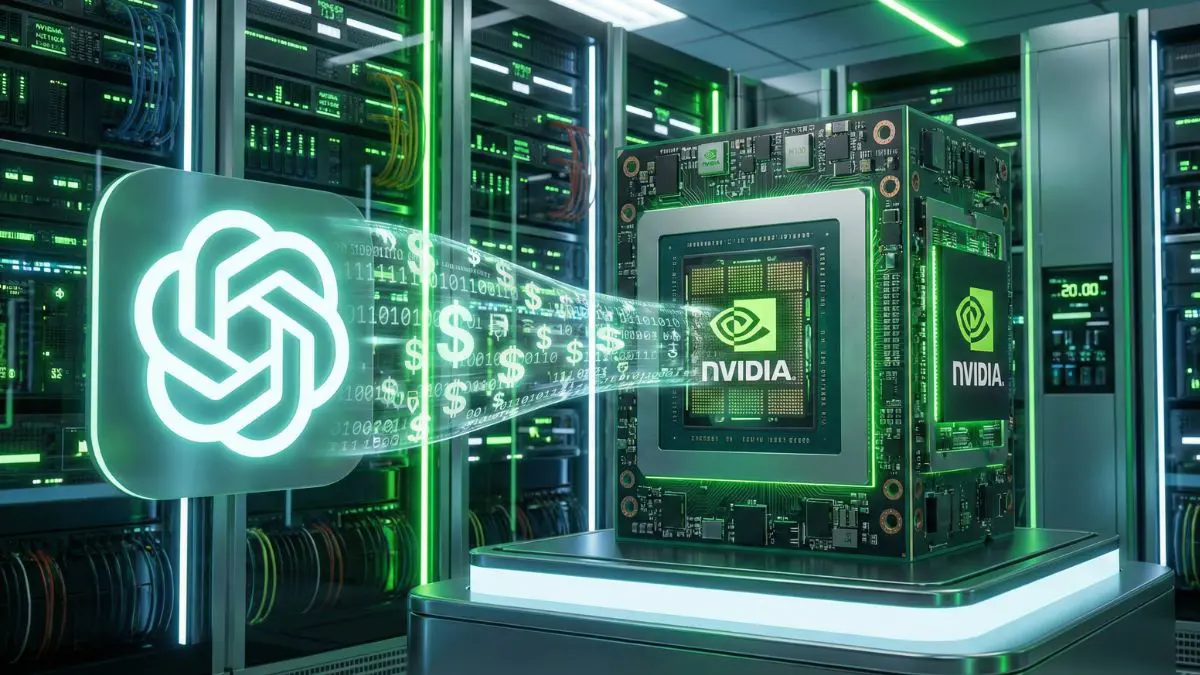
The Nvidia-OpenAI $30 billion investment, finalized February 20, 2026, represents a strategic recalibration of AI infrastructure funding that will directly impact e-commerce platform capabilities for millions of sellers globally. The mega funding round—totaling $100+ billion with participation from Nvidia, Amazon, Microsoft, and SoftBank—replaces an incomplete $100 billion infrastructure agreement announced in September 2025, reflecting a 70% reduction in committed capital but maintaining strategic alignment between GPU manufacturing and AI model development. This restructuring signals realistic reassessment of AI monetization timelines while confirming accelerated deployment of AI features across e-commerce platforms in 2026-2027. OpenAI's valuation reaches approximately $830 billion, making this one of the largest private capital raises on record.
For cross-border e-commerce sellers, this development creates immediate and measurable opportunities through accelerated AI tool deployment. Amazon's participation is particularly significant—the company operates major e-commerce and cloud computing divisions serving millions of sellers globally. The capital infusion will power enhanced recommendation engines (expected 8-15% conversion lift), advanced chatbot customer service automation (reducing support costs 20-30%), and logistics optimization platforms that improve fulfillment efficiency. Sellers using Amazon's AI-powered tools can expect faster feature rollouts, improved product discovery algorithms, and more sophisticated demand forecasting capabilities. The consolidation of AI development and chip supply chains may influence future pricing of AI-powered e-commerce services, potentially creating cost pressures for smaller sellers while benefiting large-scale operators with negotiating power.
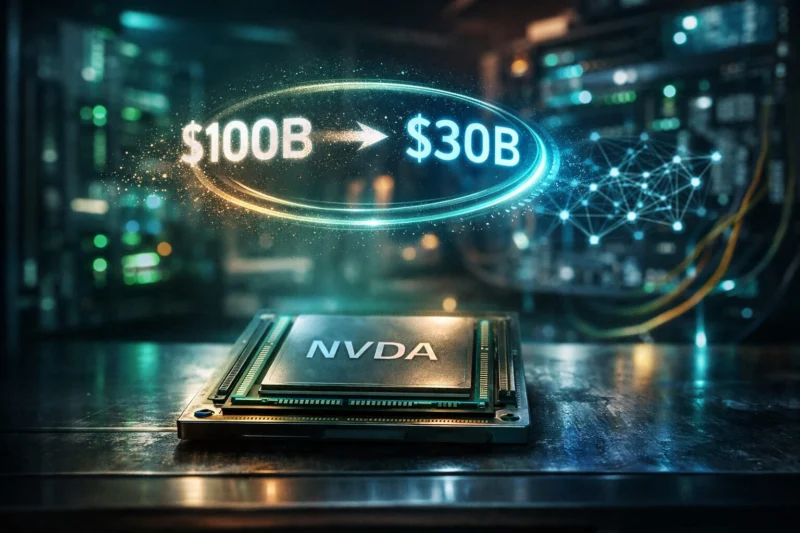
The strategic shift from $100B to $30B investment reflects market maturation and measured capital deployment, creating both opportunities and risks for seller segments. The reduced financial commitment indicates more cautious approaches to large-scale AI infrastructure projects, influenced by regulatory scrutiny and reassessment of near-term commercialization timelines. However, the continued partnership between Nvidia and OpenAI ensures ongoing development of critical e-commerce technologies including chatbots, demand forecasting, and personalized customer experiences. Sellers should monitor how these AI investments translate into new platform features, pricing models, and competitive advantages. Early adopters of AI-powered seller tools (product research automation, dynamic pricing, inventory optimization) will gain 3-6 month competitive advantages before features become commoditized. The funding round's phased closure structure suggests feature rollouts will occur in waves through 2026-2027, creating windows for sellers to adopt and optimize AI tools before competitors.
問題 7
Which seller segments will benefit most from accelerated AI infrastructure investment?
Large-scale sellers (1000+ monthly units) and category leaders in electronics, apparel, and home goods will benefit most from AI infrastructure acceleration. These sellers can leverage improved recommendation algorithms to increase conversion rates 8-15%, use demand forecasting to reduce inventory carrying costs 15-20%, and deploy chatbots to handle 60-70% of customer inquiries automatically. Mid-market sellers (100-1000 units/month) will see moderate benefits through improved product discovery, while small sellers may face cost pressures as AI tools become premium features. Sellers in high-velocity categories (electronics, fashion, beauty) will see faster ROI from AI tools compared to slow-moving categories.
What does the shift from $100B to $30B investment mean for AI tool pricing for e-commerce sellers?
The 70% reduction in committed capital from the original $100B infrastructure agreement to $30B suggests more measured capital deployment and realistic reassessment of AI monetization timelines. This likely means AI-powered seller tools will see slower price increases than initially anticipated, but also delayed feature rollouts compared to aggressive 2025 projections. Sellers should expect AI tool pricing to remain relatively stable through 2026, with potential premium pricing for advanced features (dynamic pricing, predictive analytics) emerging in 2027. Large sellers with negotiating power may secure better rates, while smaller sellers could face higher per-unit costs for AI services, creating a competitive advantage for established sellers.