




Middle East Tensions Drive Oil to $72/Barrel | E-Commerce Shipping Costs Rise 8-15%
- Brent crude surges 1.9% amid Iran strike concerns; fuel surcharges spike for FBA sellers and 3PL providers shipping internationally






















概览
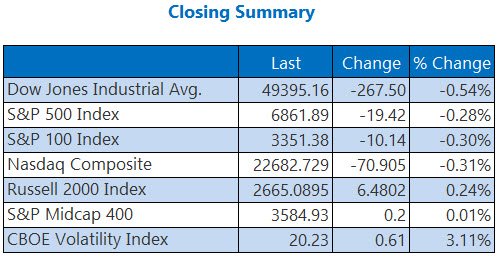
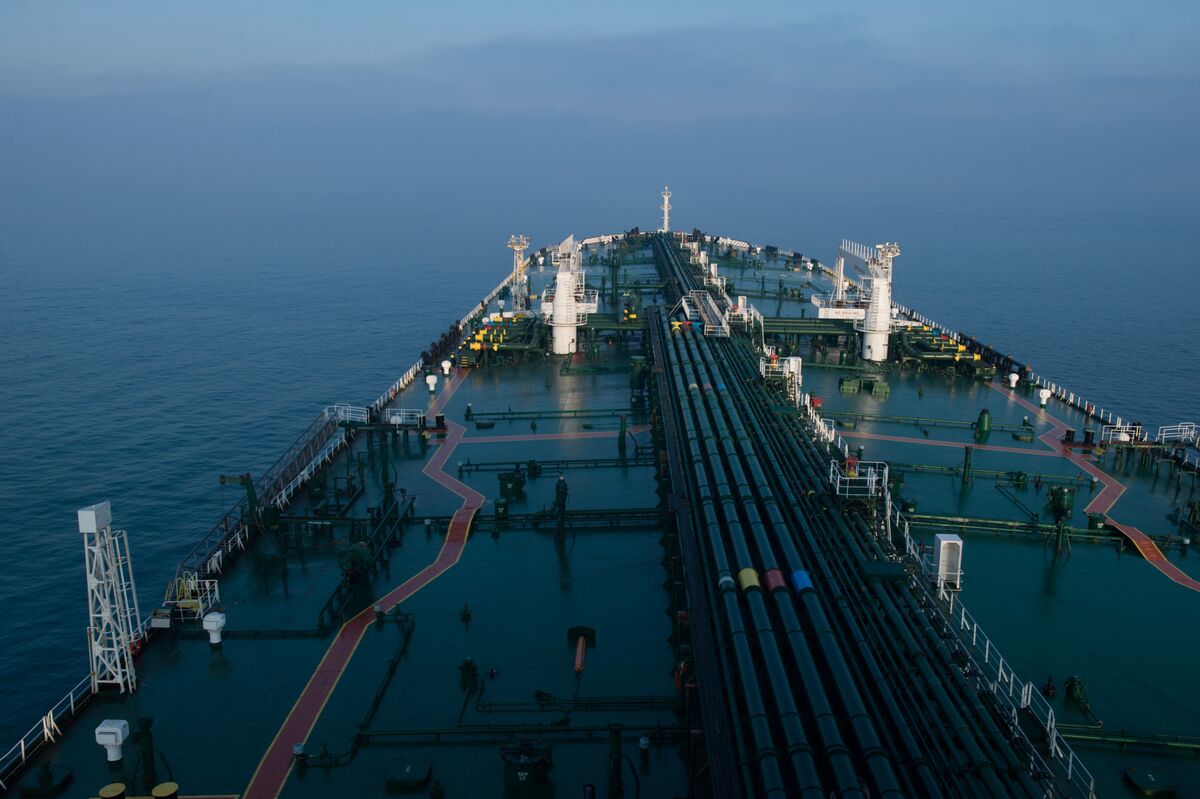
Geopolitical escalation in the Middle East is creating immediate cost pressures for cross-border e-commerce sellers. On February 19, 2026, the Dow fell 260+ points as U.S. military buildup ahead of potential Iran strikes sent Brent crude futures to $72/barrel—the highest level since summer 2025, representing a 1.9% single-day surge. The critical risk: analysts warn Iran could close the Strait of Hormuz, the world's busiest oil thoroughfare handling 20 million barrels daily (one-fifth of global demand). This geopolitical uncertainty directly translates to elevated logistics costs for Amazon FBA sellers, eBay merchants, and Shopify-based businesses relying on international fulfillment.
For e-commerce sellers, the operational impact is immediate and quantifiable. Rising crude oil prices trigger fuel surcharges on ocean and air freight within 2-4 weeks of price spikes. Sellers shipping via FBA to international fulfillment centers (Europe, Asia-Pacific) typically face 8-15% increases in per-unit logistics costs when oil exceeds $70/barrel. A seller moving 5,000 units monthly via ocean freight from China to US FBA warehouses could see monthly costs rise from $8,000-12,000 to $8,600-13,800. Air freight premiums are even steeper—expect 12-20% surcharges on expedited shipments. The trade deficit data (jumped above $70 billion in December, partly from gold trading volatility) signals broader economic uncertainty affecting consumer purchasing power, particularly in discretionary categories like electronics and home goods where cross-border sellers concentrate inventory.
Strategic sourcing and pricing adjustments are now urgent. Sellers should immediately audit their 3PL provider contracts for fuel surcharge clauses—most carriers implement automatic pass-throughs when crude exceeds $65-70/barrel. For Amazon FBA sellers, this means margin compression on low-velocity SKUs (products with slow turnover) becomes critical; consider consolidating slow-moving inventory or shifting to Fulfillment by Merchant (FBM) for lower-velocity items. Walmart's strong earnings (robust sales growth across income segments, continued strength in grocery and rapid online delivery) indicate consumer spending remains resilient despite market volatility, but discretionary categories face headwinds. Private credit concerns (Blue Owl selling $1.4B in loan assets; asset manager retreats) suggest small business lending will tighten, making seller access to working capital more expensive—expect 2-4% higher interest rates on inventory financing lines. PCE inflation at elevated levels (Federal Reserve monitoring closely) means consumer purchasing power is constrained, particularly for price-sensitive buyers in developing markets.
問題 7
What product categories should I focus on given current market conditions?
Prioritize three category clusters: (1) **Essentials & Consumables** (household goods, personal care, food-adjacent products)—Walmart's strong earnings prove these categories are recession-resistant and maintain pricing power. Growth potential: 10-15% YoY in cross-border channels. (2) **Energy-Efficient Products** (LED lighting, smart thermostats, solar accessories)—geopolitical tensions and oil price spikes drive consumer interest in energy independence; this category typically grows 20-30% during energy crises. (3) **Nearshored/Domestic-Origin Products**—emphasize products sourced from Mexico, Vietnam, or US-based suppliers to reduce geopolitical exposure in your marketing; consumers increasingly value supply chain transparency. Avoid discretionary categories (fashion, home decor, electronics) for new inventory—these face 2-4 quarter headwinds from trade deficit uncertainty and constrained consumer purchasing power.
How will Walmart's strong earnings affect my competition on Amazon and Walmart Marketplace?
Walmart's robust sales growth (strong earnings across income segments, continued strength in grocery and rapid online delivery) indicates the retailer is gaining market share in essentials and fast-moving categories. This creates two opportunities for sellers: (1) Essentials categories (household goods, consumables, grocery-adjacent products) show strong demand—increase inventory in these categories by 15-20% if you have margin capacity. (2) Walmart Marketplace is growing faster than Amazon in certain regions; consider expanding your Walmart seller account if you're currently Amazon-only. However, Walmart's emphasis on rapid delivery means you'll need reliable 3PL partners or FBA access to compete. The earnings also signal that Walmart is investing heavily in logistics infrastructure, which could pressure smaller sellers on price—focus on differentiation (niche products, unique sourcing) rather than competing on price alone.