
Answer Engine Optimization Reshapes E-Commerce Marketing | 2x PR Budget Surge by 2027
- AI search platforms (ChatGPT 608M, Perplexity 262M visits) favor earned media; sellers must shift 50%+ budgets from paid search to PR and content by 2027 to maintain visibility
概览
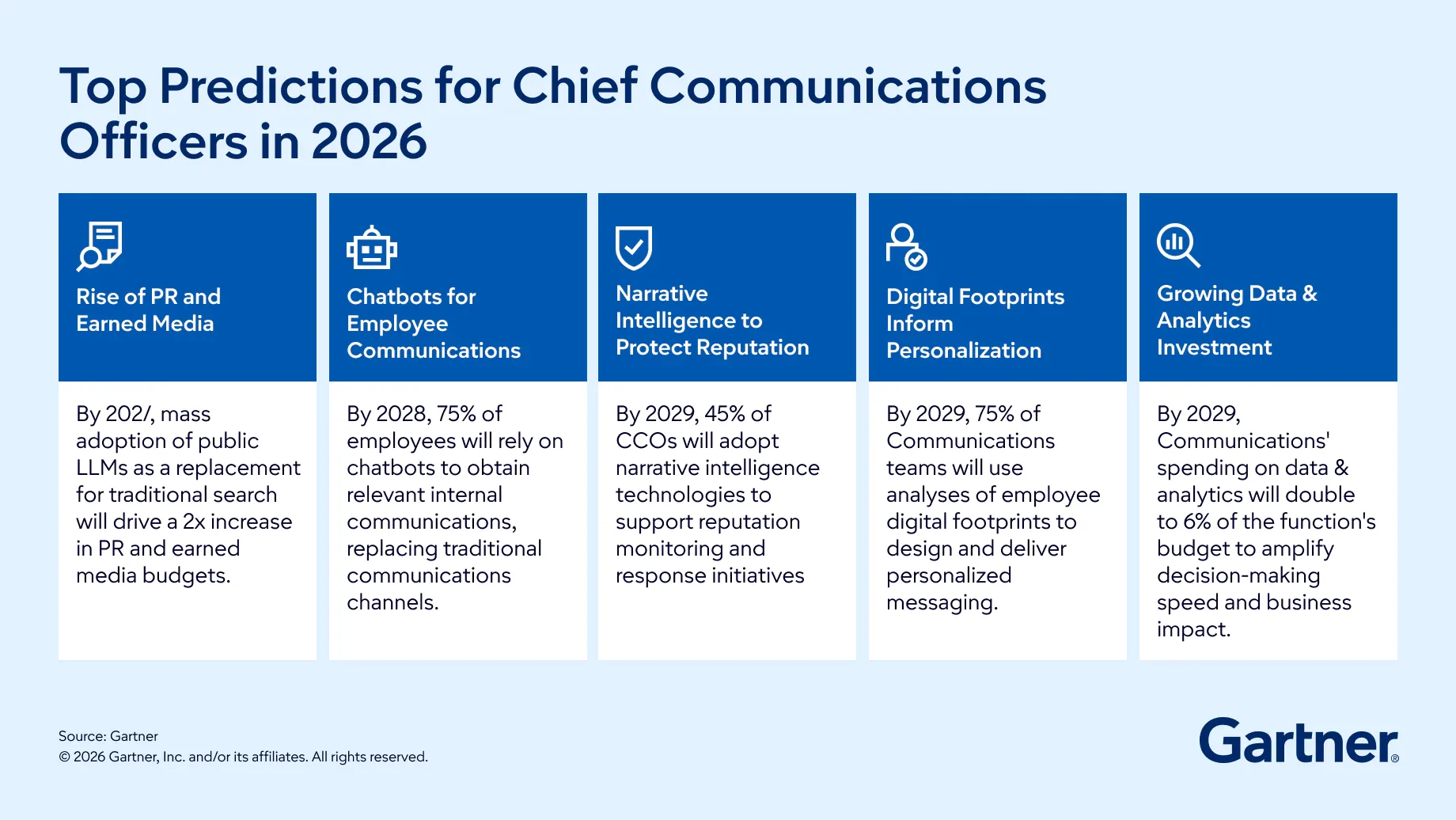
The fundamental shift in consumer discovery is forcing e-commerce sellers to completely restructure their marketing budgets. According to Gartner's February 2026 research, AI-powered search engines like ChatGPT and Perplexity are capturing explosive traffic growth—608 million and 262 million monthly visits respectively—while traditional search engines experience marginal declines. The critical finding: 95% of sources cited by AI search engines are non-paid content, with 27% coming directly from earned media, fundamentally inverting the traditional paid search dominance that has defined digital marketing for two decades.
For cross-border e-commerce sellers, this represents an immediate threat to customer acquisition strategies. Sellers relying primarily on Google Shopping, Amazon Sponsored Products, and Facebook/TikTok paid ads face declining visibility as consumers increasingly discover products through AI answer engines. When a consumer asks ChatGPT "What's the best wireless headphone under $100?" the algorithm surfaces earned media sources—tech reviews, industry publications, brand press releases—not paid search results. This means sellers without credible third-party coverage will be invisible in AI-generated answers, directly impacting traffic and conversions. Gartner's prediction of a 2x increase in PR and earned media budgets by 2027 reflects this reality: brands must invest in answer engine optimization (AEO) to secure placement in AI responses.
The operational impact varies significantly by seller segment and category. Large sellers (1000+ SKUs) with established brand recognition can leverage existing media relationships and owned platforms (brand websites, YouTube channels, email lists) to feed AI algorithms with credible content. Mid-market sellers (100-500 SKUs) face higher costs—estimated $5,000-15,000 monthly for PR agencies and content creation—to build earned media presence. Small sellers (<100 SKUs) must focus on niche community engagement, industry forums, and micro-influencer partnerships (lower CAC at $2-8 per acquisition) rather than traditional PR. Categories like electronics, home goods, and beauty see the highest AI search volume, making AEO investment most critical for these segments.
The strategic pivot requires immediate action on multiple fronts. Sellers must develop authentic brand storytelling that appeals to both AI algorithms and human audiences—moving away from transactional product descriptions toward educational content, sustainability narratives, and industry expertise. This includes securing mentions in tech blogs, industry publications, and review sites; building owned content channels (blogs, YouTube, podcasts); and cultivating relationships with micro-influencers in target niches. The competitive advantage goes to sellers who adapt fastest: those investing in AEO now will dominate AI-driven discovery by 2027, while those clinging to traditional paid search will experience 20-40% traffic declines as AI adoption accelerates.
問題 8
What specific content strategies should sellers implement to optimize for AI answer engines?
Sellers should develop three-pillar content strategies: (1) Authentic brand storytelling through blogs, YouTube, and podcasts that educate rather than sell—focusing on industry expertise, sustainability, and product development narratives; (2) Earned media generation through PR outreach to tech blogs, industry publications, and review sites to secure credible third-party mentions; (3) Owned platform development including brand websites, email lists, and community forums that feed AI algorithms with authoritative content. Avoid transactional product descriptions; instead, create content answering consumer questions ('How to choose wireless headphones,' 'Best budget electronics 2027'). This approach improves both AI visibility and human engagement, with typical CAC dropping 30-40% as organic traffic increases.
Which seller segments face the highest risk from this shift away from paid search?
Small sellers (<100 SKUs) and those in low-trust categories (supplements, electronics, beauty) face the highest risk. These sellers typically lack established brand recognition and media relationships needed to generate earned coverage. They've relied on paid search and sponsored ads for 70-80% of traffic, making them vulnerable to declining paid search visibility. Mid-market sellers (100-500 SKUs) face moderate risk but can build earned media presence through niche influencer partnerships ($2-8 CAC). Large sellers (1000+ SKUs) with established brands face lowest risk due to existing media relationships and owned platforms. Sellers in high-credibility categories (home goods, wellness, education) can leverage third-party reviews more effectively.