




$10B Gaza Reconstruction Creates Supply Chain Opportunities for Construction & Infrastructure Sellers
- $10 billion allocation for Rafah rebuilding within 3 years opens B2B procurement windows for construction materials, logistics, and infrastructure equipment sellers targeting Middle East reconstruction contracts







概览
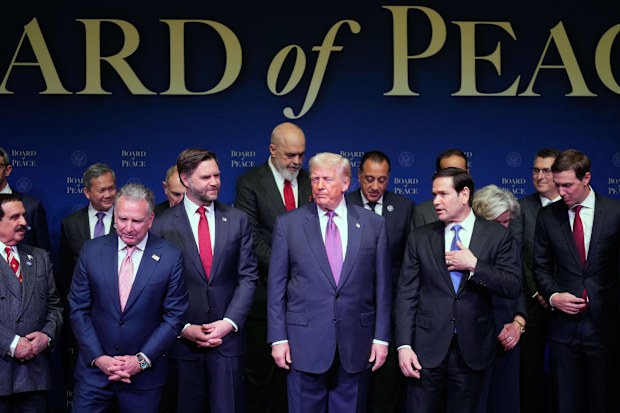
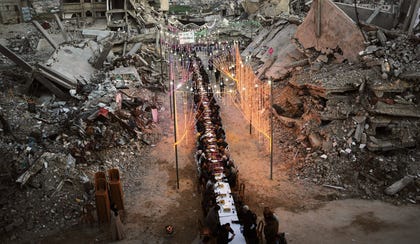
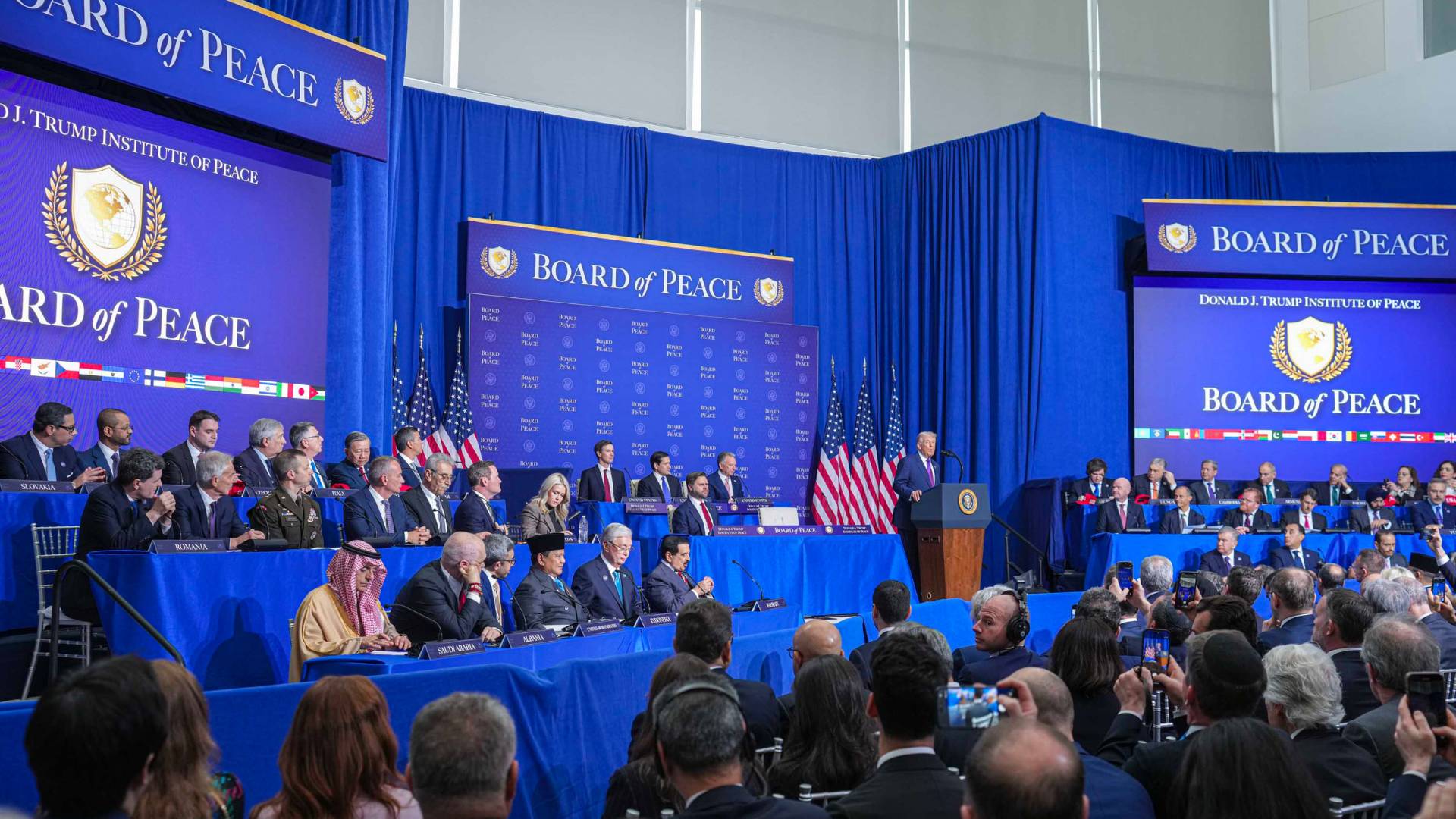
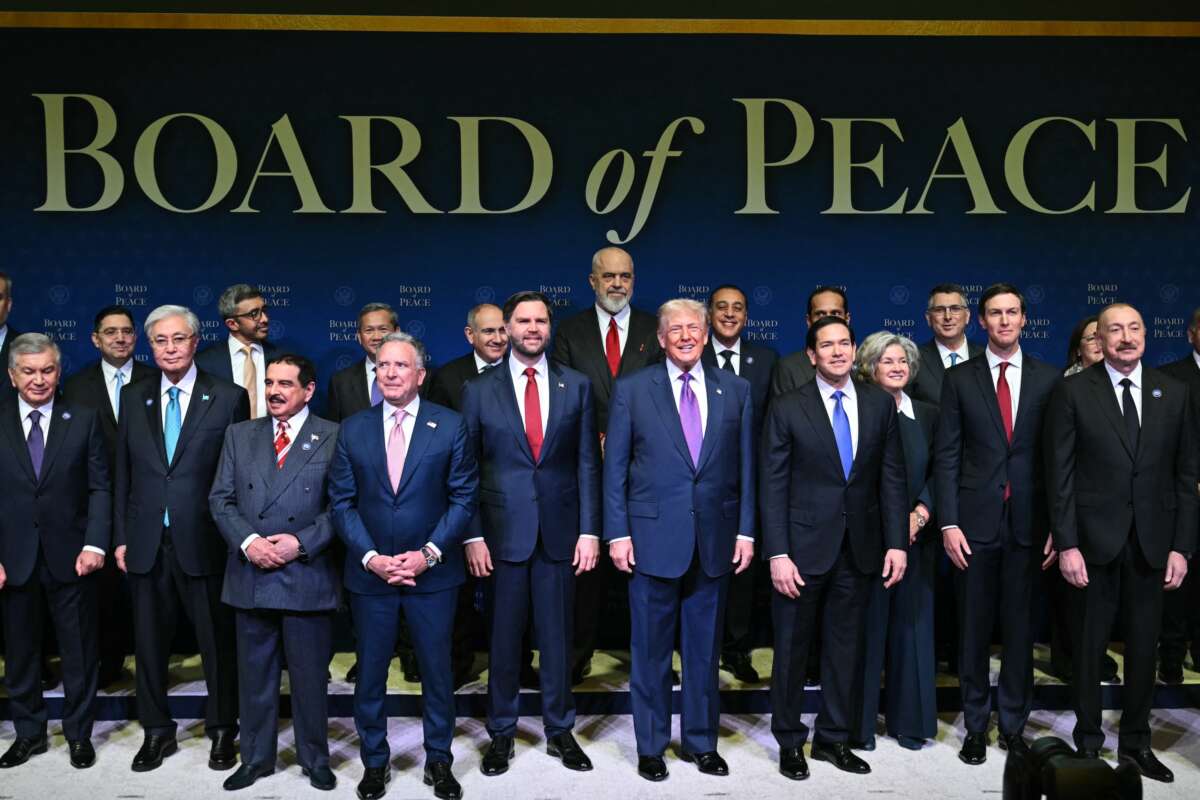
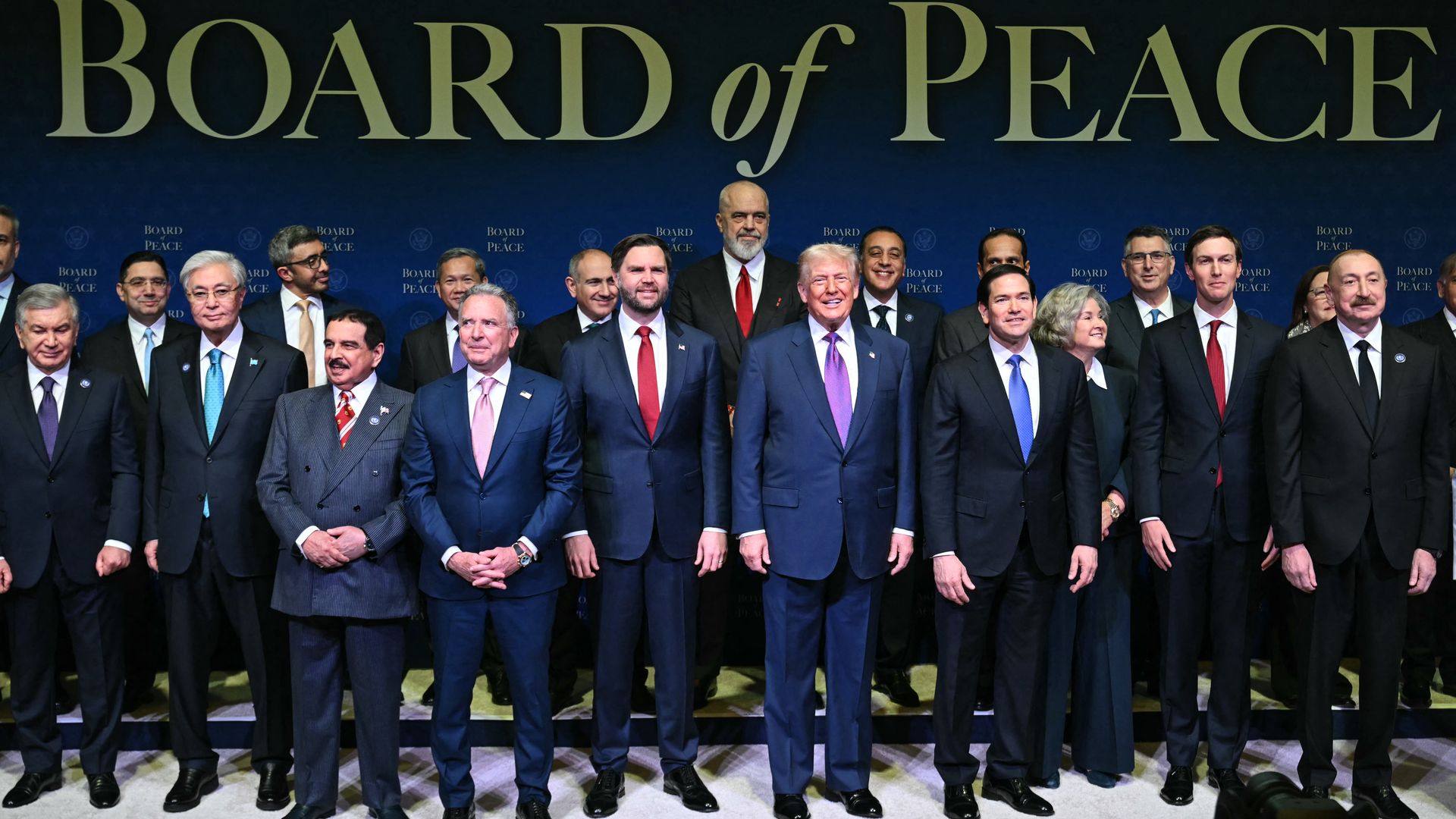
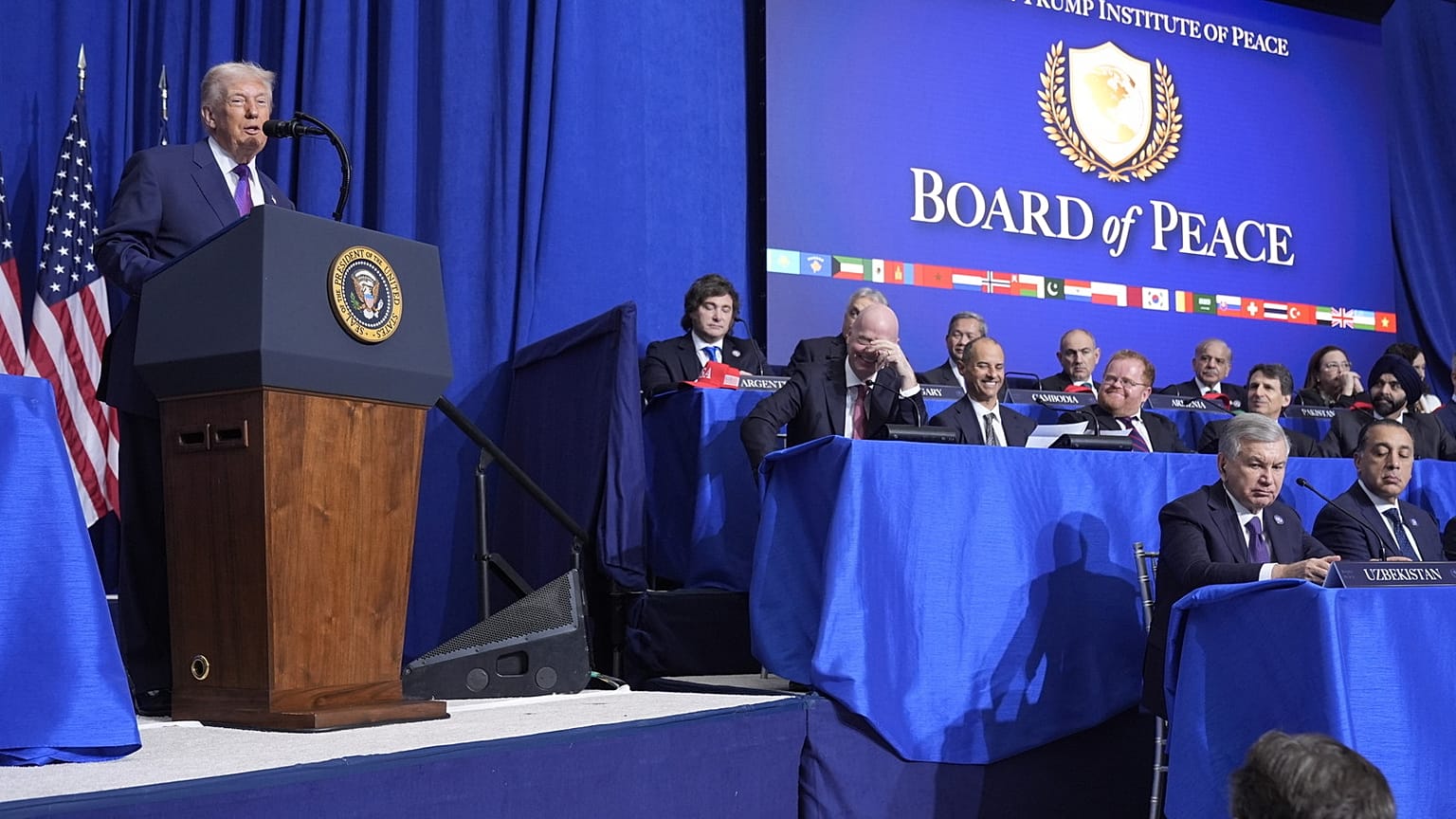
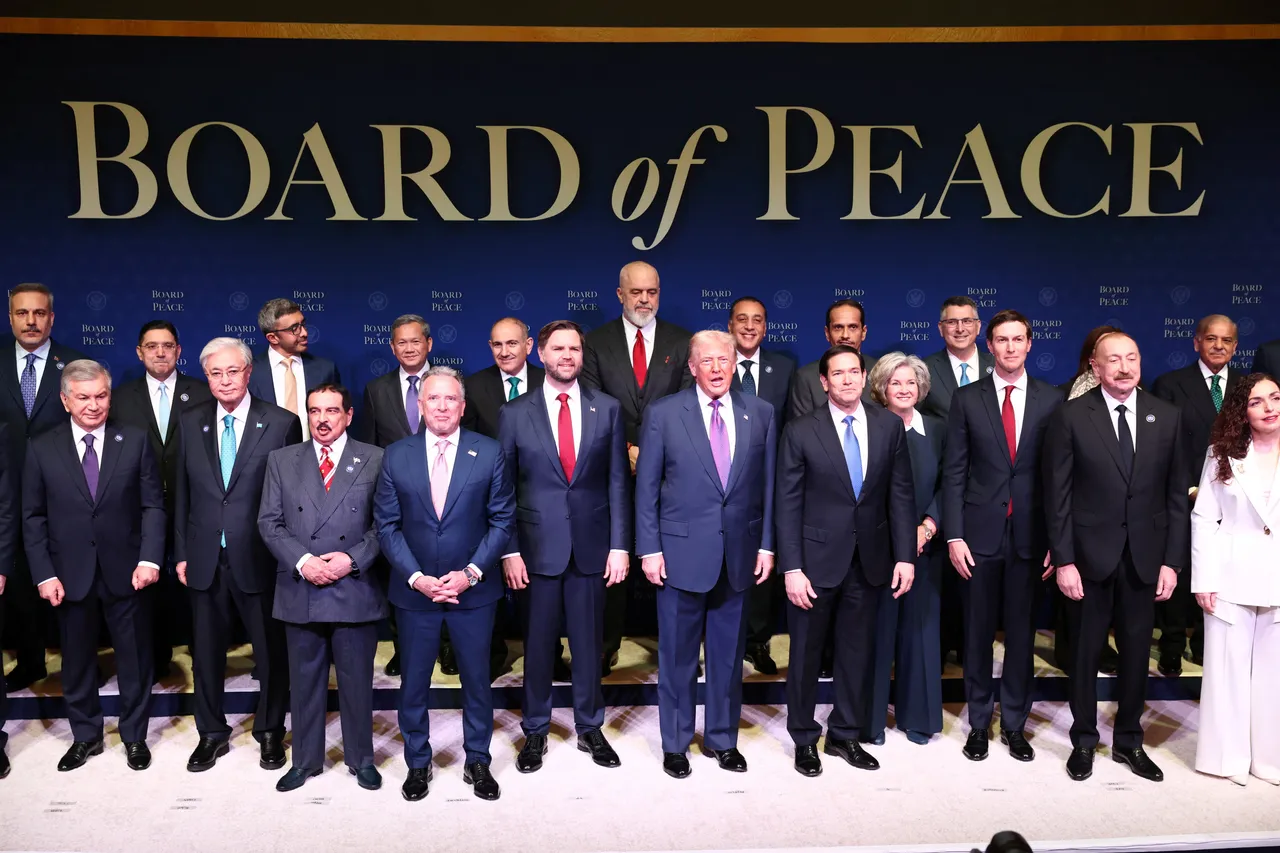
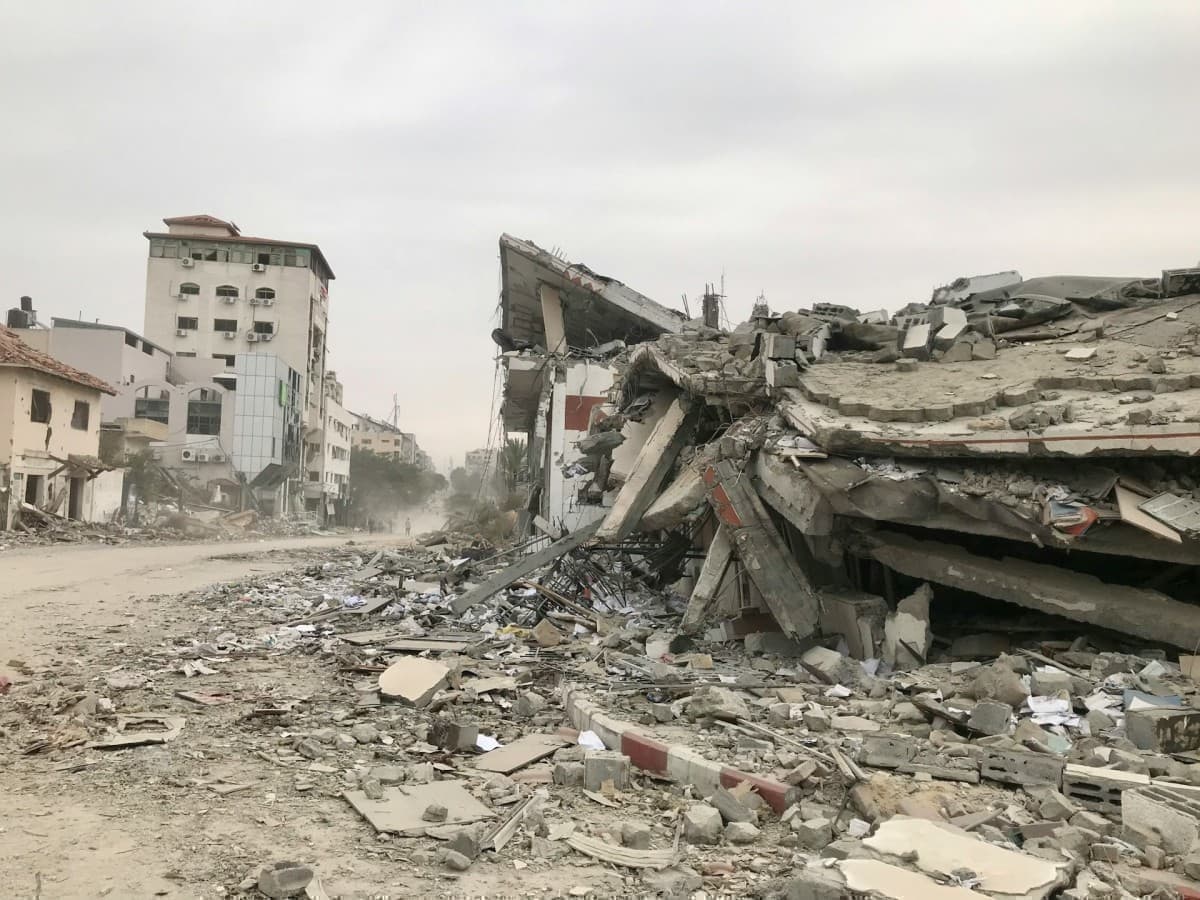
The Trump administration's newly established Board of Peace announced a $10 billion Gaza reconstruction initiative (February 2026) with ambitious timelines: rebuilding Rafah within three years, establishing self-governance within a decade, and deploying a 20,000-troop International Stabilisation Force. This represents a significant procurement opportunity for cross-border sellers in construction materials, infrastructure equipment, and logistics services. The initiative's scope includes residential towers, data centers, and seaside resorts—categories requiring massive imports of building materials, electrical systems, HVAC equipment, and telecommunications infrastructure.
Key Market Opportunities: The three-year Rafah reconstruction timeline creates urgent demand for HS codes including: 7308 (structural steel), 7326 (fabricated steel products), 7610 (aluminum structures), 3916 (plastic pipes), 8537 (electrical control apparatus), and 8504 (electrical transformers). Sellers with existing supply chains to Middle East markets can capitalize on this window before major construction firms establish direct relationships. The $10 billion budget suggests procurement will flow through international contractors, creating B2B e-commerce opportunities on platforms like Alibaba, Global Sources, and specialized construction marketplaces.
Competitive Dynamics: The editorial's emphasis on "external investors" and "private interests" indicates the reconstruction will prioritize efficiency and cost-optimization over local sourcing. This favors established cross-border suppliers from China, India, and Vietnam who can offer competitive pricing on bulk construction materials. Small-to-medium sellers (SMEs) with specialized products (solar panels, water treatment systems, prefabricated housing components) can target niche procurement needs. The two-year UN mandate creates urgency—procurement decisions must accelerate in 2026-2027 before the transitional administration expires.
Geopolitical Risk Factors: The news emphasizes governance concerns and Palestinian skepticism about the initiative. This creates supply chain volatility: potential project delays, shifting priorities, or political complications could disrupt procurement timelines. Sellers should monitor Board of Peace announcements and UN Security Council updates for policy changes. The absence of major European allies from the inaugural meeting suggests EU-based suppliers may face competitive disadvantages, while US and Asia-Pacific sellers could gain preferred access through Trump administration connections.
問題 7
What compliance and documentation requirements apply to Gaza reconstruction procurement?
The news reports the Board operates under UN Security Council authorization, meaning procurement likely requires UN compliance documentation and potentially sanctions screening. Sellers must verify that products and supply chains comply with any UN embargoes or restrictions on Gaza-related trade. The 20,000-troop International Stabilisation Force deployment suggests military-grade logistics and security equipment may require export licenses. Sellers should consult trade compliance specialists before pursuing contracts. Documentation requirements will likely include: proof of origin, export licenses for controlled items, UN vendor registration (for direct UN contracts), and potentially security clearances for sensitive infrastructure projects. The compressed timeline means sellers must prepare compliance documentation immediately—delays in obtaining export licenses could eliminate contract opportunities.
How can SME sellers compete for Gaza reconstruction contracts against major construction firms?
Small-to-medium sellers should target specialized niche products rather than competing on bulk commodity materials. The news indicates plans for 'data centers and seaside resorts,' creating demand for specialized equipment: solar panels, water treatment systems, prefabricated housing components, smart building systems, and telecommunications infrastructure. SMEs can differentiate through technical expertise, rapid customization, and established relationships with international contractors. Alibaba and Global Sources platforms enable direct B2B connections with procurement teams. Sellers should position products as solutions for rapid deployment (supporting the three-year timeline) and cost-optimization (supporting the 'external investor' focus mentioned in the news). Niche suppliers in renewable energy, water management, and modular construction can command premium pricing while avoiding direct competition with major suppliers.