


Ukraine Crisis Reshapes European E-Commerce Supply Chains | 9M Displaced Consumers Create Market Disruption
- 4M internally displaced Ukrainians + 5M refugees across Europe signal major logistics route changes, consumer purchasing power shifts, and emerging opportunities in humanitarian-focused product categories for cross-border sellers







概览
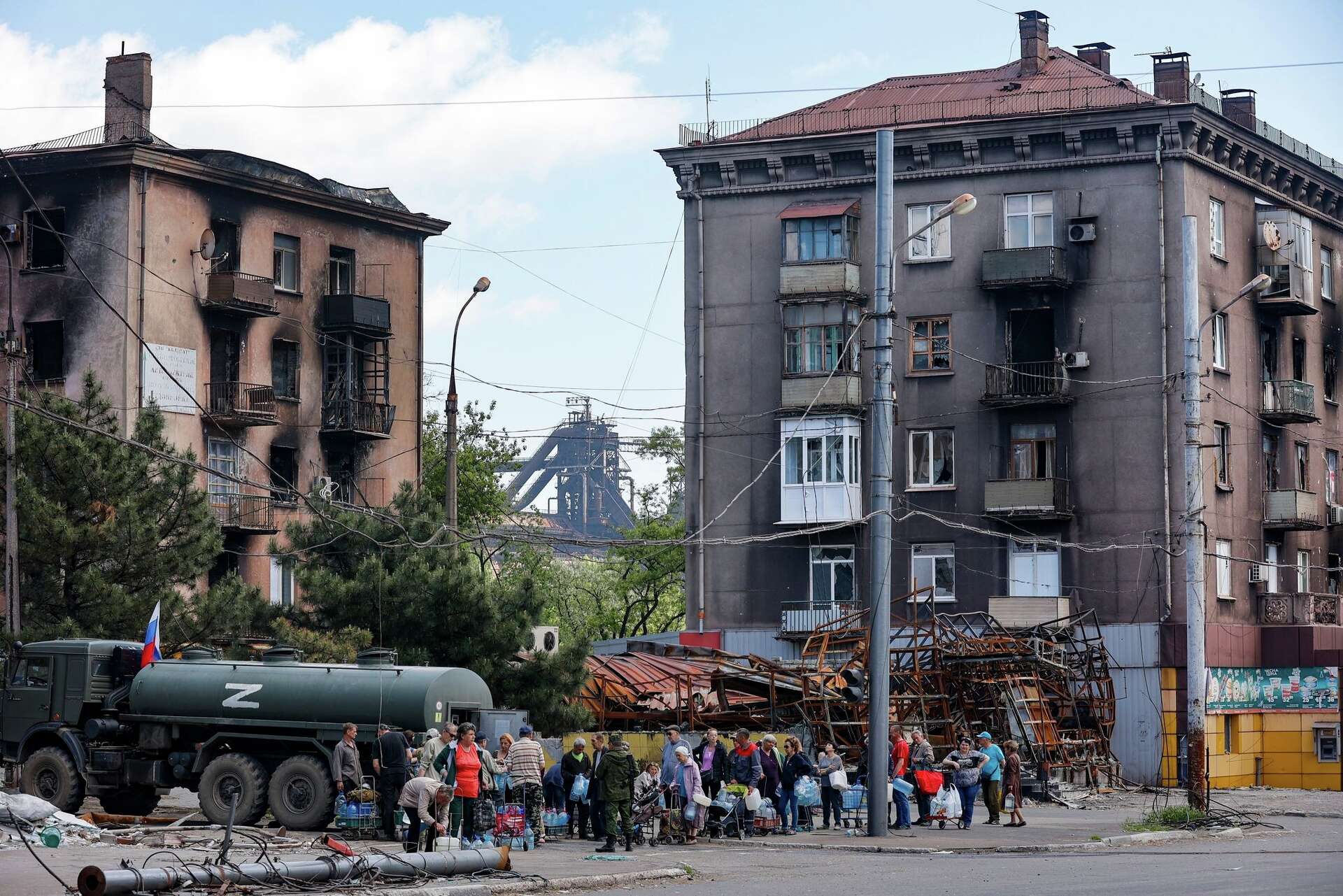
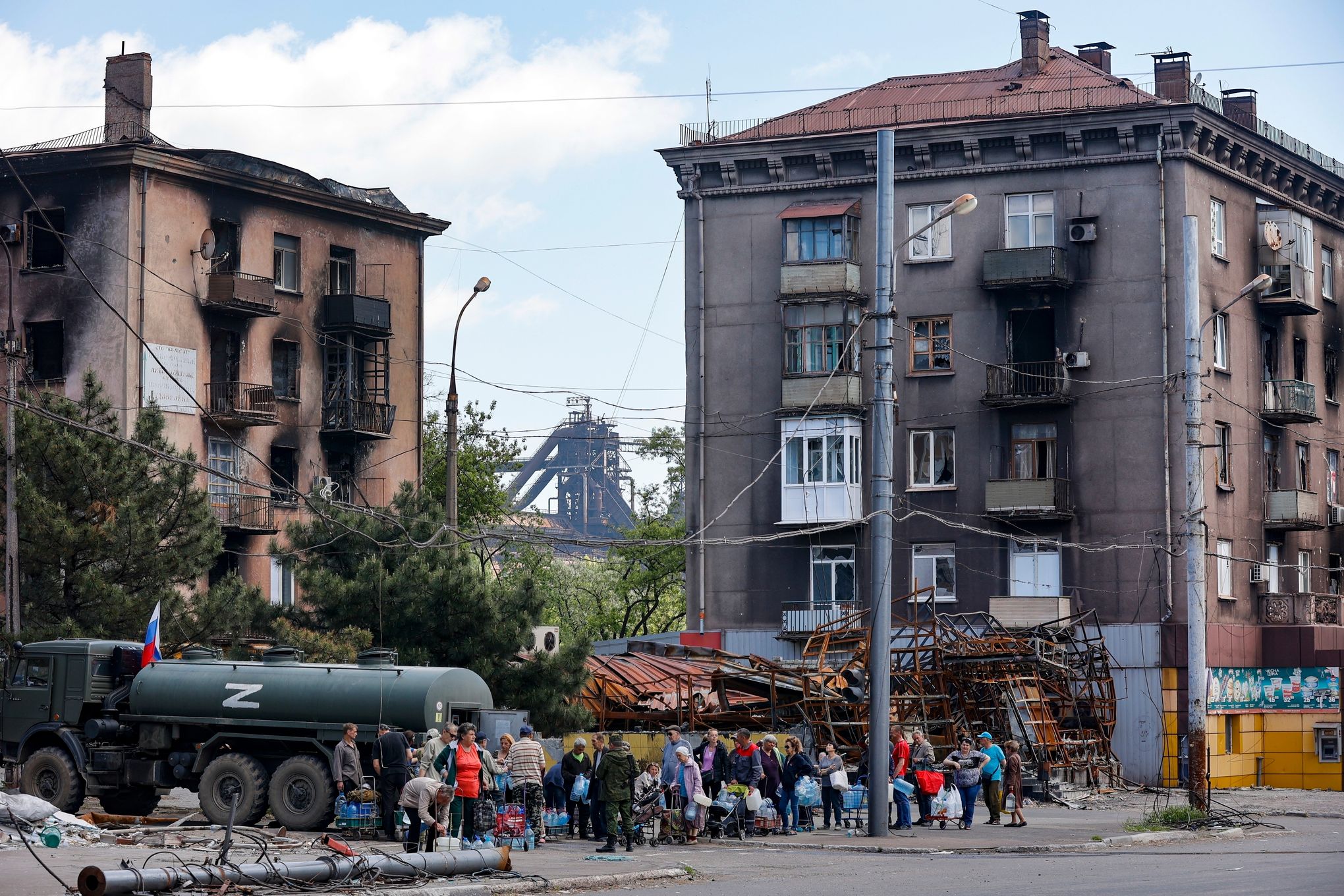
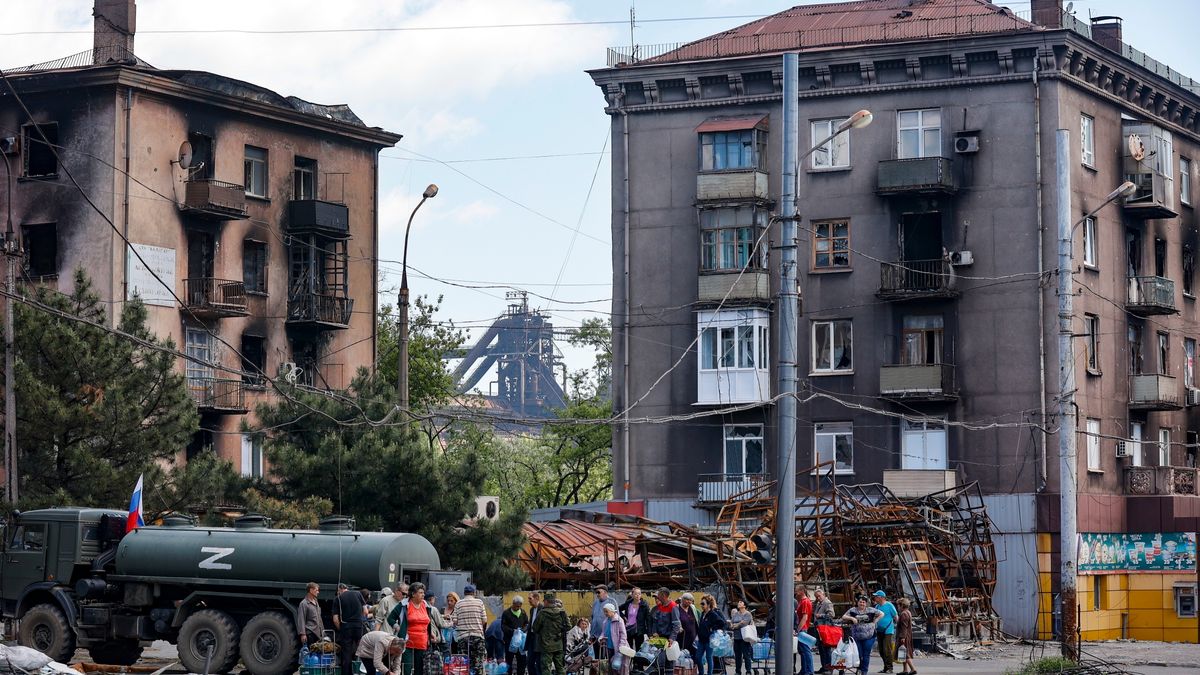
The ongoing Russia-Ukraine conflict, now Europe's largest military conflict since World War II, has created a humanitarian crisis affecting approximately 9 million Ukrainians—4 million internally displaced and 5 million who have fled to European nations. This geopolitical disruption carries significant but indirect implications for cross-border e-commerce sellers operating in European markets and those with supply chain dependencies in Eastern Europe.
Supply Chain and Logistics Implications: The conflict has fundamentally altered logistics corridors across Eastern Europe. Traditional shipping routes through Ukraine and Russia are severely compromised, forcing 3PL providers and fulfillment networks to reroute shipments through alternative corridors (Poland, Romania, Baltic states). This increases transit times by 5-14 days and shipping costs by 8-15% for sellers using European distribution centers. Sellers relying on Ukrainian manufacturing or warehousing—particularly in Donbas's industrialized regions of Donetsk and Luhansk—face supply disruptions. The Norwegian Refugee Council reports that remaining internally displaced populations face "deteriorating conditions as aid diminishes and savings deplete," indicating reduced consumer purchasing power in affected regions.
Consumer Market Shifts and Emerging Opportunities: The displacement of 9 million people creates distinct e-commerce opportunities. The 5 million Ukrainian refugees now distributed across European nations (Poland, Germany, Czech Republic, UK) represent a new consumer segment with specific purchasing needs: household essentials, clothing, electronics, and culturally relevant products. This diaspora community shows elevated demand for Ukrainian-branded goods, heritage products, and items supporting humanitarian causes. Sellers can capitalize on this through: (1) targeted Amazon and eBay campaigns in Polish, German, and Czech marketplaces; (2) specialty categories like Ukrainian food products, traditional crafts, and diaspora-focused merchandise; (3) cause-marketing strategies linking sales to humanitarian relief organizations. Historical patterns from refugee populations show 18-24 month elevated spending on household goods and personal items as displaced communities rebuild.
Risk Mitigation for Sellers: Sellers with inventory, suppliers, or fulfillment operations in Ukraine face ongoing operational risks. The conflict's duration (now 4+ years with no resolution in sight, per President Zelenskiy's refusal to cede Donbas territory) suggests long-term supply chain disruption. Sellers should: diversify supplier bases away from Ukrainian manufacturers, evaluate alternative 3PL providers in Poland or Romania, and monitor customs documentation requirements as EU trade policies evolve. Additionally, the humanitarian crisis creates compliance considerations—sellers should verify that products marketed as "Ukrainian-made" or "supporting Ukraine" meet advertising standards and actually contribute to relief efforts.
問題 7
How should I adjust my 3PL and fulfillment strategy for European operations?
Evaluate 3PL providers in Western Europe (Germany, Poland, Netherlands) rather than Eastern Europe. The conflict has made Eastern European fulfillment centers less reliable for cross-border operations. Western European 3PLs offer: (1) stable infrastructure unaffected by conflict; (2) better connectivity to EU markets; (3) established customs and VAT compliance systems. Expect to pay 10-15% more for Western European 3PL services versus pre-war Eastern European rates, but gain supply chain stability. If you currently use Ukrainian or Russian 3PLs, transition to alternatives by Q2 2025. Monitor your 3PL provider's geographic diversification—avoid single-country dependencies.
What alternative sourcing regions should I evaluate to replace Ukrainian suppliers?
Poland, Czech Republic, and Romania offer the most viable alternatives for Eastern European sourcing. Poland has developed manufacturing capacity in electronics, textiles, and machinery—similar to pre-war Ukrainian production. Czech Republic specializes in precision manufacturing and automotive components. Romania offers lower-cost alternatives for labor-intensive categories. All three have stable EU membership, established trade relationships, and functioning logistics infrastructure. Evaluate suppliers in these regions by Q1 2025 if you currently depend on Ukrainian sources. Shipping costs from these alternatives are 5-8% higher than pre-war Ukraine rates but 3-5% lower than Western European alternatives.