


Trump Tariff Burden Report | 90% Cost Shift to US Importers Reshapes Seller Pricing Strategy
- Federal Reserve study confirms American importers absorb 90% of tariff costs, forcing immediate pricing and sourcing recalculation for cross-border sellers in 2026









概览
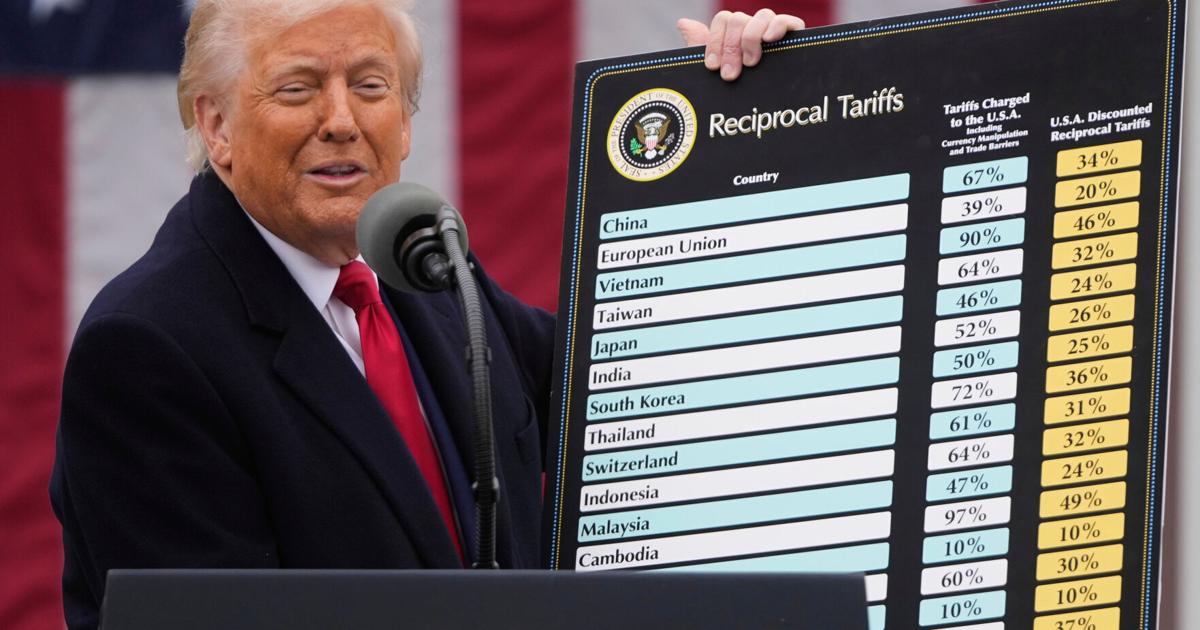
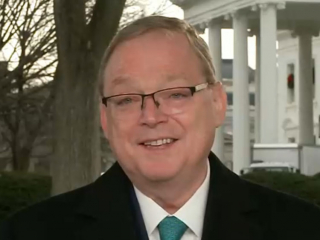
The New York Federal Reserve's February 2026 study on tariff burden distribution has created a critical inflection point for cross-border e-commerce sellers. The research definitively establishes that American importers and consumers bear approximately 90% of tariff costs—not foreign exporters as the Trump administration claims. This finding, published on the Federal Reserve's Liberty Street Economics platform and validated through detailed economic modeling that accounts for import volume changes and global supply chain shifts, directly contradicts National Economic Council Director Kevin Hassett's public dismissal of the research on February 18-19, 2026.
For cross-border sellers, this 90% cost absorption rate fundamentally alters profit margin calculations. If you're importing products from China, Vietnam, or India into the US market, you're absorbing nearly all tariff expenses rather than passing them to consumers. This means a seller importing electronics with a 25% tariff rate effectively sees a 22.5% cost increase (90% of 25%) that cannot be fully recovered through price increases without losing competitive positioning. The Federal Reserve's methodology—calculating average duty rates by dividing total monthly tariff revenue by total import values—provides the most reliable tariff burden assessment available, making this the baseline for strategic sourcing decisions.
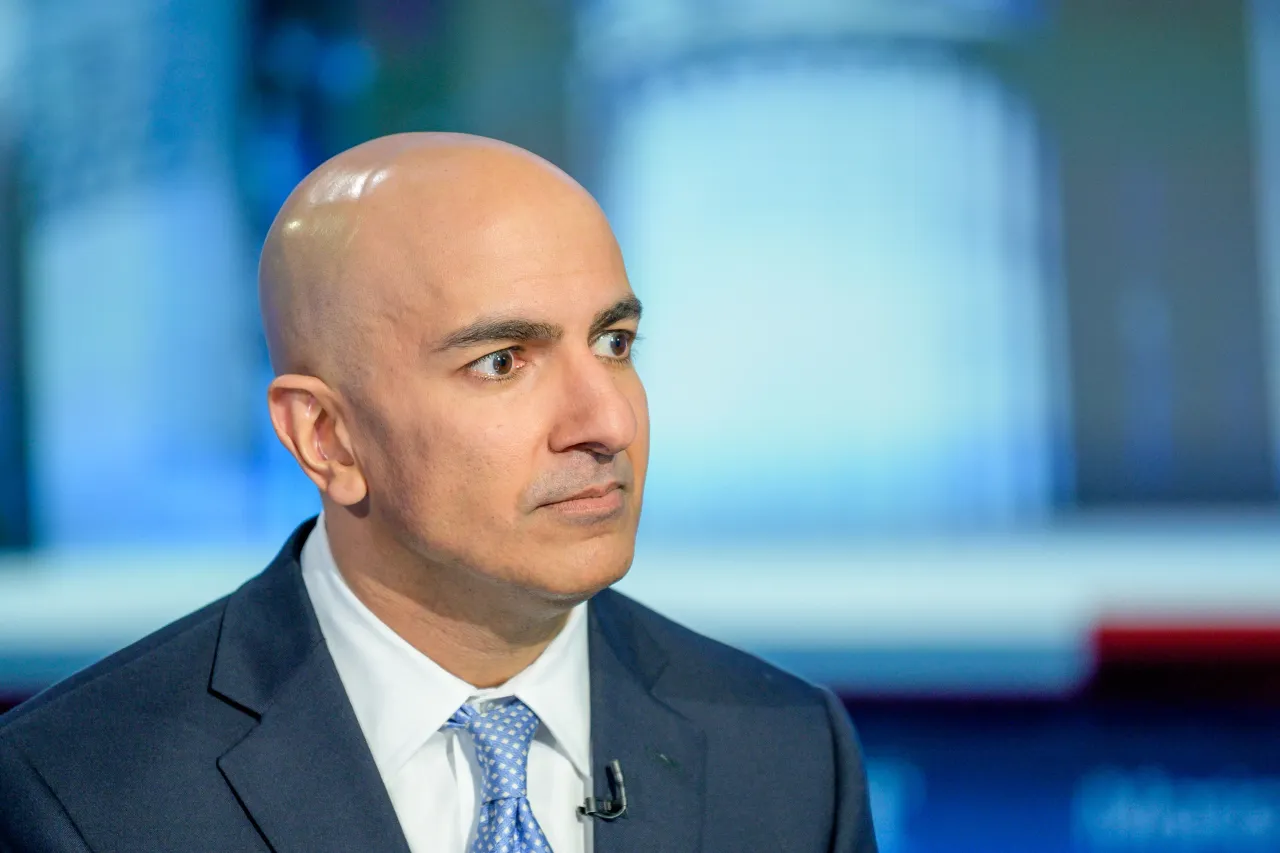
The policy uncertainty window is narrowing rapidly. The administration's aggressive response to the Federal Reserve study (including criminal inquiries into Fed Chair Jerome Powell and attempts to remove Governor Lisa Cook) signals that tariff policy remains volatile through 2026. However, the Fed's institutional independence, defended by Minneapolis Federal President Neel Kashkari on February 20, 2026, suggests this research will continue informing market expectations. Sellers must assume the 90% cost absorption figure as their planning baseline rather than hoping for tariff relief or price pass-through to consumers.
Strategic implications vary dramatically by product category and sourcing geography. High-margin categories (jewelry, electronics, specialty goods) can absorb tariff costs more easily than low-margin categories (apparel, basic goods, commodity items). Sellers sourcing from tariff-advantaged countries (Mexico under USMCA, India under preferential agreements) face significantly lower effective tariff burdens than those sourcing from China. The supply chain shift data embedded in the Federal Reserve study indicates that import volumes have already adjusted downward in response to tariffs, meaning competitors have already begun shifting sourcing—creating both threats and opportunities for sellers who move quickly.
問題 8
How does the 90% tariff cost absorption rate affect my Amazon FBA profit margins?
If you import products with a 25% tariff rate, you absorb approximately 22.5% of that cost (90% of 25%) that cannot be passed to consumers without losing competitiveness. The Federal Reserve study published February 2026 confirms this burden distribution through detailed economic modeling. For a product with 40% gross margins, a 25% tariff reduces effective margins to approximately 15-18% after accounting for the cost absorption. You must immediately recalculate your FBA profitability using the 90% absorption assumption rather than assuming tariff pass-through. This typically requires either sourcing from tariff-advantaged countries (Mexico, India) or exiting low-margin categories entirely.
How should I monitor tariff policy changes and Federal Reserve communications?
Subscribe to the Federal Reserve's Liberty Street Economics blog (libertystreeteconomics.newyorkfed.org) for monthly tariff burden updates and economic analysis. Monitor the US International Trade Commission (usitc.gov) for tariff rate changes by HS code. Track competitor pricing on Amazon and eBay weekly to identify sourcing shifts and pricing strategy changes. Set calendar alerts for Federal Reserve policy announcements (typically monthly) and administration trade policy statements. The 90% cost absorption finding is now the baseline assumption—any policy changes will be measured against this benchmark. Allocate 2-3 hours monthly to tariff policy monitoring to stay ahead of competitive sourcing shifts.