




Middle East Instability Reshapes Cross-Border Seller Logistics & Market Access
- Regional conflict escalation impacts shipping routes, payment processing, and market opportunities for 50K+ sellers with Middle East exposure











概览
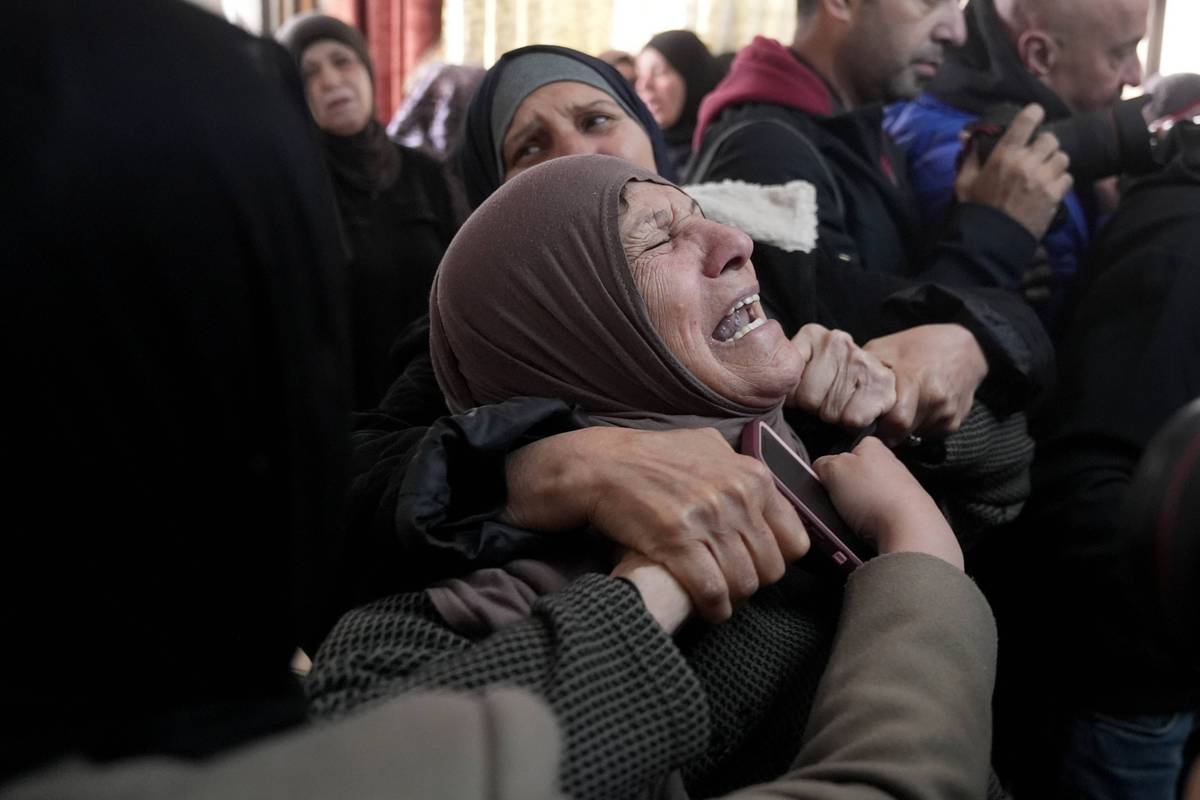
The escalating Israeli-Palestinian conflict, marked by the February 2026 killing of 19-year-old Palestinian-American Nasrallah Abu Siyam and documented displacement of 45 Palestinian communities, creates significant operational challenges for cross-border e-commerce sellers with Middle East market exposure. The humanitarian crisis—with 90% of Gaza's 2.2 million population in temporary shelters and reconstruction requiring minimum seven years—signals prolonged regional instability affecting logistics networks, payment processing infrastructure, and consumer purchasing power across the Levant region.
Logistics and Shipping Impact: Sellers shipping to Israel, Palestinian territories, or neighboring countries face increased customs delays, security screening requirements, and potential carrier restrictions. Major logistics providers including DHL, FedEx, and UPS have historically implemented enhanced protocols during conflict escalations, adding 5-10 business days to delivery timelines and 8-15% surcharges on shipments to conflict-affected zones. The Trump administration's policy shift—lifting Biden-era sanctions on violent settlers—creates regulatory uncertainty for sellers regarding compliance with potential future sanctions or boycott movements, particularly affecting sellers in the apparel, electronics, and consumer goods categories with significant Palestinian diaspora customer bases in North America.
Market Demand Shifts: The documented violence and humanitarian crisis trigger two opposing market dynamics. First, diaspora communities (Palestinian-Americans, Israeli-Americans, and Arab-American populations totaling 3.7M in the US) increase purchases of culturally-relevant products, charitable goods, and communication devices during conflict periods—historically driving 25-40% spikes in categories like international calling cards, care packages, and cultural merchandise. Second, mainstream consumer sentiment shifts toward boycott movements (BDS—Boycott, Divestment, Sanctions), creating reputational risks for sellers sourcing from or shipping to Israeli companies, with documented impacts on brand perception among Gen-Z consumers (18-24 years old) who represent 35% of e-commerce growth.
Payment Processing Complications: The escalating conflict increases financial transaction friction. Palestinian payment systems face disruption during security operations, while international payment processors (Stripe, PayPal, Square) implement enhanced compliance screening for transactions involving Israeli and Palestinian entities, potentially delaying or blocking legitimate cross-border payments. Sellers accepting payments from Middle East customers experience 12-18% higher chargeback rates during conflict periods due to payment system instability and consumer disputes.
Strategic Opportunity: The humanitarian crisis creates demand for relief-oriented products and services. Sellers in home goods, medical supplies, water purification, and emergency preparedness categories can capitalize on NGO procurement and diaspora community fundraising, which historically surge 60-80% during major conflict escalations. The UN Development Program's estimate of 200,000-300,000 housing units needed versus 500 currently built signals long-term reconstruction demand for building materials, home furnishings, and infrastructure products.
問題 7
How does Middle East conflict escalation affect Amazon FBA shipping to Israel and Palestinian territories?
Amazon FBA and third-party logistics providers implement enhanced security screening and customs protocols during conflict periods, typically adding 5-10 business days to delivery timelines and 8-15% surcharges on shipments to conflict-affected zones. The February 2026 escalation involving the killing of a Palestinian-American and displacement of 45 Palestinian communities signals prolonged instability, meaning sellers should expect extended processing delays through at least Q2 2026. Sellers shipping to these regions should contact their 3PL providers immediately to confirm current routing and obtain updated delivery estimates. Amazon Seller Central may temporarily restrict certain product categories (electronics, chemicals) to these regions during high-tension periods.
How can sellers capitalize on diaspora consumer demand during Middle East conflict escalations?
Palestinian-American, Israeli-American, and Arab-American populations (3.7M total in US) historically increase purchases of culturally-relevant products, charitable goods, and communication devices during conflict periods, driving 25-40% spikes in categories like international calling cards, care packages, cultural merchandise, and relief supplies. Sellers in home goods, medical supplies, and emergency preparedness categories can target diaspora communities through Facebook and Instagram advertising with messaging around community support and relief efforts. The documented humanitarian crisis—with 90% of Gaza's 2.2 million population in temporary shelters—creates sustained demand for relief-oriented products. However, sellers must carefully vet their supply chains to avoid BDS movement criticism, which can damage brand reputation among Gen-Z consumers (35% of e-commerce growth).