





Middle East Geopolitical Tensions Impact Cross-Border Seller Risk | 2026 Policy Uncertainty
- US Ambassador statements signal potential policy shifts affecting Middle East trade routes, logistics corridors, and seller operations in Israel, Palestine, Jordan, Syria, Lebanon, Saudi Arabia, and Iraq regions





)





概览
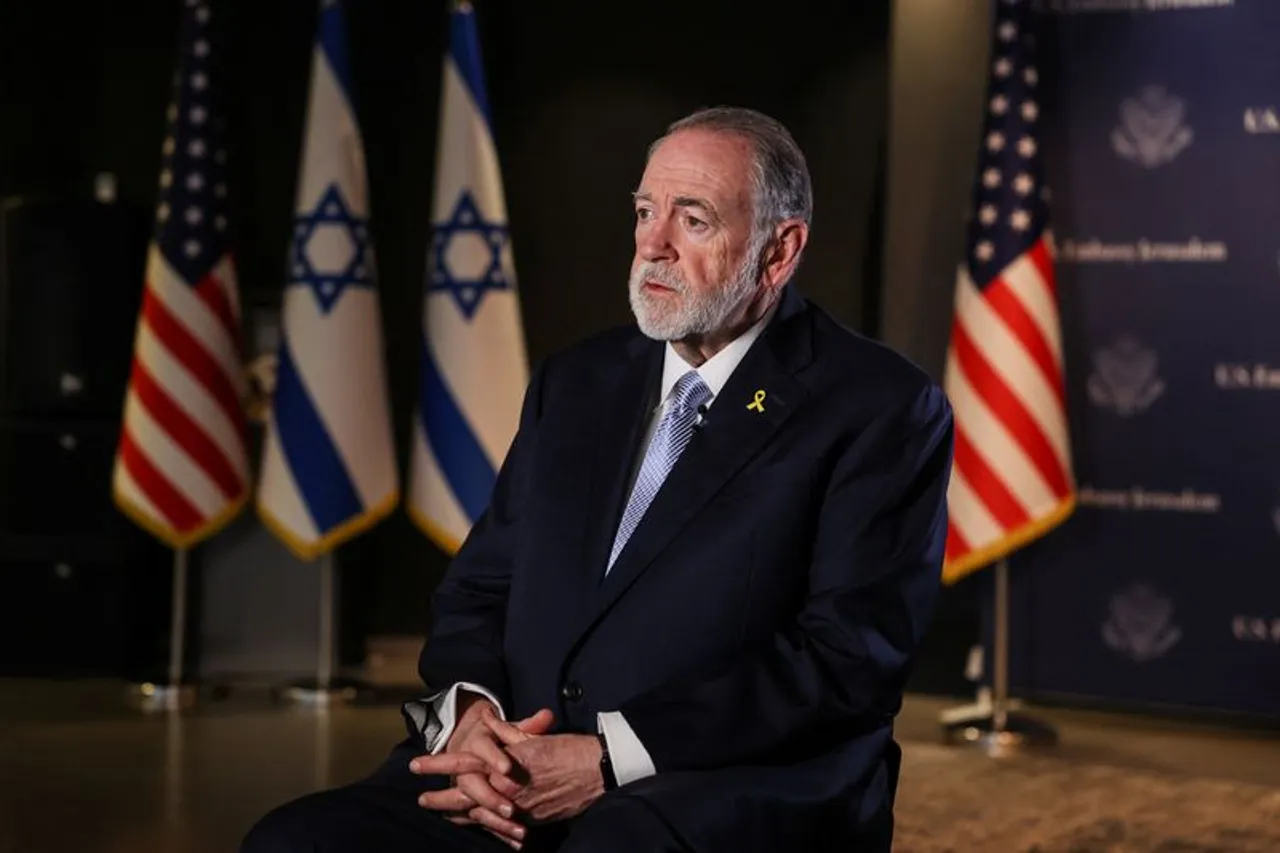
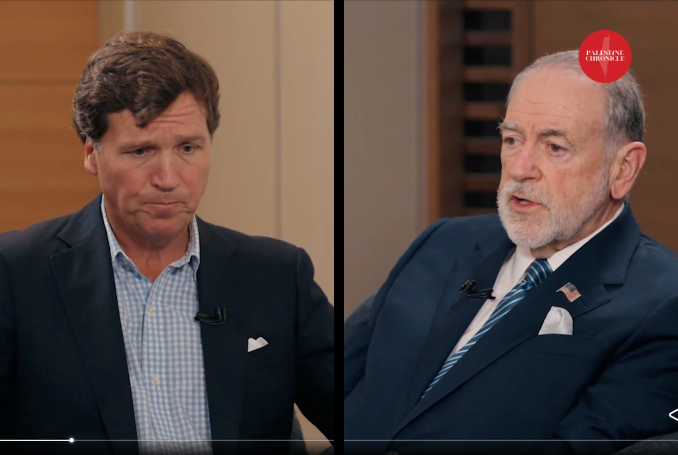
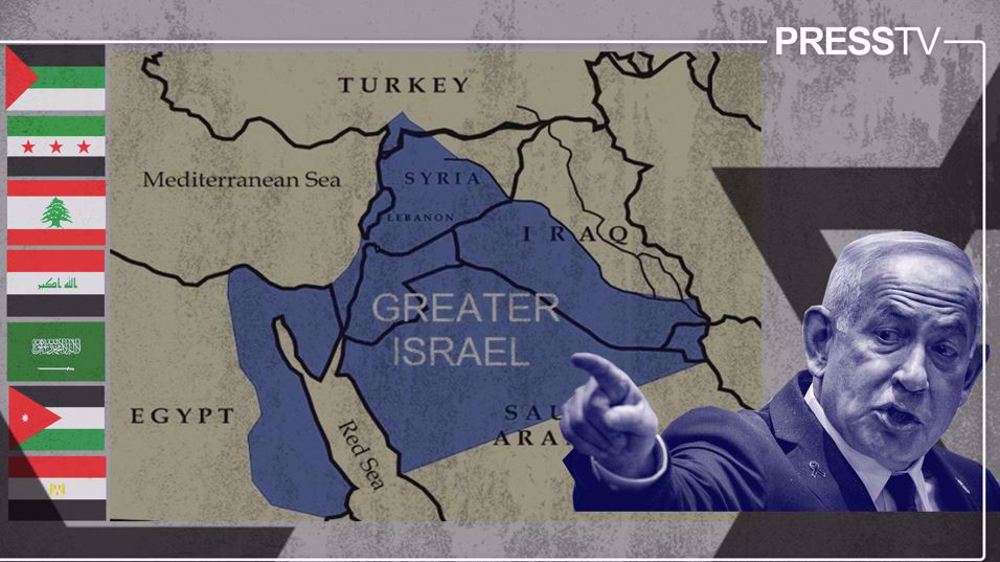
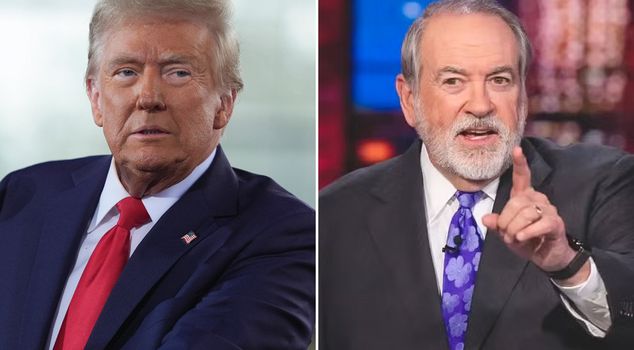
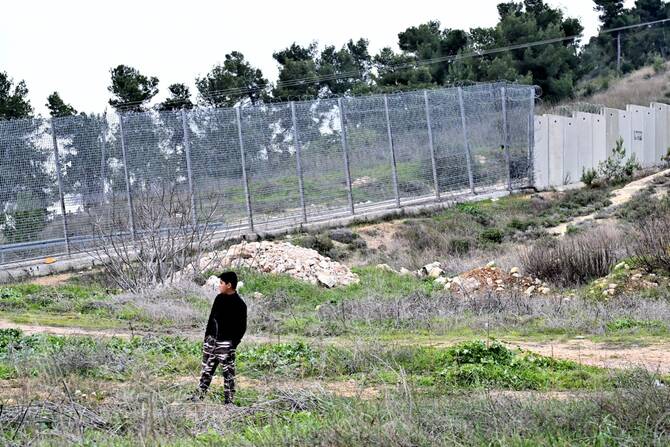
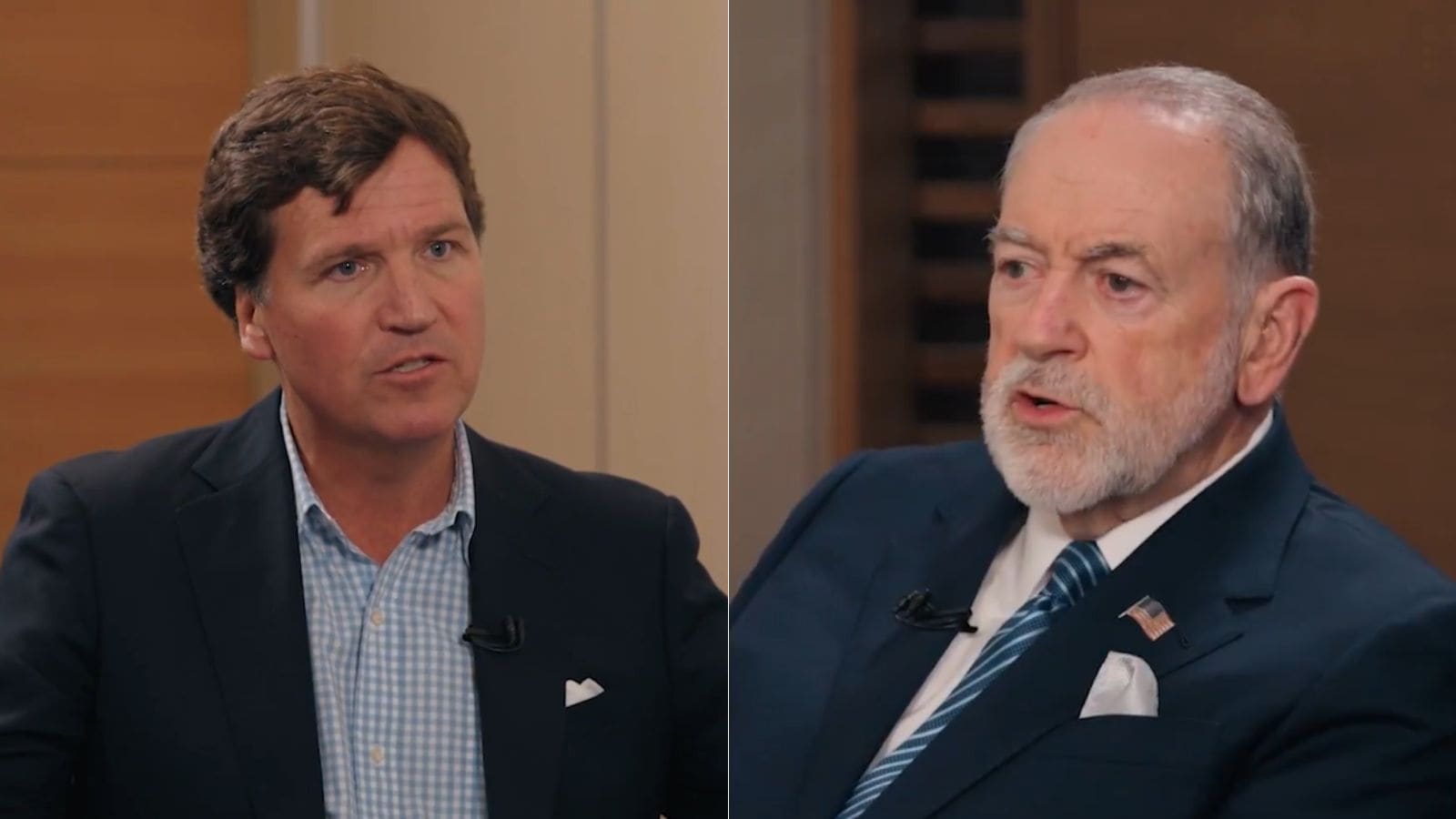
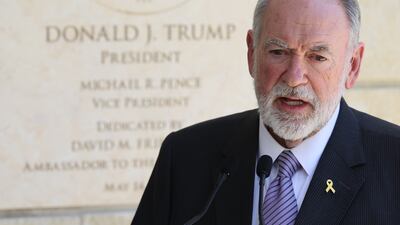
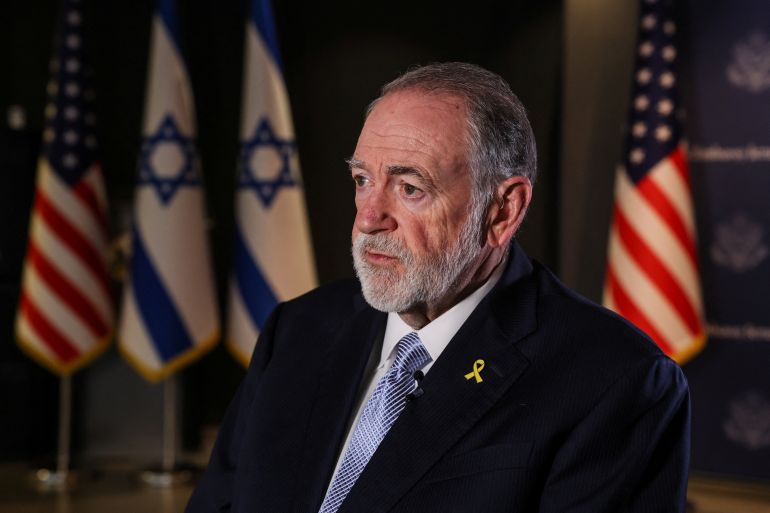
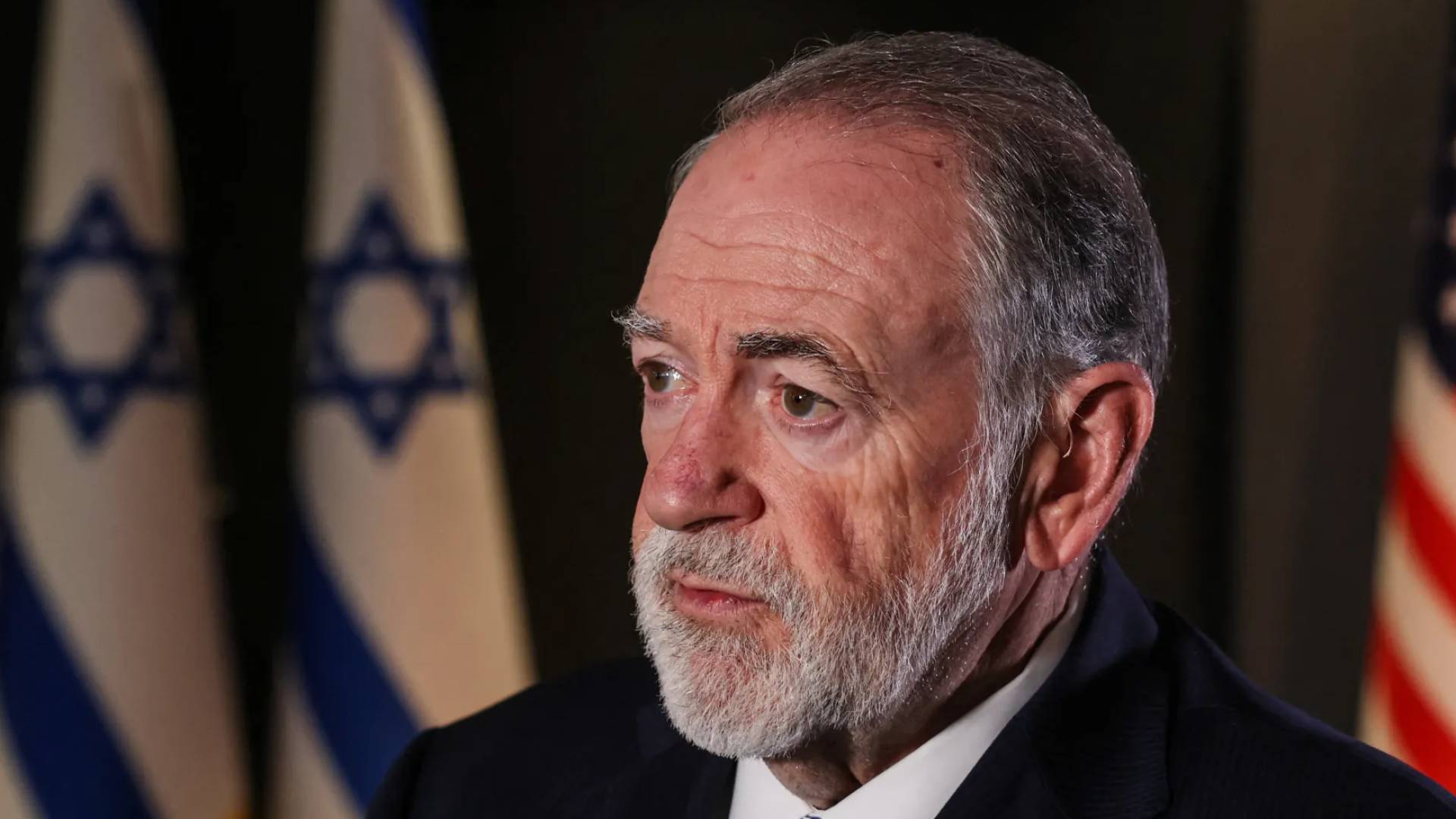
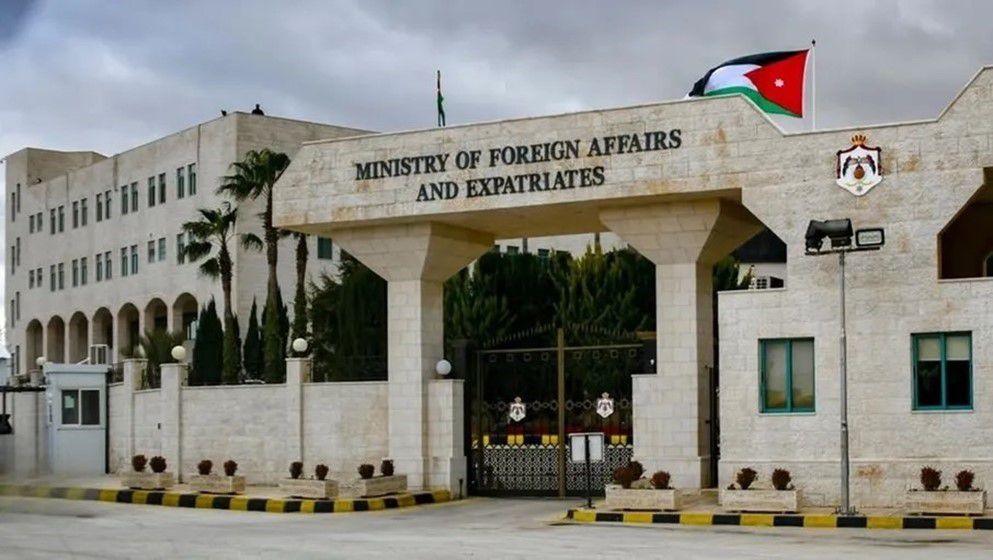
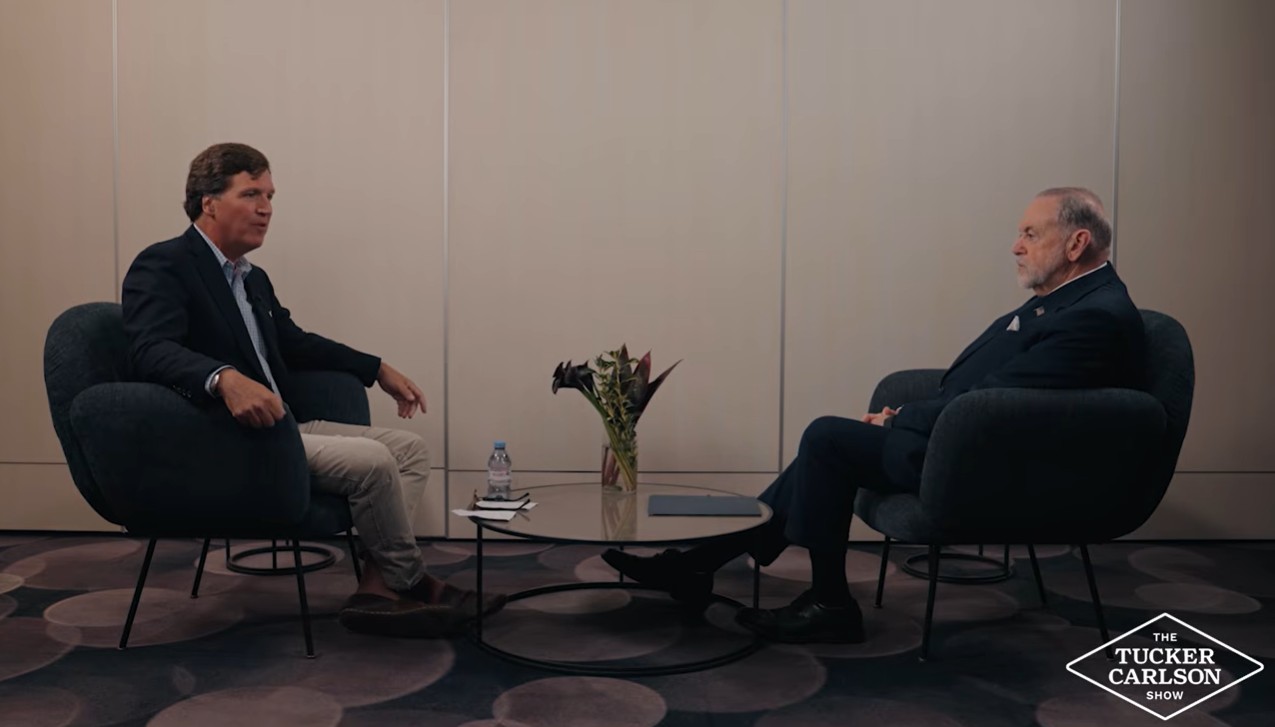
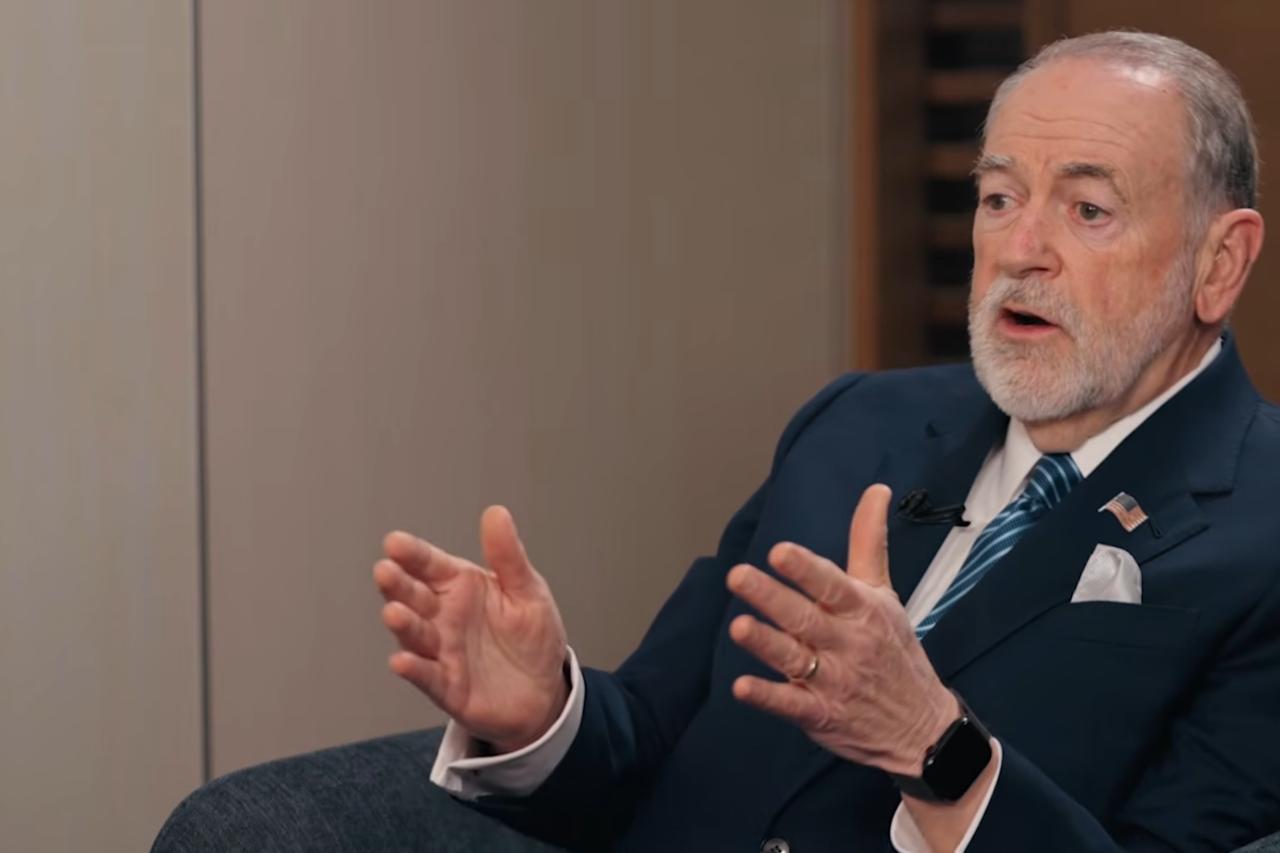
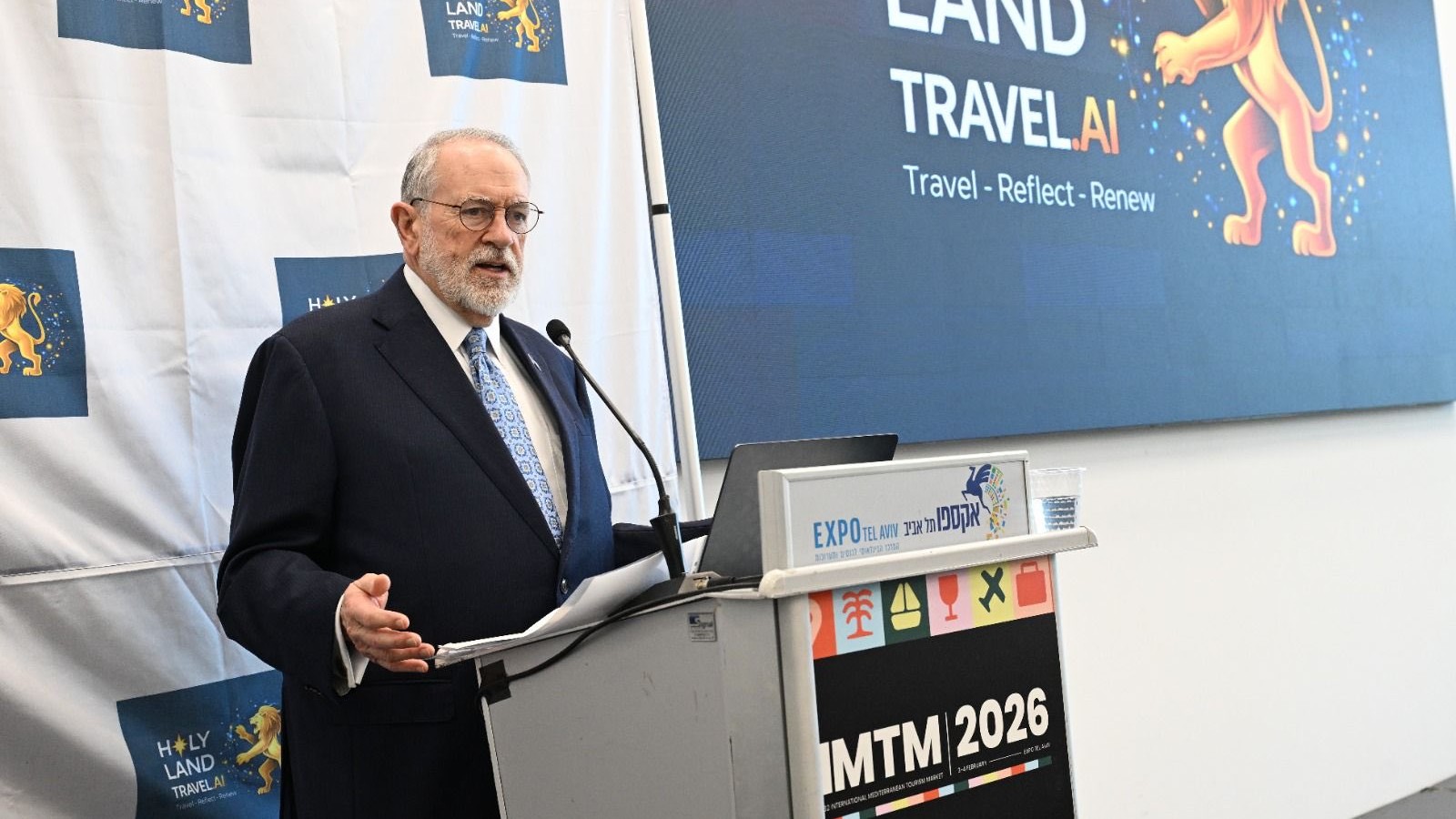
The February 2026 controversy surrounding US Ambassador to Israel Mike Huckabee's statements about Israeli territorial expansion represents a critical inflection point for cross-border e-commerce sellers operating in or shipping to the Middle East region. Huckabee's remarks—made during a February 20-21, 2026 podcast interview with Tucker Carlson and later characterized as "somewhat hyperbolic"—that it would be "fine" if Israel took control of territory spanning from the Euphrates River in Iraq to the Nile River in Egypt, signal deepening US policy uncertainty toward Palestinian statehood and regional stability. The State Department's refusal to confirm whether these statements represent official policy changes creates operational ambiguity for sellers managing inventory, logistics, and compliance across Israel, Palestine, Jordan, Syria, Lebanon, Saudi Arabia, and Iraq.
For cross-border sellers, this geopolitical volatility directly impacts three operational dimensions. First, logistics and shipping corridors through the Middle East face increased uncertainty—Ben Gurion Airport (referenced in the news regarding Carlson's security screening) handles significant cargo traffic for regional e-commerce fulfillment, and escalating tensions could disrupt air freight routes, increase insurance premiums (typically 2-5% of shipment value during high-risk periods), and extend delivery timelines by 5-14 days. Second, market access and regulatory compliance become unpredictable when US foreign policy toward Palestinian territories remains undefined; sellers with inventory in West Bank distribution centers or serving Palestinian customers face potential sanctions exposure, payment processing complications, and customs clearance delays. Third, consumer demand patterns in the region are historically volatile during political crises—the International Court of Justice's 2024 ruling that Israel's occupation is illegal, combined with Huckabee's June 2025 statement that Palestinian statehood is "no room" in US policy, creates consumer sentiment shifts that affect purchasing behavior in apparel, electronics, and home goods categories.
Immediate operational implications: Sellers with active fulfillment operations in Israel should audit their supply chain exposure to potential sanctions or trade restrictions affecting neighboring countries. Those shipping to Palestinian territories should establish alternative payment processors (given potential SWIFT/banking complications) and review insurance coverage for geopolitical risk. Sellers in Jordan, Lebanon, and Syria should monitor customs procedures, as territorial disputes could trigger sudden tariff changes or import restrictions. The Trump administration's deference to Huckabee's statements (per State Department spokesperson Tammy Bruce) suggests policy formalization is likely within 60-90 days, making this a critical window for risk assessment and contingency planning.
問題 8
What are the financial implications of Middle East geopolitical instability?
Geopolitical tensions create multiple cost pressures: shipping insurance increases 20-40%, transit times extend 15-30% (adding 5-14 days), customs clearance delays add $200-500 per shipment, and potential tariff increases could compress margins 5-15%. For a seller shipping 100 units monthly to the region at $50 average value, monthly costs could increase $1,000-2,500 due to geopolitical factors. Sellers should model worst-case scenarios (30-day delays, 50% tariff increases) and establish pricing strategies that maintain 20-25% margins even under disrupted conditions. Consider reducing Middle East exposure if margins fall below 15% after accounting for geopolitical risk premiums.
What is the timeline for US policy clarification on Middle East territorial issues?
The State Department's deferral to President Trump and the White House suggests formal policy announcement within 60-90 days (by late April-May 2026). Huckabee's repeated statements (June 2025 and February 2026) indicate consistency in administration thinking, making policy formalization likely. Sellers should treat this 60-90 day window as critical for contingency planning—establish alternative suppliers, logistics routes, and payment processors before official policy changes trigger sudden regulatory shifts. Monitor Trump administration announcements, State Department press briefings, and Treasury Department sanctions updates weekly.