

EU Energy Crisis Triggers €90B Loan Block | Cross-Border Sellers Face Logistics Cost Surge
- Hungary's veto of Ukraine aid signals EU regulatory fragmentation; energy costs for Central European fulfillment centers expected to rise 8-15% through mid-2026





)












概览
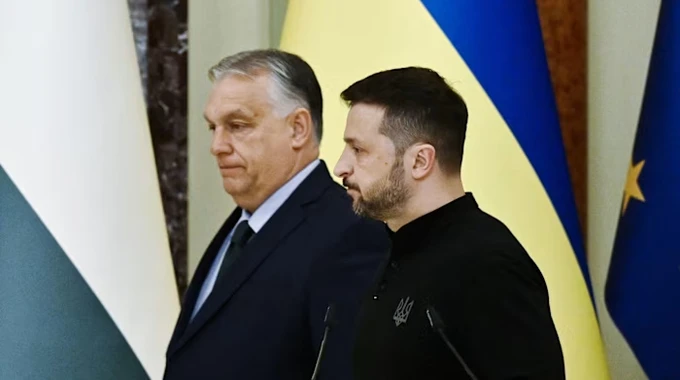
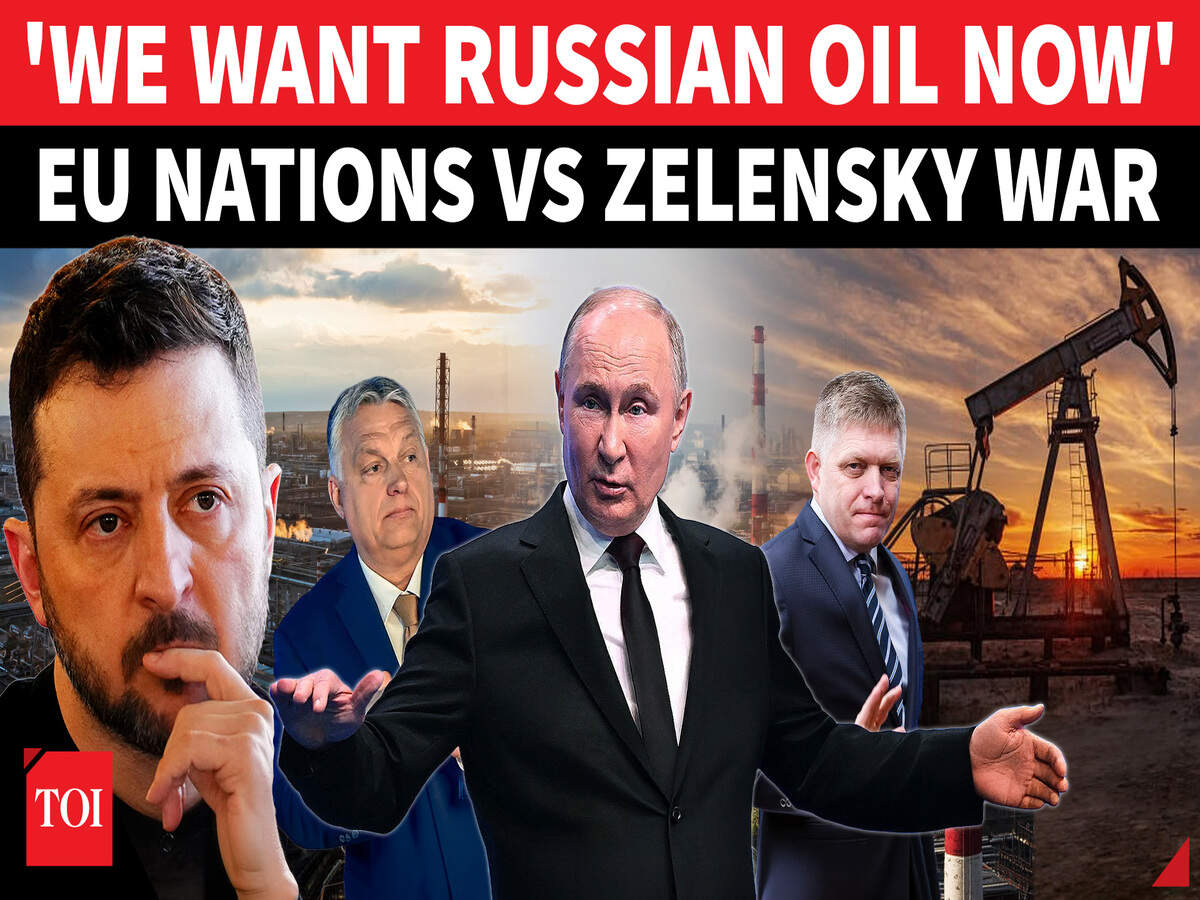
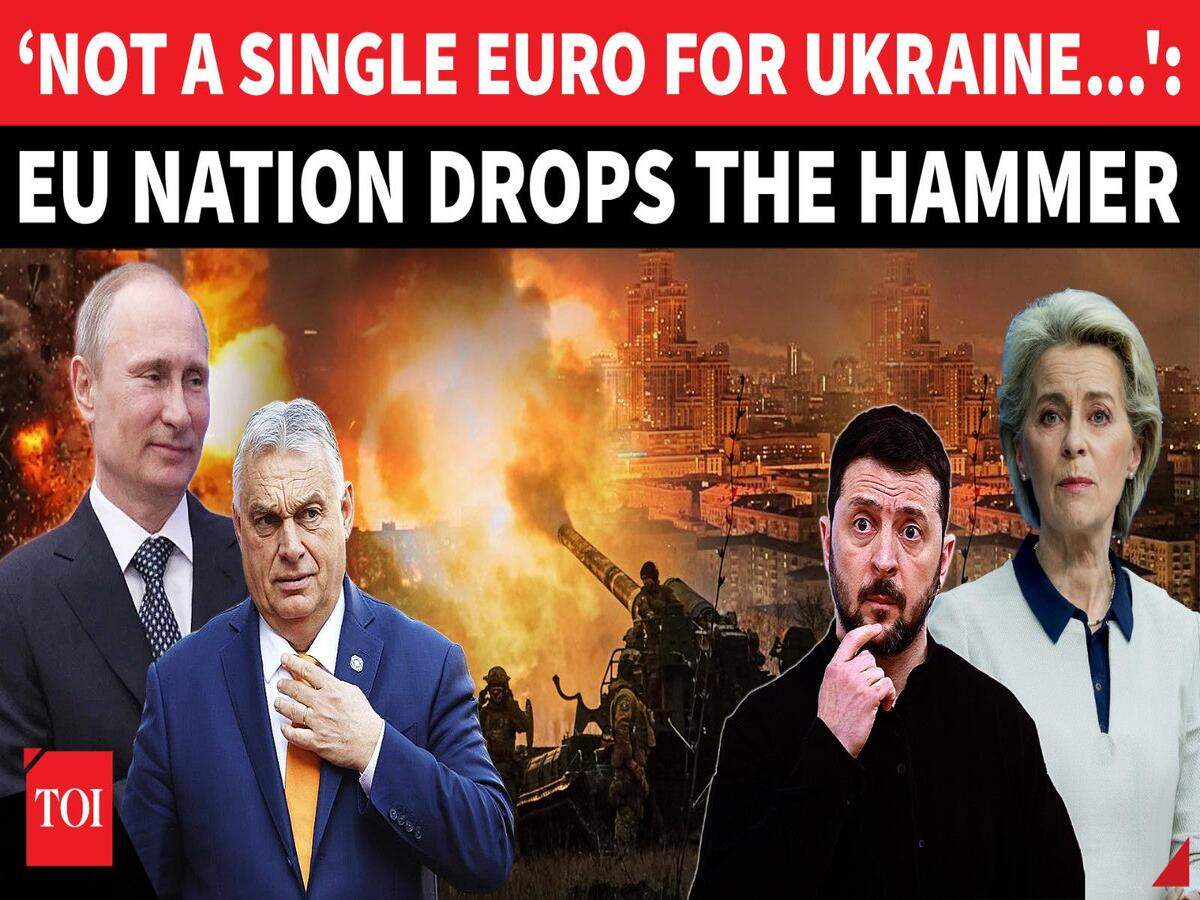
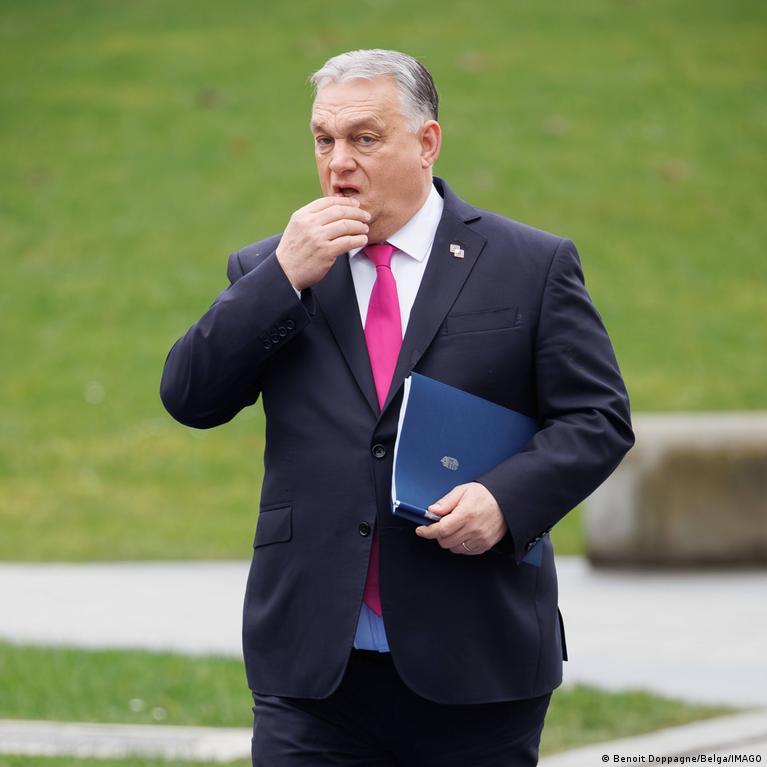
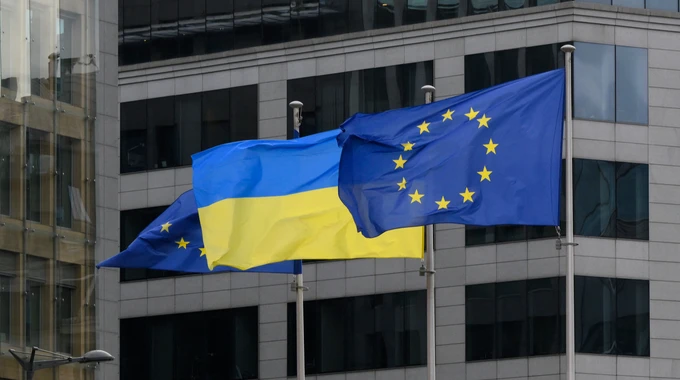
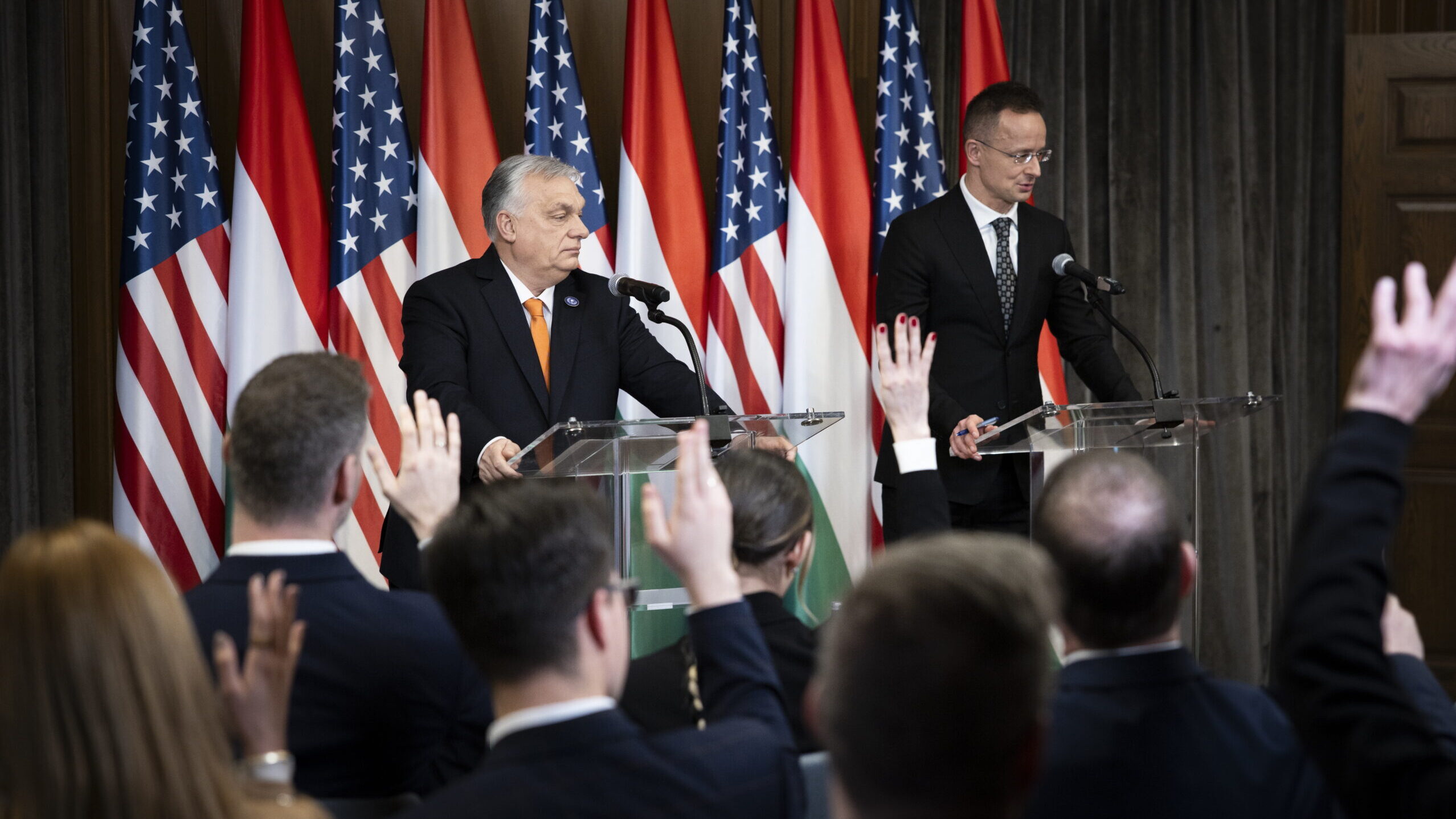
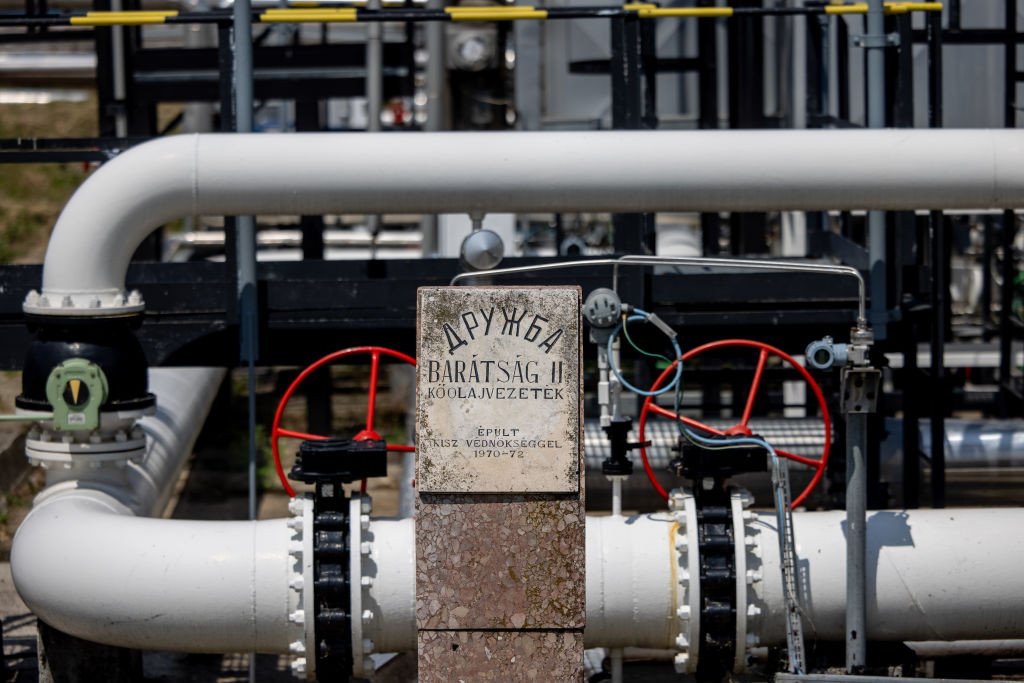
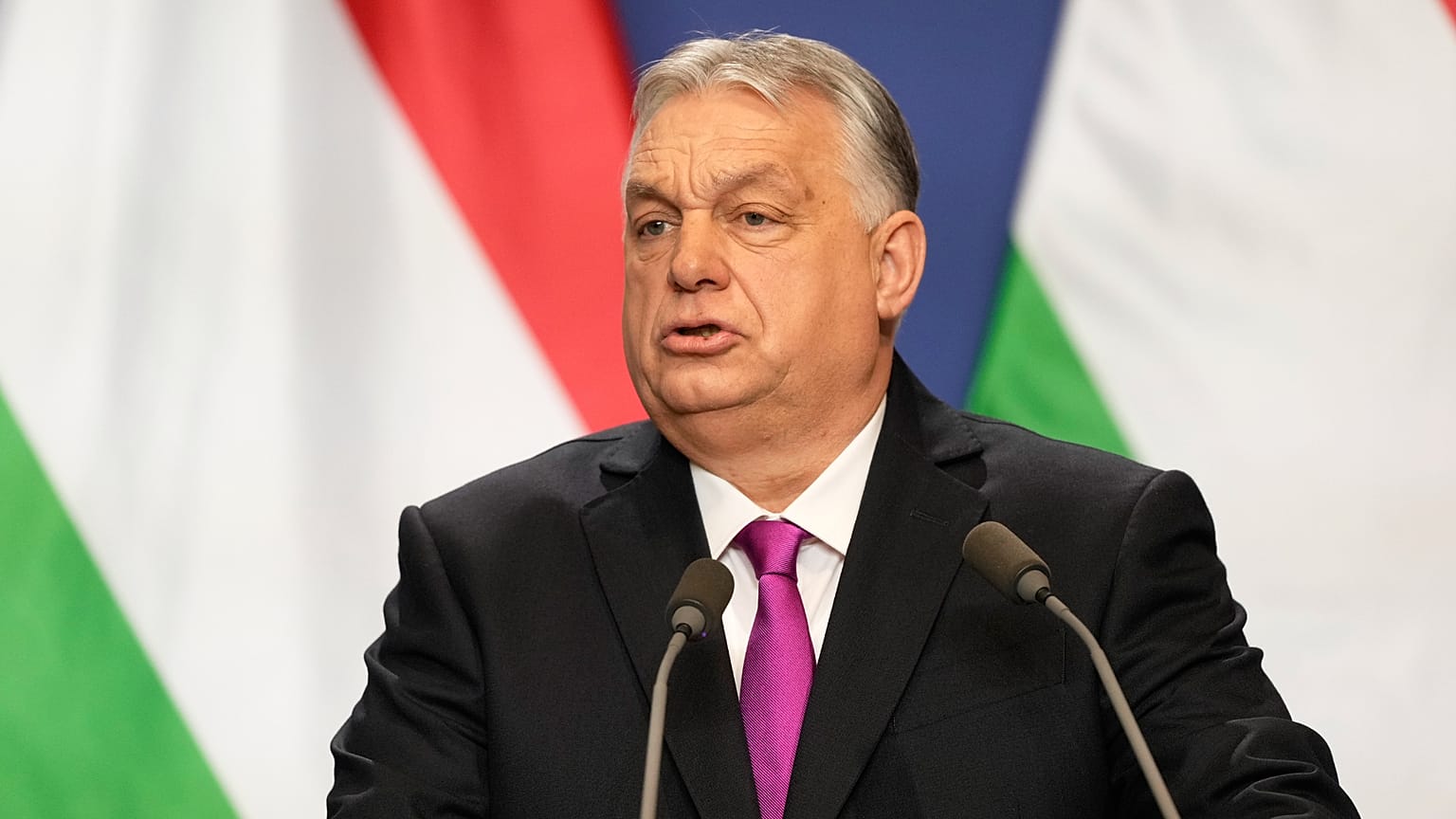
The geopolitical energy standoff between Hungary and Ukraine is creating immediate operational cost pressures for cross-border e-commerce sellers with fulfillment infrastructure in Central Europe. On February 20, 2026, Hungary formally blocked the EU's €90 billion Ukraine Support Loan (€30B budget support + €60B military aid) until Russian crude oil transit through the Druzhba pipeline resumes. This veto demonstrates how individual EU member states can leverage unanimous-approval requirements to extract concessions, signaling broader regulatory fragmentation that threatens the harmonized compliance frameworks sellers depend on.
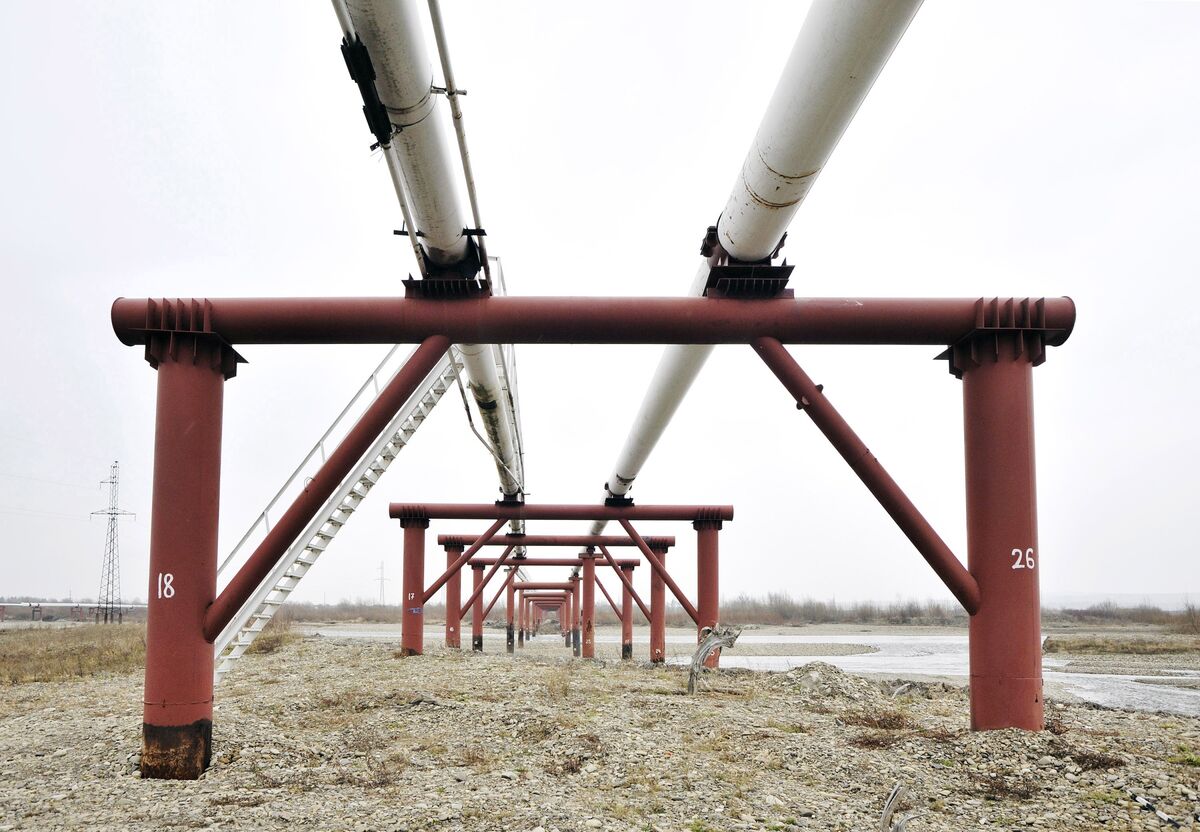
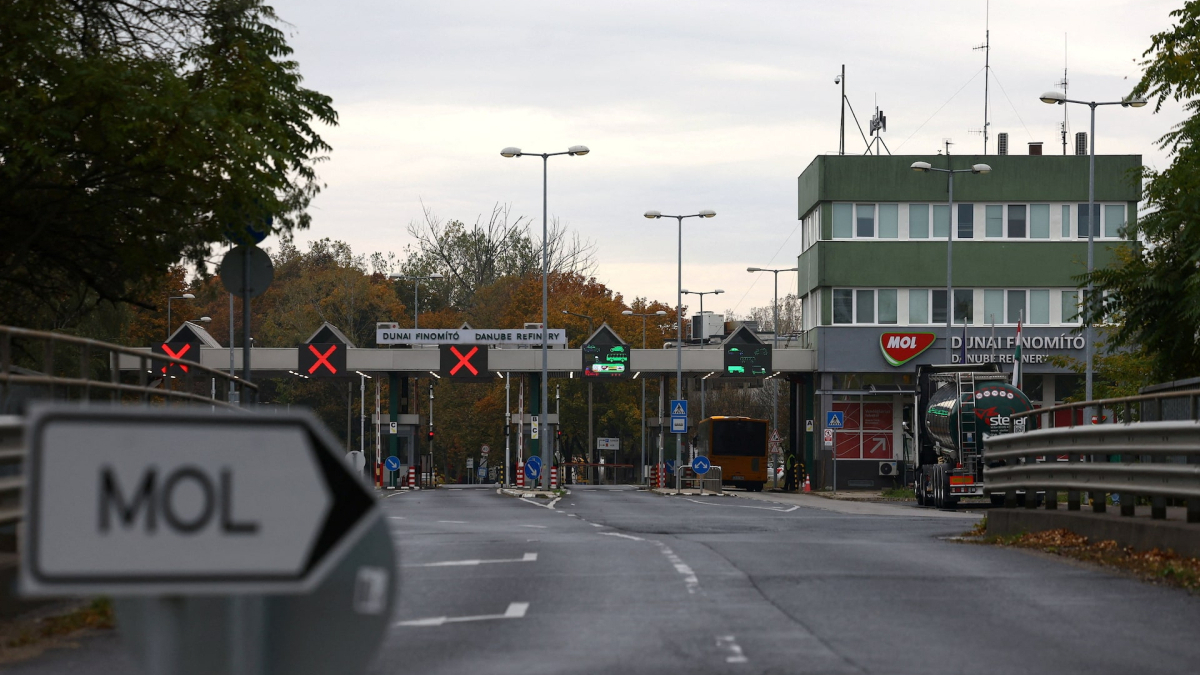
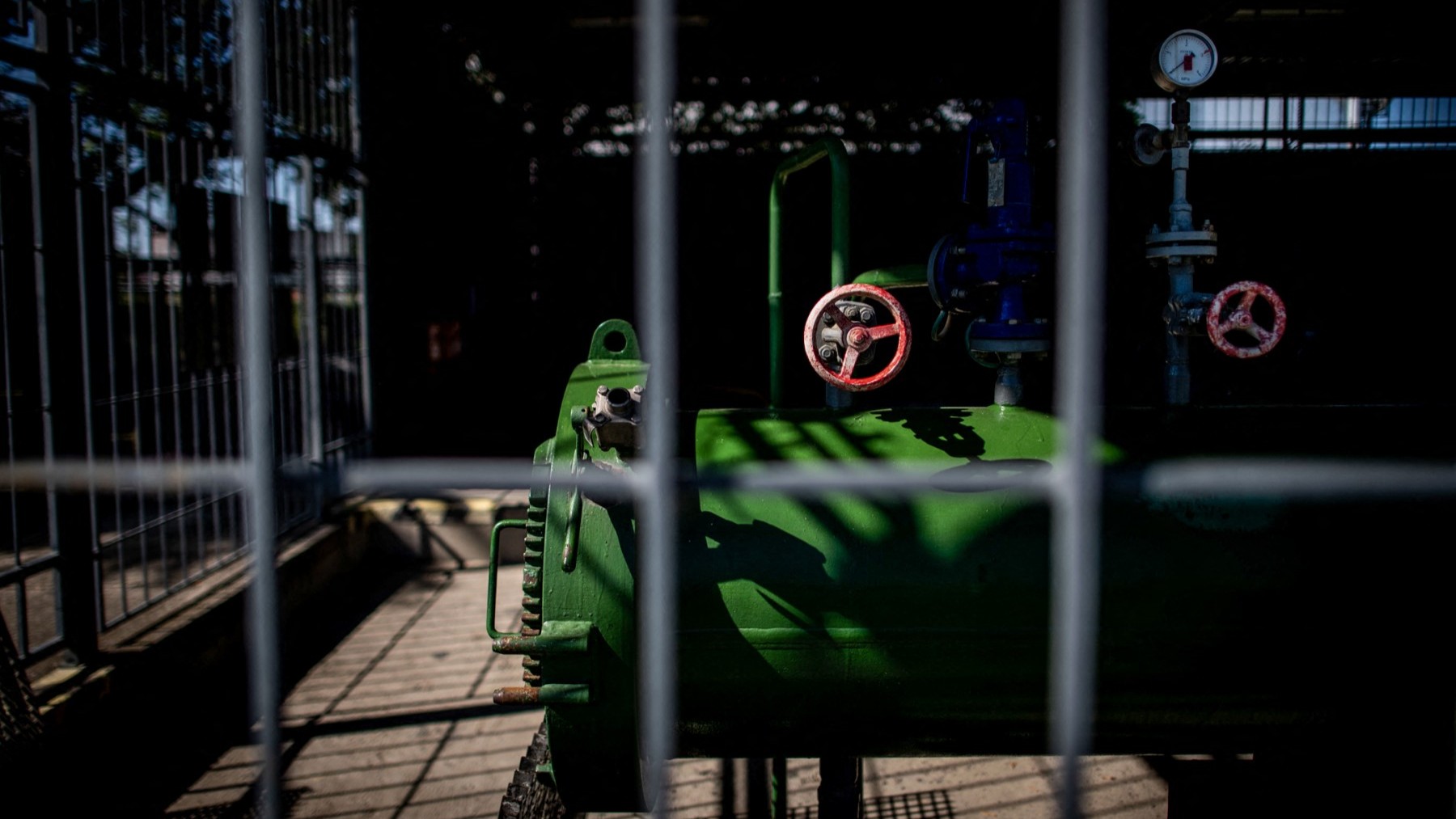
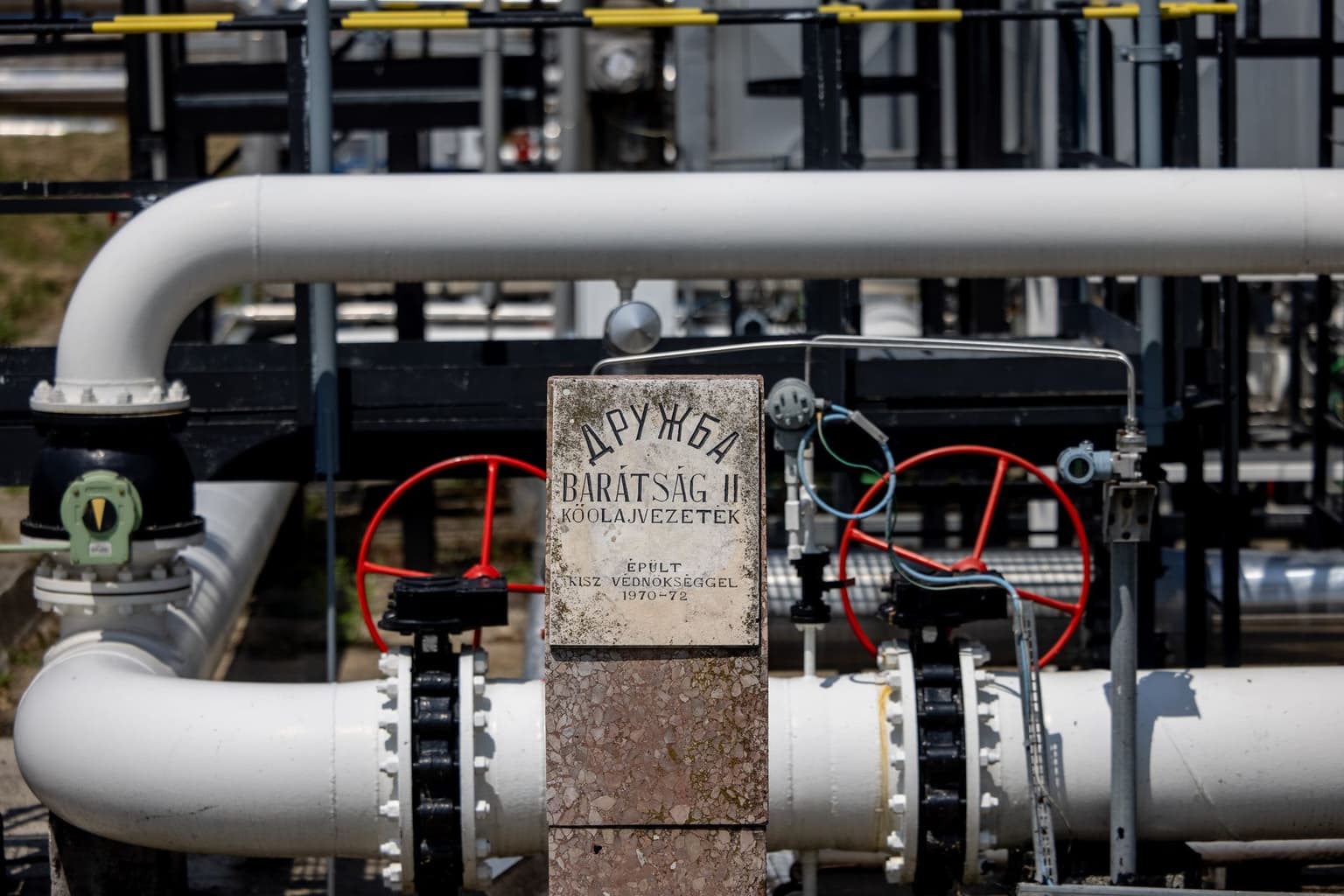
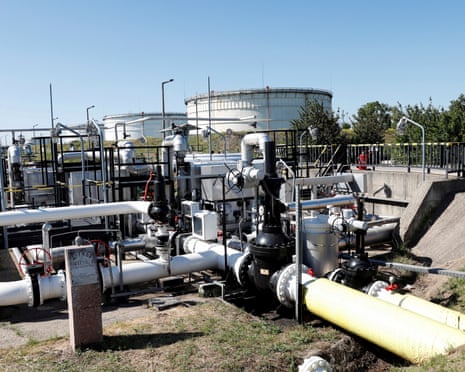
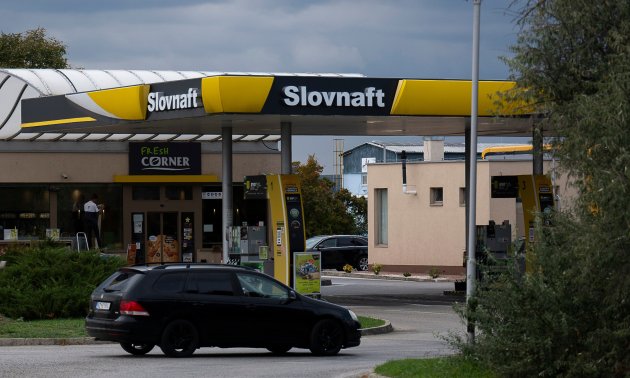
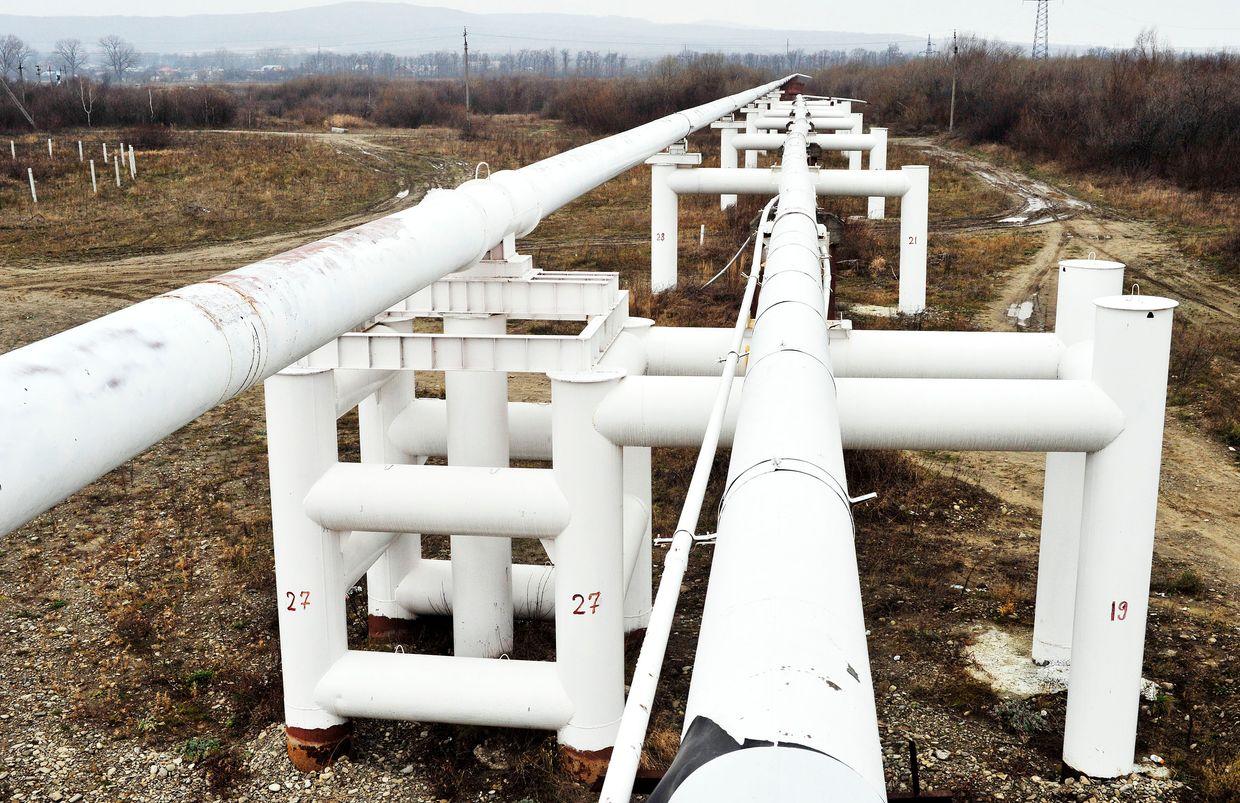
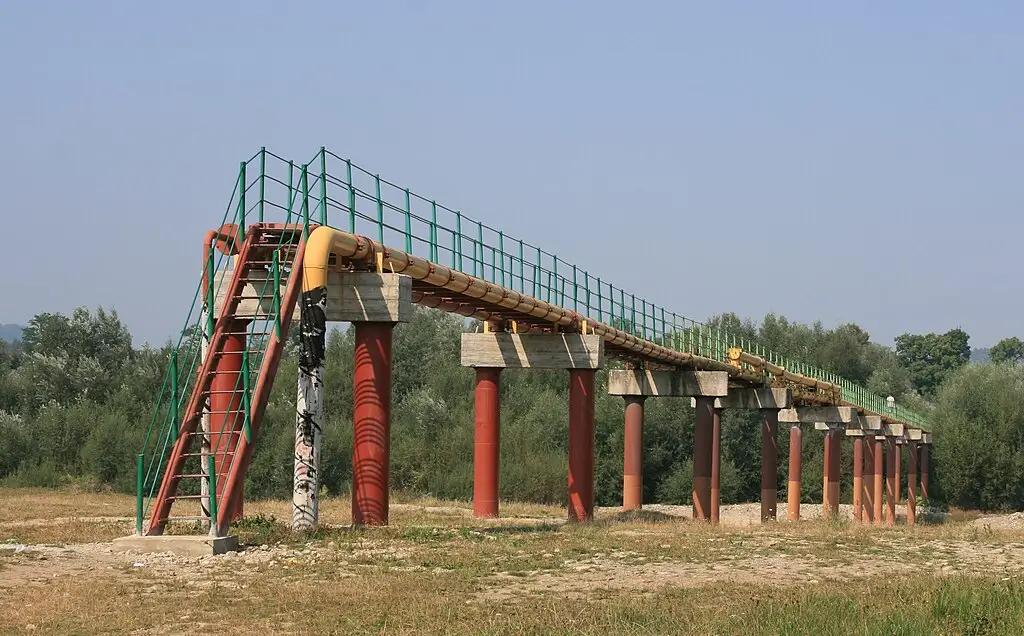
For e-commerce operations, the immediate impact centers on energy cost inflation. The Druzhba pipeline disruption (halted January 27, 2026) has forced Hungary and Slovakia—the only EU states with Russian oil sanctions exemptions—to seek alternative supply routes. MOL Group and Slovnaft are now demanding Croatia's JANAF pipeline accommodate Russian seaborne crude, but Croatia's Economy Ministry has resisted, citing sanctions concerns. This supply uncertainty is driving energy costs upward: European warehouse operators report 8-15% increases in electricity and heating expenses for fulfillment centers in Budapest, Bratislava, and surrounding logistics hubs. For sellers operating 3PL networks in Central Europe (particularly those serving EU-wide distribution), these cost increases directly compress margins on high-volume, low-margin categories like electronics, home goods, and apparel.
The secondary impact involves market demand contraction in Ukraine. Without the €90 billion loan, Ukrainian officials warn the country will deplete cash reserves by mid-2026, directly reducing purchasing power for e-commerce goods. Ukraine's e-commerce market, valued at approximately $3-4B annually, faces demand compression of 15-25% if the loan remains blocked through Q2 2026. Sellers with dedicated Ukrainian inventory or logistics operations (particularly those serving the 45M+ population) should expect order volume declines and potential inventory obsolescence. Additionally, the political precedent is concerning: Hungary's successful veto demonstrates that individual member states can now block major EU initiatives, potentially fragmenting future regulatory harmonization efforts (VAT directives, data protection standards, payment processing rules) that sellers rely on for streamlined cross-border operations.
Strategic sourcing implications are emerging. The energy crisis is accelerating interest in alternative fulfillment locations outside Hungary/Slovakia. Poland, Czech Republic, and Romania—with more diversified energy supplies—are becoming attractive relocation targets for sellers currently using Central European hubs. Logistics providers are already offering 10-20% cost incentives to shift inventory from Budapest/Bratislava to Warsaw or Prague. Sellers should evaluate their 3PL contracts for force majeure clauses and cost-pass-through provisions, as energy surcharges are likely to persist through Q3 2026 pending resolution of the Druzhba pipeline dispute and JANAF capacity tests scheduled for March-April 2026.
問題 8
How should I adjust my inventory strategy for Central Europe given this uncertainty?
Implement a 90-day rolling forecast approach: (1) Reduce inventory depth in Hungary/Slovakia by 20-30% to minimize exposure to energy surcharges, (2) Shift safety stock to Poland/Czech Republic where energy costs are stable, (3) Increase inventory turnover velocity to reduce warehouse dwell time and energy costs per unit, (4) Prioritize fast-moving SKUs (BSR top 10,000) over slow-movers that accumulate storage costs. For Ukraine-specific inventory, reduce allocations by 25-35% pending loan resolution. Monitor weekly energy price indices for Hungary/Slovakia (available through MOL Group and Slovnaft reports) and adjust inventory levels accordingly. If energy costs stabilize by Q2 2026, you can rebuild inventory; if they remain elevated, the cost structure will have shifted permanently.
Which product categories are most vulnerable to Central European energy cost increases?
High-volume, low-margin categories are most vulnerable: electronics (3-5% margins), home goods (5-8% margins), and apparel (8-12% margins). These categories typically operate through large fulfillment centers where energy costs represent 2-4% of total operating expenses. An 8-15% energy cost increase translates to 0.16-0.6% margin compression—significant for categories already operating at thin margins. Higher-margin categories (beauty, specialty foods, premium goods with 20%+ margins) can absorb energy costs more easily. If you sell electronics or home goods through Central European hubs, prioritize cost mitigation strategies: negotiate fixed-rate energy clauses with 3PLs, evaluate relocation to lower-cost regions, or increase product pricing by 3-5% to offset surcharges.