


Lucid Motors 12% Layoffs Signal EV Market Contraction | Consumer Spending Risk for E-Commerce Sellers
- 800+ salaried workers cut as luxury EV maker reports $1.8B loss; industry-wide consolidation threatens discretionary spending and automotive supply chain demand










概览
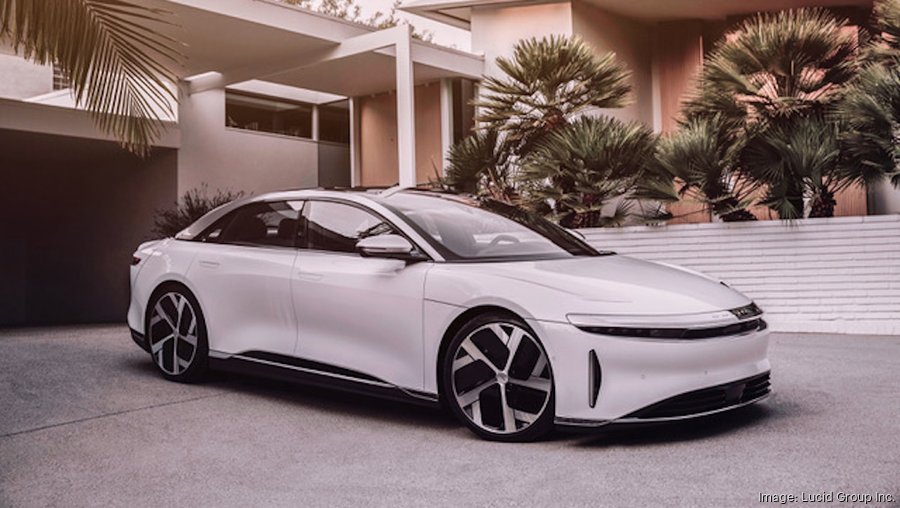
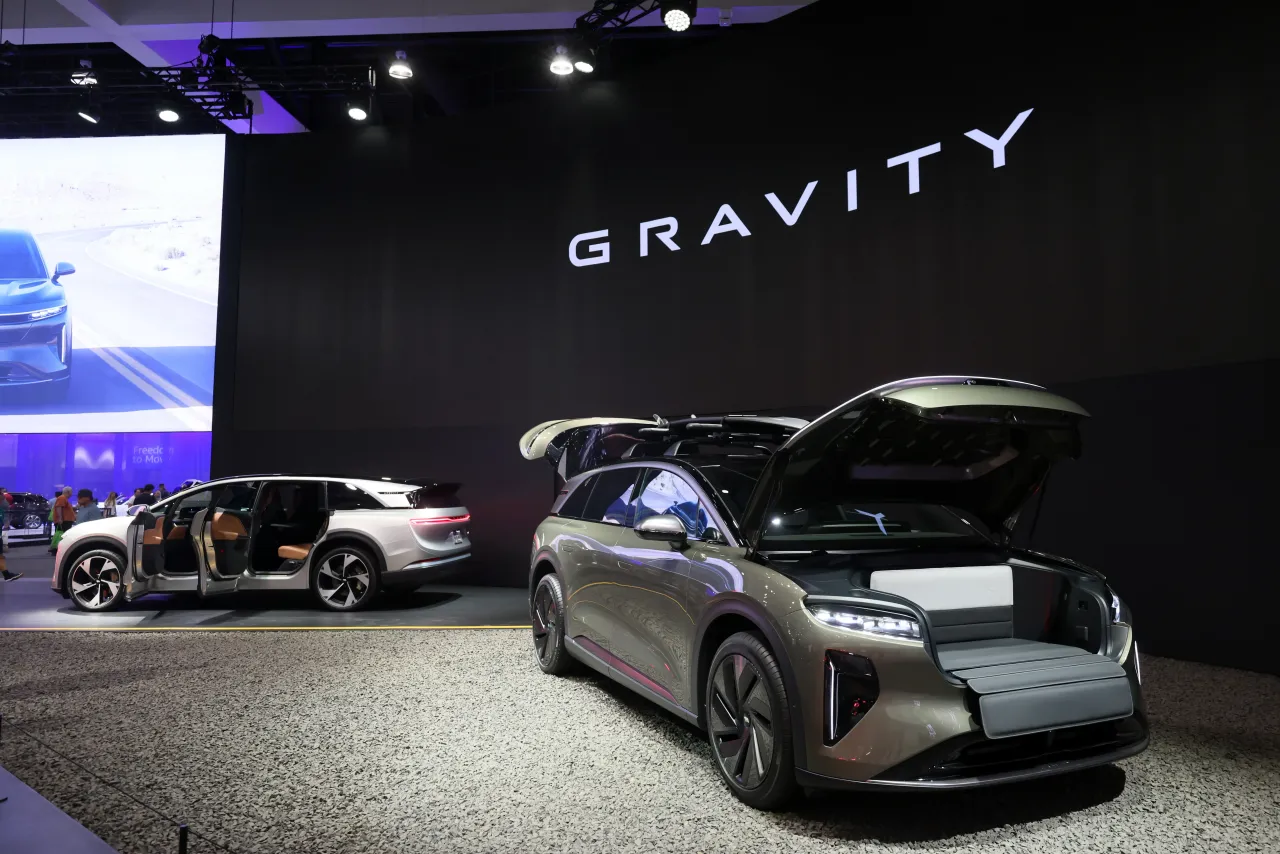
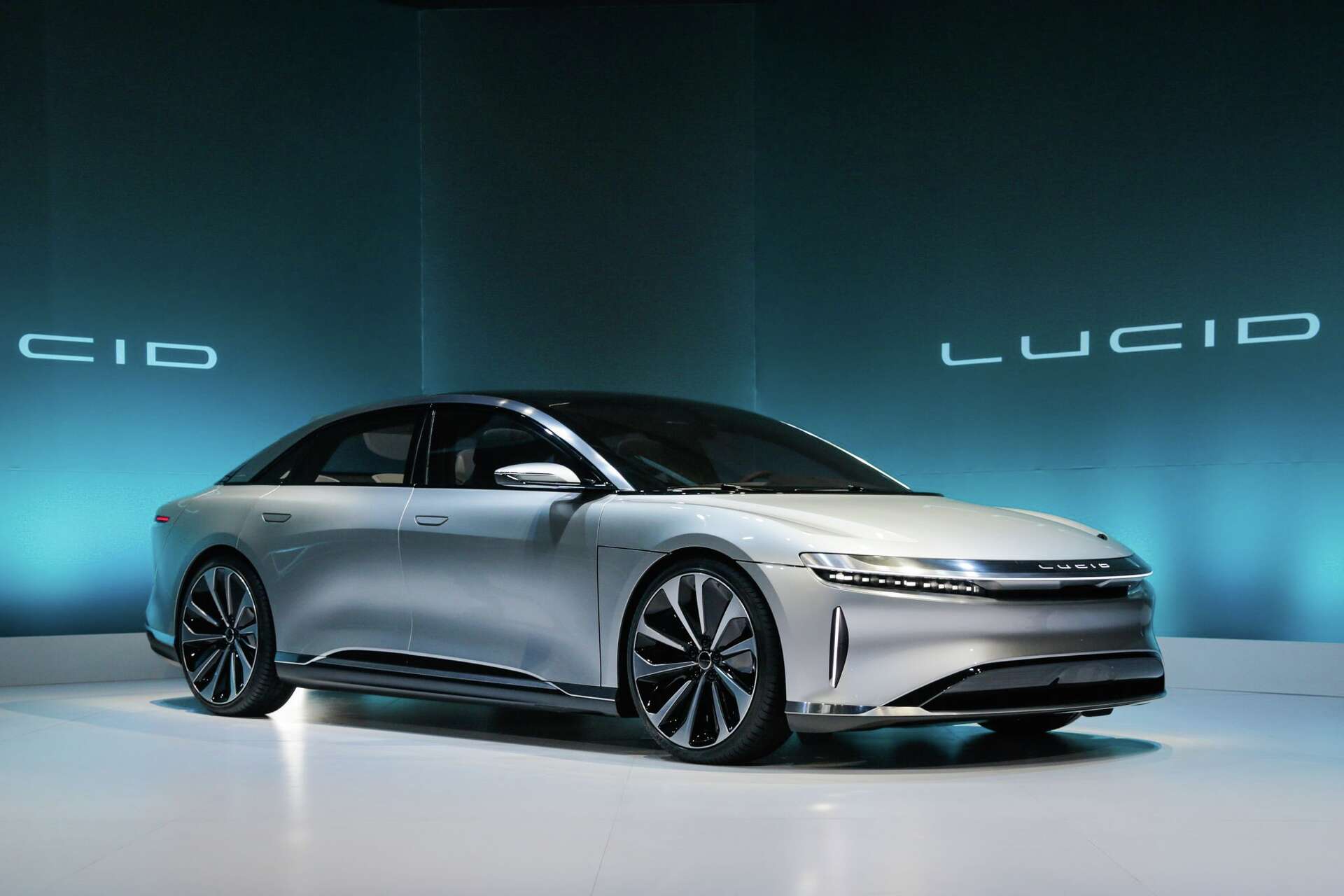
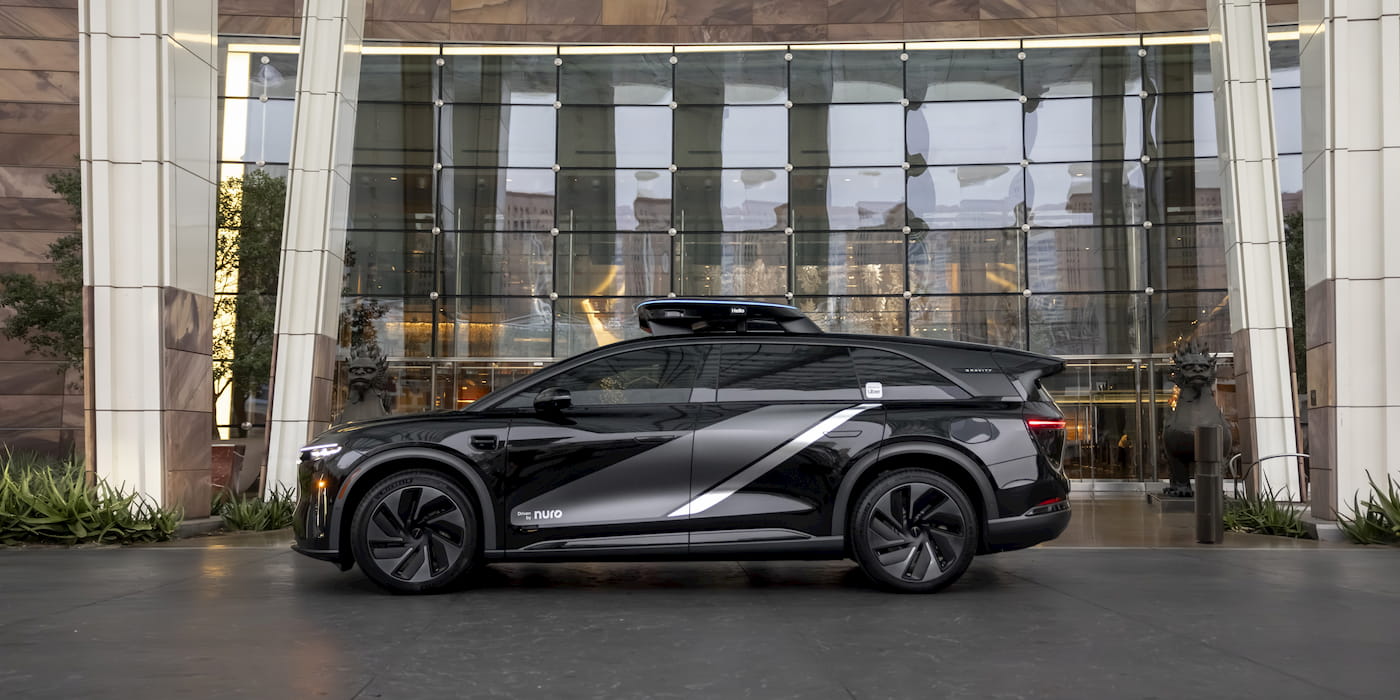
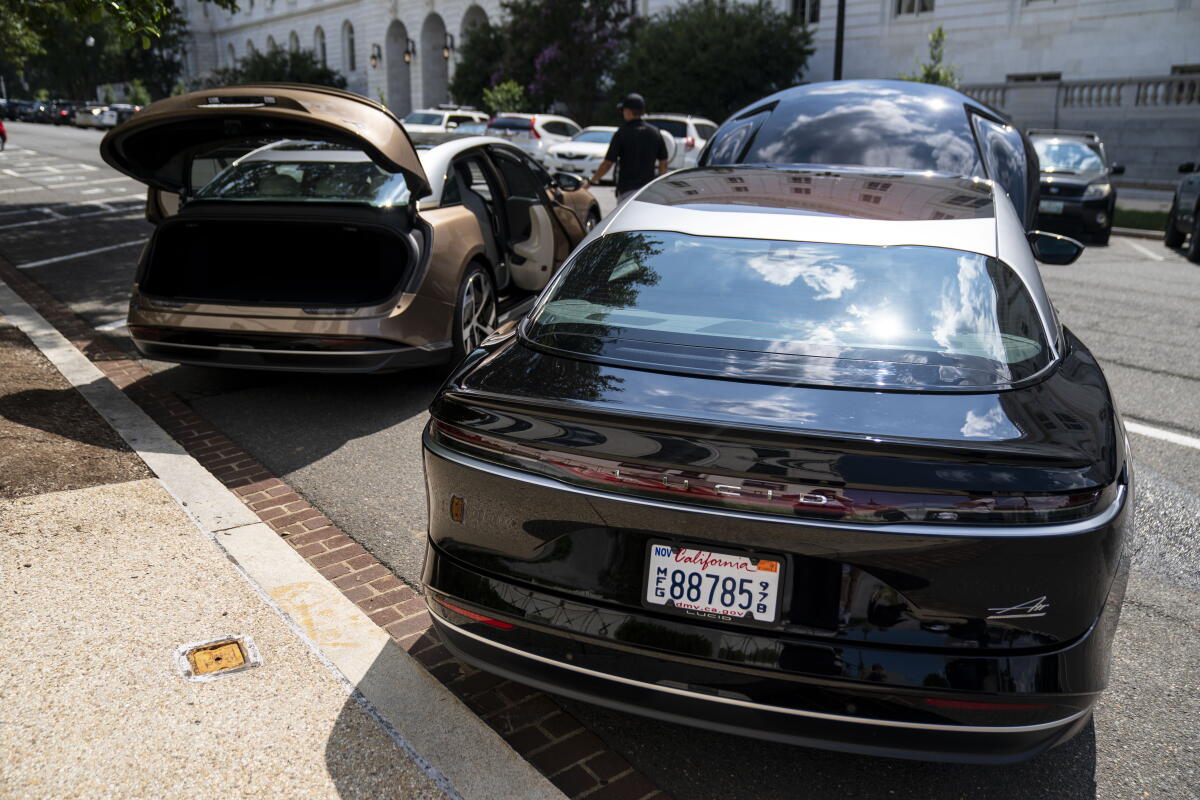
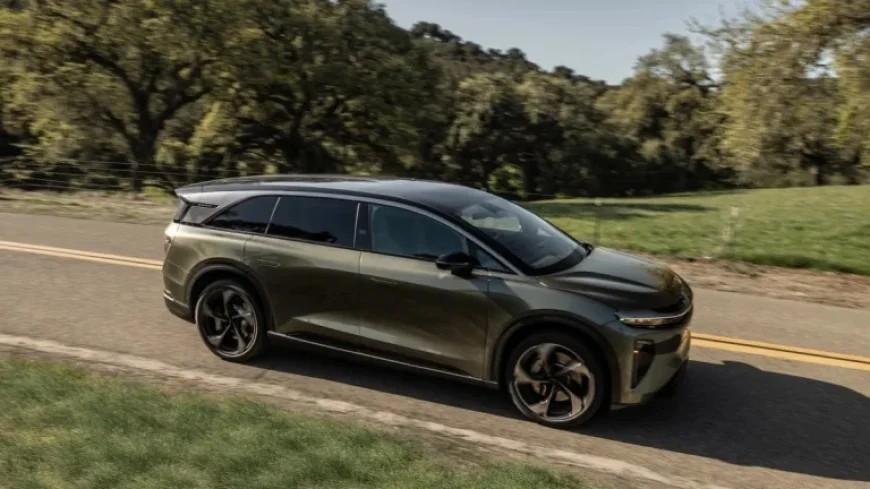
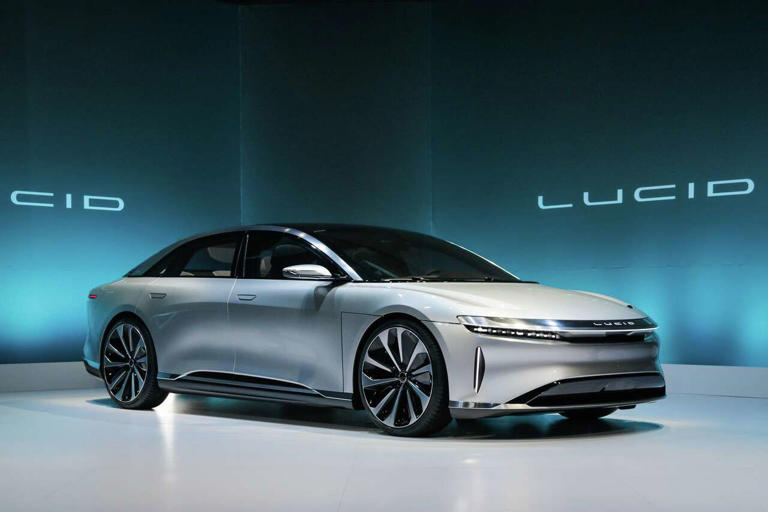
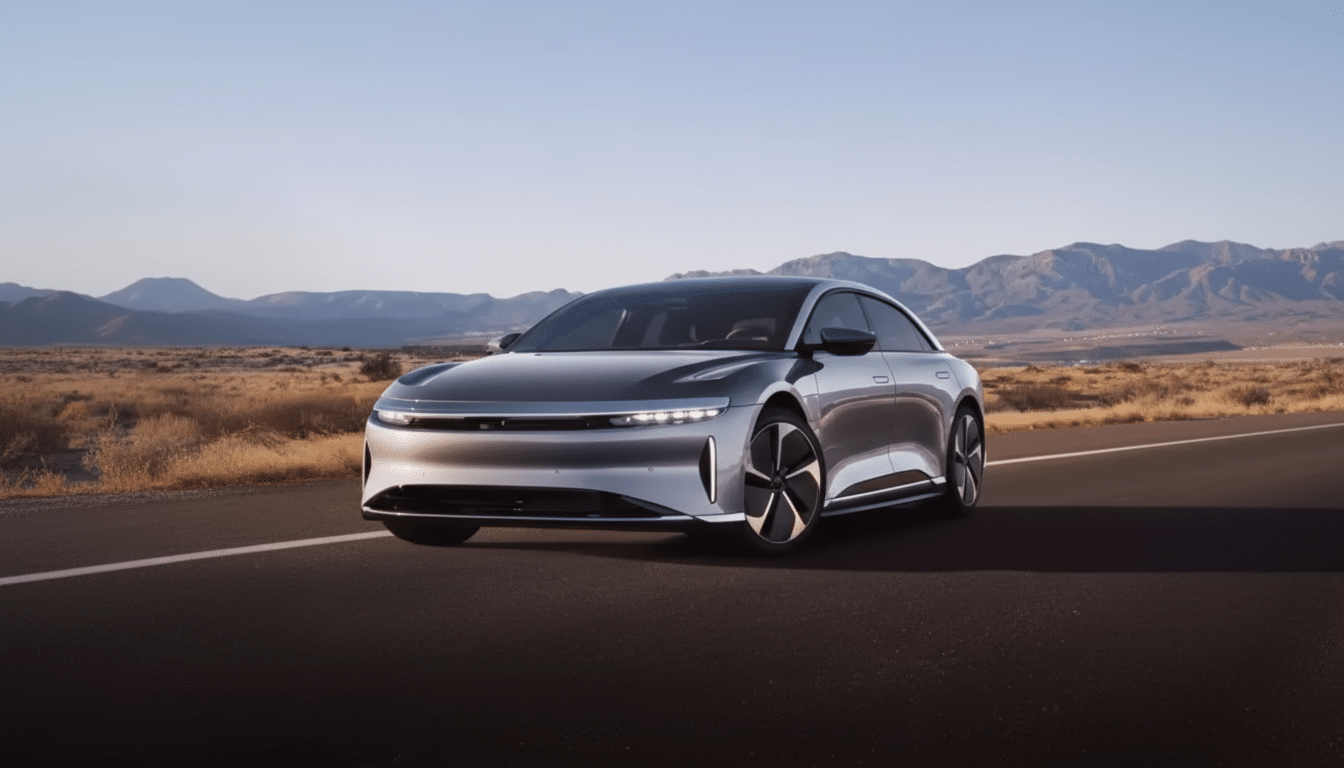
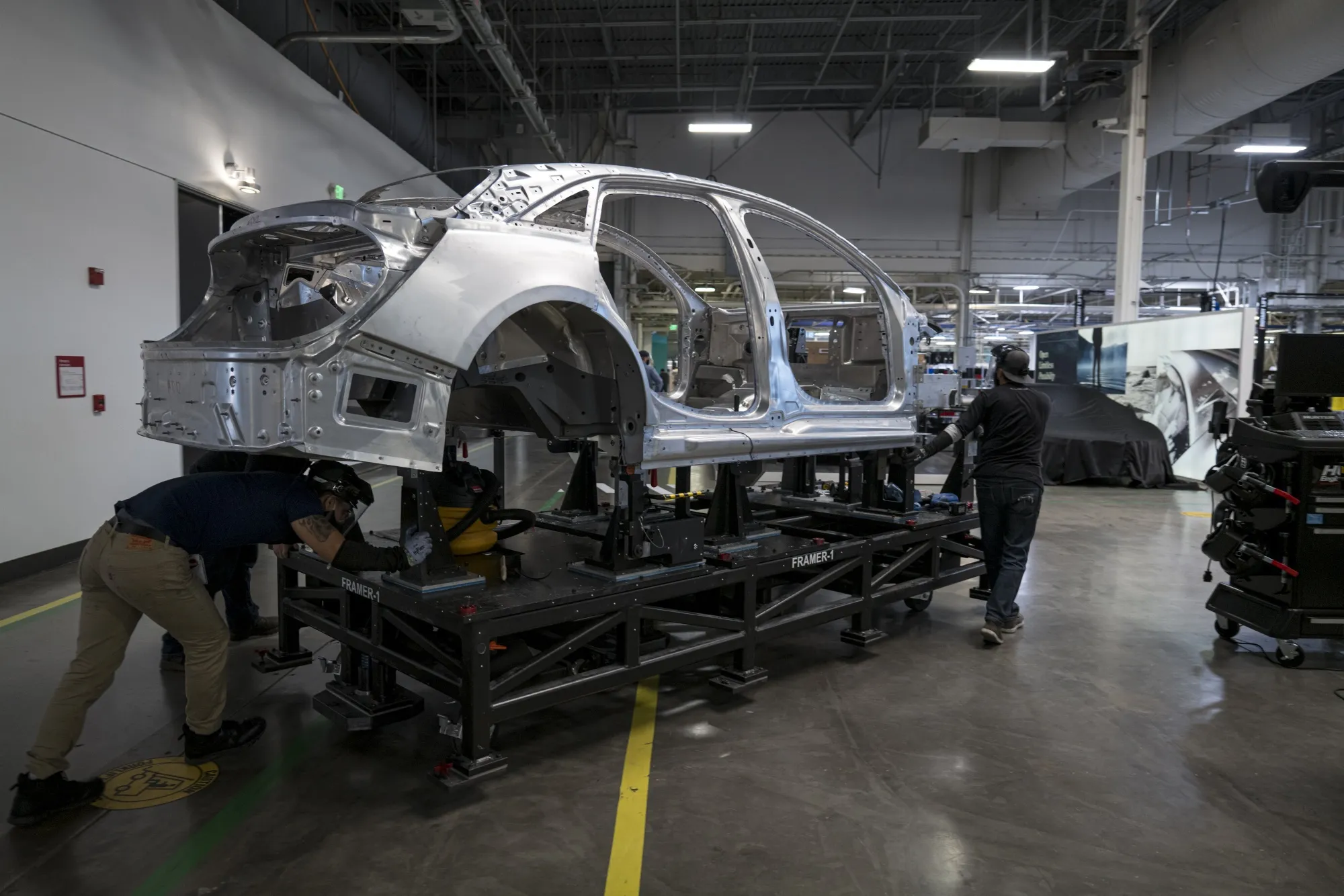
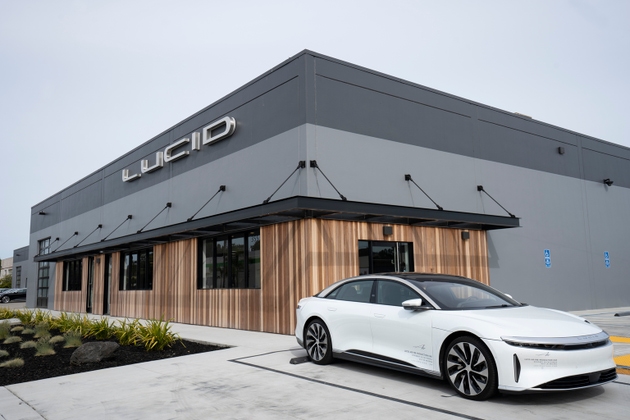
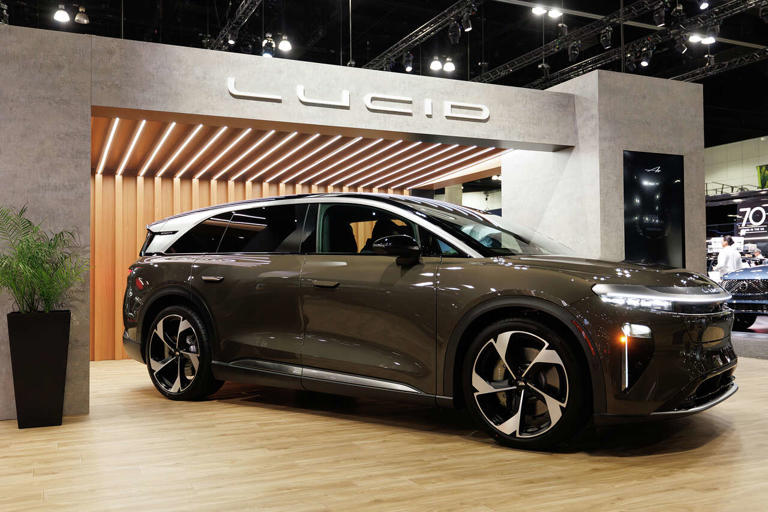
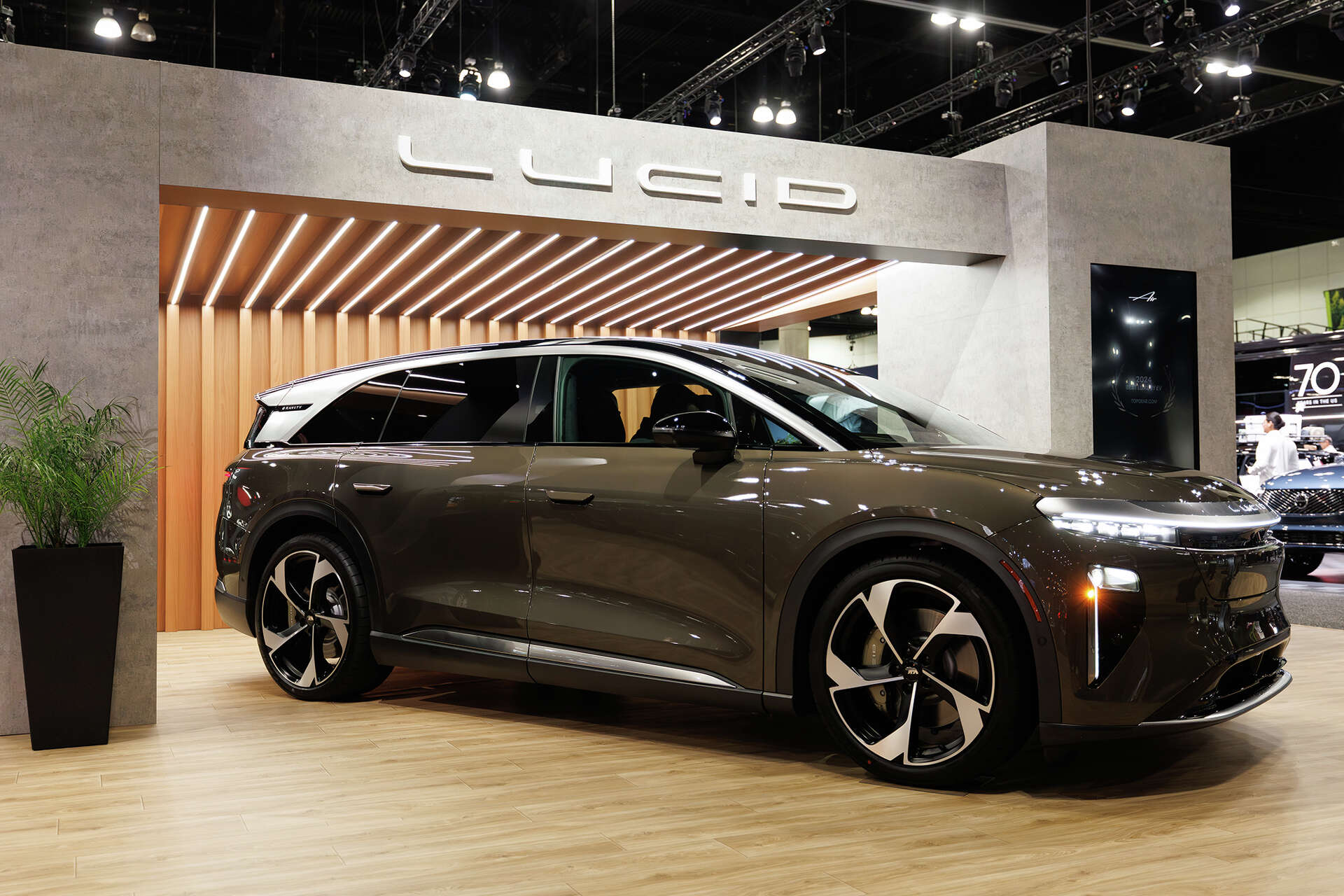
Lucid Motors announced a 12% workforce reduction (approximately 800 employees) on February 21, 2026, marking the third major layoff round in three years. The Newark, California-based luxury electric vehicle manufacturer reported a net loss exceeding $1.8 billion during the first nine months of 2025, despite doubling vehicle production to 18,378 units. The company's valuation has collapsed 96% from its 2021 peak of $89 billion to $3.1 billion, signaling severe structural challenges in the EV sector. This development carries significant indirect implications for cross-border e-commerce sellers through multiple economic channels.
The broader EV industry contraction reflects systemic market headwinds affecting consumer discretionary spending patterns. Lucid's layoffs follow similar cuts from Rivian (600+ workers in 2025) and Tesla's discontinuation of Model S/X production lines, indicating industry-wide consolidation pressure. The expiration of federal EV tax credits in 2025 substantially reduced consumer purchase incentives, directly impacting luxury vehicle demand where Lucid competes. This signals weakening consumer confidence in discretionary automotive purchases—a leading indicator for broader e-commerce demand across luxury goods, automotive accessories, and premium product categories. Sellers specializing in EV-related products (charging infrastructure, vehicle accessories, smart home integration) face declining market tailwinds as EV adoption growth stalls.
For e-commerce sellers, the operational impact manifests through reduced consumer discretionary spending and supply chain volatility. The layoffs indicate Lucid's shift toward cost-cutting over growth investment, reducing procurement from suppliers and logistics partners. Sellers dependent on automotive-adjacent supply chains (battery components, electronics, manufacturing equipment) may experience reduced B2B demand. More critically, the broader economic signal suggests consumers are tightening discretionary spending—affecting demand for premium electronics, luxury goods, and non-essential categories typically sold through cross-border platforms. The automotive sector's contraction historically precedes broader consumer spending slowdowns, making this a leading economic indicator for e-commerce demand forecasting. Sellers should monitor Q1 2026 consumer spending data and adjust inventory allocation toward essential categories while reducing exposure to discretionary luxury segments that correlate with automotive sector health.
問題 7
What are the key dates sellers should monitor for Lucid and EV industry developments?
Critical monitoring dates include: Lucid's February 24, 2026 financial report (revealing 2025 margin performance and cash burn rate), Q1 2026 earnings announcements from competitors (Tesla, Rivian, traditional automakers), and federal regulatory updates on EV incentives. Sellers should establish quarterly reviews of EV category performance metrics and adjust inventory allocation based on Q1 2026 demand data. Monitor industry analyst reports on EV market consolidation—expect 2-3 additional major EV manufacturer announcements through mid-2026. Set internal alerts for competitor layoff announcements and supply chain disruption news, as these typically precede 4-6 week demand shifts in related e-commerce categories.
How should sellers diversify away from EV-dependent supply chains?
Sellers should implement a three-pronged diversification strategy: (1) Reduce EV-specific SKU exposure from 25-30% to 10-15% of inventory within 60 days, (2) Expand into complementary automotive aftermarket categories (maintenance, safety, general accessories) with 5-10 year demand stability, (3) Develop non-automotive product lines in consumer electronics, home improvement, and essential categories less correlated with discretionary spending. Lucid's experience demonstrates that automotive sector concentration risk can result in 15-25% demand volatility. Sellers with diversified category exposure typically maintain 3-5% demand stability during automotive downturns. Prioritize supplier relationships with established automotive Tier-1 companies serving multiple OEMs rather than EV-startup-dependent suppliers.