



India's $200B AI Investment Push | Seller Automation & Data Localization Impact
- India's AI sovereignty model reshapes e-commerce compliance for 500M+ users; open-source AI democratization cuts automation costs 30-40% for SME sellers globally
















概览
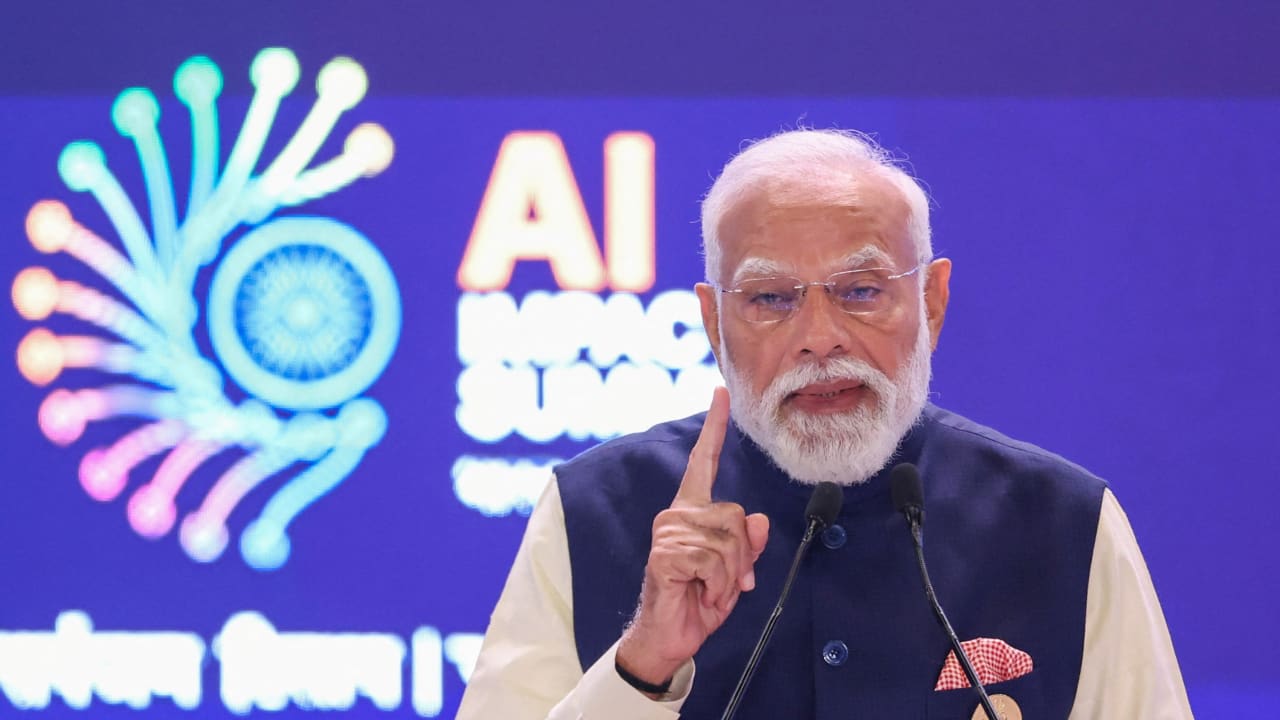
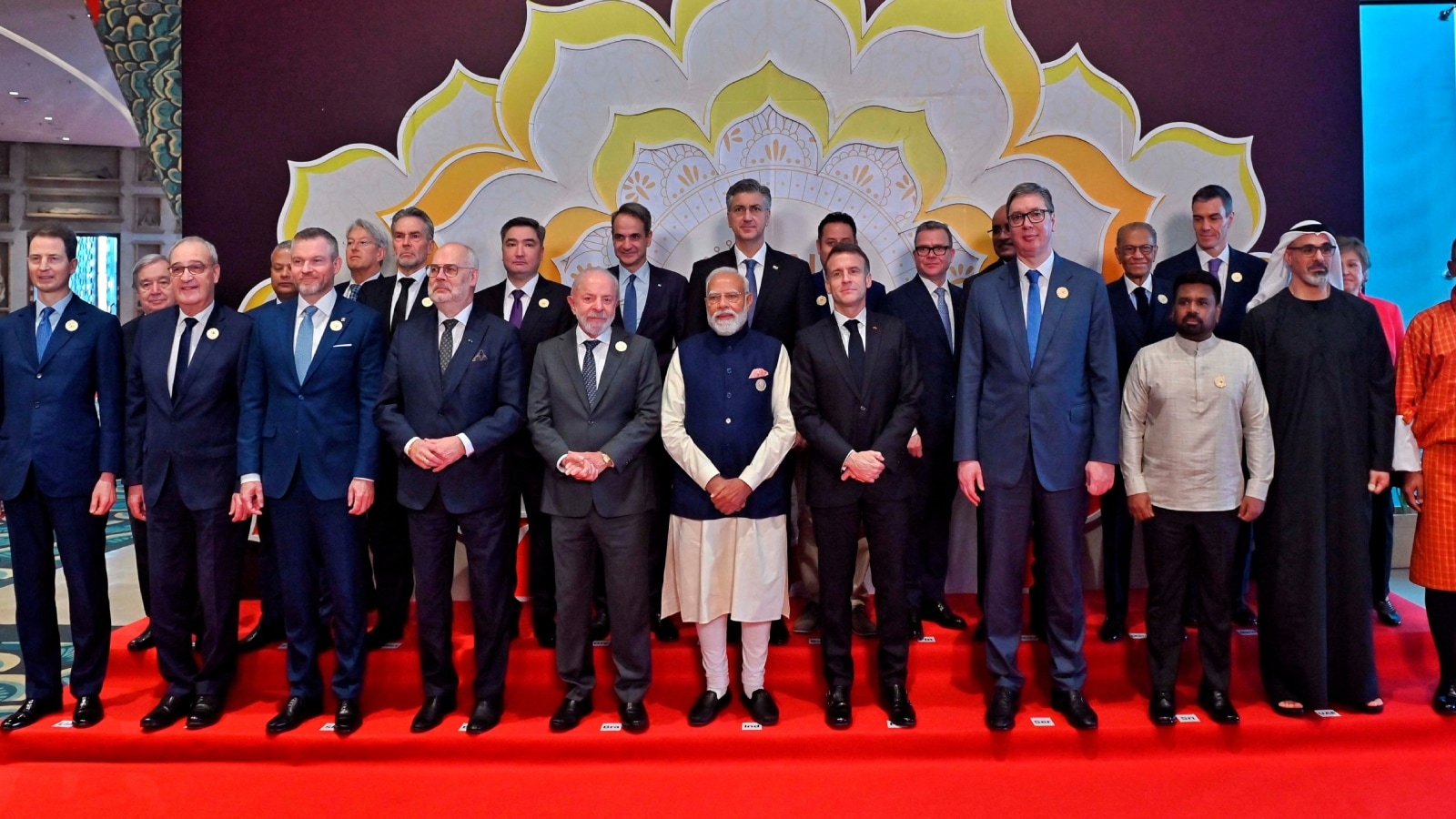
India's February 2026 AI Impact Summit marks a critical inflection point for cross-border e-commerce sellers, with the government targeting $200 billion in AI investment over two years and championing a multipolar AI governance model distinct from US-China dominance. The summit, attended by OpenAI, Google, and Anthropic leadership, resulted in an 88-country declaration emphasizing open-source AI accessibility and democratization—a fundamental shift from 2023's safety-focused frameworks. For sellers, this creates both immediate automation opportunities and emerging regulatory complexity.
The immediate automation opportunity is substantial. The declaration's emphasis on open-source AI models and wide-scale diffusion signals accelerating availability of affordable AI tools for inventory management, dynamic pricing, customer service automation, and logistics optimization. Sellers currently paying $500-2,000/month for proprietary AI platforms (Helium 10, Jungle Scout, Keepa) can expect viable open-source alternatives within 6-12 months, potentially reducing automation costs by 30-40%. Small and mid-sized sellers (SMEs) operating on Amazon, Flipkart, and Shopify will gain access to AI-powered product research, competitor analysis, and demand forecasting previously reserved for enterprise sellers. This democratization directly addresses the UN's concern that "AI's future shouldn't be decided by a few billionaires"—translating to cost parity for sellers regardless of scale.
However, India's AI sovereignty push creates regulatory fragmentation that sellers must navigate immediately. India's $200B investment targets indigenous AI infrastructure and data localization requirements, signaling future policies affecting how sellers manage customer data on Flipkart and Amazon India. The summit's focus on "algorithmic transparency standards" and "data localization requirements" suggests India will mandate that recommendation engines, pricing algorithms, and customer analytics operate on domestically-hosted infrastructure. This mirrors EU GDPR complexity but with India-specific compliance costs. Sellers operating across India, US, and EU markets face a three-tier regulatory landscape: EU's strict safety frameworks, India's emerging sovereignty requirements, and the US's voluntary industry-led approach. Compliance infrastructure costs could reach $5,000-15,000 annually for sellers managing multi-region operations.
The competitive intelligence angle is critical. India's government preference for domestically-developed AI tools (signaled by the summit's emphasis on "preferential treatment") suggests sellers using Indian-built solutions will gain algorithmic advantages on Flipkart and Amazon India. Sellers should monitor emerging Indian AI startups (likely to receive government backing) and consider early adoption of tools like Shiprocket's AI features or other India-based platforms. The $200B investment will accelerate talent concentration in India's AI sector, creating a 12-18 month window where early-adopting sellers can access cutting-edge AI capabilities at subsidized rates before global competition intensifies.
問題 8
How does the summit's emphasis on multipolar AI governance create opportunities for sellers to reduce platform dependency?
The shift from US-China dominance to multipolar governance (with India, EU, and others developing independent AI models) means sellers can diversify their tool ecosystems and reduce reliance on single-platform solutions. Rather than depending entirely on Amazon's or Shopify's proprietary AI recommendations, sellers can now combine India-based tools, EU-compliant solutions, and open-source alternatives to create resilient, multi-source intelligence systems. This reduces the risk of algorithmic changes on any single platform disrupting seller operations. Sellers should begin evaluating 2-3 alternative tools in each category (pricing, inventory, customer service) to build redundancy and maintain competitive advantages even if platform algorithms shift.
What cost savings can sellers expect from open-source AI tools endorsed by the 88-country declaration?
The declaration's emphasis on open-source AI accessibility suggests sellers can reduce automation costs by 30-40% within 12-18 months as viable alternatives to proprietary platforms emerge. Currently, sellers pay $500-2,000/month for tools like Jungle Scout, Helium 10, and Keepa for product research and competitor analysis. Open-source alternatives for inventory management, dynamic pricing, and demand forecasting will democratize access to AI capabilities previously available only to enterprise sellers. SME sellers with 100-500 SKUs could save $6,000-24,000 annually while gaining equivalent analytical capabilities.