


UK-EU Defense Tech Boom Creates €500M+ Supply Chain Opportunity for Electronics & Components Sellers
- Five-nation drone defense initiative signals massive procurement demand for sensors, batteries, AI chips, and lightweight materials through 2025-2027




)









概览
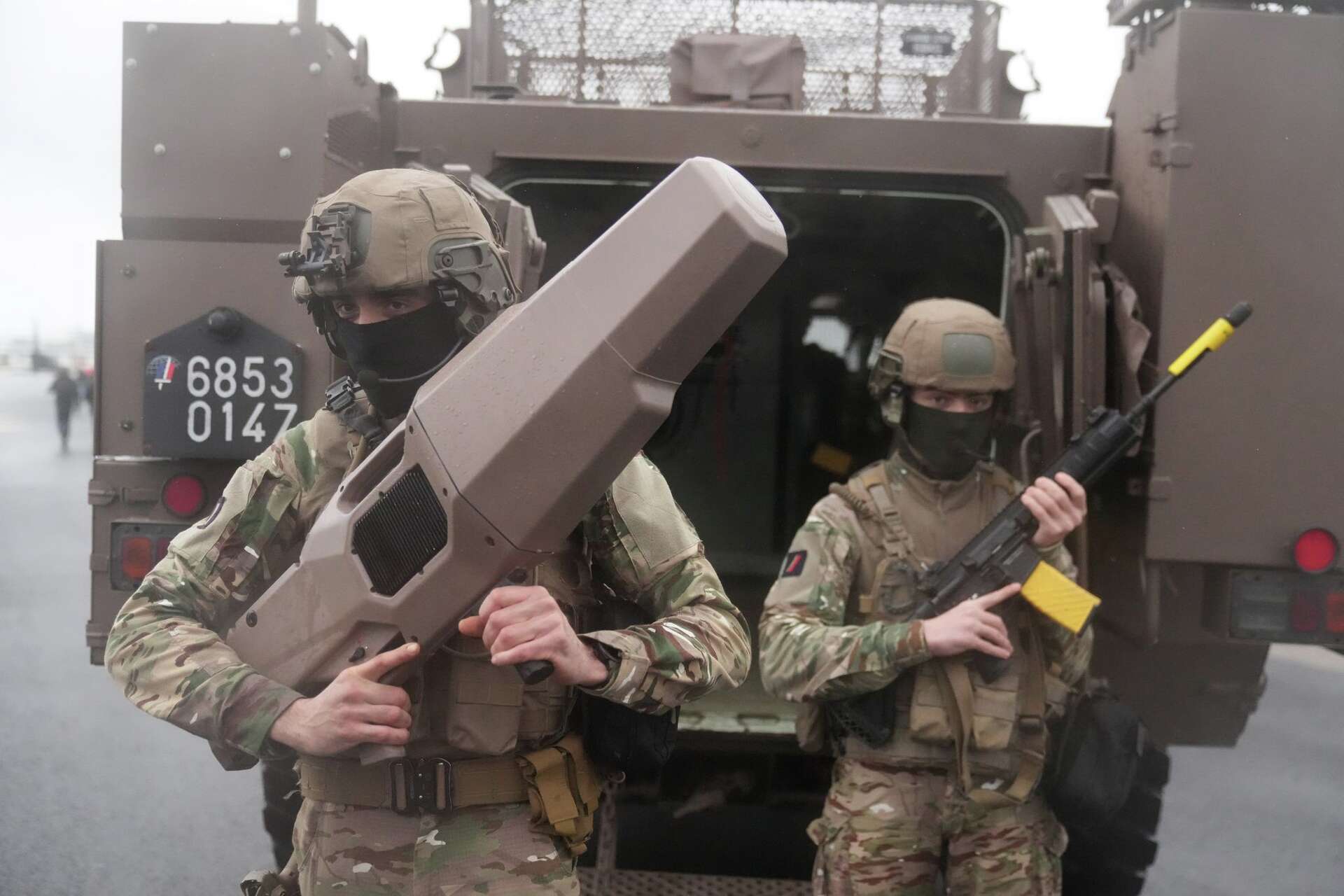
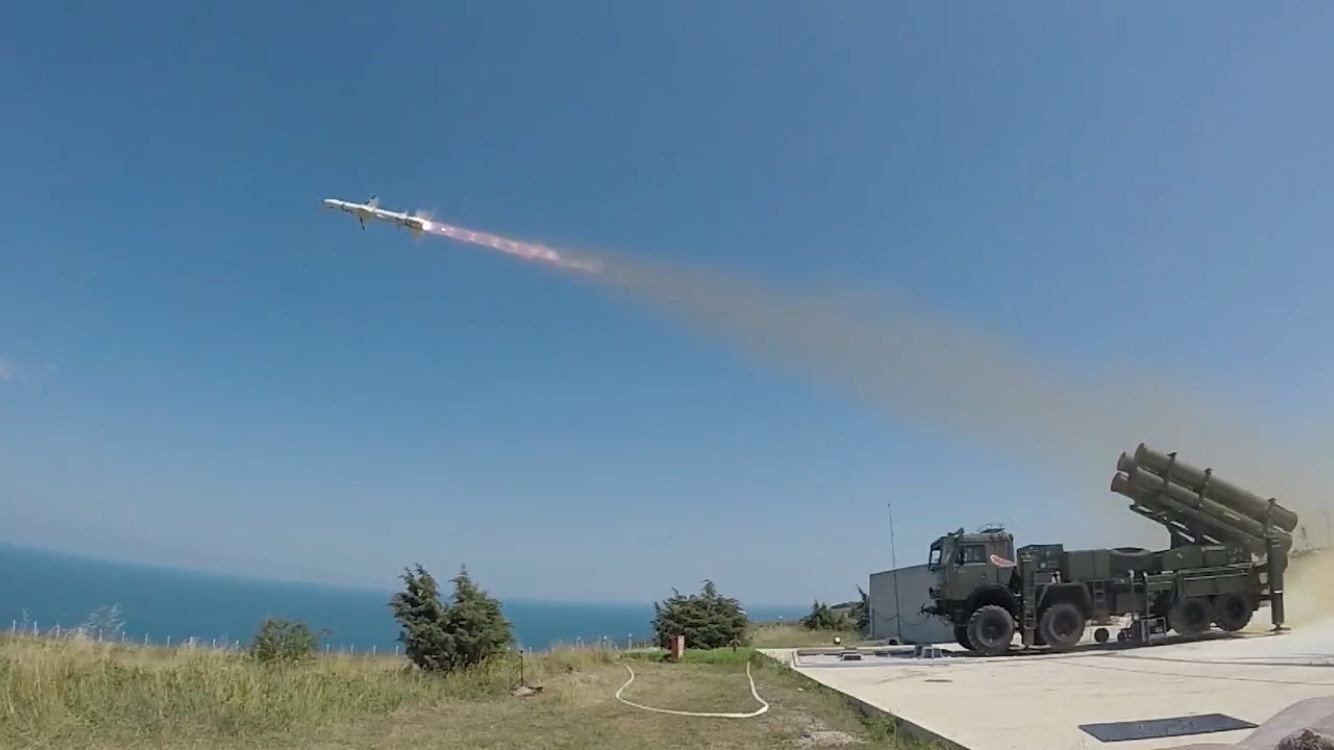
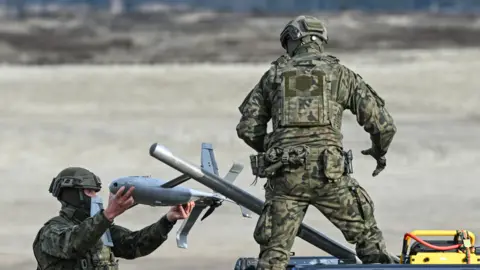
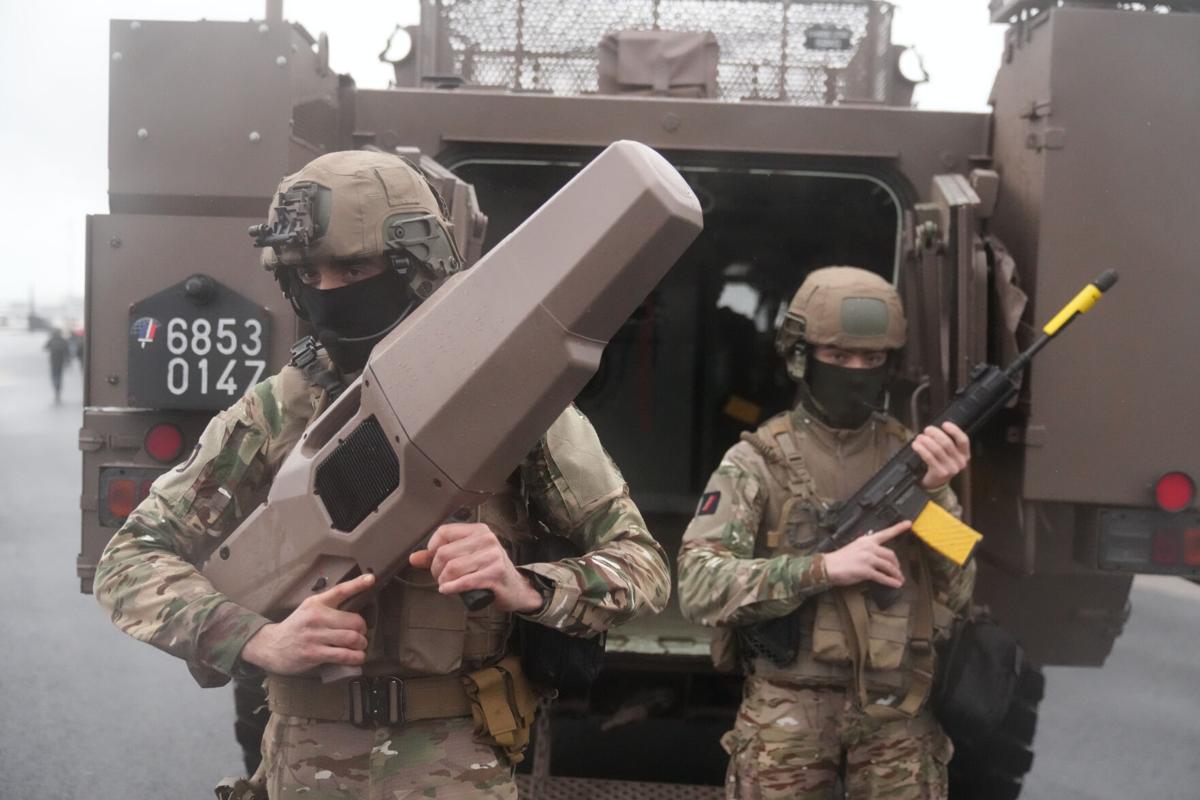
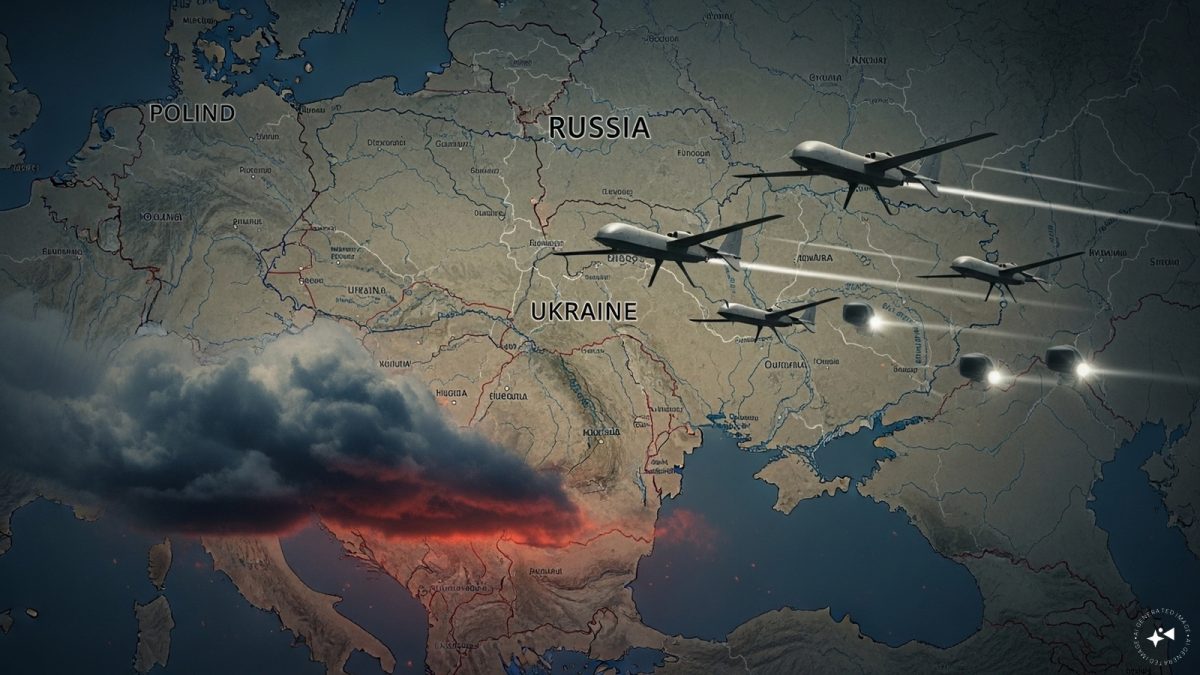
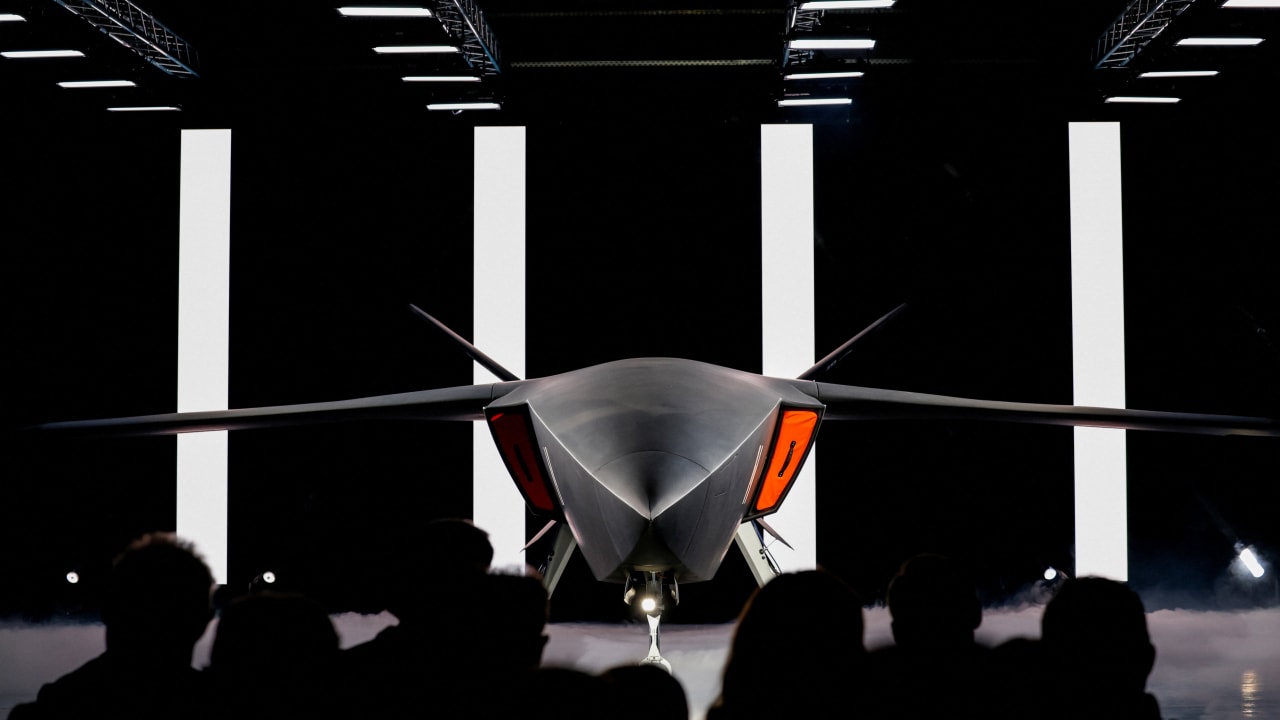
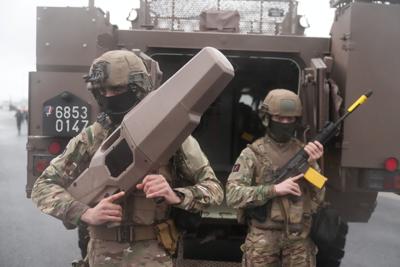
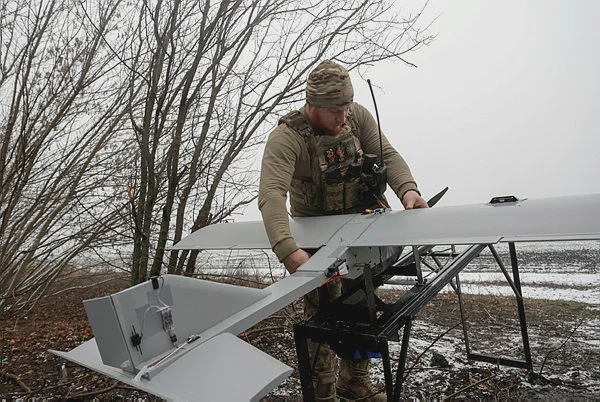
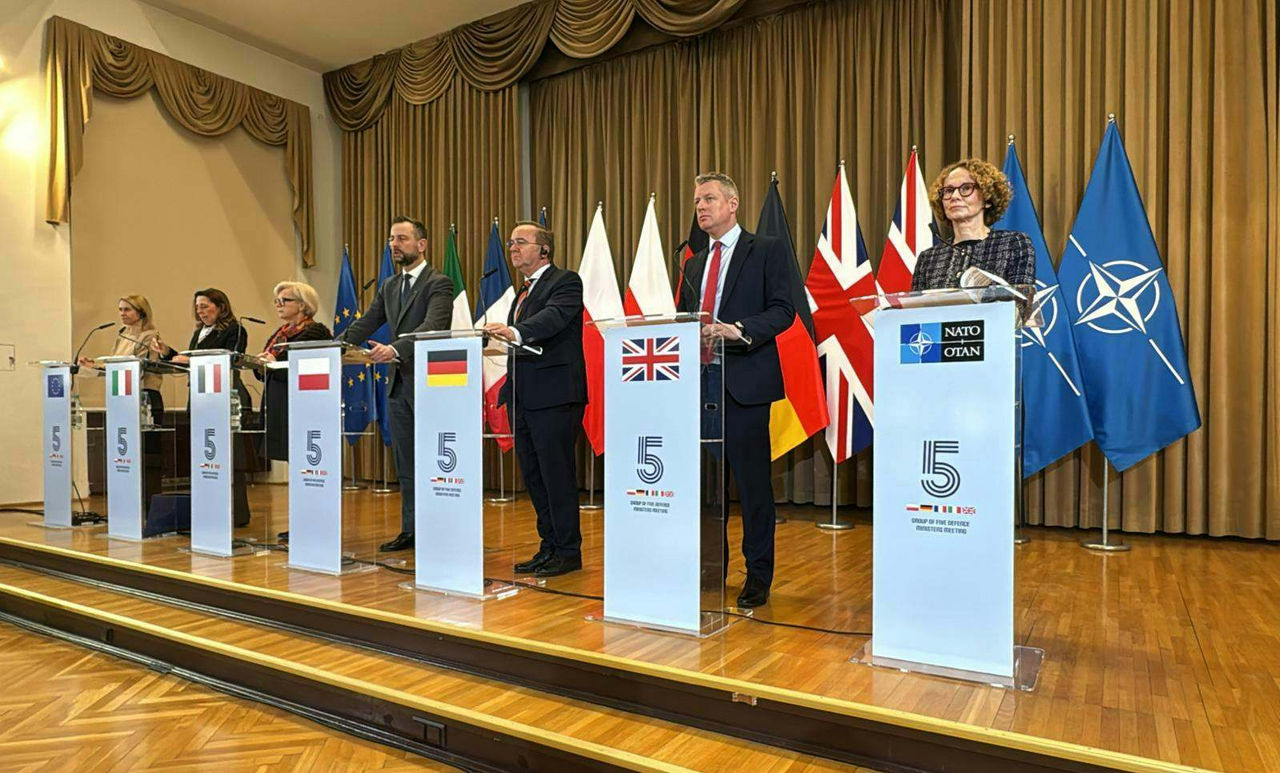
The UK-EU E5 defense collaboration announced in February 2026 represents a transformational €500M+ procurement opportunity for cross-border electronics and components sellers. The initiative—involving the UK, France, Germany, Italy, and Poland—commits "multimillion pound, multimillion euro" investments to develop affordable air defense weapons, autonomous drones, and lightweight surface-to-air systems with first deliverables targeted for 2025. This defense modernization directly translates to explosive demand for specialized product categories: drone components (motors, propellers, frames), semiconductor sensors (LiDAR, thermal imaging), battery systems (high-density lithium-ion), AI processing chips, and advanced materials (carbon fiber, composite structures).
Market Access Opportunity: The E5 framework explicitly prioritizes "cooperation with smaller technology companies" and minimizes operational requirements for participation, creating direct B2B procurement pathways for mid-sized electronics suppliers. Unlike traditional EU defense procurement (which favored large contractors), this initiative invites manufacturers from all five nations to submit proposals, effectively opening €100M+ annual sourcing windows for component suppliers. Sellers with expertise in drone electronics, autonomous systems, or lightweight materials can position themselves as critical supply chain partners.
Tariff & Trade Advantage: The defense collaboration signals reduced trade friction between UK-EU partners post-Brexit. Components sourced from UK suppliers to EU defense manufacturers will benefit from streamlined customs procedures under defense cooperation frameworks. Electronics sellers should monitor HS codes 8471 (processors), 8504 (power supplies), 8517 (telecommunications equipment), and 9014 (navigation instruments)—all critical for autonomous drone systems. The "cost-efficiency" mandate means buyers prioritize suppliers offering 15-25% cost advantages over traditional defense contractors.
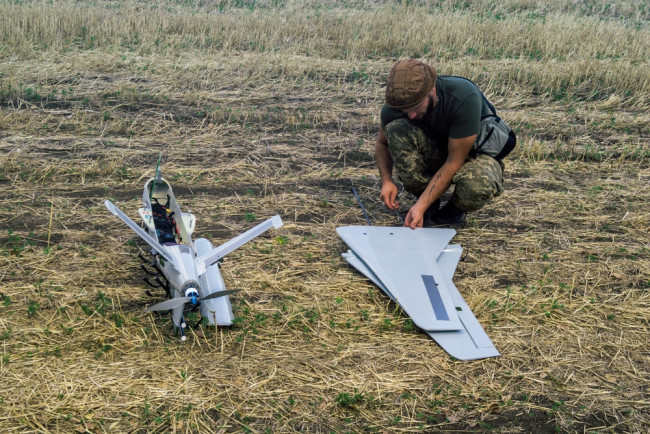
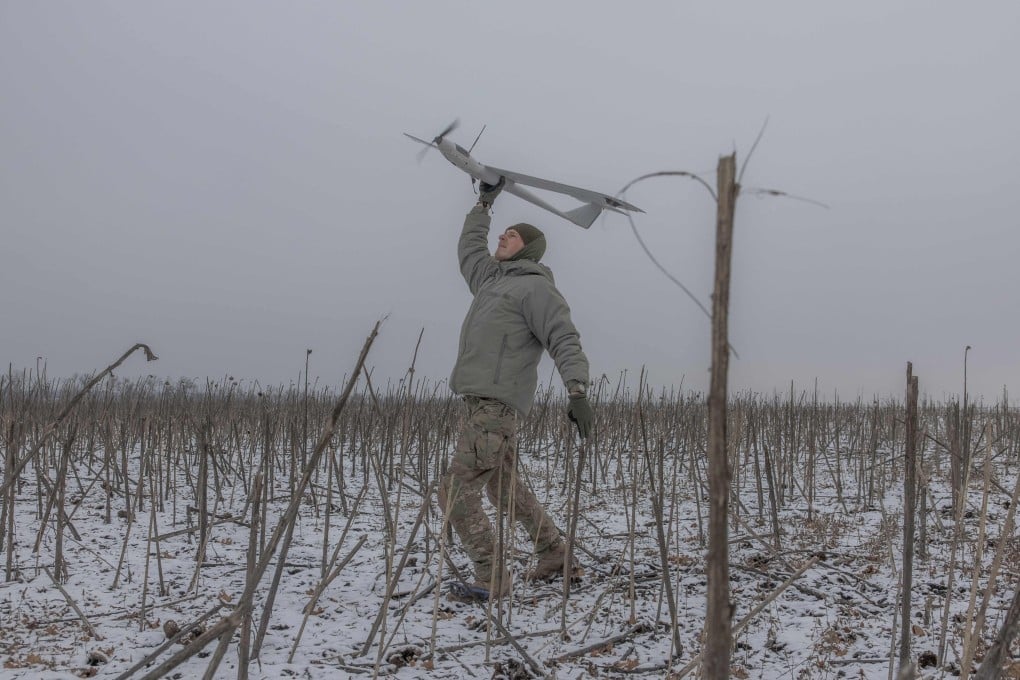
Competitive Shift: Ukraine's proven low-cost drone manufacturing model (referenced as direct inspiration) creates sourcing arbitrage opportunities. Sellers who can source components from Ukrainian manufacturers or establish supply chains replicating Ukraine's cost structure gain 20-30% margin advantages. The initiative's focus on "changing the economics of warfare" explicitly rewards suppliers who deliver 40-50% cost reductions versus legacy systems.
Timeline Criticality: First deliverables target 2025, meaning component suppliers must establish relationships with prime contractors by Q2 2025. The E5 group has convened seven times since formation, indicating rapid decision-making velocity. Sellers should initiate outreach to defense manufacturers in participating nations immediately—this represents a 12-18 month window before procurement contracts lock in suppliers for 3-5 year cycles.
問題 7
What compliance or certification requirements apply to sellers supplying E5 defense manufacturers?
The E5 framework 'minimizes operational requirements for project participation,' suggesting initial component supply phases have lower barriers than traditional defense contracting. However, sellers should expect ISO 9001 quality certification (standard for aerospace/defense), potential export license requirements (UK FCDO, EU arms regulations), and supply chain security vetting. Electronics components typically require RoHS compliance (HS 8471, 8504 items) and may require ITAR review if US-origin technology is involved. Sellers should verify defense goods export licenses with UK FCDO or equivalent EU authorities before engaging with manufacturers. The 'multimillion' investment commitment suggests serious compliance expectations—sellers should budget 2-4 weeks for certification verification before contract negotiations.
What is the timeline urgency for sellers to establish relationships with E5 defense manufacturers?
The E5 group has convened seven times since formation in late 2024, indicating rapid decision-making velocity. First deliverables target 2025, meaning component suppliers must establish relationships with prime contractors by Q2 2025 to influence procurement specifications. This represents a 12-18 month window before multi-year supply contracts lock in. Sellers should initiate outreach to defense manufacturers in UK, France, Germany, Italy, and Poland immediately. The 'multimillion pound, multimillion euro' investment commitment signals serious procurement budgets—missing this window means waiting 3-5 years for next procurement cycle. Immediate action (January-March 2025) is critical for contract positioning.