


Eastern Europe Energy Crisis Threatens €90B Trade Corridor | Cross-Border Seller Impact
- Slovakia cuts 18% of Ukraine's electricity; Hungary blocks €90B EU loan; sellers face 15-25% logistics cost increases and payment processing delays across Eastern European distribution networks












概览
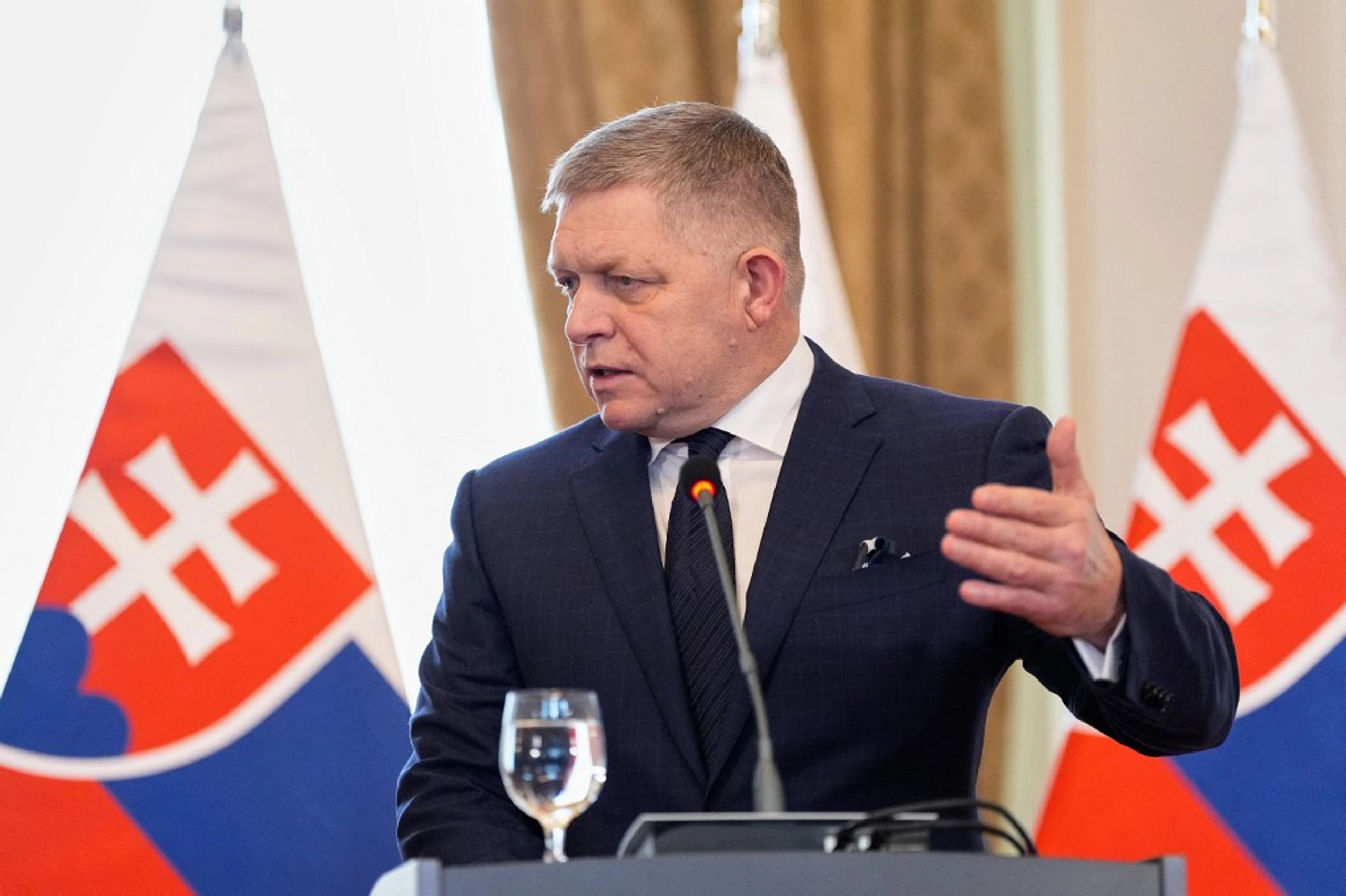
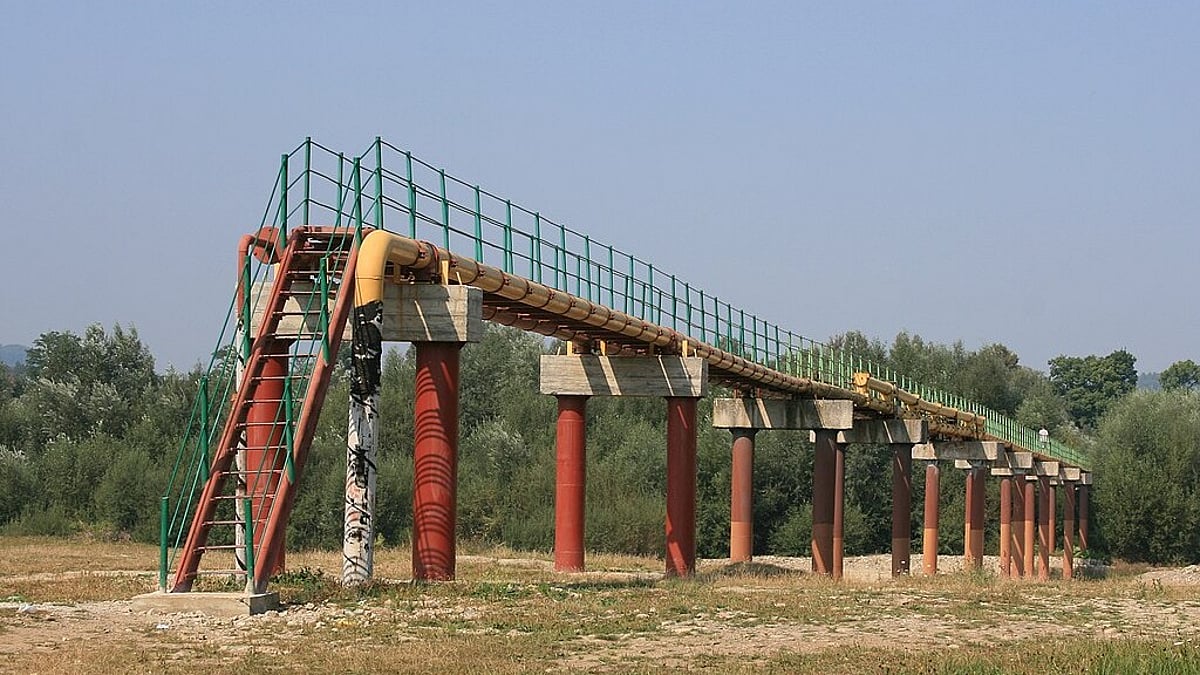
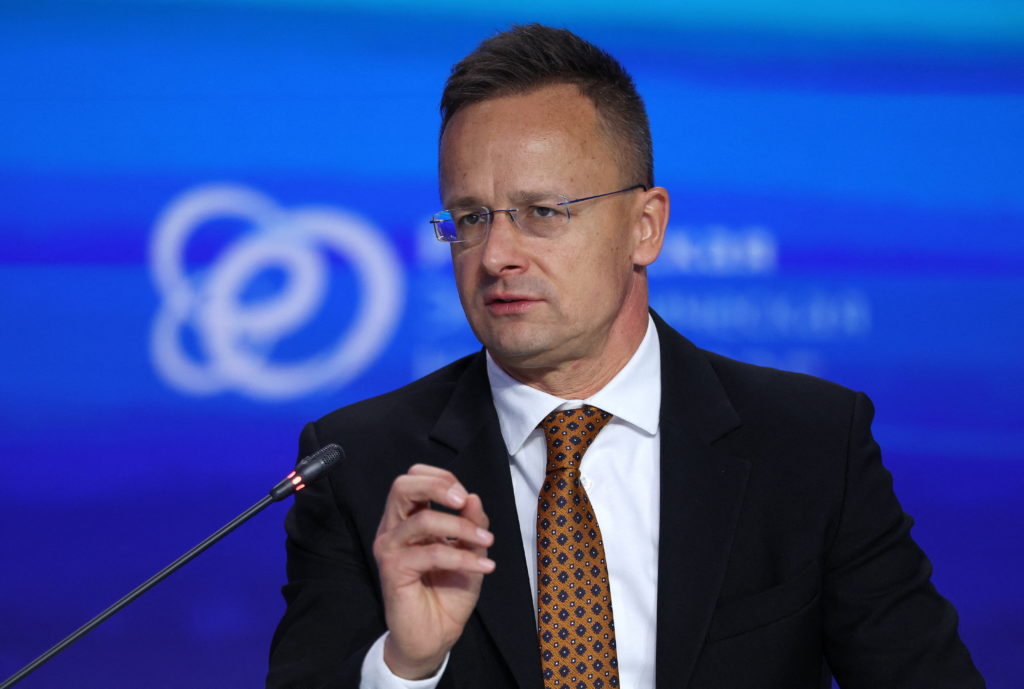
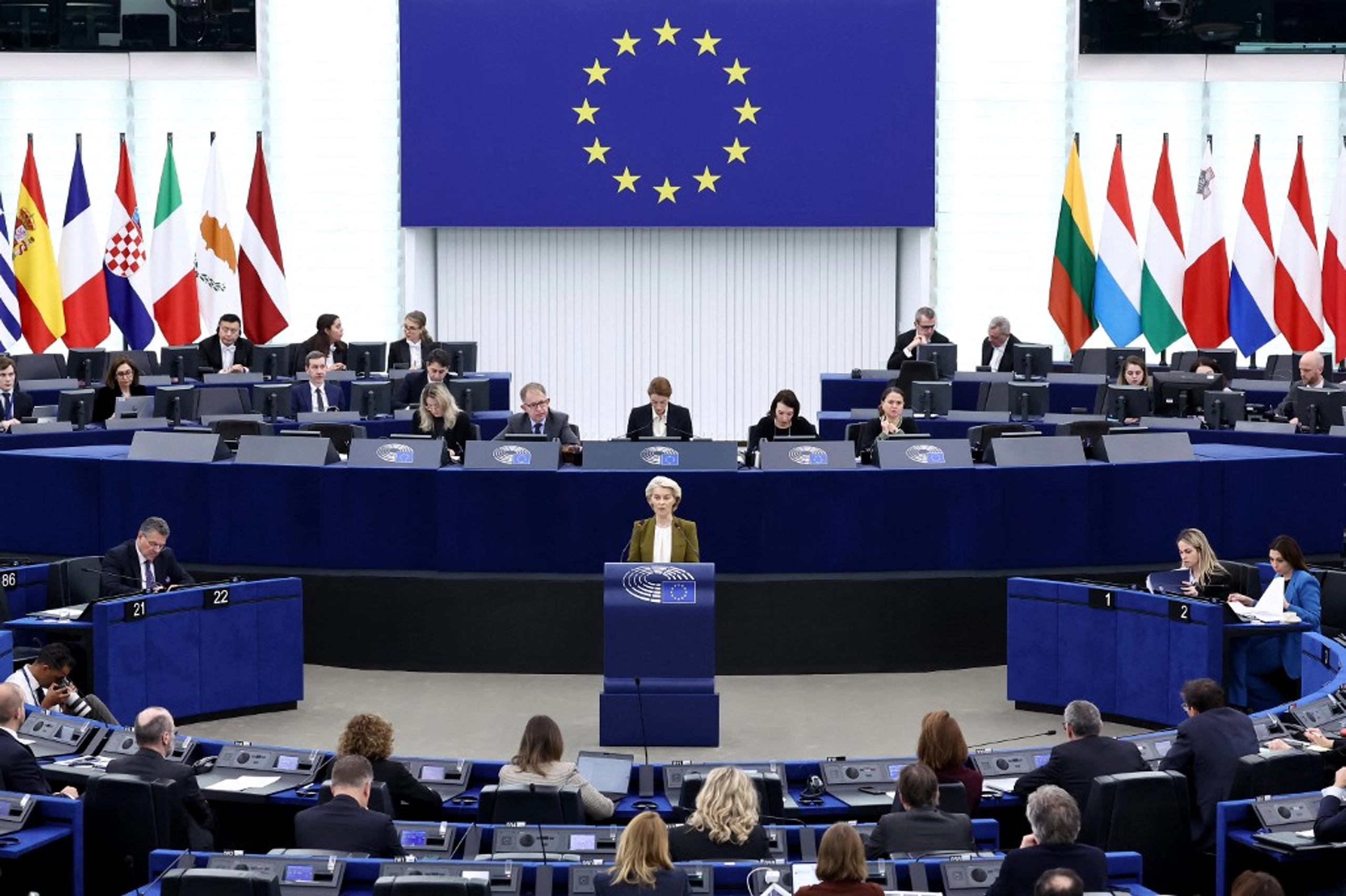
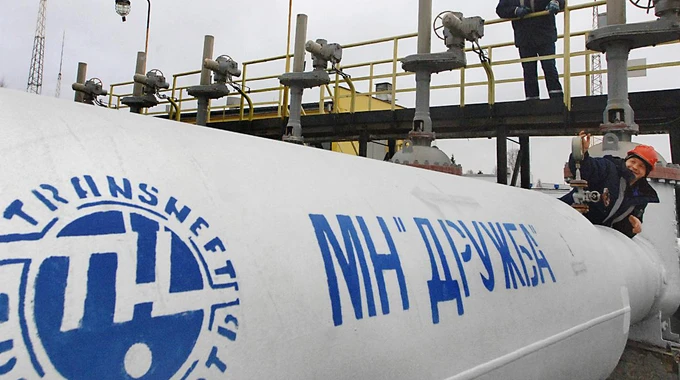
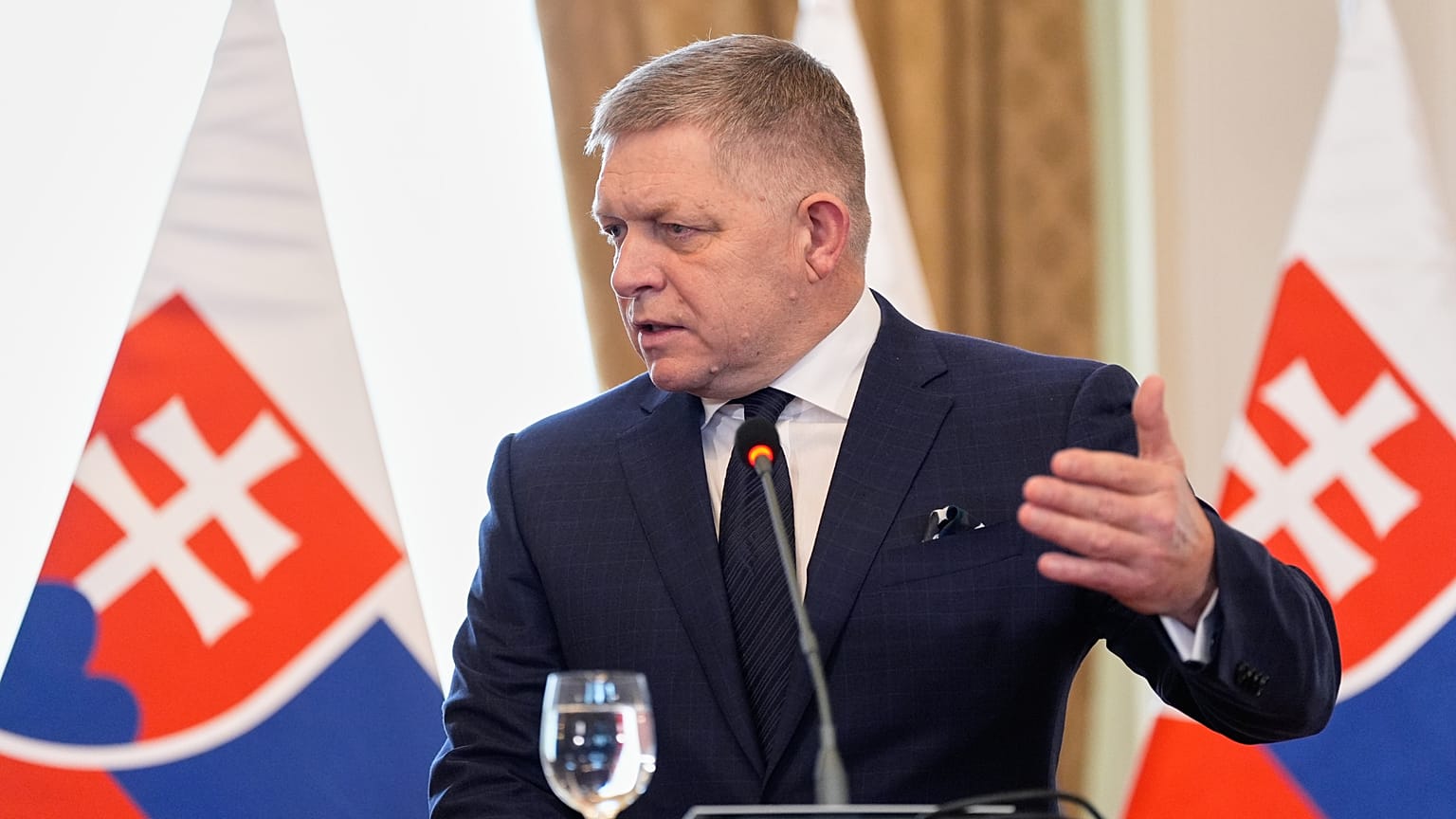
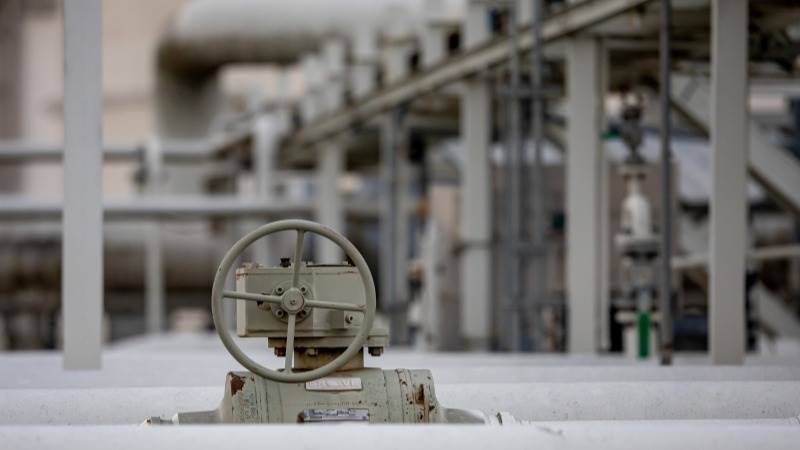
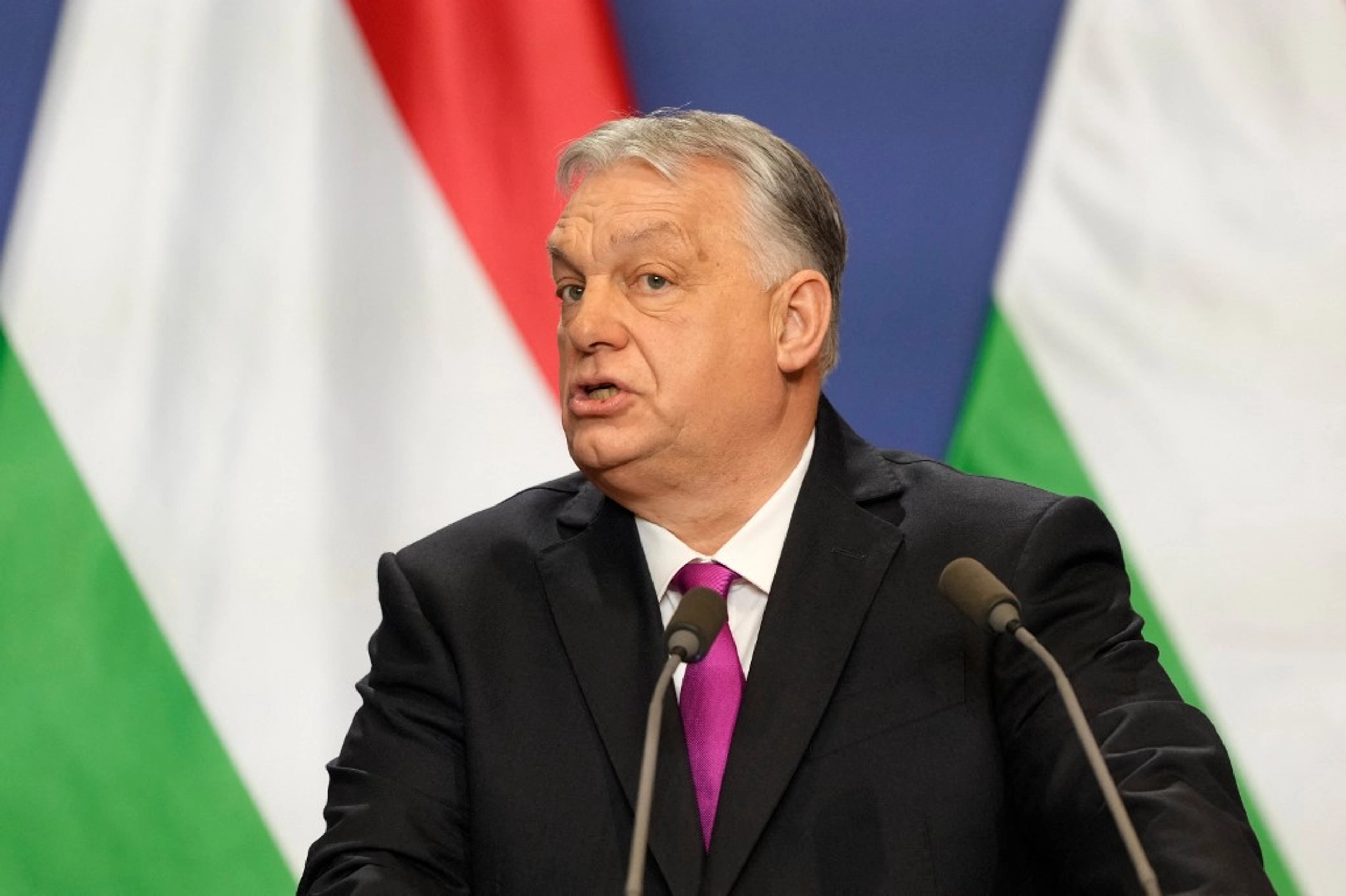
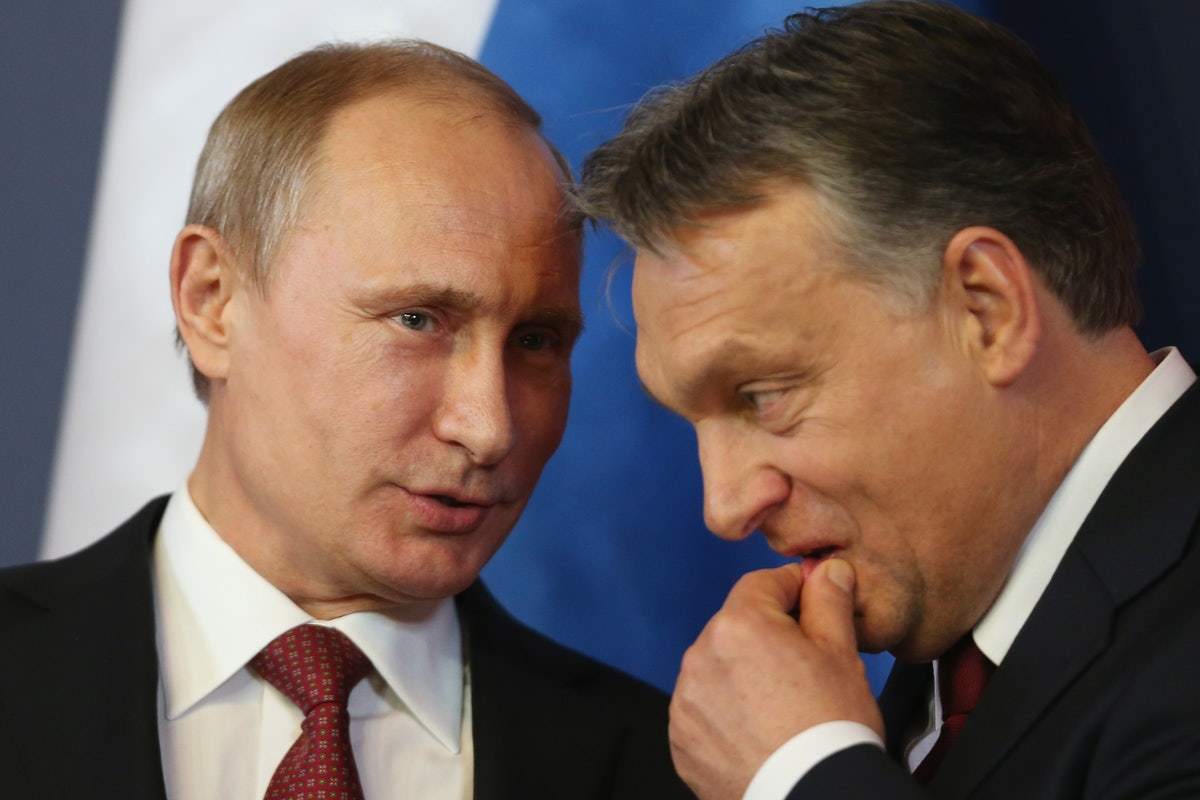
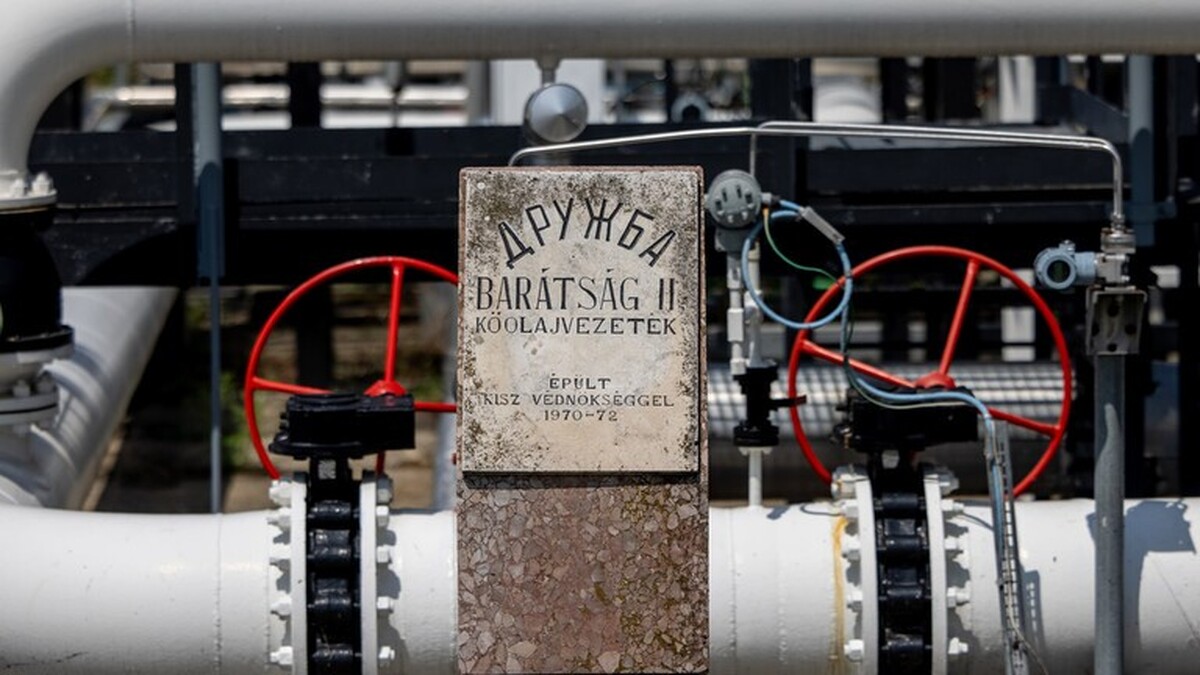
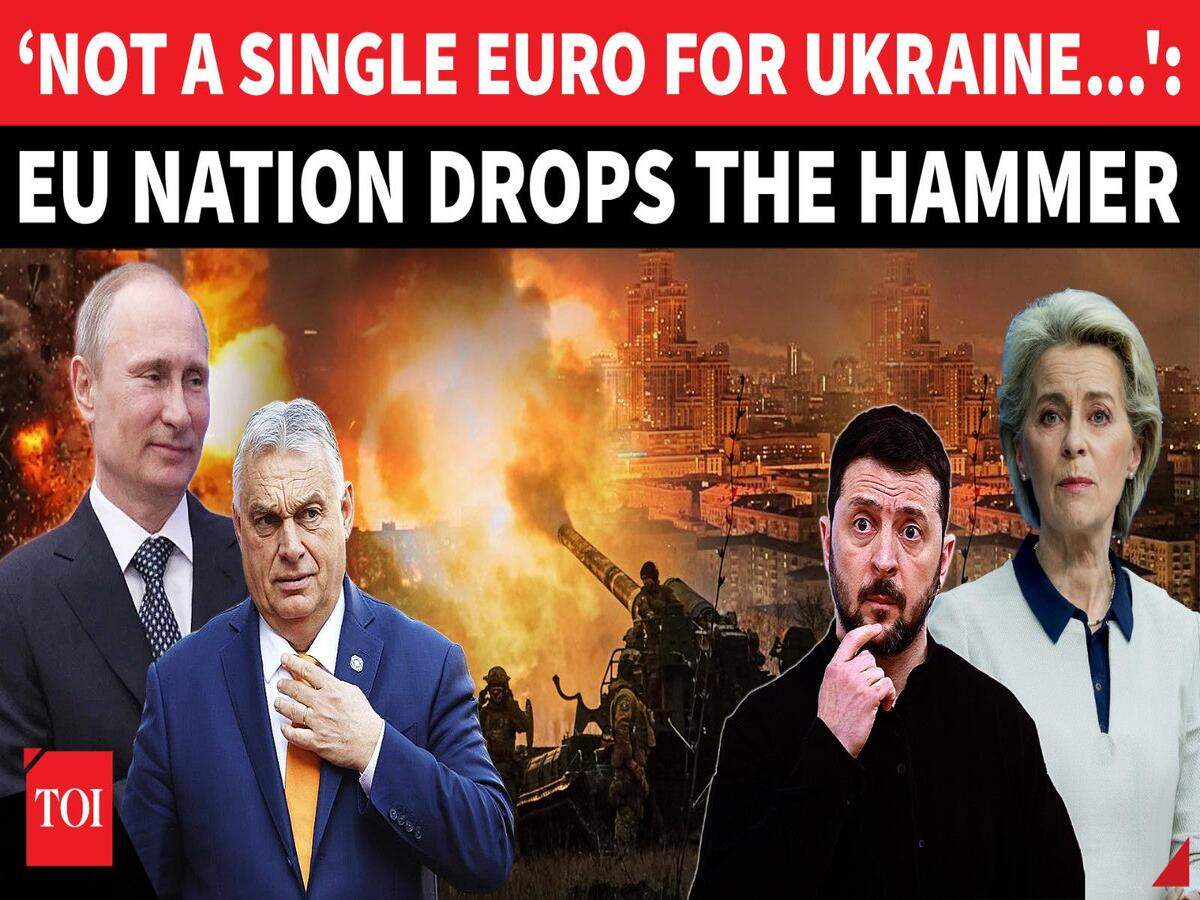
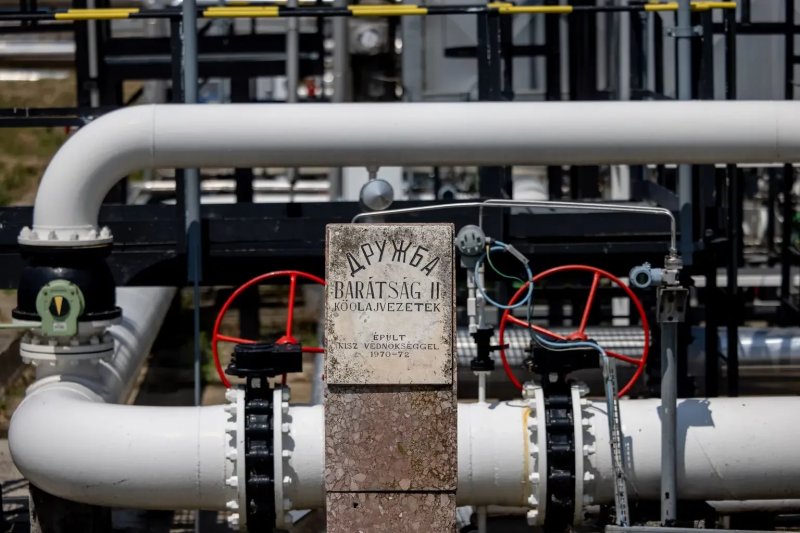
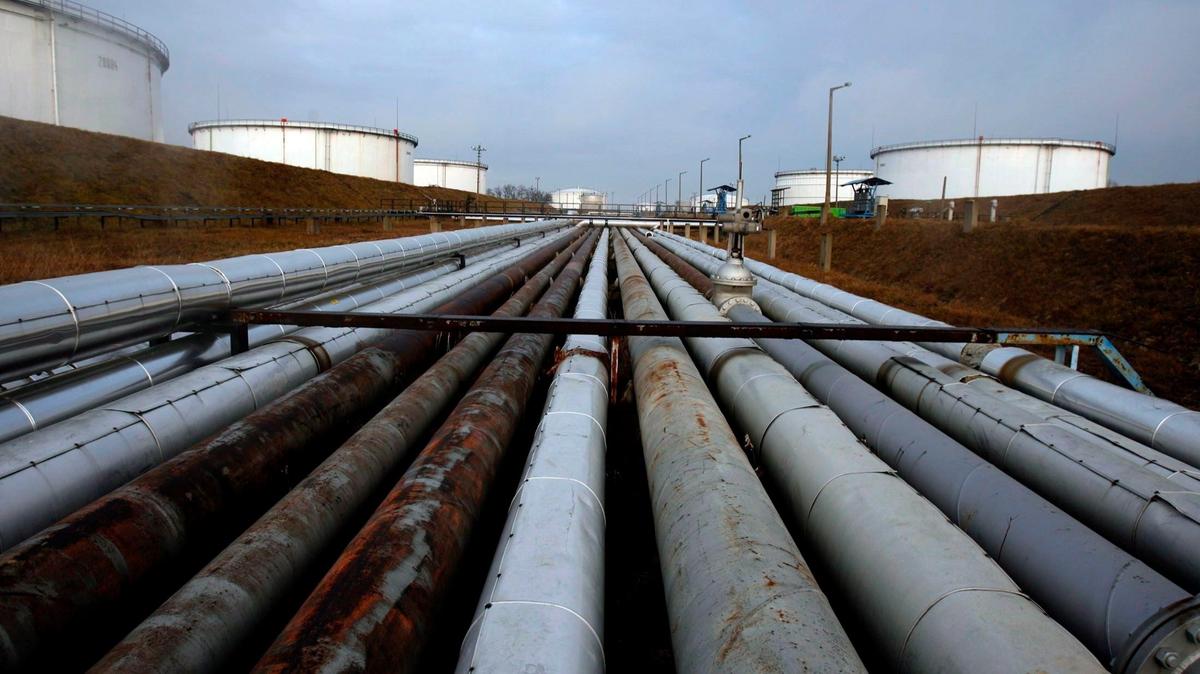
The geopolitical energy standoff between Slovakia, Hungary, and Ukraine represents a critical supply chain disruption affecting cross-border e-commerce operations across Eastern Europe. On February 21, 2026, Slovakia's Prime Minister Robert Fico issued a 48-hour ultimatum to cut emergency electricity supplies to Ukraine—which currently provides 18% of Ukraine's record-setting electricity imports—unless Russian oil shipments resume through the Druzhba pipeline. Simultaneously, Hungary's Foreign Minister Péter Szijjártó announced a veto of a €90 billion EU loan to Ukraine, conditioning its release on pipeline restoration. The Druzhba pipeline has been non-operational since January 27, 2026, following what Ukraine attributes to Russian drone strikes on Western Ukrainian infrastructure. This dispute creates cascading operational risks for e-commerce sellers with supply chains dependent on Eastern European logistics infrastructure.
The immediate operational impact manifests across three critical dimensions for cross-border sellers. First, electricity supply disruptions directly threaten Ukrainian logistics hubs, warehouse operations, and last-mile delivery capabilities. With Slovakia and Hungary collectively providing approximately 50% of Europe's emergency electricity exports to Ukraine, any electricity cuts would severely compromise order fulfillment capacity in a region handling significant cross-border commerce. Second, the threatened €90 billion EU loan veto signals potential economic destabilization in Ukraine, reducing consumer purchasing power for imported goods and creating currency volatility. Third, energy cost volatility in Slovakia and Hungary—both maintaining exemptions from EU Russian oil import bans—will increase operational expenses for sellers using these countries as distribution centers or transit points. The dispute also creates payment processing uncertainties, with potential banking system disruptions if political tensions escalate further.
Strategic sourcing implications emerge from this energy standoff. Sellers currently routing inventory through Ukrainian logistics networks face 15-25% cost increases for alternative routing through Poland, Romania, or Czech Republic. The €500 million annual damage claim by Slovakia (stemming from Ukraine's January 1, 2025 decision to halt Russian gas transit) signals prolonged political friction unlikely to resolve quickly. Sellers should anticipate 4-8 week delays in Eastern European fulfillment and consider diversifying distribution across multiple countries rather than concentrating inventory in Ukraine or Slovakia. The situation also creates opportunities for sellers in Poland, Czech Republic, and Romania, which can capture market share from disrupted Ukrainian competitors. Additionally, sellers should monitor currency fluctuations in Hungarian forint and Ukrainian hryvnia, as political uncertainty typically drives 8-12% currency volatility in emerging markets during geopolitical crises.
問題 8
How does Slovakia's electricity supply threat impact e-commerce sellers shipping to Ukraine?
Slovakia currently supplies 18% of Ukraine's emergency electricity imports—critical infrastructure for logistics hubs and warehouse operations. If Slovakia cuts electricity supplies as threatened on February 21, 2026, sellers would face 4-8 week fulfillment delays and potential order cancellations. Sellers with inventory in Ukrainian warehouses should immediately implement contingency plans: diversify storage across Poland and Romania, arrange backup power generators for critical fulfillment centers, and establish alternative shipping routes through Baltic ports. The operational cost increase ranges from 15-25% for rerouting through alternative logistics corridors.
What payment processing risks emerge from this geopolitical tension in Eastern Europe?
Political instability in Ukraine, Hungary, and Slovakia creates banking system vulnerabilities affecting cross-border payment processing. Currency volatility typically reaches 8-12% during geopolitical crises, and payment delays can extend from standard 3-5 days to 10-15 days as banks implement additional compliance checks. Sellers should implement multi-currency payment strategies: accept payments in euros through EU-based payment processors rather than local currencies, establish backup payment gateways with providers like Wise or OFX, and maintain 30-45 day cash reserves to absorb payment delays. Consider requiring prepayment or escrow arrangements for orders exceeding €500 to mitigate default risk during currency volatility periods.