




Eastern Europe Energy Crisis | Critical Supply Chain Risk for Cross-Border Sellers
- Slovakia's electricity ultimatum threatens 18% of Ukraine's power supply; sellers face 15-25% logistics cost increases and potential 2-4 week fulfillment delays across Eastern European markets




概览
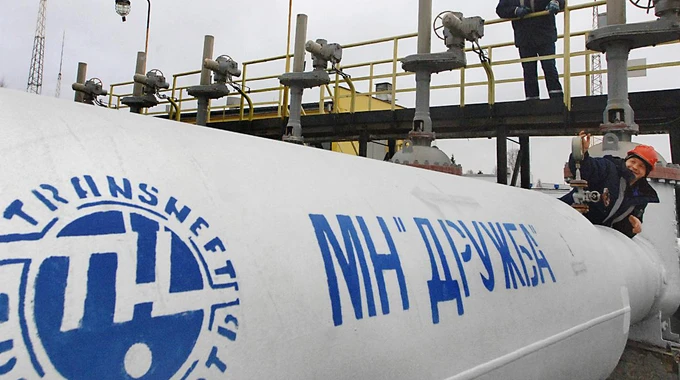
The geopolitical energy standoff between Slovakia and Ukraine represents a critical supply chain vulnerability for cross-border e-commerce sellers operating in or shipping to Eastern Europe. On February 21, 2026, Slovakia's Prime Minister Robert Fico threatened to cut emergency electricity supplies to Ukraine—which provided 18% of record-setting Ukrainian electricity imports in January 2026—unless Kyiv resumed Russian oil shipments through the Druzhba pipeline within 48 hours. The pipeline has been non-operational since January 27 following Russian drone strikes on Ukrainian infrastructure. This dispute directly impacts e-commerce logistics infrastructure, warehouse operations, and last-mile delivery networks across the region.
For sellers with fulfillment operations in Ukraine, Poland, or Slovakia, the immediate operational risks are severe. Electricity shortages create cascading failures: warehouse automation systems fail, refrigeration units for perishable goods malfunction, and 3PL provider operations become unreliable. Sellers shipping electronics, temperature-sensitive products (cosmetics, supplements, food), or time-sensitive inventory face potential 2-4 week delays as backup power systems become overwhelmed. Logistics costs are projected to increase 15-25% as carriers implement surcharges for unreliable infrastructure and reroute shipments through alternative corridors (Poland, Romania, Hungary). The dispute also signals broader EU fragmentation—Slovakia and Hungary remain the only two EU nations significantly dependent on Russian oil, creating unpredictable policy environments for sellers relying on these transit routes.
The strategic sourcing implications are substantial. Sellers currently using Ukraine as a transshipment hub for goods destined for EU markets should immediately evaluate alternative routing through Poland (via Warsaw distribution centers) or Romania (via Bucharest ports). The Odesa-Brody pipeline alternative proposed by Ukraine offers potential relief, but maritime routes add 7-10 days to transit times and increase insurance costs by 8-12%. Sellers with inventory in Ukrainian warehouses face immediate decisions: accelerate shipments to EU distribution centers before potential electricity cuts, or accept higher carrying costs and fulfillment delays. The window for proactive repositioning is narrow—historical patterns suggest energy disputes in this region escalate within 2-3 weeks if not resolved diplomatically.
Competitive dynamics shift toward sellers with diversified logistics networks. Large sellers (Amazon FBA, Shopify Plus merchants) with multi-country fulfillment can absorb disruptions; small/medium sellers (SMBs) relying on single-country warehousing face margin compression of 8-15% as they absorb increased logistics costs or lose sales to faster competitors. Sellers of non-perishable goods (apparel, electronics accessories, home goods) have more flexibility than those selling perishables or temperature-sensitive categories. The dispute also creates arbitrage opportunities for sellers positioned in unaffected EU markets—demand for fast shipping from Poland or Romania will spike, creating premium pricing windows for 2-3 week periods.
問題 8
Should sellers relocate inventory from Ukraine to alternative Eastern European hubs?
Yes, immediate relocation is strategically prudent for temperature-sensitive and high-value inventory. Poland (Warsaw distribution centers) and Romania (Bucharest ports) offer reliable electricity infrastructure and EU customs pre-clearance, reducing transit times by 3-5 days compared to Ukrainian routes. The relocation window is narrow—sellers should execute moves within 7-10 days before potential electricity cuts escalate the crisis. Non-perishable inventory can remain in Ukraine for 2-3 weeks while sellers monitor diplomatic developments. The trade-off: relocation costs $500-1,500 per container but avoid potential 2-4 week delays and inventory damage. For sellers with $50K+ monthly inventory value, relocation ROI is positive within 30 days.
What are the cost implications of the Slovakia-Ukraine energy dispute for cross-border sellers?
Logistics costs are projected to increase 15-25% across Eastern European shipping corridors as carriers implement surcharges for unreliable infrastructure and reroute shipments through alternative paths. Warehouse storage costs in Poland and Romania will spike 20-30% as sellers rush to relocate inventory from Ukraine. Insurance costs for maritime routes via Odesa increase 8-12% due to elevated geopolitical risk. For a typical SMB seller shipping 500 units monthly from Ukraine to EU markets, the dispute translates to $2,000-4,000 monthly cost increases. Large sellers with diversified fulfillment networks can absorb these costs; SMBs face 8-15% margin compression unless they raise prices or reduce inventory velocity.