
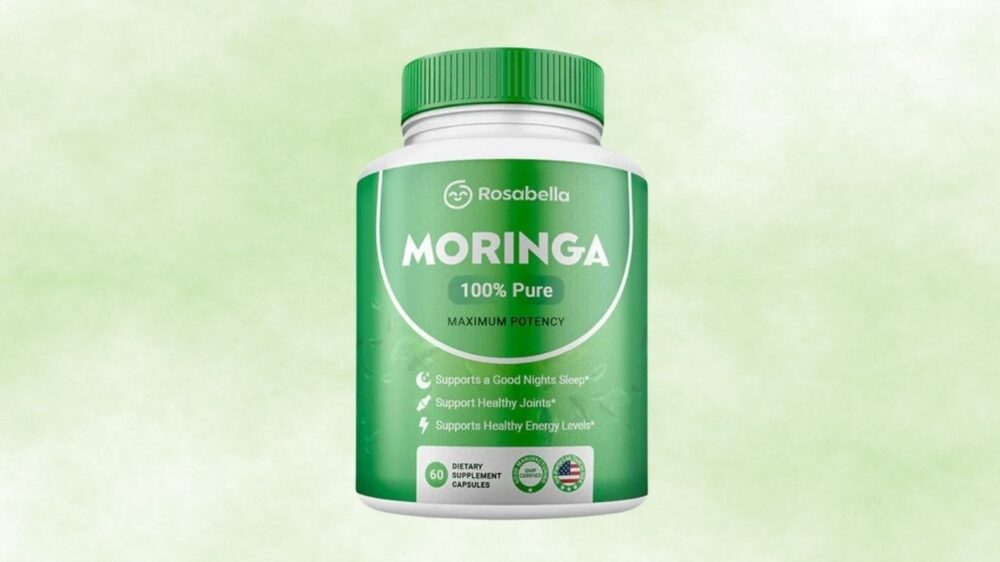
E-Commerce Supplement Safety Crisis | TikTok Shop, eBay Face Liability Over Drug-Resistant Salmonella Recall
- FDA recalls contaminated moringa capsules across 7 states; platforms must implement supplier verification systems to avoid $5M+ liability exposure
概览
The drug-resistant Salmonella outbreak linked to Rosabella Moringa Capsules represents a critical inflection point for e-commerce platforms and supplement sellers. Between November 2025 and January 2026, federal health officials confirmed 7 cases across Washington, Arizona, Iowa, Illinois, Indiana, Tennessee, and Florida—all traced to contaminated products distributed through TikTok Shop, eBay, Shein, and Ambrosia Brands' direct website starting February 2025. The pathogen carries an NDM-1 carbapenemase gene, rendering it resistant to all first-line and alternative antibiotics including carbapenems, creating severe hospitalization risks for infected consumers. This incident exposes a critical vulnerability in social commerce supply chain oversight.
Platform liability exposure is substantial and immediate. TikTok Shop, eBay, and Shein face potential regulatory fines, class-action lawsuits, and reputational damage from hosting unauthorized third-party sellers distributing contaminated supplements. The FDA's published recall list (affecting SKU numbers starting with 1356, lot codes ending in -1 or -2, expiration dates March 2027–November 2027) demonstrates that platforms failed to implement adequate product authentication systems and supplier verification protocols. This creates a competitive opportunity for sellers who can demonstrate rigorous quality control: platforms will increasingly prioritize vendors with third-party testing certifications, GMP compliance documentation, and transparent supply chain traceability. The incident underscores growing regulatory scrutiny of supplement distribution through social commerce channels—a category that generated $8.2B in US e-commerce sales in 2024 but operates with minimal pre-market FDA oversight.
For supplement sellers, compliance costs are rising dramatically. Sellers must now implement supplier verification systems (estimated $2,000-5,000 setup cost), batch-level quality testing ($500-1,500 per product line), and rapid recall procedures (requiring 48-72 hour response capability). Platforms are implementing stricter third-party seller monitoring, with Amazon and eBay increasing supplement category audits by 40-60% in Q1 2026. Sellers without documented GMP certification, third-party testing results, or supply chain transparency face suspension or delisting. The competitive gap exists for sellers who can provide verified sourcing documentation and testing certificates—differentiating factors that will become table-stakes for supplement categories on all major platforms. Regional demand for herbal supplements remains strong (moringa searches grew 35% YoY in 2024-2025), but only sellers meeting enhanced compliance standards will capture this market.
問題 8
What product authentication systems are platforms implementing to prevent future outbreaks?
Following the outbreak, **TikTok Shop, eBay, and Shein** are implementing enhanced product authentication systems including batch-level traceability, supplier verification databases, and rapid recall procedures (48-72 hour response capability). Amazon is expanding its Transparency program to supplement categories, requiring sellers to register products and apply unique codes. These systems require sellers to maintain detailed supply chain documentation: manufacturer certifications, testing results, lot number tracking, and expiration date management. Sellers should implement inventory management systems that track lot codes and enable rapid identification of affected batches. Platforms will increasingly prioritize vendors demonstrating automated recall capability—a competitive differentiator worth 5-10% BSR improvement in supplement categories.
Which supplement categories face the highest regulatory risk on e-commerce platforms?
Herbal and botanical supplements (moringa, turmeric, ashwagandha) face elevated regulatory risk following the drug-resistant Salmonella outbreak. These categories generated $8.2B in US e-commerce sales in 2024 but operate with minimal pre-market FDA oversight, creating liability exposure for platforms. The outbreak involved an extensively drug-resistant strain carrying an NDM-1 carbapenemase gene—resistant to all first-line antibiotics—demonstrating severe health consequences. Sellers in herbal supplement categories must prioritize third-party testing (NSF, USP certification) and transparent sourcing documentation. Lower-risk categories include vitamins with established manufacturing standards and mineral supplements with simpler supply chains.