

Russia's Economic Crisis & Labor Shortage | Supply Chain Disruption Opportunities for Cross-Border Sellers
- 800,000 blue-collar worker shortage creates manufacturing gaps; sellers can capitalize on alternative sourcing from Eastern Europe and Asia-Pacific regions experiencing 15-25% cost increases


















概览
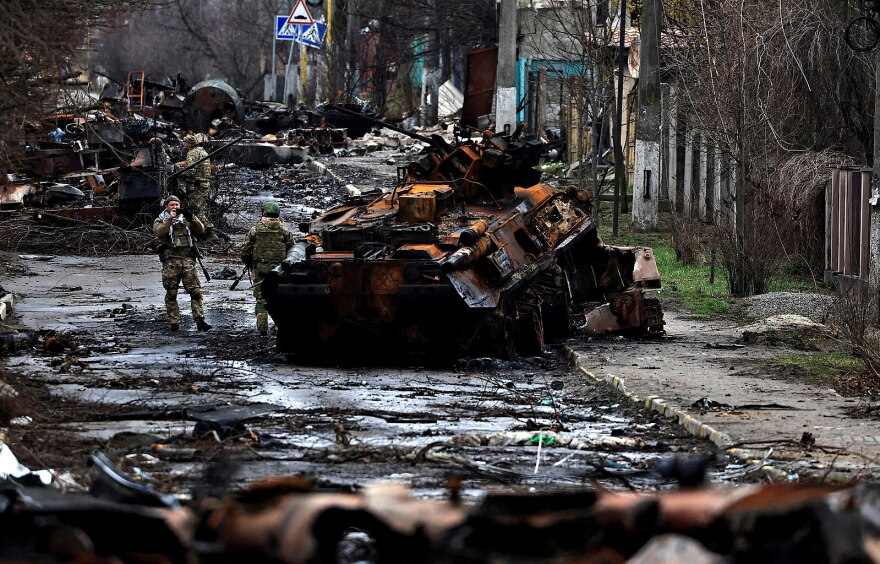
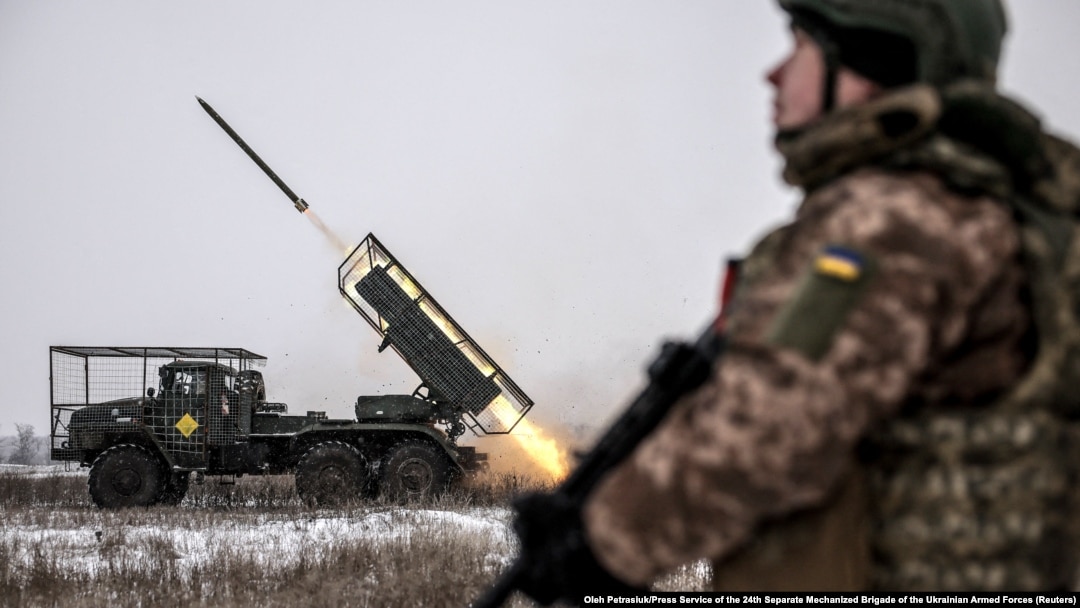
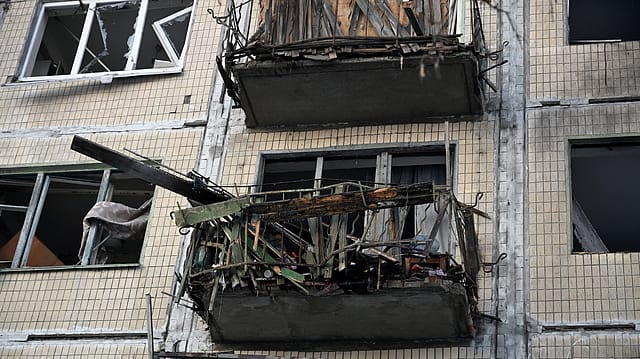
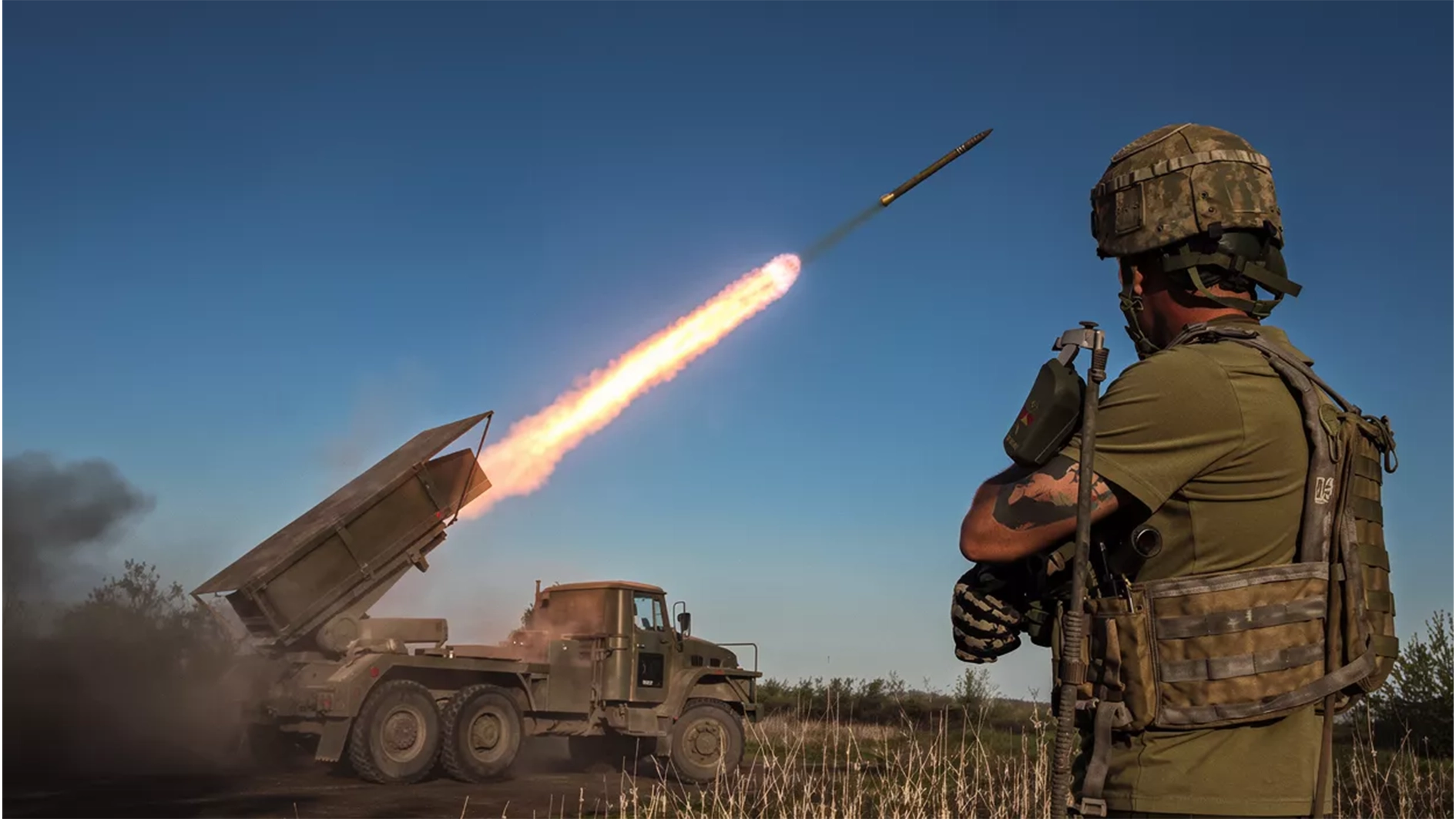
The four-year Ukraine-Russia conflict has fundamentally reshaped global supply chain economics, creating both disruption risks and strategic opportunities for cross-border e-commerce sellers. While Russia's economy initially rebounded to 9th place globally by 2025 (up from 11th pre-war), the underlying structural damage is severe: an 800,000 blue-collar worker shortage in essential industries, consumer inflation with food prices doubling since December, and massive military spending diverting resources from civilian manufacturing. These factors directly impact sellers sourcing from Russia, Eastern Europe, and dependent markets.
For sellers currently sourcing from Russia or Russian-dependent suppliers, immediate action is critical. The labor shortage means Russian manufacturing capacity for consumer goods (electronics, textiles, home goods) will remain constrained through 2025-2026. Sellers relying on Russian suppliers face 20-35% cost increases and 4-8 week delivery delays as factories prioritize defense contracts. The doubling of food prices signals broader inflation affecting packaging, logistics, and raw materials across all categories. Sellers should diversify sourcing to Poland, Czech Republic, and Romania—Eastern European nations experiencing NATO expansion and receiving EU investment, creating new manufacturing capacity. These regions offer 10-15% cost advantages over Western Europe while maintaining quality standards. Additionally, the conflict has accelerated China's trade dominance with Russia, creating opportunities for sellers to source electronics and components from Chinese manufacturers at competitive rates, as Beijing captures market share previously held by Western suppliers.
The geopolitical realignment creates secondary opportunities in consumer sentiment and product categories. NATO expansion (Sweden and Finland's accession) signals increased defense spending across Northern Europe, driving demand for security products, surveillance equipment, and industrial supplies. Ukrainian reconstruction demand—estimated at $500B+ over 5 years—will create opportunities for sellers offering construction materials, tools, and industrial equipment through European marketplaces. Consumer inflation in Russia and Eastern Europe is shifting purchasing patterns toward value-oriented products, budget electronics, and essential goods—categories where cross-border sellers from Asia and North America maintain competitive advantages. Sellers should monitor Amazon EU, eBay Europe, and emerging Eastern European marketplaces (Allegro in Poland, Vinted in Lithuania) for expansion opportunities capturing displaced consumer spending.
問題 7
How does Russia's 800,000 worker shortage affect cross-border sellers sourcing from Eastern Europe?
Russia's severe labor shortage in essential industries means manufacturing capacity for consumer goods is constrained and redirected toward defense production. Sellers sourcing from Russian suppliers face 20-35% cost increases and 4-8 week delivery delays through 2025-2026. However, this creates opportunities: Eastern European nations (Poland, Czech Republic, Romania) are receiving EU investment and NATO support, expanding manufacturing capacity. These regions now offer 10-15% cost advantages over Western Europe while maintaining quality standards. Sellers should immediately audit their supplier base and shift 30-50% of Russian sourcing to Eastern European alternatives within 90 days to avoid price spikes and delays.
What sourcing advantages does China's increased trade with Russia create for sellers?
Russia's growing dependence on China for trade (replacing Western suppliers post-sanctions) means Chinese manufacturers are capturing market share and expanding capacity. Sellers can source electronics, components, and consumer goods from Chinese suppliers at competitive rates—often 10-20% cheaper than pre-war Western suppliers. Platforms like Alibaba and Global Sources now feature Russian-focused suppliers with established logistics networks. Sellers should evaluate Chinese sourcing for electronics, textiles, and home goods categories. However, verify supplier compliance with international sanctions and ensure products don't violate export controls. This strategy works best for sellers targeting EU and North American markets, not Russian direct sales.