
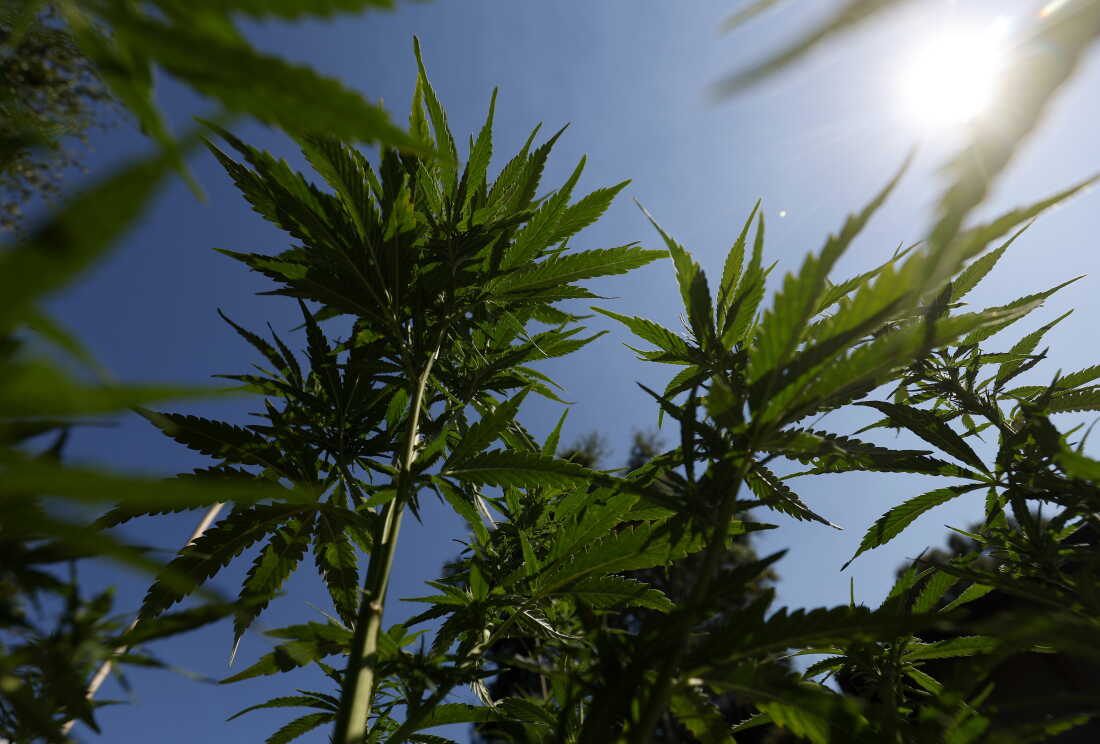
Teen Cannabis Use Doubles Psychosis Risk | Mental Health Product Market Surge
- Major 460K-teen study reveals 2x schizophrenia risk, creating $5B+ opportunity in mental wellness products, testing kits, and educational content for concerned parents and health-conscious sellers
概览
A landmark longitudinal study of 460,000 teenagers published in JAMA Health Forum reveals that adolescent cannabis use doubles the risk of developing psychotic disorders like schizophrenia and bipolar disorder, with depression risk increasing by one-third and anxiety by one-quarter. This research, conducted by the Public Health Institute analyzing Kaiser Permanente health data in Northern California through age 25, establishes stronger causal evidence than previous studies by excluding pre-existing mental illness and establishing temporal sequence—cannabis use preceded diagnoses.
Market Implications for E-Commerce Sellers: This finding creates substantial product opportunities across multiple categories. The mental health crisis represents a $350 billion annual healthcare cost for schizophrenia alone, signaling explosive growth in wellness products, diagnostic tools, and educational content. Sellers can capitalize on several emerging opportunities: (1) Mental wellness products including stress-relief supplements, meditation apps, and anxiety management tools targeting parents of teenagers; (2) Drug testing kits and home screening devices for concerned parents, a category projected to grow 25-30% annually as awareness increases; (3) Educational content and guides about adolescent brain development and substance risks; (4) Therapeutic products including weighted blankets, aromatherapy diffusers, and sleep optimization devices for mental health support; (5) Professional-grade assessment tools for healthcare providers and counselors.
Consumer Behavior Insights: The study's findings challenge the "cannabis is safe and natural" perception prevalent among legalization-influenced youth, creating a counter-narrative marketing opportunity. Parents aged 35-55 with teenagers represent a high-intent buyer segment for preventative health products. The research indicates younger adolescents (under 16) face greater vulnerability, suggesting targeted marketing to parents of middle and early high school students. Regional demand will spike in states with recent legalization (California, Colorado, New York) where awareness of risks lags behind availability.
Regulatory and Competitive Context: As cannabis legalization expands, regulatory bodies increasingly mandate warning labels and educational materials, creating demand for compliant packaging, informational inserts, and digital content. Sellers can position products as "evidence-based mental health support" backed by peer-reviewed research, differentiating from unsubstantiated wellness claims. The $350 billion healthcare cost figure provides powerful marketing leverage—positioning preventative products as cost-effective alternatives to psychiatric treatment.
問題 7
How can sellers market mental health products using this research data?
Sellers can leverage the peer-reviewed JAMA Health Forum study to build credibility and differentiate products. Key messaging angles: (1) emphasize 'evidence-based' positioning backed by 460,000-teen longitudinal research; (2) target parents aged 35-55 with teenagers through Facebook/Instagram ads highlighting brain development vulnerability; (3) create educational content around the study's findings—blog posts, infographics, YouTube videos explaining psychosis risk and prevention; (4) develop product bundles combining testing kits with educational materials and wellness supplements; (5) highlight regional opportunities in legalization states (California, Colorado, New York) where awareness lags behind availability. Use phrases like 'clinically-supported,' 'neuroscience-backed,' and 'preventative health' to align with the study's scientific credibility. Include warning label compliance information to position products as responsible alternatives.
What product categories benefit most from the teen cannabis-psychosis study findings?
The study's findings create immediate demand in five key categories: (1) home drug testing kits and screening devices, projected to grow 25-30% annually as parents seek early detection tools; (2) mental wellness supplements including magnesium, L-theanine, and adaptogenic herbs targeting anxiety prevention; (3) educational content, guides, and digital courses about adolescent brain development and substance risks; (4) therapeutic devices like weighted blankets, aromatherapy diffusers, and sleep optimization tools for mental health support; (5) professional assessment tools for healthcare providers. The $350 billion annual schizophrenia cost creates powerful marketing leverage—positioning preventative products as cost-effective alternatives to psychiatric treatment. Sellers should prioritize Amazon, Shopify, and health-focused marketplaces where parents actively search for evidence-based solutions.