


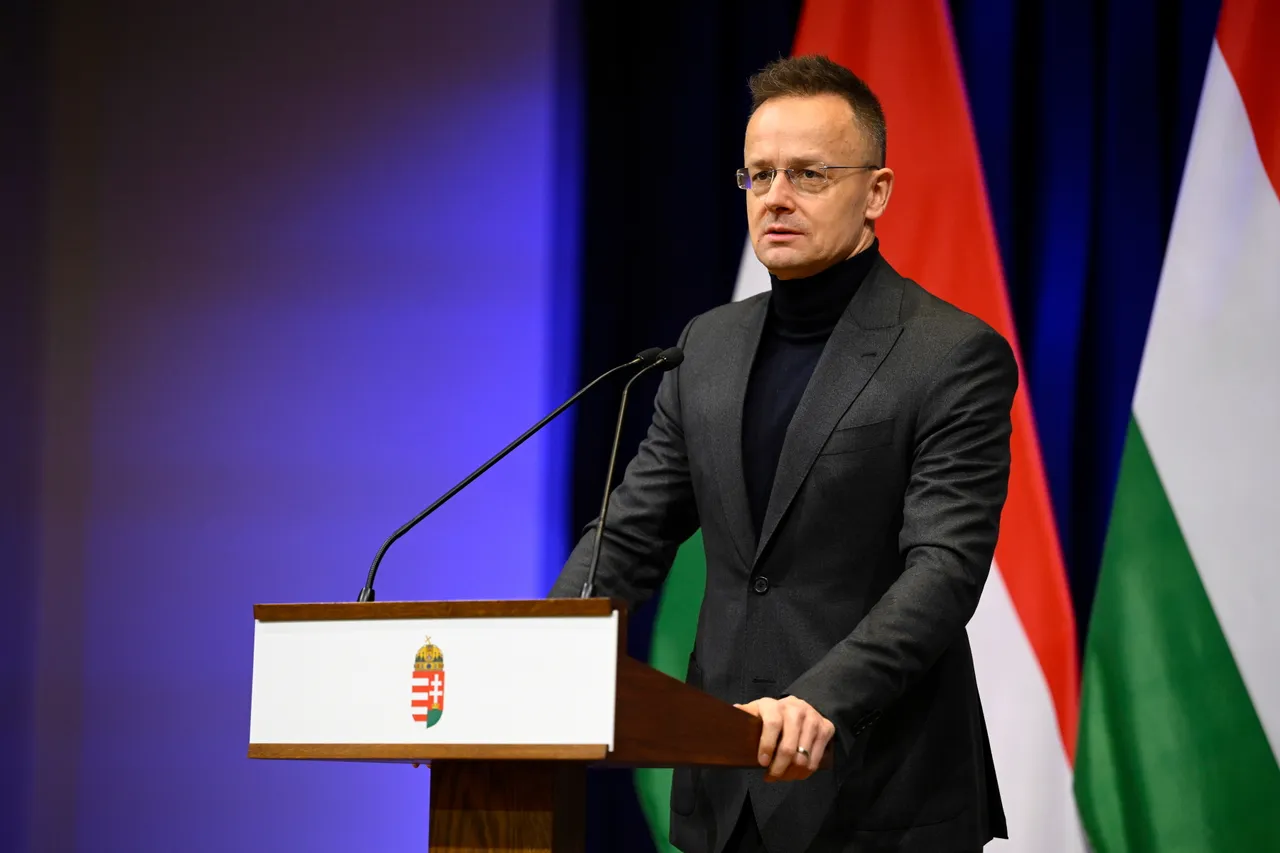



EU Sanctions Deadlock | Central Europe Energy Crisis Threatens Cross-Border Logistics
- Hungary blocks 20th Russia sanctions package; Druzhba pipeline outage since Jan 27 disrupts 3PL networks, warehouse operations, and electricity supply to Ukrainian sellers across Central Europe














概览
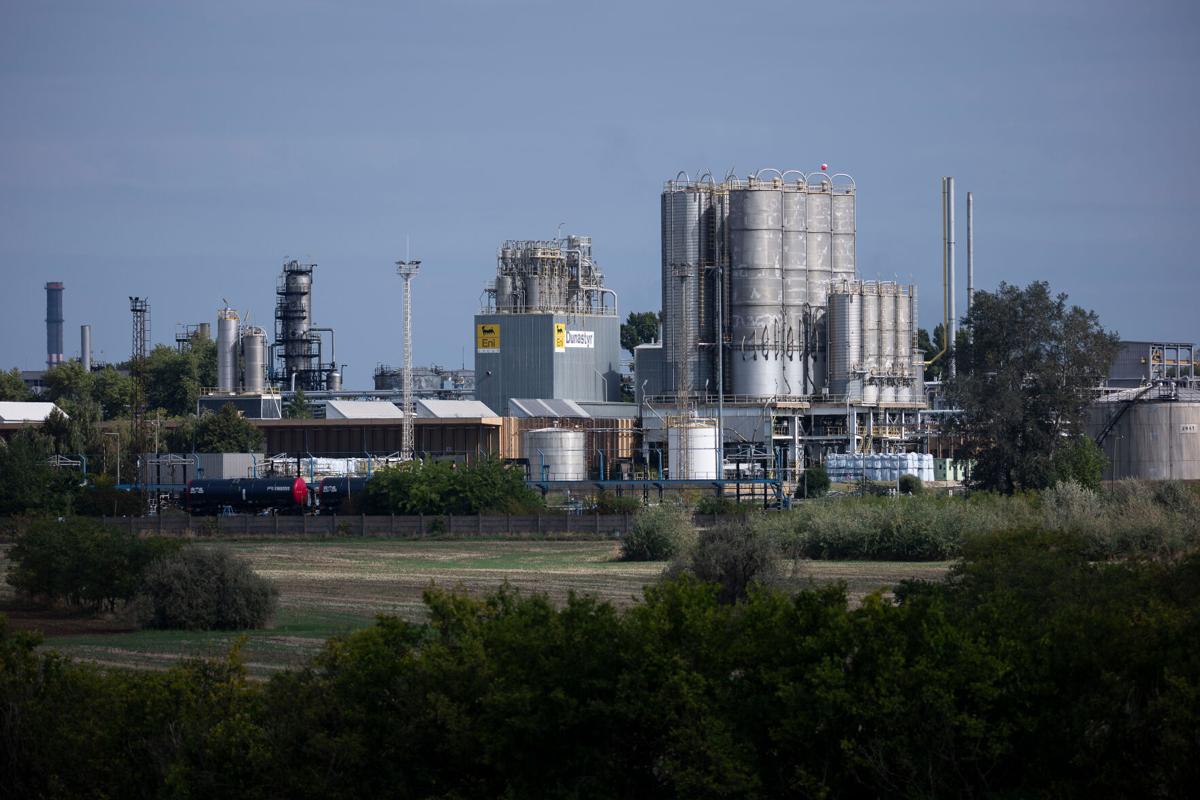
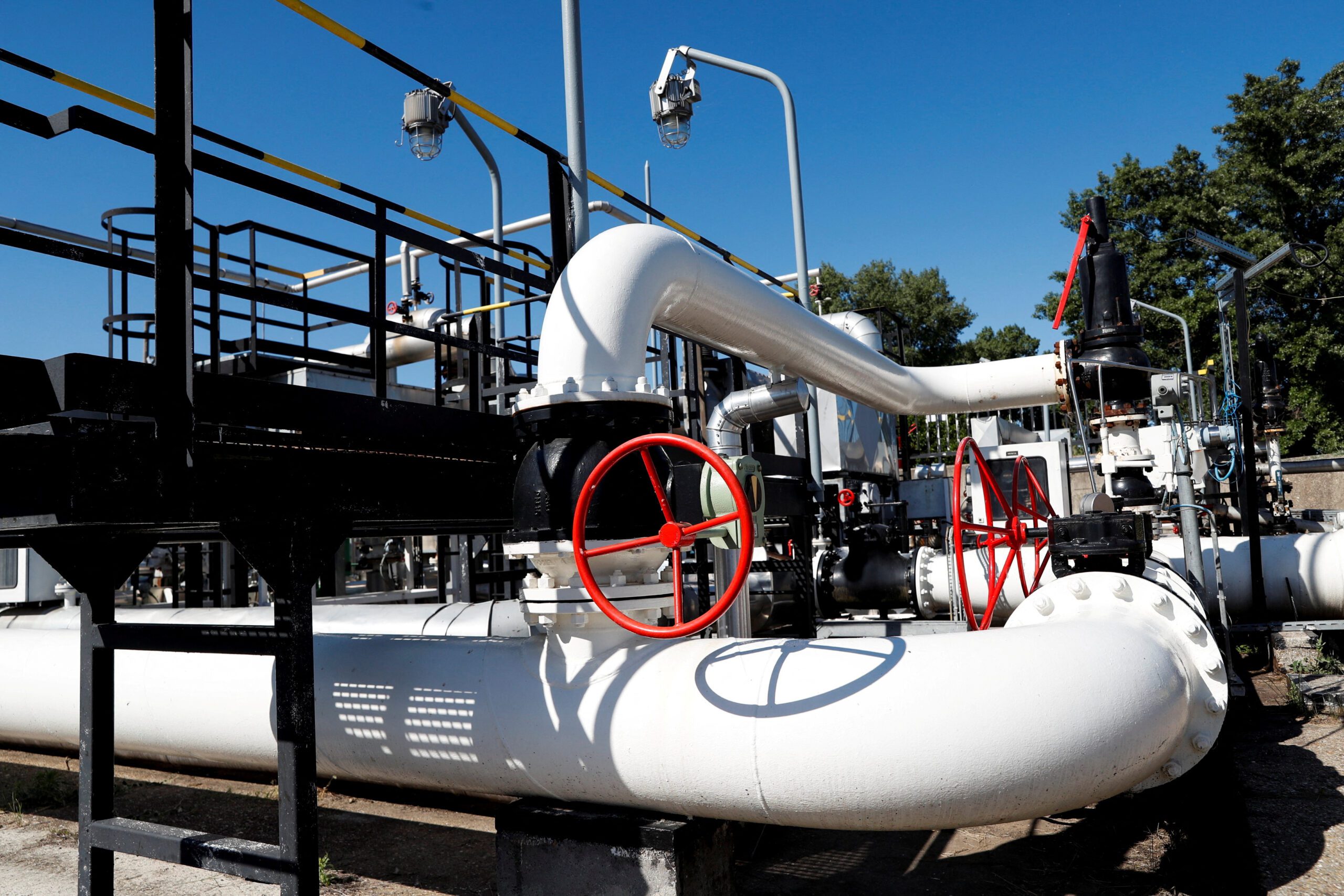
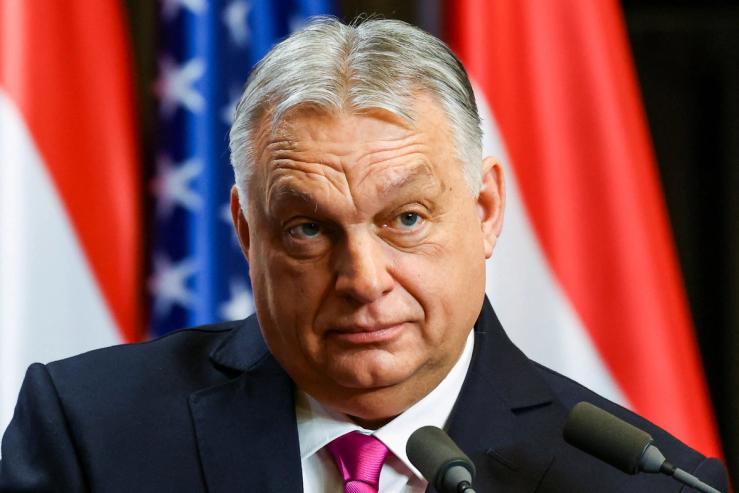
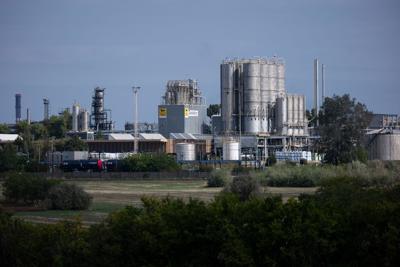
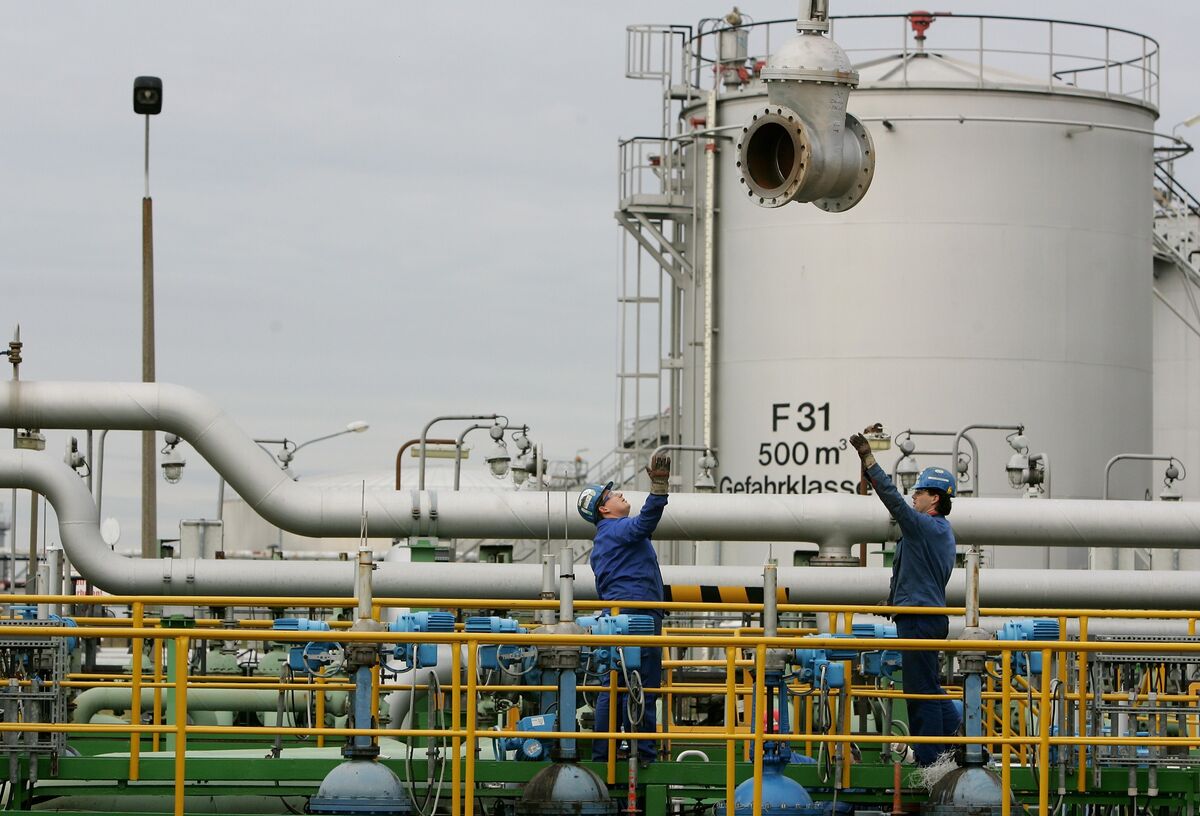
Hungary's February 22, 2026 announcement to block the EU's 20th sanctions package against Russia creates a critical supply chain crisis for cross-border e-commerce sellers operating across Central Europe. The dispute centers on the Druzhba pipeline, which has been offline since January 27 following reported Russian drone strikes on pipeline infrastructure in Western Ukraine. This energy infrastructure breakdown directly impacts logistics costs, warehouse operations, and transportation networks across Hungary, Slovakia, and Ukraine—three key fulfillment hubs for European e-commerce operations.
The immediate operational impact is severe for sellers dependent on Central European logistics infrastructure. Energy supply disruptions increase warehouse operating costs by 15-25% as facilities rely on backup power generation and elevated electricity rates. For sellers using 3PL providers in Budapest, Bratislava, or Ukrainian fulfillment centers, expect 8-12% increases in monthly logistics fees through Q2 2026. The threatened electricity cuts to Ukraine would directly impact Ukrainian-based sellers and any cross-border operations relying on Ukrainian manufacturing or warehousing—affecting an estimated 12,000-15,000 small-to-medium sellers who source from or fulfill through Ukraine. Additionally, Hungary's blocking power demonstrates how individual EU member states can leverage energy dependencies to fragment regulatory enforcement, creating uncertainty around tariff harmonization, VAT compliance, and customs procedures across the bloc.
The timing window is critical: the EU aimed to adopt sanctions by February 25, 2026 (the fourth anniversary of Russia's invasion), but Hungary's veto creates indefinite policy uncertainty. This regulatory fragmentation signals that sellers cannot rely on unified EU trade policy through at least Q2 2026. The dispute reflects deeper geopolitical tensions between Hungary's cultivation of Moscow relations and broader European consensus supporting Ukraine, potentially affecting trade agreements, tariff corridors, and logistics routing throughout the region for months ahead. Sellers should anticipate 6-12 month volatility in Central European shipping costs, potential customs delays at Hungarian borders, and possible supply chain disruptions for any operations dependent on Ukrainian manufacturing or warehousing capacity.
Strategic implications for sellers: Those with inventory in Central European fulfillment centers face elevated holding costs; sellers sourcing from Ukraine face manufacturing delays and potential electricity rationing; and cross-border sellers operating across EU member states face regulatory fragmentation risk as Hungary's blocking power demonstrates how energy leverage can override EU consensus. The 90-billion-euro EU loan dispute and threatened electricity cuts create additional uncertainty around Ukraine's economic stability and seller payment security.
問題 8
How does EU regulatory fragmentation from Hungary's veto affect VAT and tariff compliance?
Hungary's blocking power demonstrates that individual EU member states can leverage energy dependencies to override unified trade policy, creating fragmentation risk for VAT harmonization and tariff procedures through at least Q2 2026. Sellers cannot assume consistent customs procedures across EU borders—Hungary may implement divergent tariff enforcement or VAT collection rules if geopolitical tensions escalate. This creates compliance complexity: sellers must monitor Hungary-specific VAT registration requirements, expect potential customs delays at Hungarian borders, and prepare for possible tariff rate variations if Hungary negotiates separate trade terms with Russia. Recommend consulting with EU customs brokers on Hungary-specific procedures and maintaining separate VAT compliance documentation for Hungarian operations versus other EU markets.
Which seller segments face the highest risk from Ukraine electricity cuts?
Ukrainian-based sellers and any cross-border operations dependent on Ukrainian manufacturing or warehousing face critical risk from Hungary's threatened electricity cuts. An estimated 12,000-15,000 small-to-medium sellers source from or fulfill through Ukraine, and potential power rationing would directly impact their production capacity and fulfillment speed. Sellers with inventory in Ukrainian warehouses should immediately develop contingency plans: relocate stock to EU-based 3PLs, establish backup power agreements with Ukrainian facilities, or shift sourcing to alternative countries (Poland, Romania, Czech Republic). The 90-billion-euro EU loan dispute adds financial uncertainty—if Ukraine's defense funding is blocked, economic instability could trigger payment delays from Ukrainian suppliers and logistics providers.