


Eastern European Market Disruption | Ukraine Conflict Escalates Supply Chain Risks for Cross-Border Sellers
- Prolonged conflict threatens 18-48 month supply chain stability; sellers face logistics rerouting, currency volatility, and market access constraints across EU-Ukraine trade corridors




概览
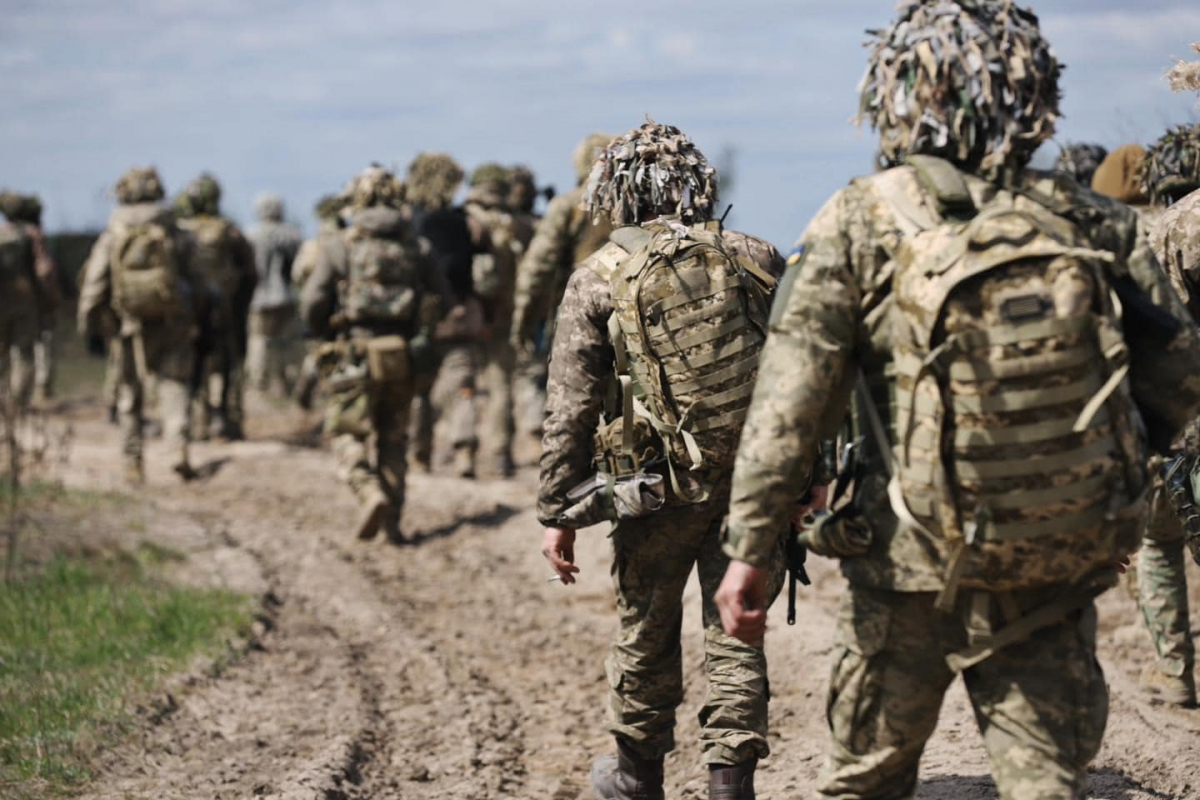
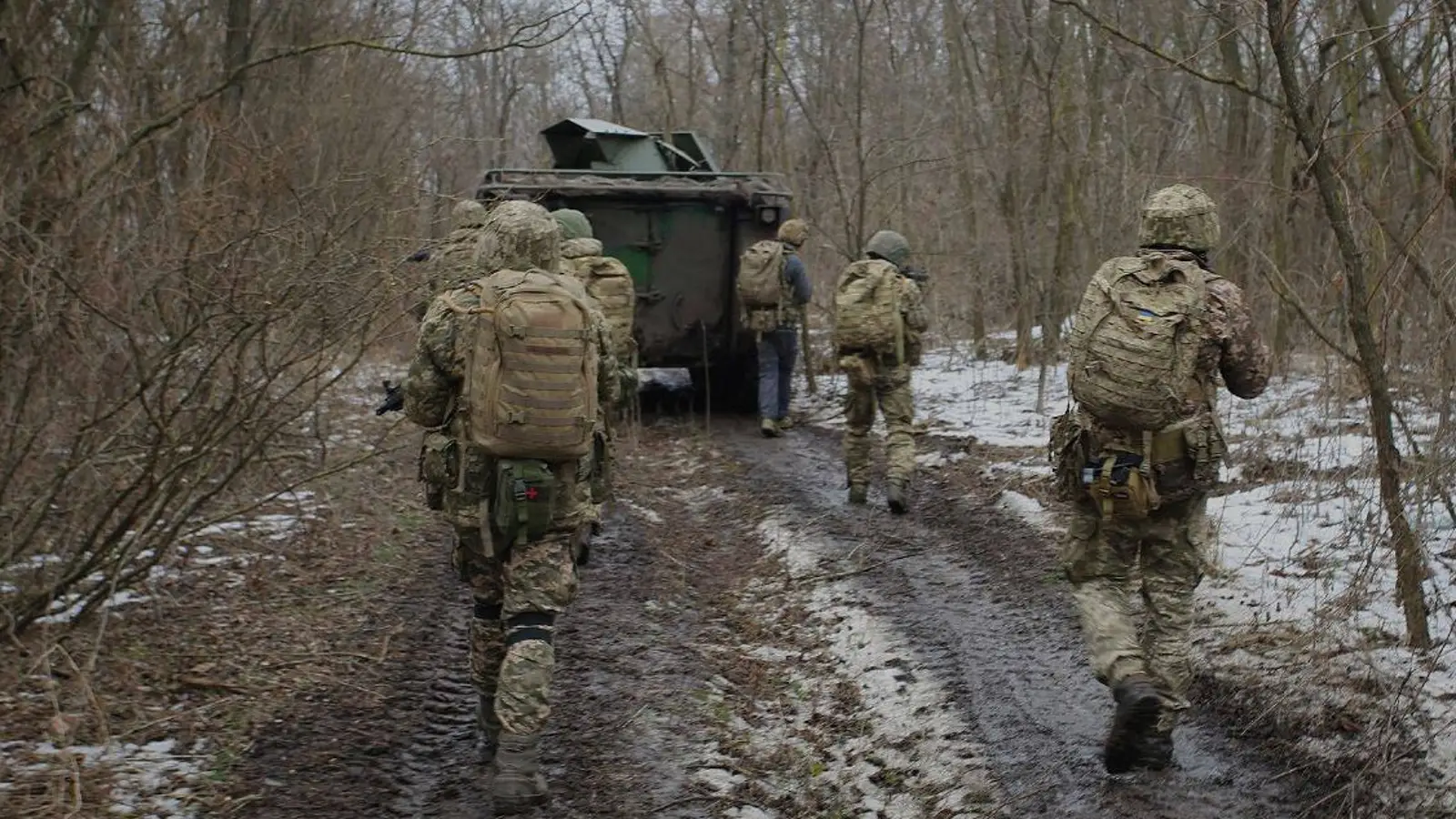
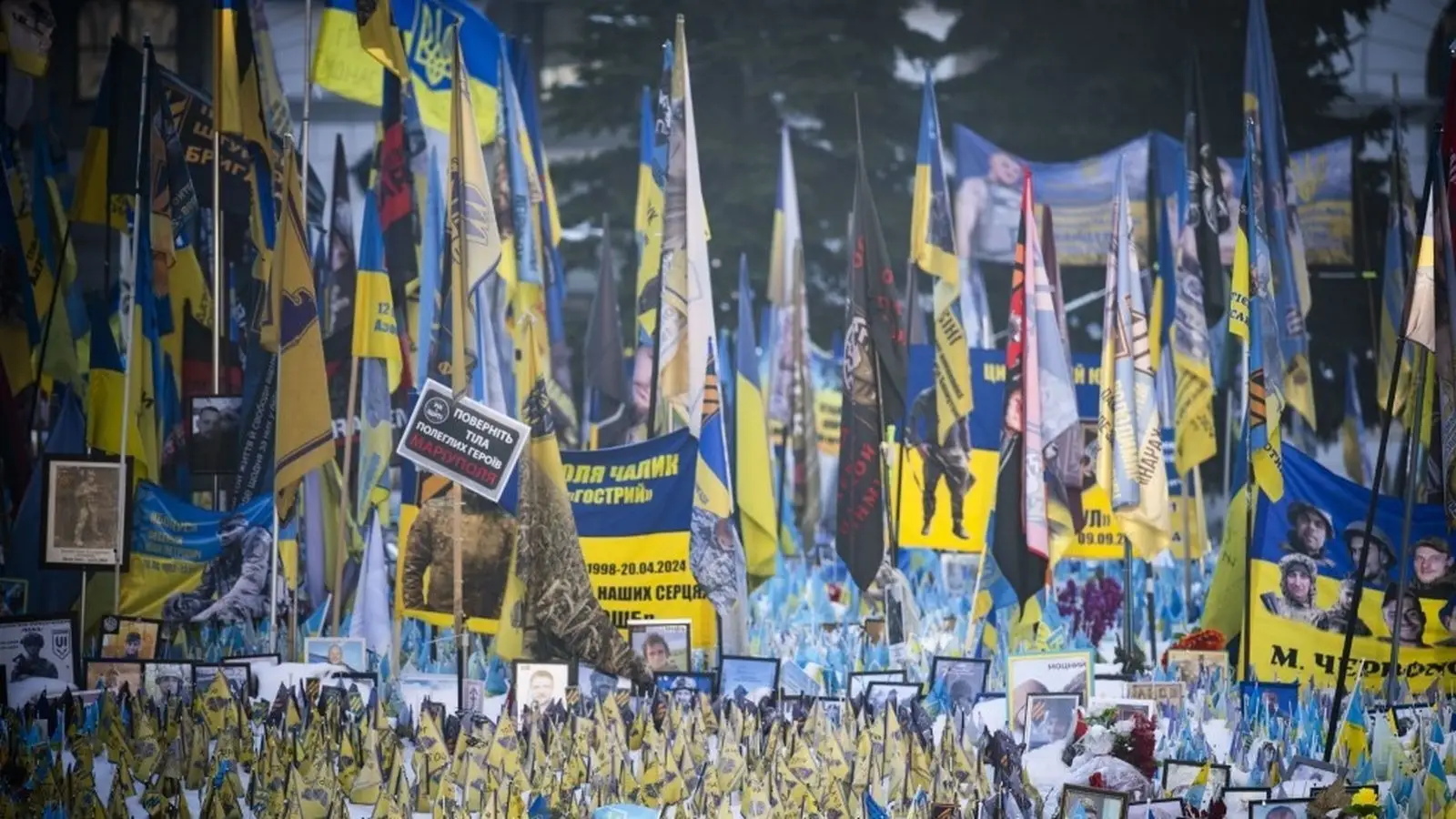
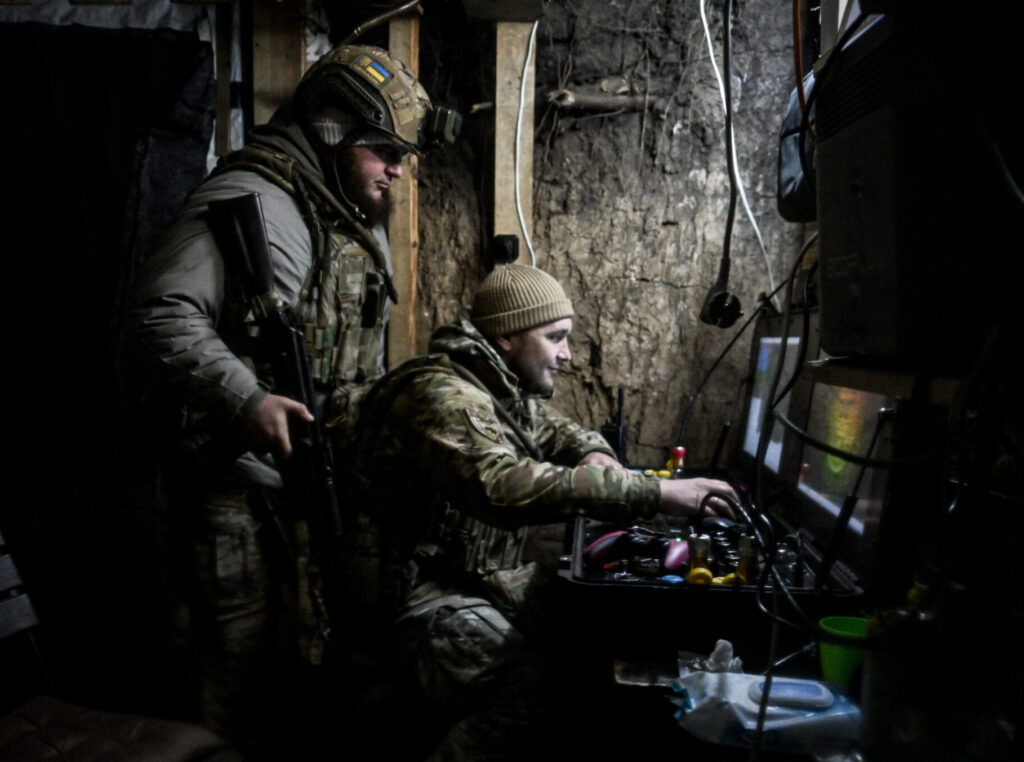
The Ukraine-Russia conflict has entered its fourth year with no resolution in sight, creating cascading supply chain vulnerabilities for cross-border e-commerce sellers operating in or sourcing from Eastern Europe. According to military analysts and NATO sources cited in recent reporting, Western officials estimate Russia can sustain current military operations for another 18 months to four years, requiring 500,000 to nearly two million additional casualties. This extended conflict timeline directly impacts e-commerce logistics networks, particularly for sellers relying on Eastern European manufacturing hubs, distribution centers, or market access.
Supply Chain Disruption Patterns: The conflict's persistence affects multiple seller segments. Sellers sourcing products from Ukraine, Poland, Romania, and neighboring regions face ongoing logistics complications. The European Parliament's approval of a €90 billion loan for Ukraine—with €60 billion earmarked for military procurement—signals sustained Western commitment but also indicates prolonged economic strain on civilian infrastructure. Ukraine's critical manpower shortage (requiring 250,000+ additional troops according to NATO sources) creates labor market constraints that ripple through manufacturing and logistics sectors. Two million Ukrainian citizens are currently wanted for military service evasion, with 200,000 soldiers listed as AWOL, indicating severe workforce depletion affecting commercial operations.
Currency and Payment System Risks: The extended conflict creates currency volatility in Ukrainian hryvnia and broader Eastern European markets. Sellers accepting payments in regional currencies face exchange rate fluctuations of 5-15% monthly during conflict escalations. Payment processors operating in conflict zones experience service interruptions—exemplified by Starlink's February shutdown, which disrupted not just military operations but also civilian internet-dependent commerce. This demonstrates how infrastructure targeting affects e-commerce payment systems and logistics tracking.
Market Access Constraints: Russia's territorial advances (approximately 70 meters daily toward key cities like Pokrovsk and Myrnohrad) and control of fortress belt towns in eastern Ukraine restrict market access for sellers targeting Ukrainian consumers. The conflict's 2:1 casualty ratio favoring Ukraine masks demographic realities: Russia's 146 million population sustains massive losses while Ukraine's 44.5 million population faces accelerating personnel depletion. This asymmetry suggests prolonged conflict favoring Russian territorial gains, potentially restricting seller access to Ukrainian markets for 18-48 months.
Competitive Implications: Sellers with diversified supply chains (non-Eastern European sourcing) gain competitive advantages. Those concentrated in conflict-adjacent regions face 15-30% logistics cost increases due to rerouting through safer corridors. The conflict also creates opportunities in defense-adjacent categories: military-grade equipment, communications technology, and logistics solutions see increased demand from NATO allies compensating for reduced U.S. aid in 2025.
問題 7
What payment and logistics risks should sellers monitor in conflict-affected regions?
Infrastructure targeting directly impacts e-commerce operations. Starlink's February shutdown demonstrated how civilian internet disruptions affect payment processing and shipment tracking in conflict zones. Sellers accepting payments in Ukrainian hryvnia or Eastern European currencies face 5-15% monthly exchange rate swings. Payment processors experience service interruptions during military escalations. Recommended actions: diversify payment methods (use USD/EUR settlement where possible), implement multi-currency hedging strategies, and establish backup logistics partners outside conflict corridors. Monitor infrastructure reports weekly and maintain 4-6 week inventory buffers for critical SKUs.
How does the Ukraine conflict affect cross-border sellers sourcing from Eastern Europe?
The prolonged conflict (estimated 18-48 month duration by Western officials) creates multiple supply chain vulnerabilities. Sellers sourcing from Ukraine, Poland, and Romania face logistics rerouting costs of 15-30% above normal rates, extended lead times of 2-4 weeks, and currency volatility in Ukrainian hryvnia (5-15% monthly fluctuations during escalations). Manufacturing capacity constraints result from Ukraine's critical manpower shortage—two million citizens wanted for military service evasion and 200,000 soldiers listed as AWOL—reducing civilian workforce availability. Sellers should immediately audit supply chain dependencies and identify alternative sourcing regions to mitigate 18-month disruption risks.