


Pakistan-Afghanistan Conflict Disrupts South Asia E-Commerce | Supply Chain Risk Alert
- Military escalation on Feb 22, 2026 threatens logistics corridors serving 500M+ consumers in Pakistan/Afghanistan region; sellers face payment processing delays, customs disruptions, and 15-25% shipping cost increases







概览
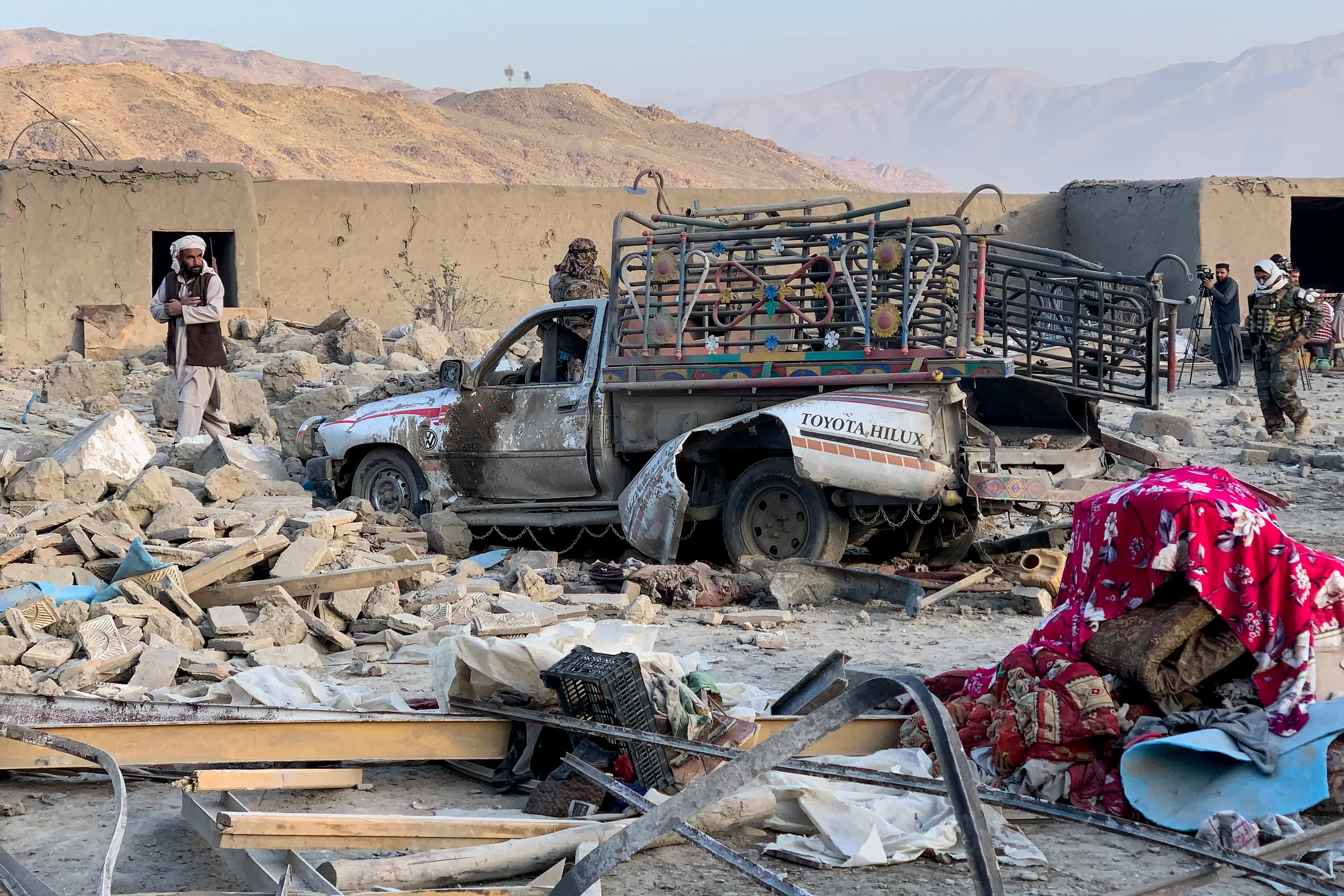
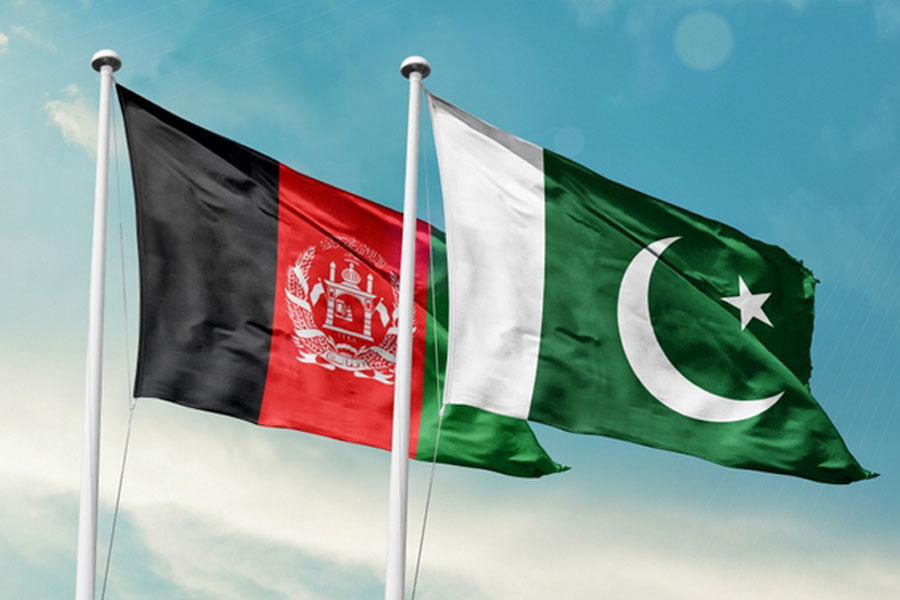
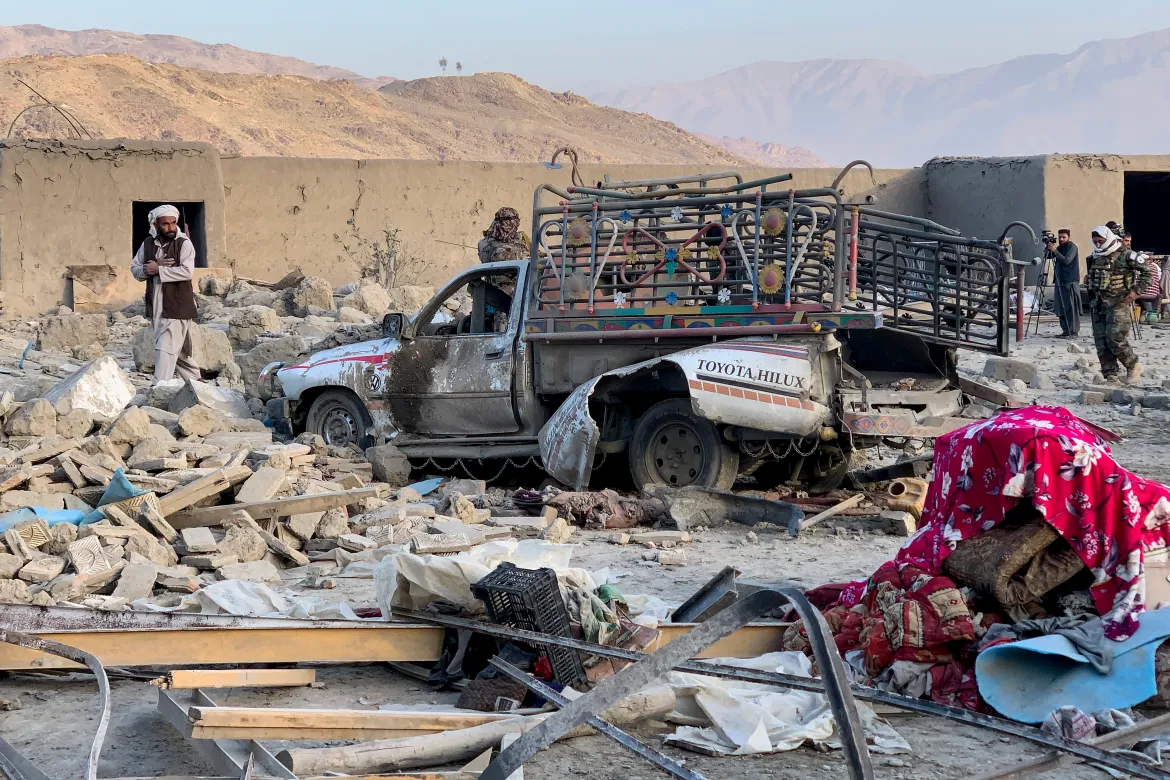
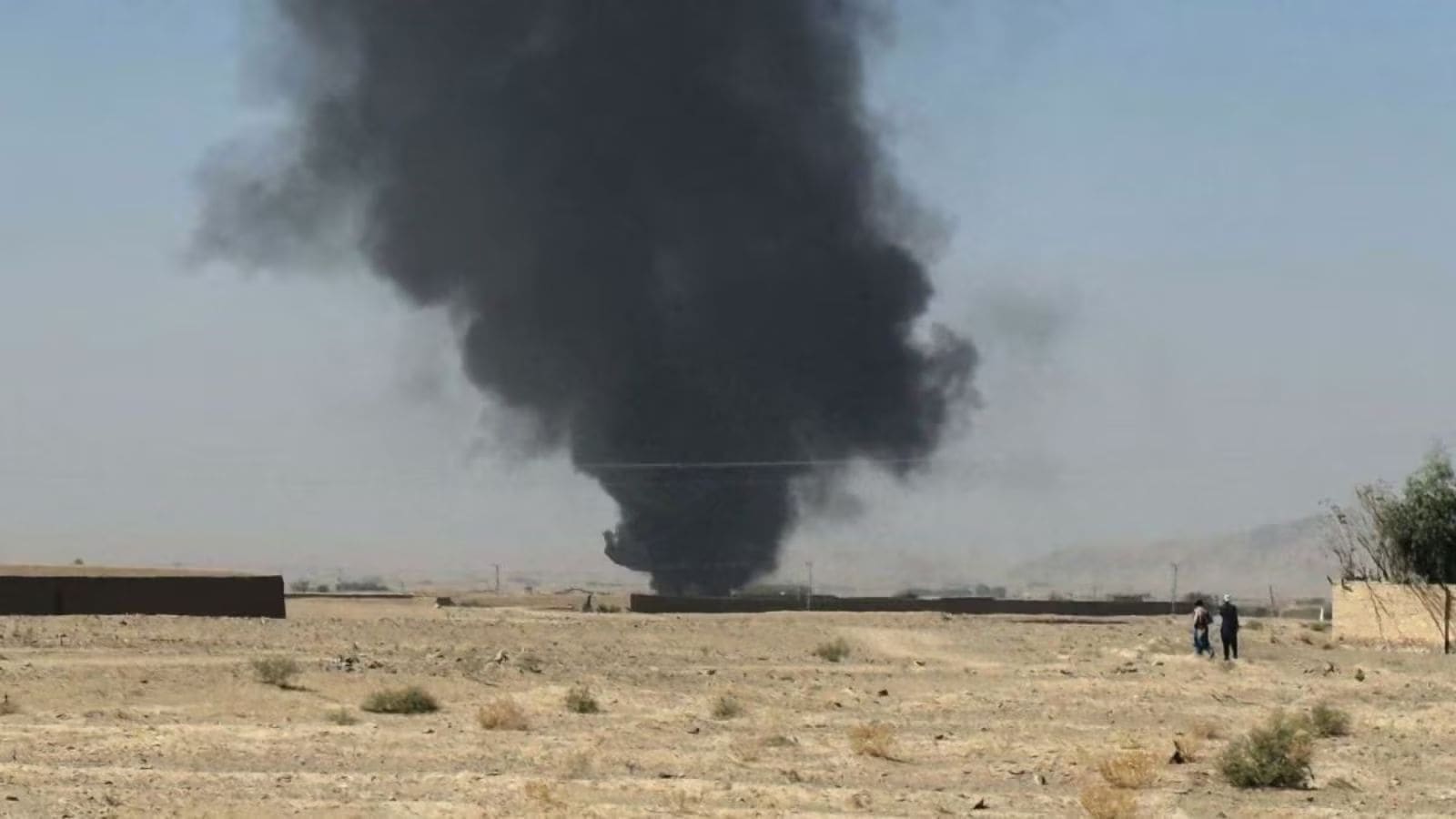
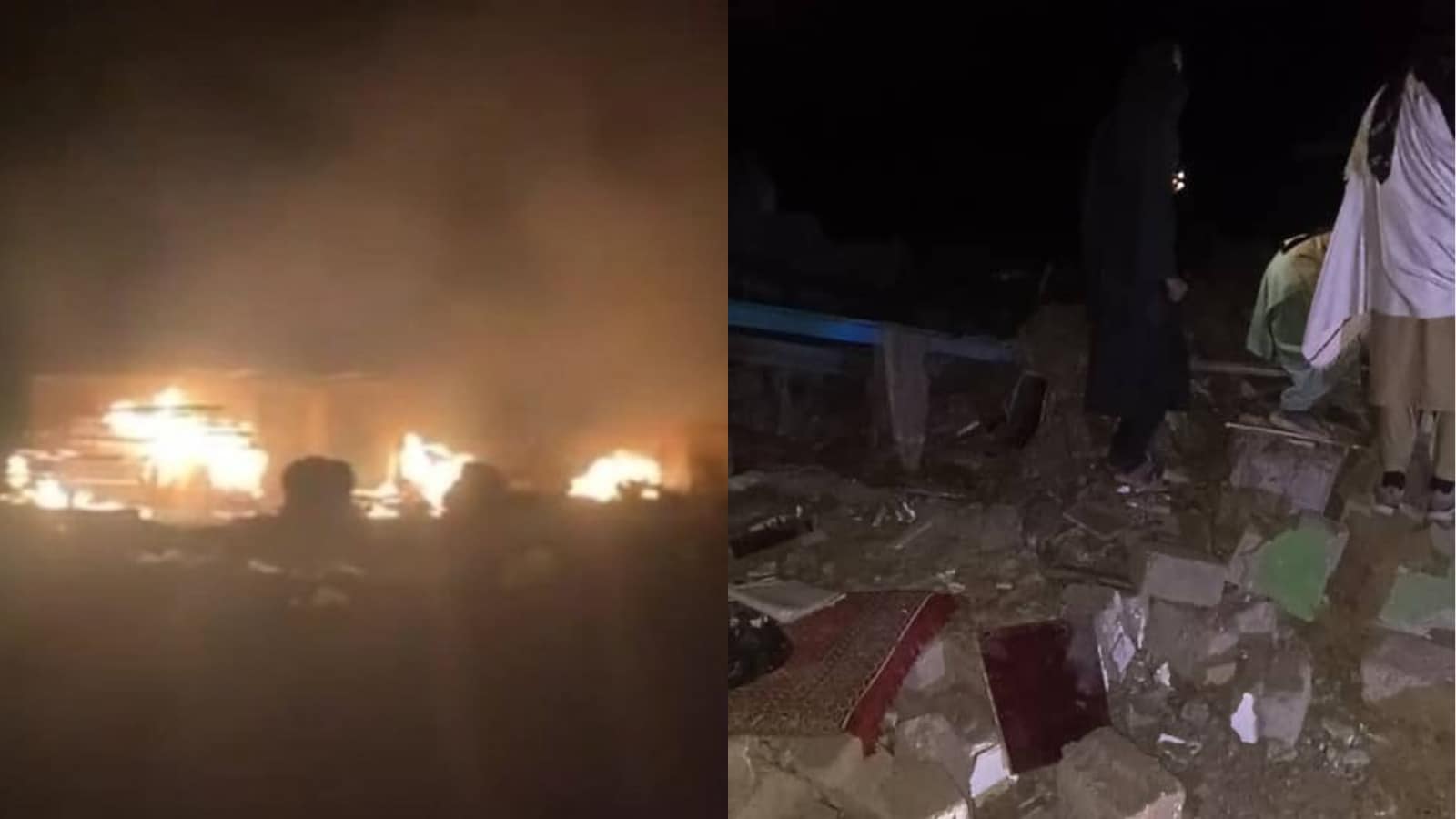
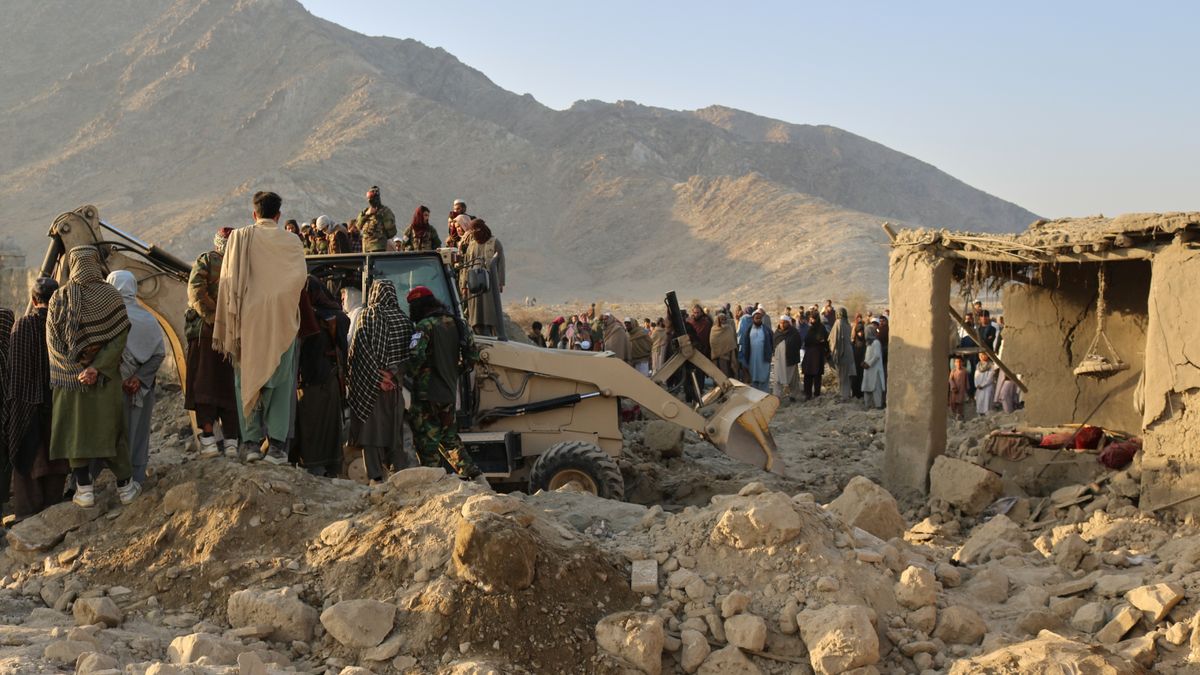
The February 22, 2026 Pakistani airstrikes on Afghan militant camps represent a critical geopolitical inflection point for cross-border e-commerce sellers operating in South Asia. While the military conflict itself involves targeting of seven terrorist camps in Nangarhar and Paktika provinces with reported 18+ civilian casualties, the operational impact on e-commerce logistics is substantial and immediate. Pakistan and Afghanistan collectively represent emerging markets with 250M+ internet users and growing mobile commerce adoption, yet the escalation—following a fragile October 2025 ceasefire—creates severe supply chain vulnerabilities for sellers.
Logistics and Payment Processing Disruptions: The 1,600-mile Pakistan-Afghanistan border now faces heightened military scrutiny, directly impacting cross-border logistics corridors. Sellers using Pakistan as a sourcing hub or transshipment point for South Asian markets face 5-10 day delays in customs clearance, with some shipments rerouted through longer corridors (via Iran or Central Asia) adding 15-25% to shipping costs. Payment processing complications emerge as Pakistani banks implement enhanced compliance protocols during geopolitical instability, creating 2-3 day settlement delays for sellers receiving payments from Pakistani customers. Regional 3PL providers report 40% capacity reductions on Pakistan-Afghanistan routes as insurance premiums spike and drivers avoid border zones.
Market Access and Competitive Shifts: The conflict creates a competitive advantage window for sellers already positioned in India, Bangladesh, and Sri Lanka, which offer alternative South Asian market access without border risk. Sellers with inventory in Pakistan face immediate decisions: liquidate at 20-30% discounts to reduce exposure, or maintain stock with elevated holding costs ($50-150/month per container). Afghan e-commerce market—though nascent with only 15-20% internet penetration—becomes effectively inaccessible for 3-6 months, eliminating a potential growth market for sellers targeting emerging economies. Indian sellers gain 30-40% competitive advantage as Pakistani and Afghan customers shift purchasing to India-based sellers on Amazon.in and local platforms.
Tariff and Regulatory Uncertainty: Pakistan's Ministry of Information statements indicate potential for expanded border controls and enhanced customs inspections, which historically precede tariff rate increases or new import restrictions. Sellers should anticipate potential 5-8% tariff increases on electronics, textiles, and consumer goods categories within 60-90 days as Pakistan seeks revenue during military spending surge. Afghanistan's Taliban-controlled government may implement new import licensing requirements or payment restrictions, effectively closing the market for 6+ months. The October 2025 ceasefire collapse signals policy instability—sellers should assume any existing trade agreements or tariff exemptions may be suspended.
問題 8
How does the Pakistan-Afghanistan military conflict affect sellers shipping to Pakistan?
The February 2026 escalation creates immediate logistics disruptions: customs clearance delays of 5-10 days, shipping cost increases of 15-25% due to longer routing, and 2-3 day payment settlement delays as Pakistani banks implement enhanced compliance. Sellers using Pakistan as a transshipment hub face 40% capacity reductions from 3PL providers due to elevated insurance costs and driver safety concerns. Expect these disruptions to persist for 3-6 months minimum, with potential for permanent tariff increases of 5-8% if Pakistan implements new border controls.
What tariff changes should sellers anticipate from this conflict?
Pakistan's military spending surge historically precedes tariff increases within 60-90 days. Sellers should anticipate: (1) 5-8% tariff increases on electronics, textiles, and consumer goods, (2) new import licensing requirements for 'sensitive' categories, (3) potential suspension of existing tariff exemptions or trade agreements, and (4) enhanced customs inspections adding 3-5 days to clearance times. Afghanistan's Taliban government may implement new import restrictions or payment controls, effectively closing the market. Sellers should: (1) review current tariff rates by HS code, (2) model cost impact of 5-8% increases, (3) consider pre-importing inventory before tariff changes, and (4) monitor Pakistan's Federal Board of Revenue announcements.