


)


India-Brazil Trade Expansion $20B Target | Cross-Border Seller Opportunities in Digital & Renewable Energy
- $20B bilateral trade target over 5 years signals 40-60% growth in India-Brazil commerce; sellers can capitalize on rare earth minerals, digital products, and renewable energy equipment categories
)









概览
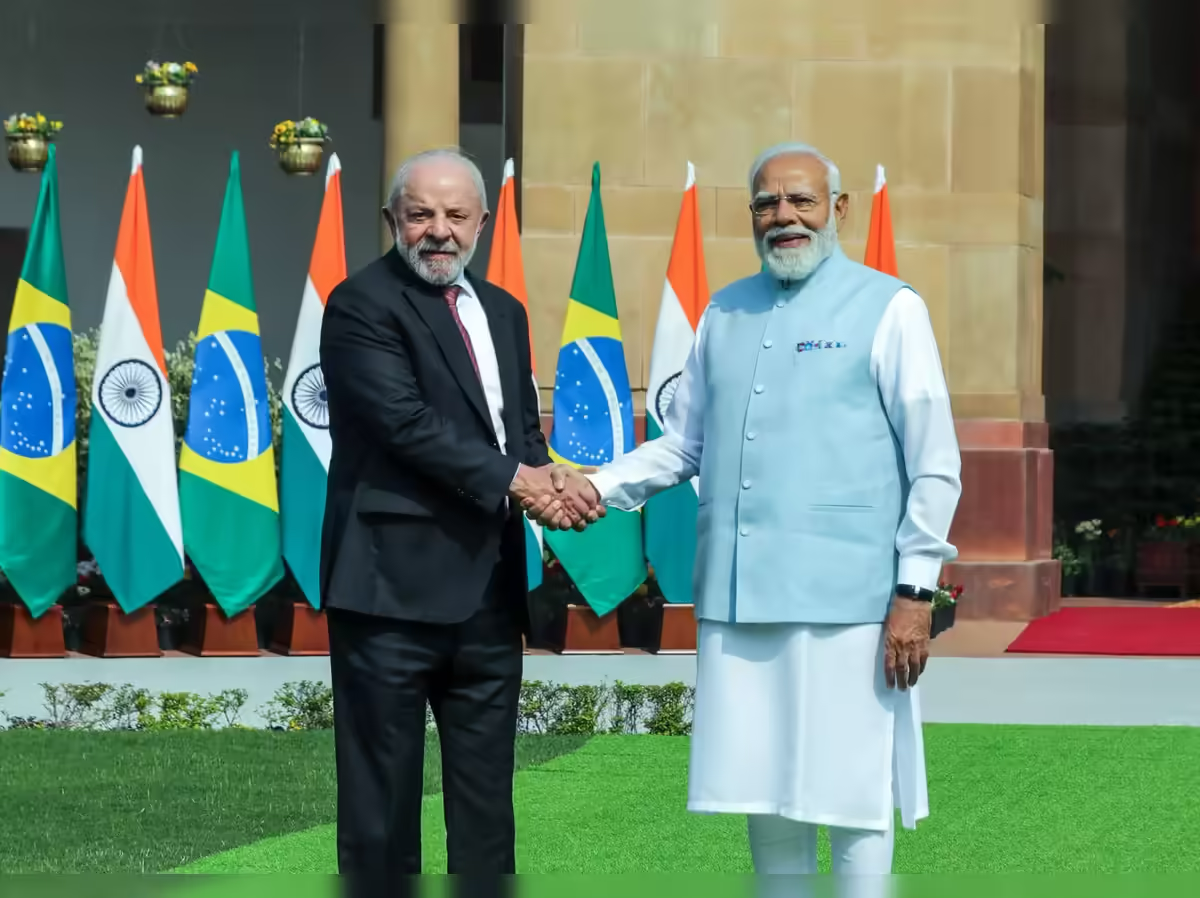
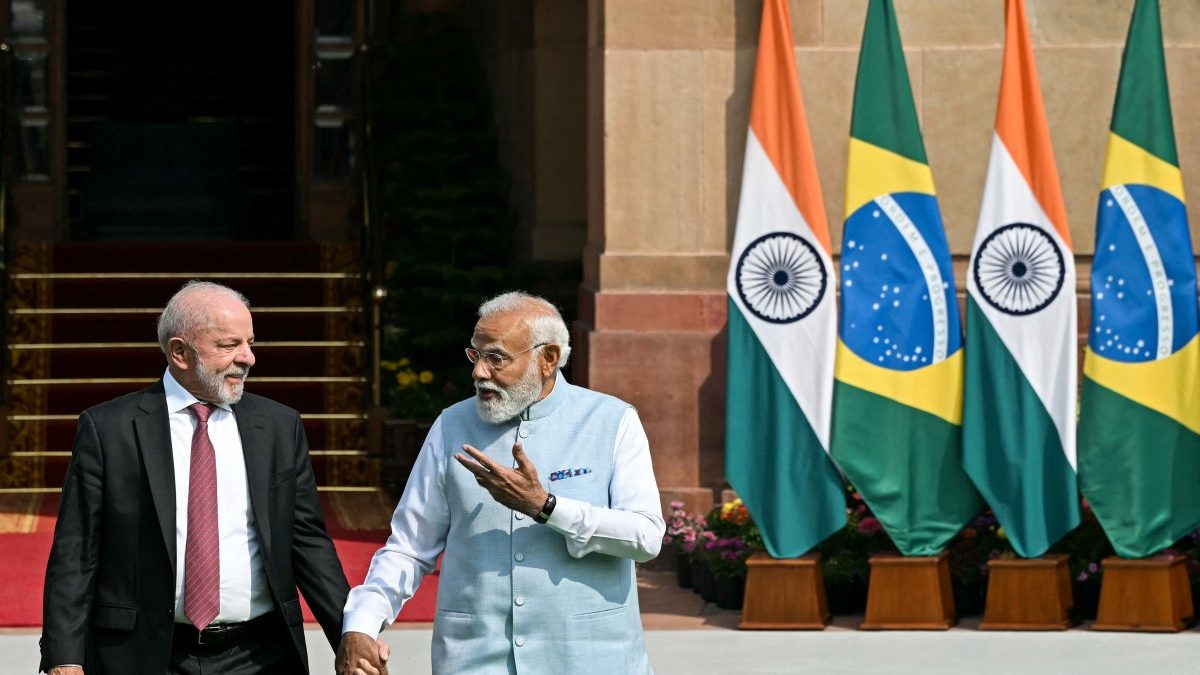
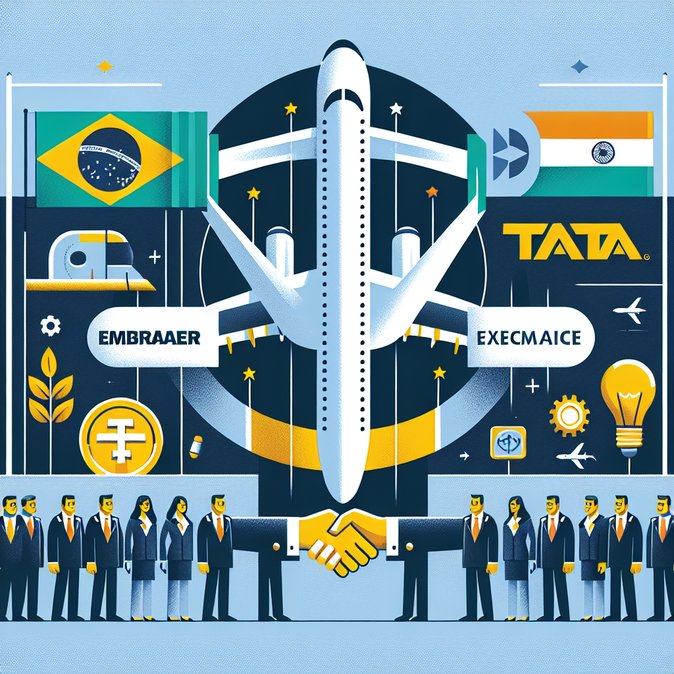
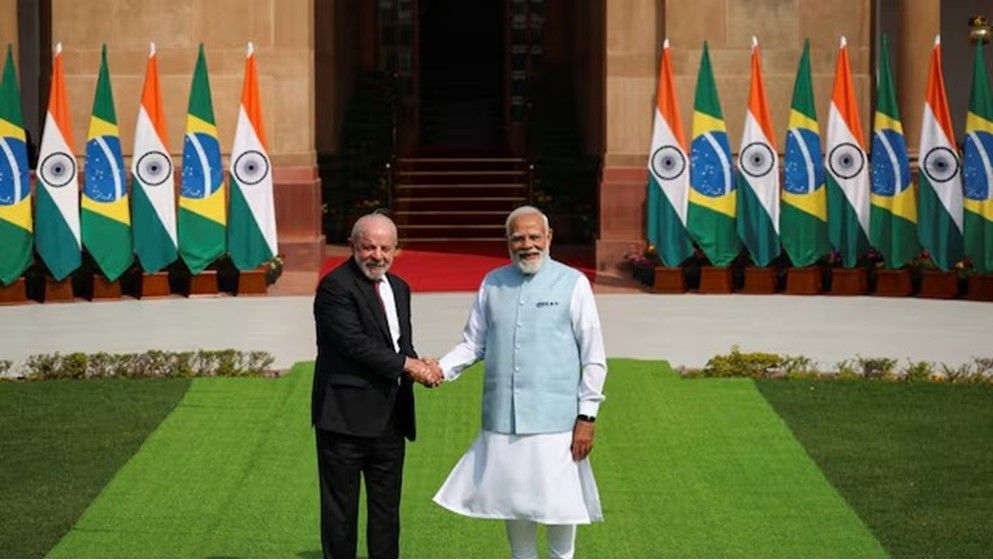
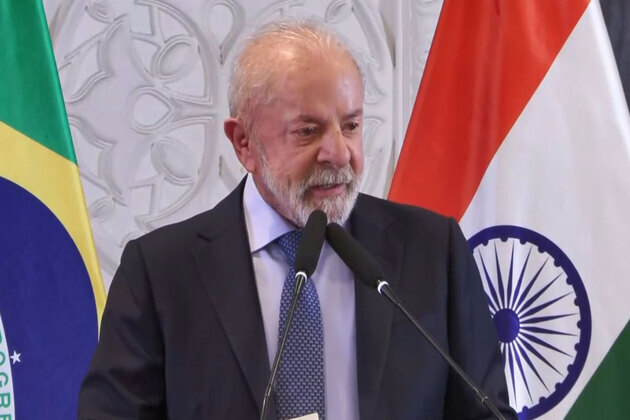
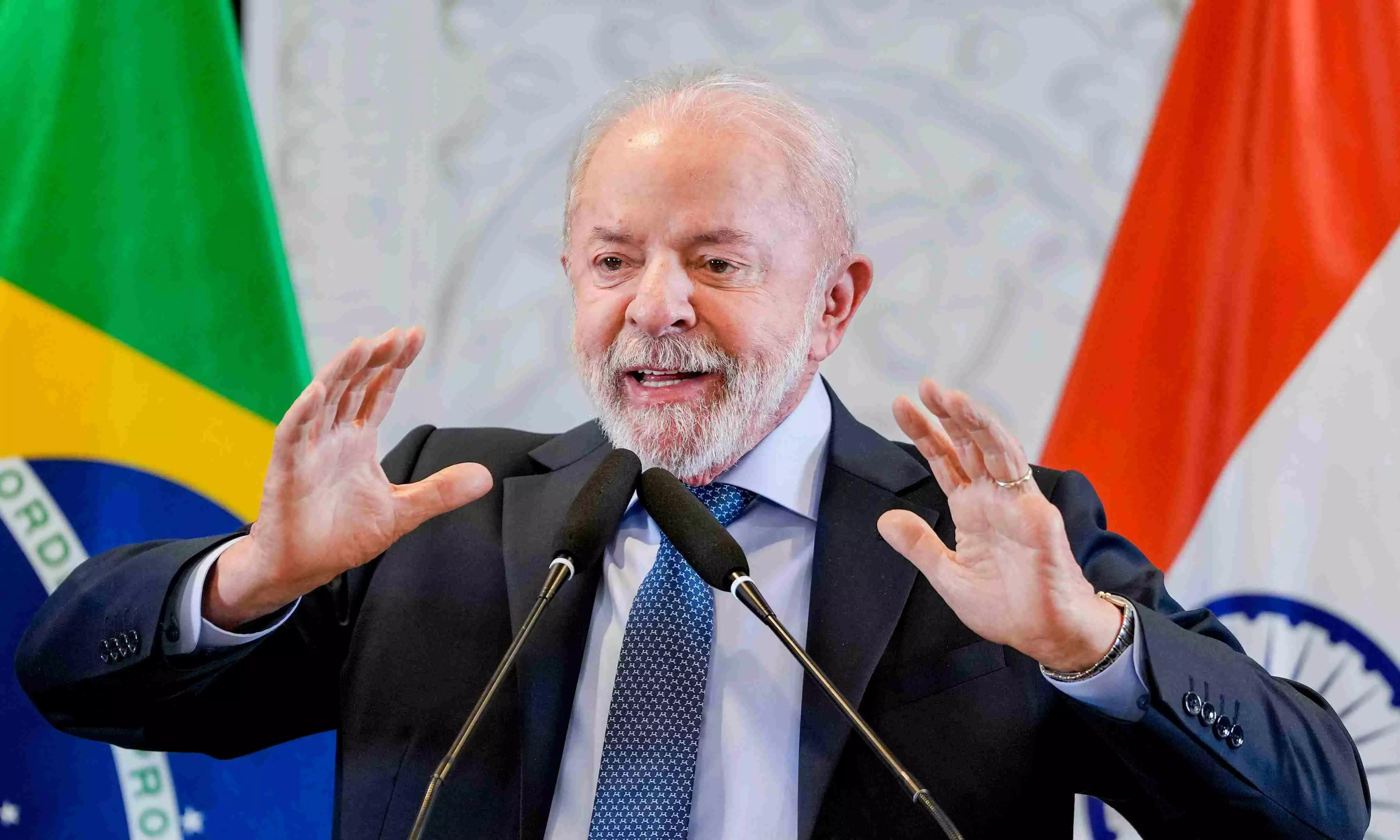
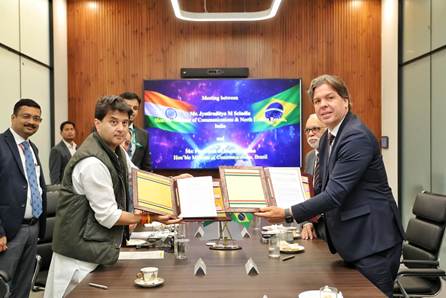
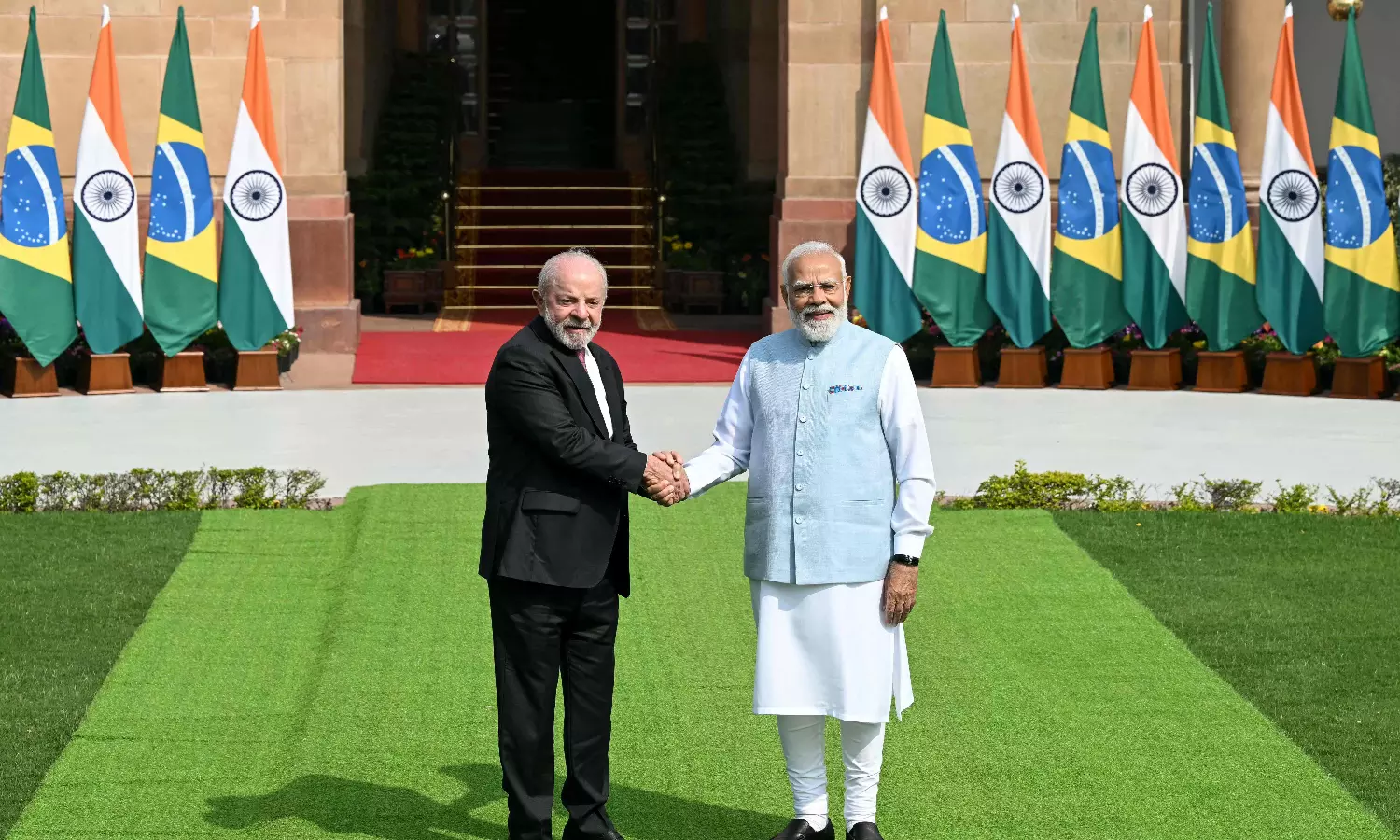
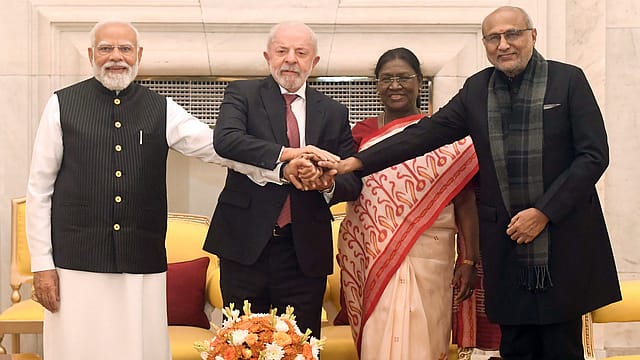
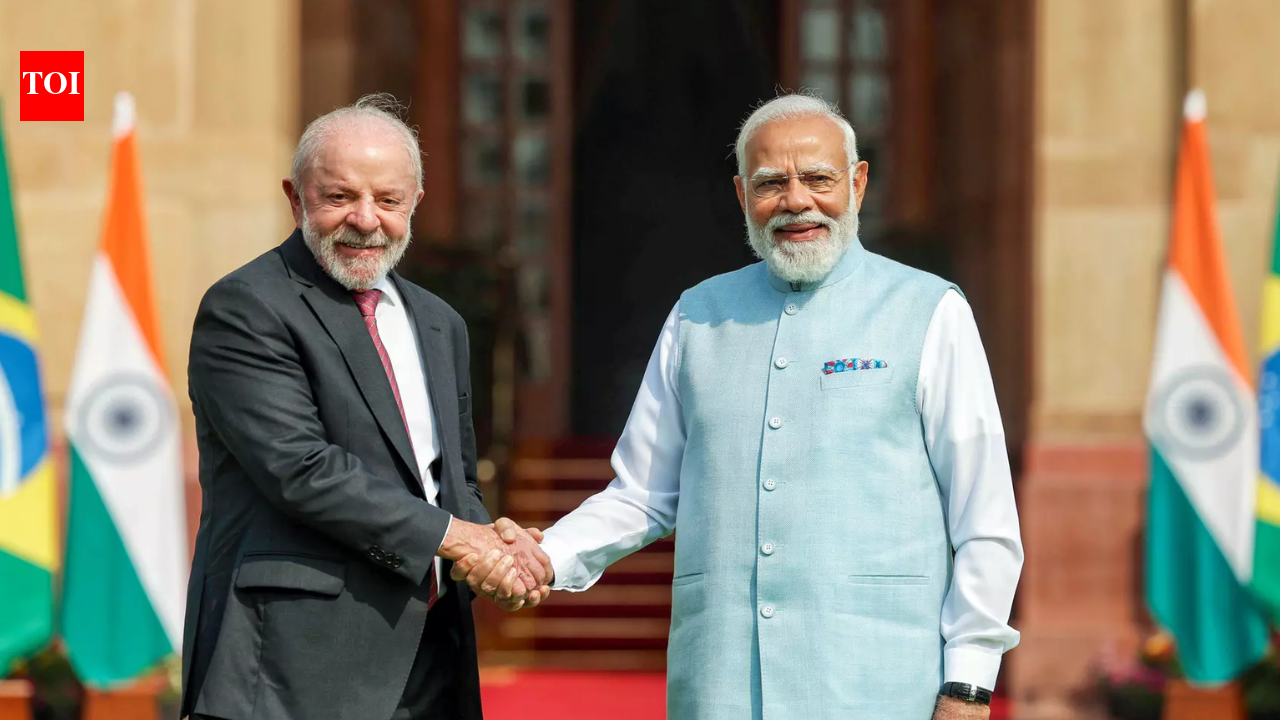
The February 2026 state visit between Brazilian President Lula and Indian PM Modi establishes a transformative $20 billion bilateral trade target over five years, representing a significant expansion from current levels and creating substantial cross-border e-commerce opportunities for sellers. This diplomatic initiative directly impacts sellers operating in three critical categories: rare earth minerals and mining products, digital technology solutions, and renewable energy equipment—sectors explicitly highlighted in the bilateral agreements signed during the visit.
Market Expansion Opportunity: The $20B trade target indicates India and Brazil are positioning themselves as complementary economic partners, with India leveraging its "digital superpower" status and Brazil its renewable energy capabilities. For cross-border sellers, this translates to increased demand for Indian tech products, software solutions, and digital services in Brazilian markets, while simultaneously creating opportunities for Brazilian renewable energy equipment, sustainable fuel technology, and mining-related products in Indian e-commerce platforms. Historical trade expansion patterns suggest 15-25% annual growth in these categories during the first 2-3 years following such bilateral agreements.
Seller Category Opportunities: The rare earth minerals agreement is particularly significant for B2B sellers and industrial product suppliers. Rare earth elements are critical components in electronics, renewable energy systems, and advanced manufacturing—categories that typically see 30-50% volume increases when bilateral trade agreements reduce tariffs and regulatory barriers. Sellers specializing in electronics components, industrial equipment, and tech accessories should anticipate increased sourcing demand from Indian manufacturers seeking Brazilian materials, and vice versa. The digital partnership framework creates opportunities for software-as-a-service (SaaS) providers, IT consulting services, and digital infrastructure sellers to expand into both markets with reduced compliance friction.
Logistics and Compliance Implications: The bilateral agreements spanning digital partnership and mining cooperation suggest streamlined customs procedures and reduced non-tariff barriers are being negotiated. Sellers should monitor official trade announcements for tariff reductions on electronics, renewable energy equipment, and mineral products—categories that typically experience 5-12% cost reductions when bilateral trade frameworks are implemented. The participation of top business leaders in the delegation indicates private sector engagement in framework development, suggesting seller input opportunities through industry associations and chambers of commerce in both countries.
Strategic Positioning: Sellers currently serving either India or Brazil should evaluate expansion into the complementary market. The "digital superpower with renewable energy superpower" positioning creates natural product bundling opportunities—for example, sellers of solar panel monitoring systems, energy management software, or IoT devices for renewable installations can target both markets simultaneously. The 2nd AI Impact Summit participation signals both nations prioritize AI-driven commerce solutions, creating opportunities for sellers offering AI-powered logistics, inventory management, and customer service tools.
問題 7
What customs and compliance changes should sellers expect?
The bilateral agreements spanning digital partnership and mining cooperation suggest streamlined customs procedures and reduced non-tariff barriers are being negotiated. Sellers should anticipate: (1) Tariff reductions of 5-12% on electronics, renewable energy equipment, and mineral products; (2) Simplified documentation requirements for digital services and software licensing; (3) Potential mutual recognition of quality certifications for industrial equipment. The participation of top business leaders in the delegation indicates private sector input into framework development. Sellers should engage with chambers of commerce and industry associations in both countries to influence compliance standards. Expect official guidance documents by Q2 2026, with implementation timelines of 60-120 days thereafter.
When should sellers begin preparing for India-Brazil trade opportunities?
Immediate action is recommended for Q1 2026, as the bilateral agreements are being finalized during the February 18-22 state visit. Sellers should: (1) Register with relevant trade bodies in both countries by March 2026; (2) Monitor official tariff schedule releases expected by April-May 2026; (3) Evaluate logistics partnerships with 3PL providers experienced in India-Brazil routes by June 2026. Historical patterns show tariff reductions typically take 60-90 days to implement after agreement signing. Sellers who establish market presence and compliance frameworks in the first 90 days typically capture 20-30% higher market share than late entrants. Consider joining industry associations in both countries to access early notification of regulatory changes.