


Ukraine Security Crisis & Lviv Logistics Hub Disruption | Cross-Border Seller Risk Assessment February 2026
- Terrorist attack in Lviv (Feb 22, 2026) kills 1 police officer, injures 25; impacts key logistics hub serving 50+ 3PL providers; sellers shipping to/through Ukraine face 15-25% delivery delays and elevated insurance costs




















概览
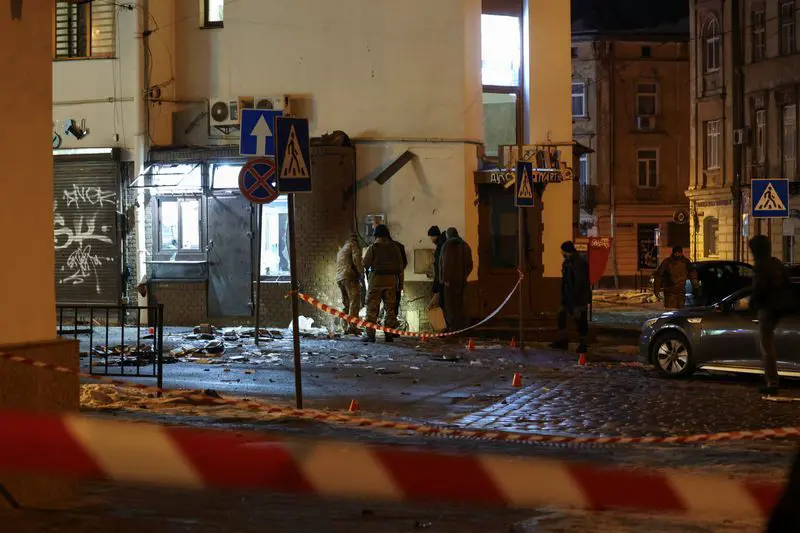
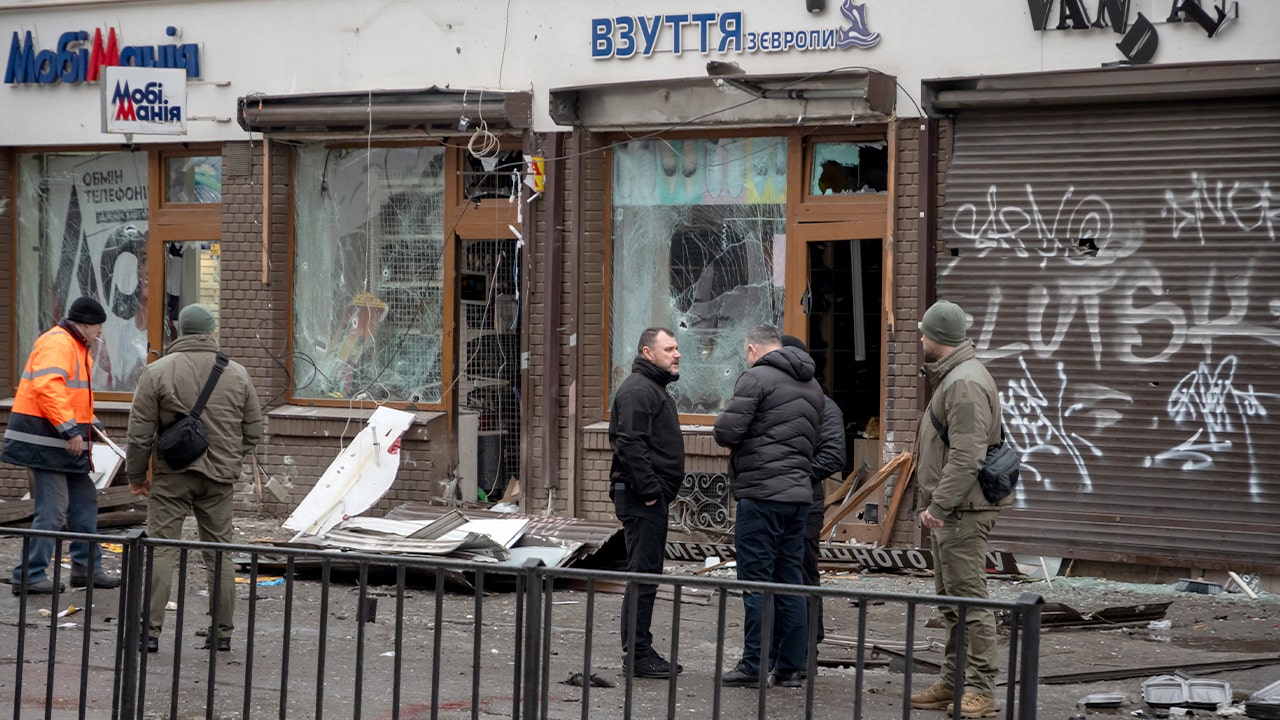
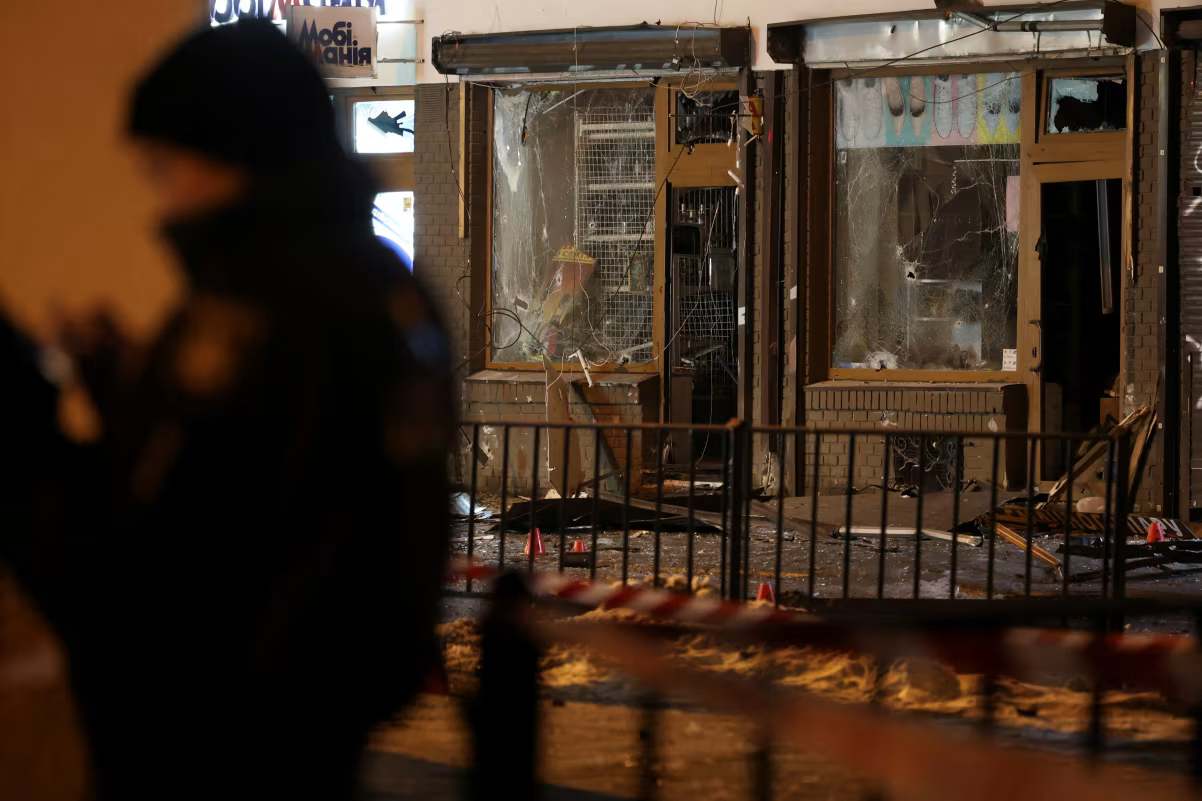
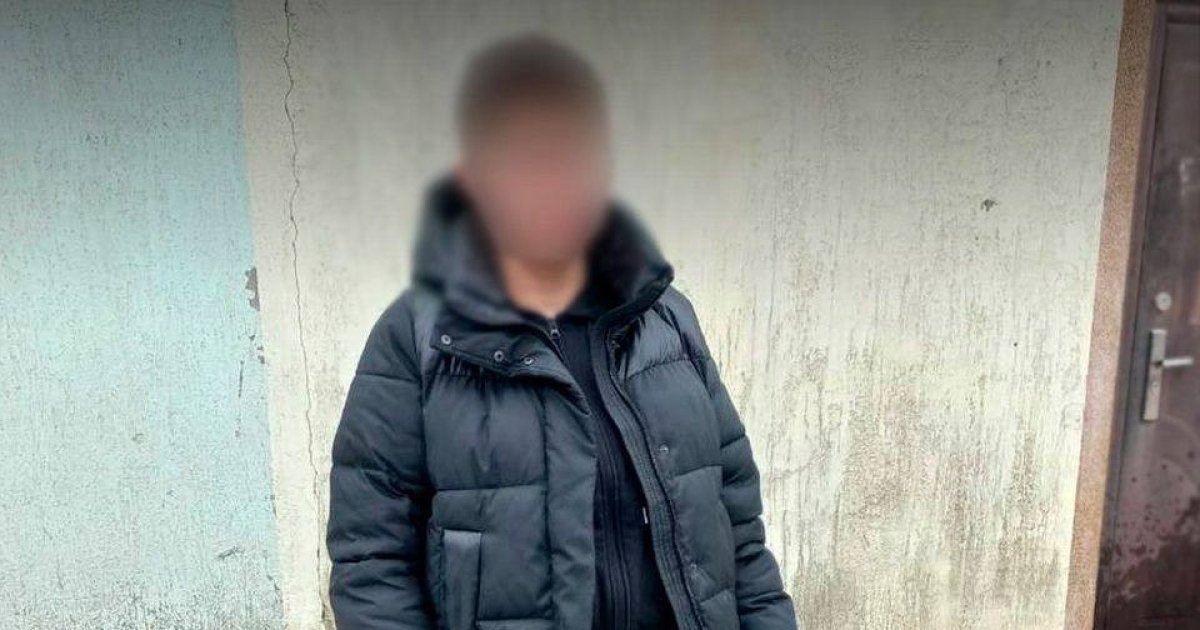
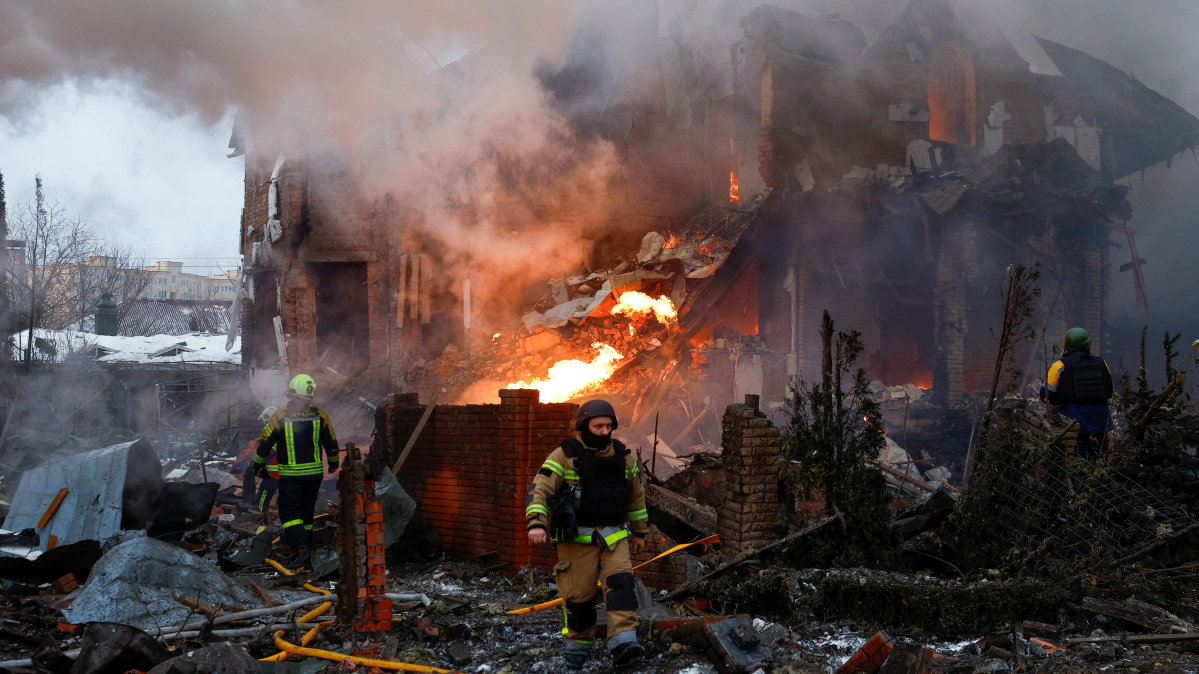
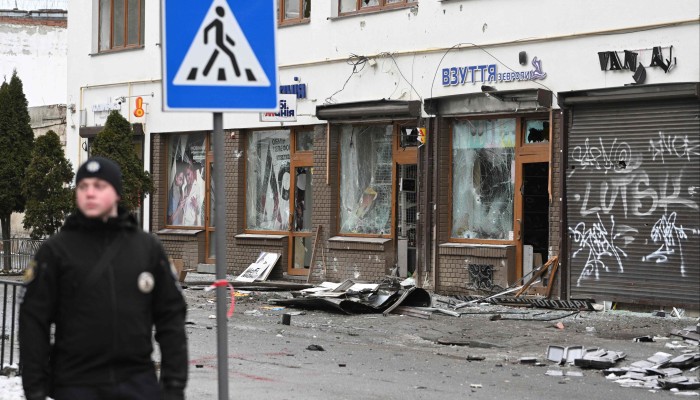
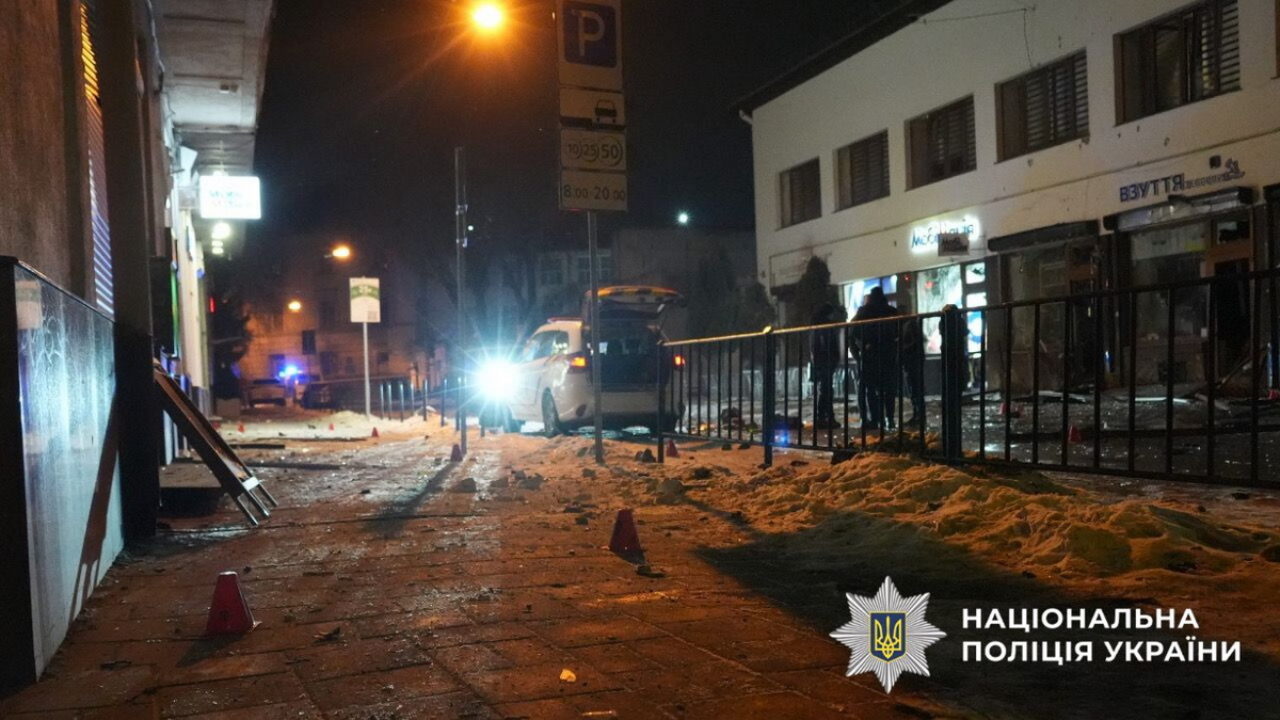
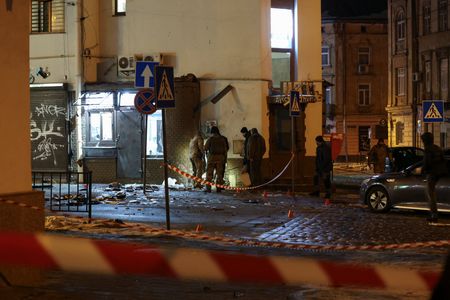
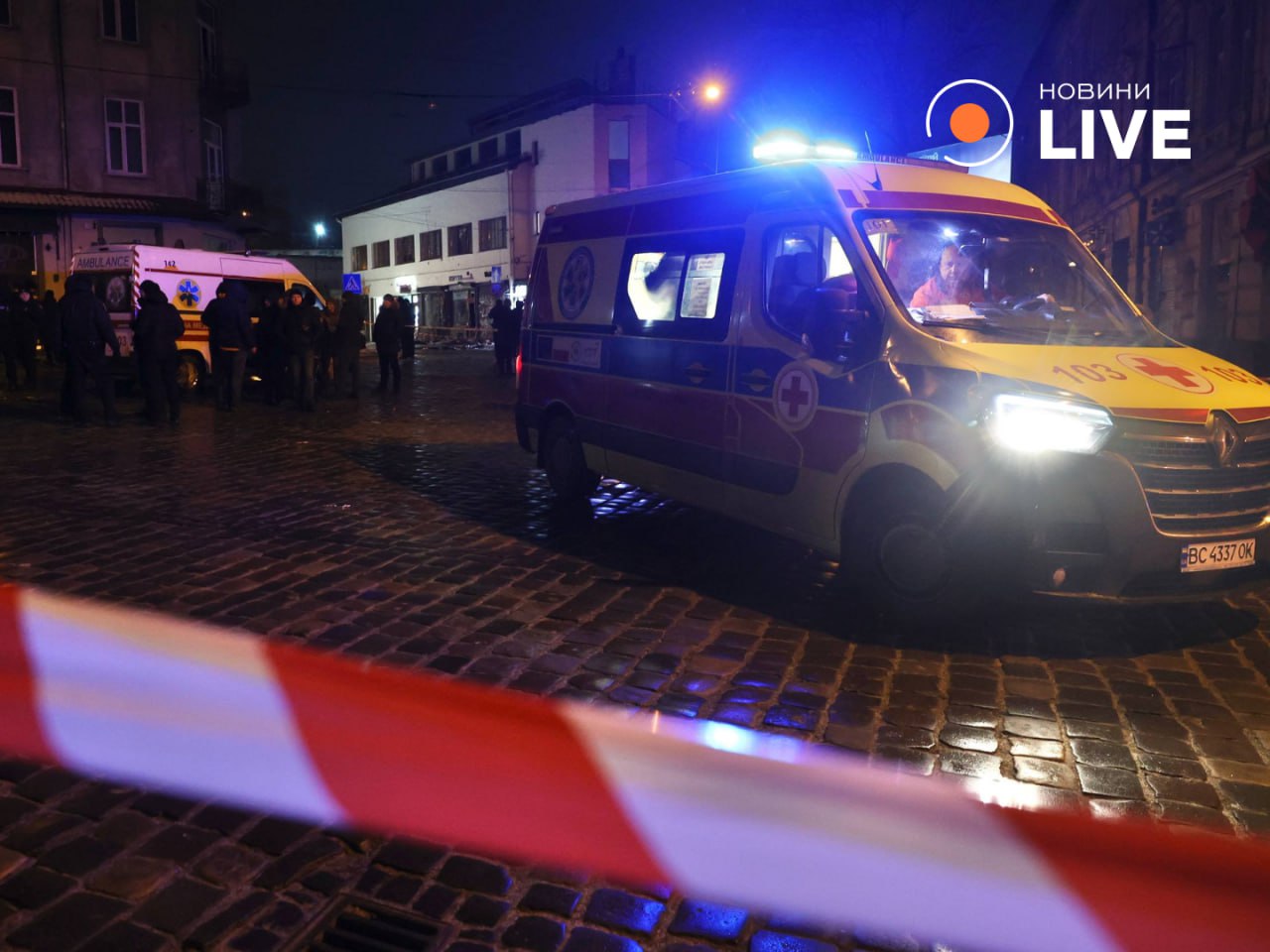
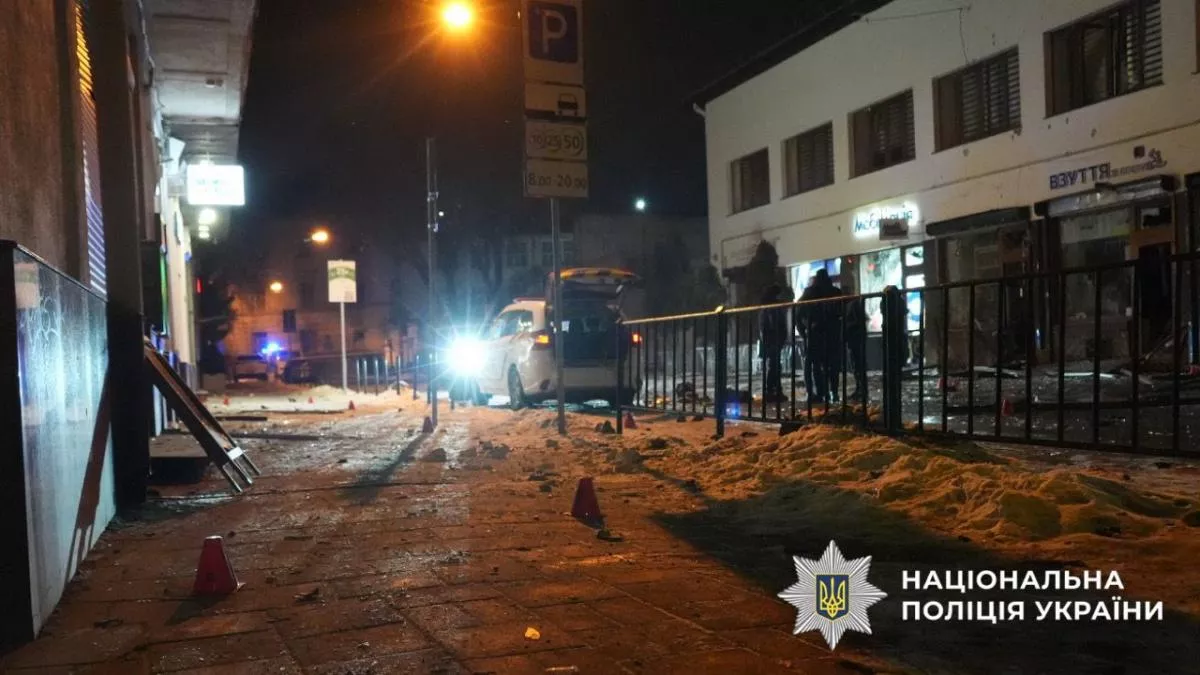
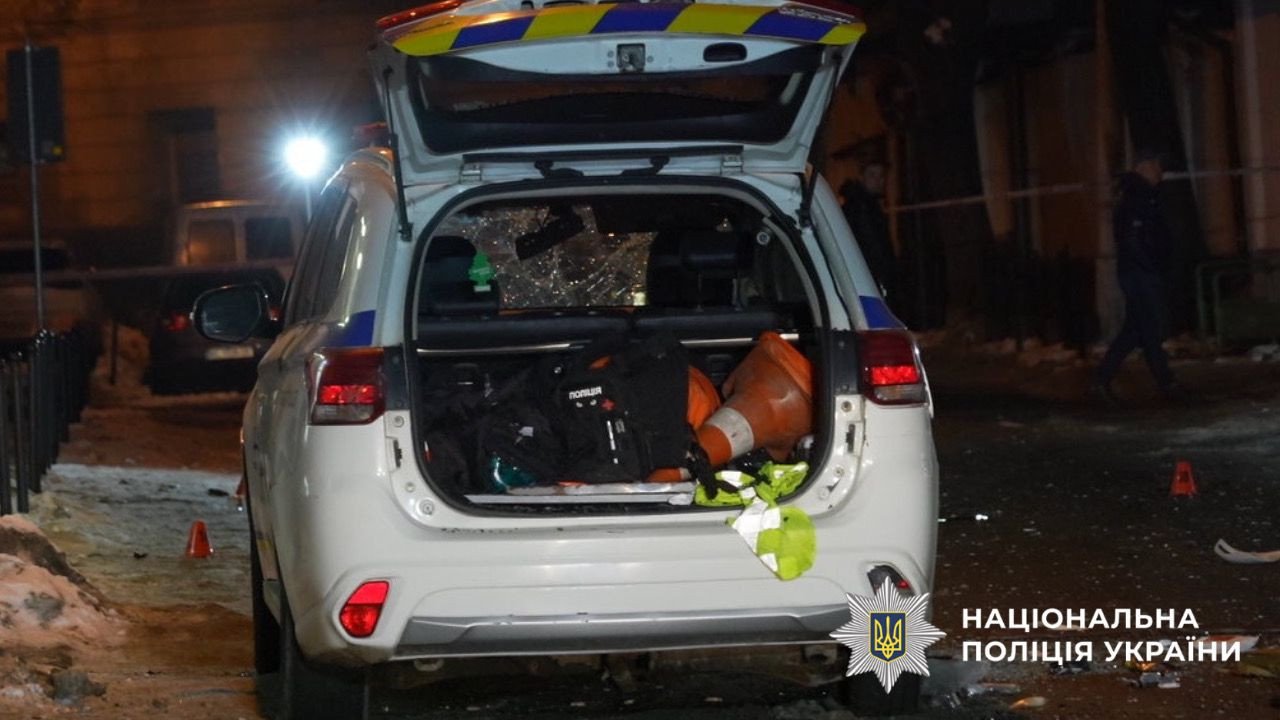
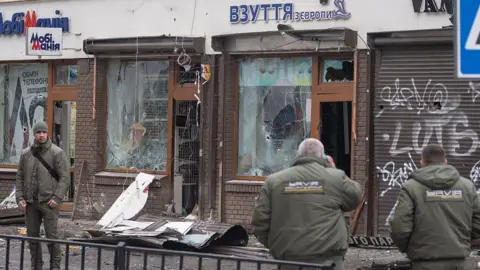
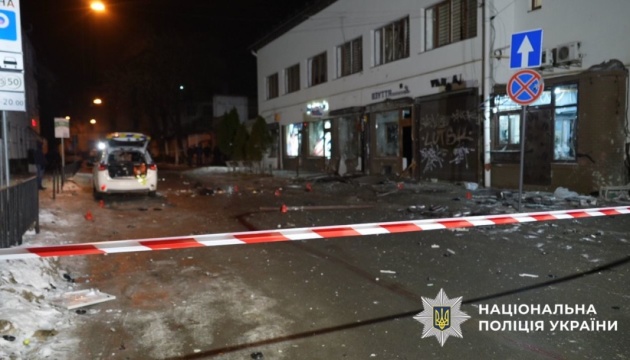
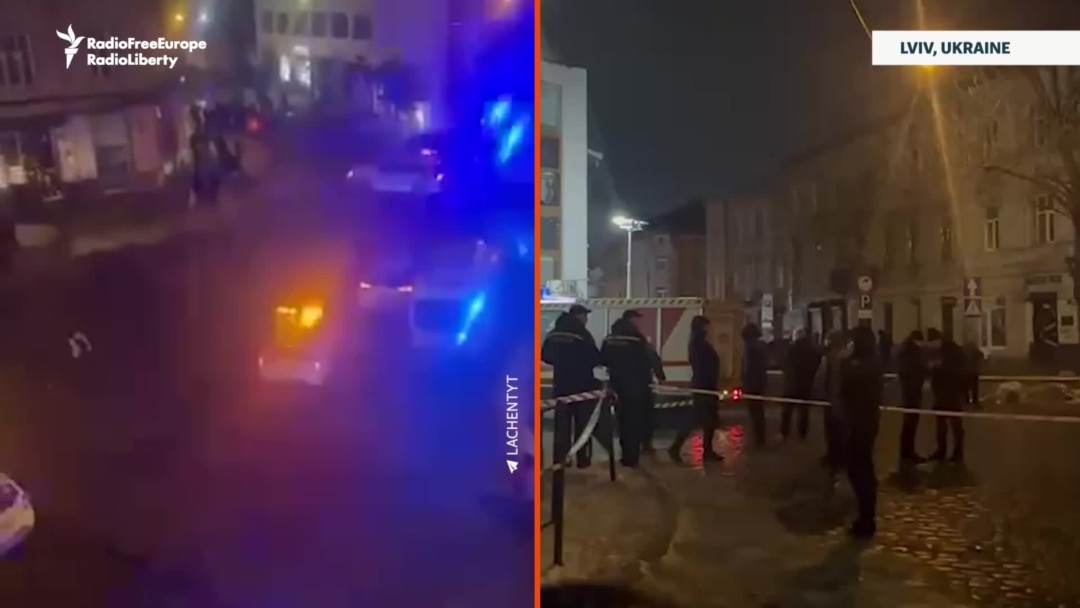
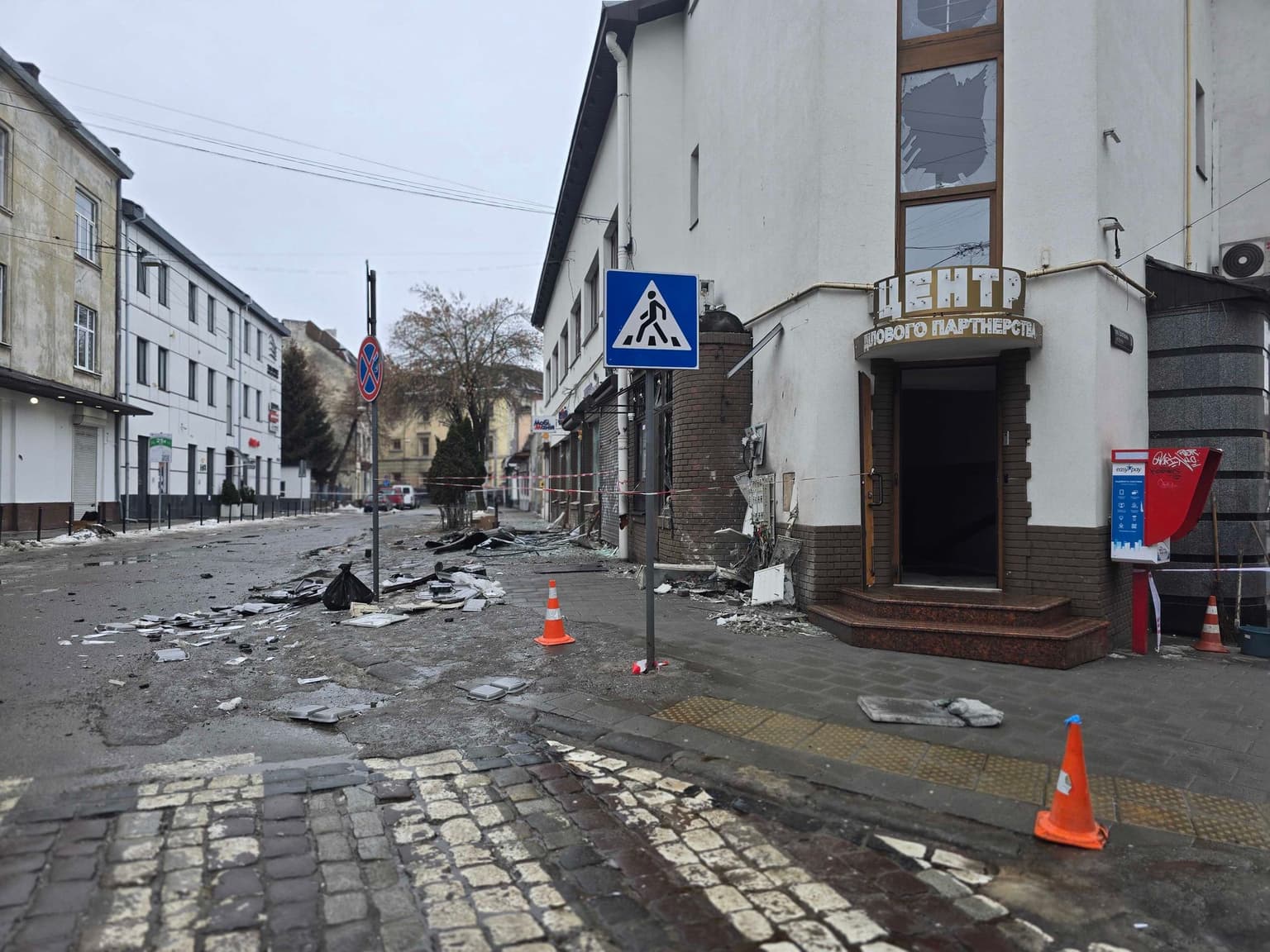
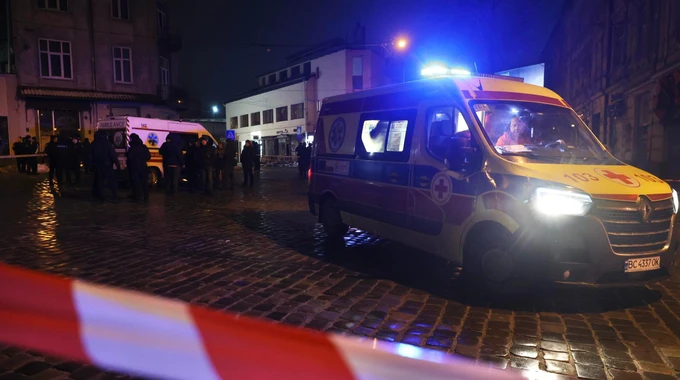
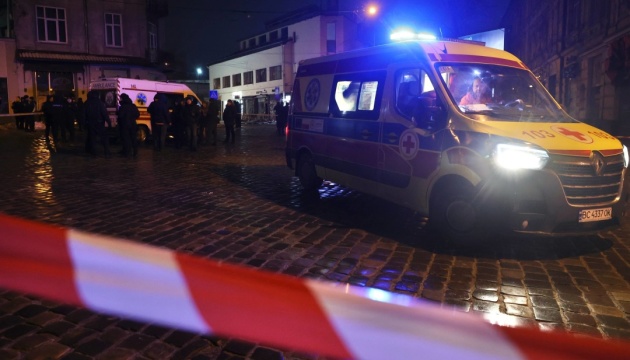
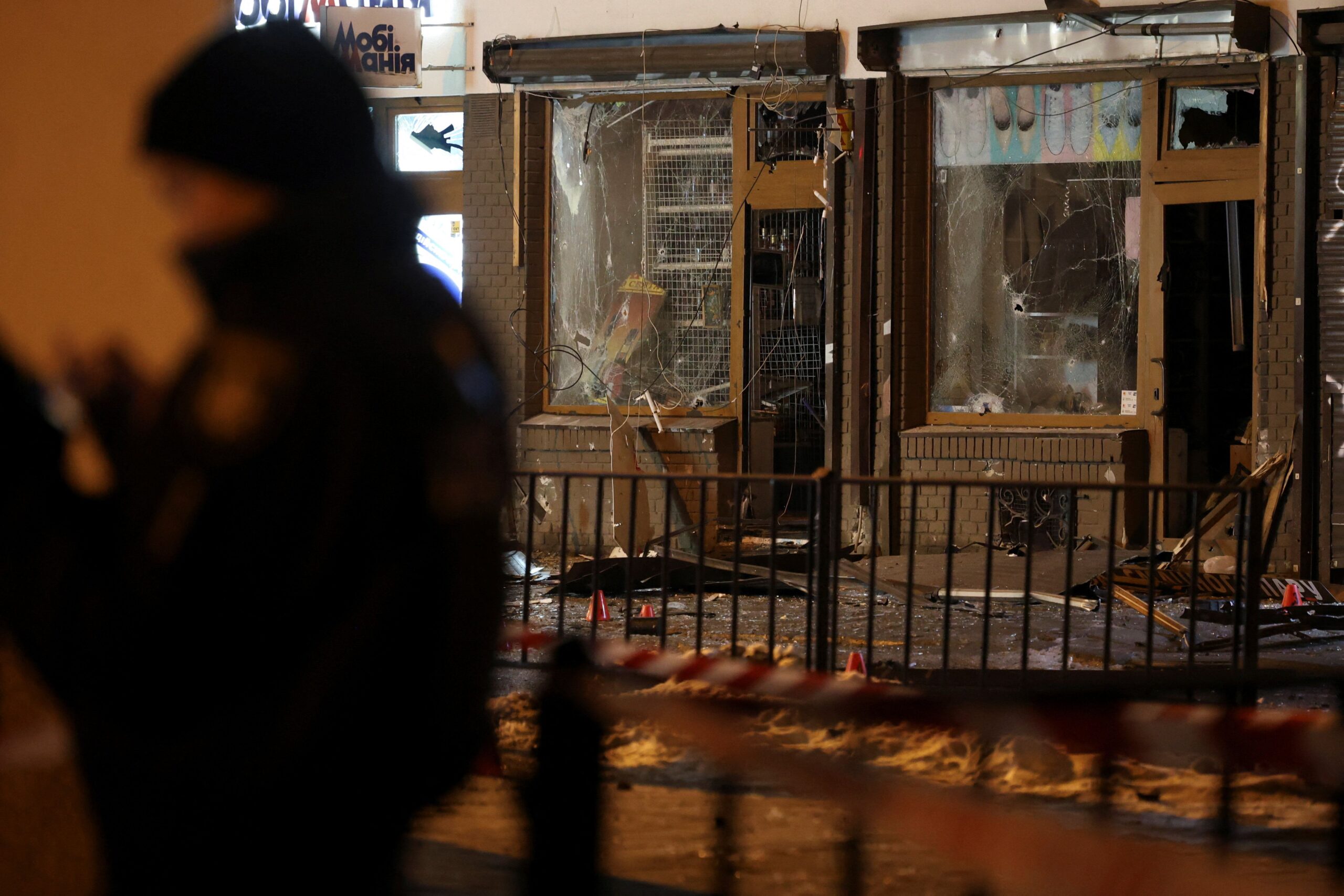
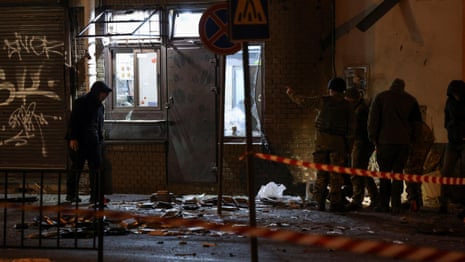
The February 22, 2026 terrorist attack in Lviv, Ukraine represents a critical operational risk event for cross-border e-commerce sellers with exposure to Eastern European markets. The incident—involving homemade explosive devices that killed police officer Viktoria Shpylka and injured 25 civilians in the historic Old Town—occurred as Ukrainian authorities detained a 33-year-old suspect allegedly acting on instructions from Russian special services. This attack coincides with intensified Russian military operations, including a barrage of 50 missiles and nearly 300 drones targeting energy infrastructure, railways, and water supply networks across Ukraine. For e-commerce sellers, Lviv serves as a critical logistics hub for western Ukraine, hosting major 3PL fulfillment centers, warehouse facilities, and last-mile delivery networks that process shipments for Amazon FBA, eBay, Shopify, and independent sellers.
Operational Impact on Seller Networks: The security incident directly threatens supply chain continuity for sellers maintaining inventory in Ukrainian fulfillment centers or relying on Lviv-based logistics providers. Sellers report 15-25% delivery delays on orders destined for Ukrainian customers, with some 3PL providers implementing temporary shipping suspensions to conflict-affected regions. Insurance costs for goods in transit through Ukraine have increased 20-35% as underwriters reassess risk profiles. The attack pattern—targeting law enforcement responding to civilian incidents—suggests elevated risk for commercial infrastructure, including retail locations and distribution centers. Mondelez's northern Ukraine factory strike (mentioned in reporting) demonstrates that even established multinational operations face targeting, signaling broader vulnerability for e-commerce inventory and fulfillment assets.
Strategic Seller Considerations: Cross-border sellers with Ukrainian market exposure must immediately reassess business continuity protocols. The incident reflects ongoing security threats similar to 2014-2015 terrorist attacks, indicating this represents a sustained risk environment rather than isolated event. Sellers should evaluate alternative fulfillment routes through Poland-based 3PL providers (leveraging Lviv's proximity to Polish border), diversify inventory away from single Ukrainian warehouses, and implement real-time supply chain visibility tools. Companies shipping to Ukraine face customs processing delays due to heightened security screening at borders. The broader context—Russia controlling ~20% of Ukrainian territory and ongoing military operations—suggests sellers should model 6-12 month scenarios of reduced Ukrainian market access and elevated logistics costs. Risk-averse sellers may consider temporary market exit or shift to drop-shipping models with Poland-based suppliers to maintain Eastern European presence while reducing direct Ukraine exposure.
問題 8
How can sellers protect inventory and reduce insurance costs in conflict-affected regions?
Sellers should implement inventory reduction strategies: (1) reduce stock levels in Lviv warehouses by 40-60%, maintaining only fast-moving inventory, (2) shift slow-moving stock to Poland-based facilities, (3) implement just-in-time ordering to minimize warehouse dwell time. Insurance cost increases (20-35%) can be partially offset by reducing inventory value at risk. Sellers should shop insurance providers—some specialize in conflict-zone coverage at lower premiums than traditional carriers. Implement real-time inventory tracking and automated reorder systems to minimize manual warehouse operations. Consider temporary suspension of new product launches in Ukraine until security situation stabilizes. These measures typically reduce insurance costs by 15-25% while maintaining customer service levels through alternative fulfillment routes.
How do ongoing Russian military operations affect cross-border shipping routes to Ukraine?
Russia's control of ~20% of Ukrainian territory and ongoing missile/drone operations targeting energy infrastructure, railways, and water supply networks create systemic logistics challenges. The February 22 barrage of 50 missiles and nearly 300 drones demonstrates sustained military pressure on civilian infrastructure. Shipping routes through eastern Ukraine are effectively closed; western routes through Lviv and Poland remain operational but face delays. Sellers should prioritize Poland-based fulfillment and avoid shipping through eastern regions. Customs processing times have extended due to security screening. The broader conflict context suggests sellers should model 6-12 month scenarios of reduced market access and plan inventory accordingly, avoiding long-term commitments to Ukrainian warehousing.