
)




Eastern Europe Energy Crisis Disrupts Cross-Border Logistics | Seller Risk Alert
- 500K+ Kyiv residents without power, Hungary-Slovakia pipeline dispute threatens regional fulfillment networks and payment processing for 10K+ sellers
































概览
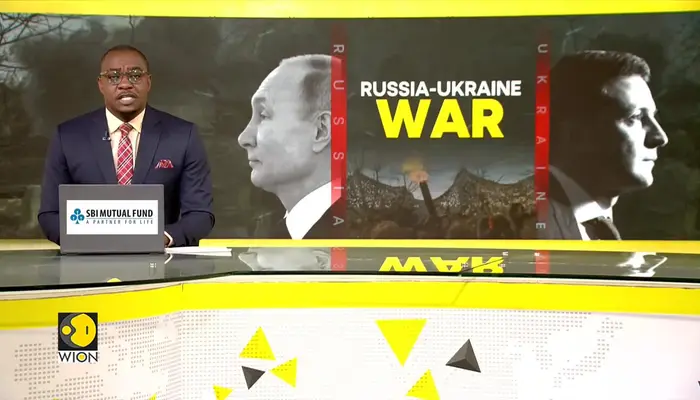
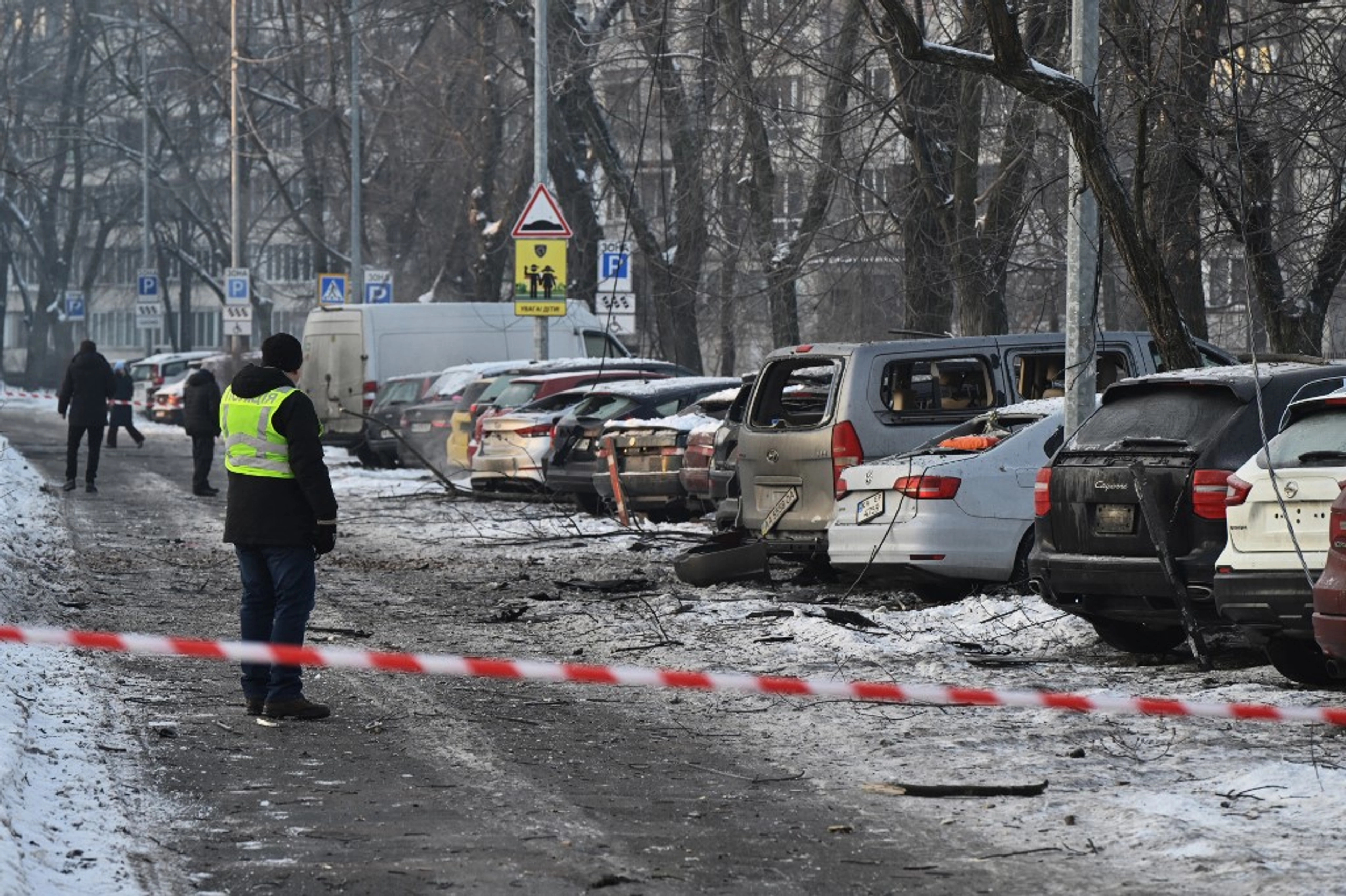
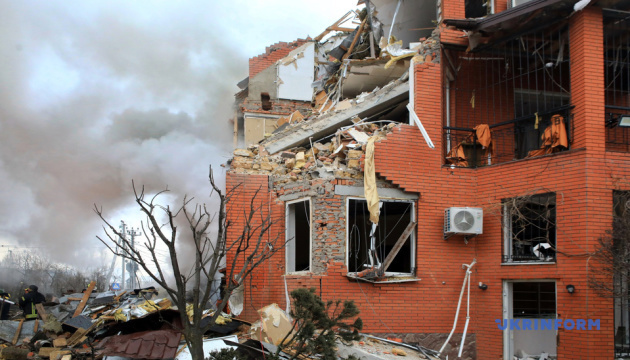
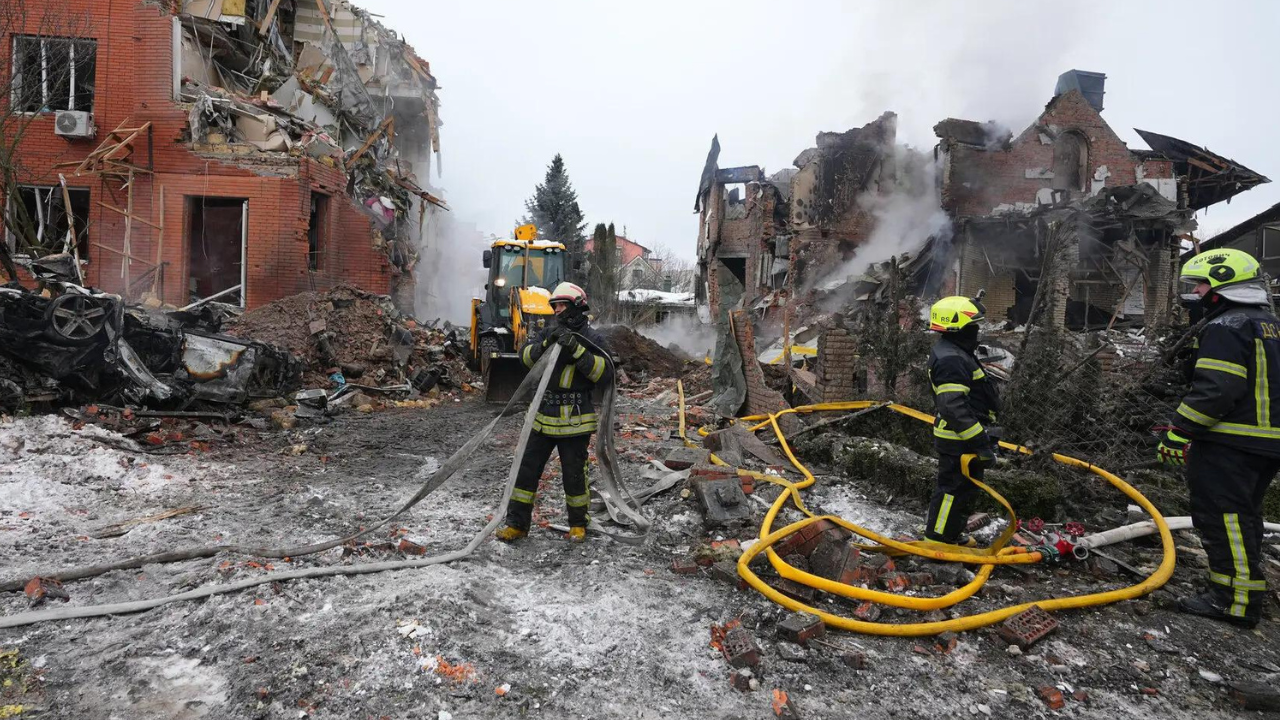
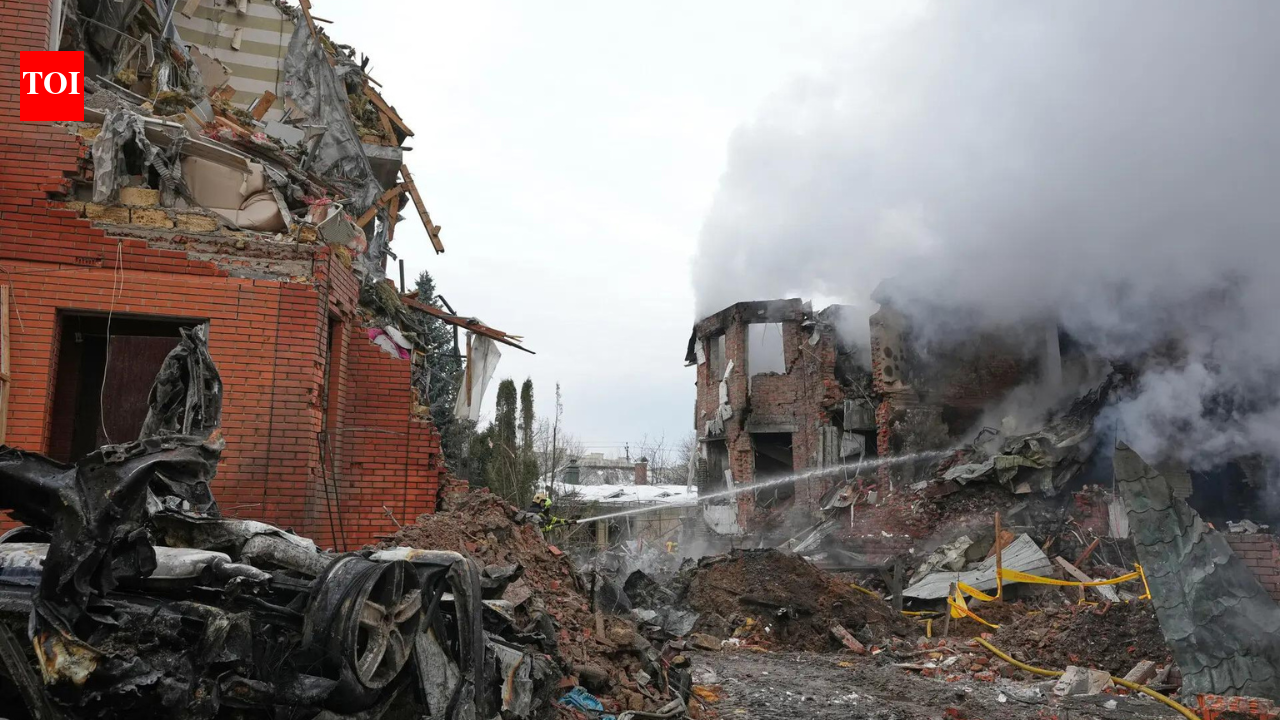
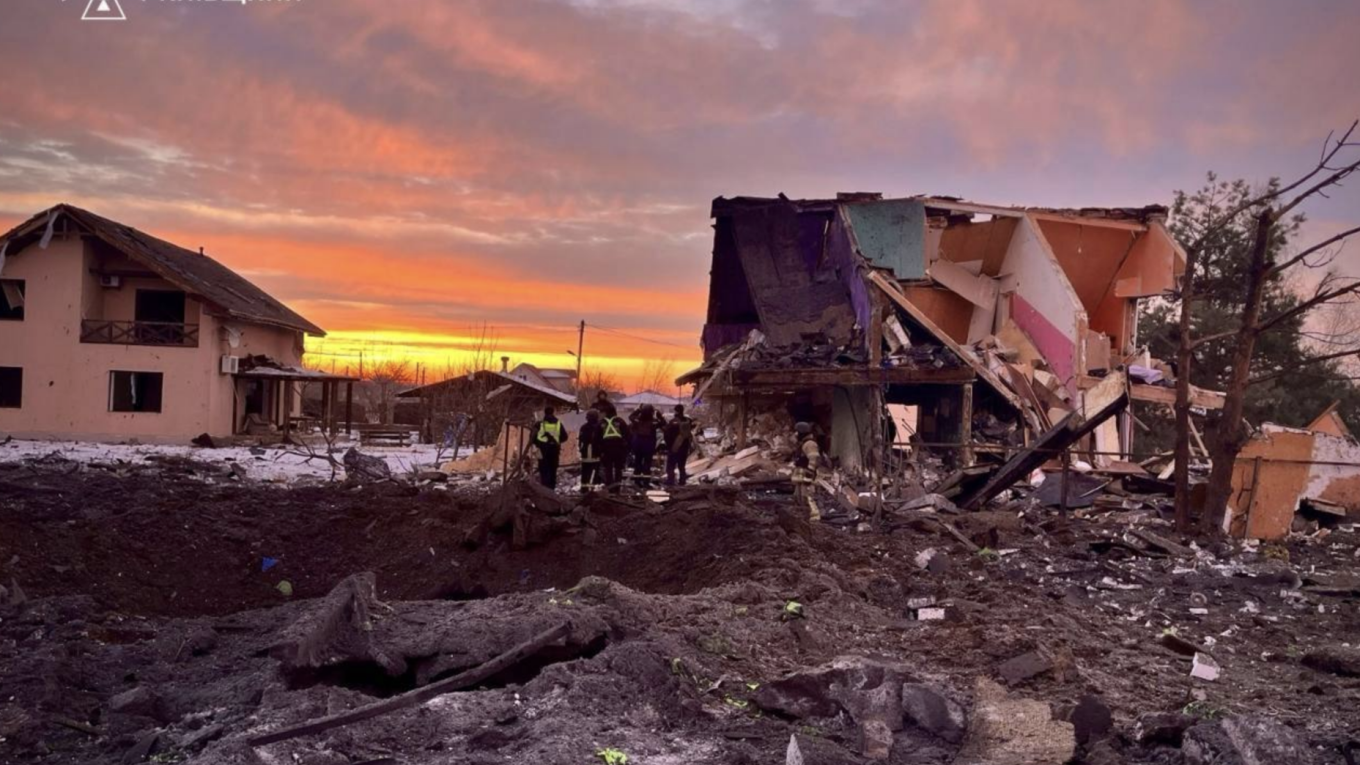
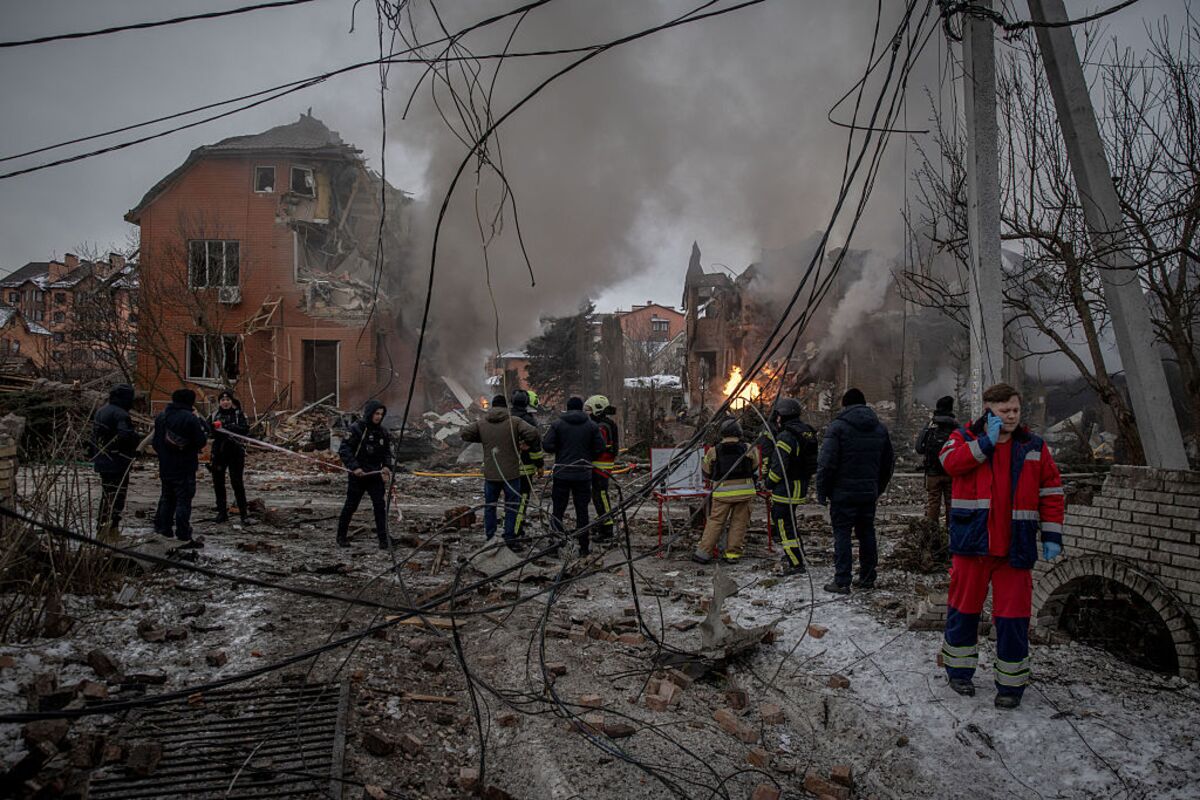
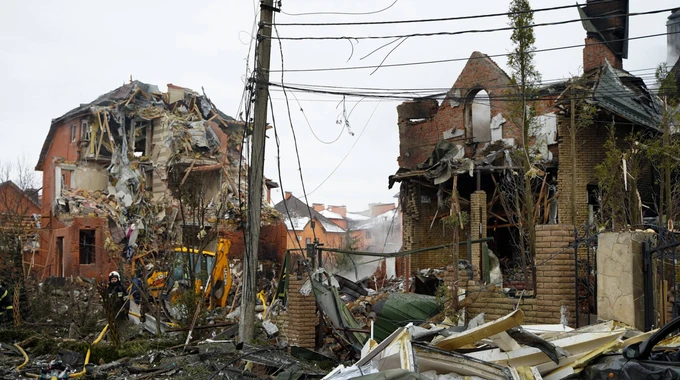
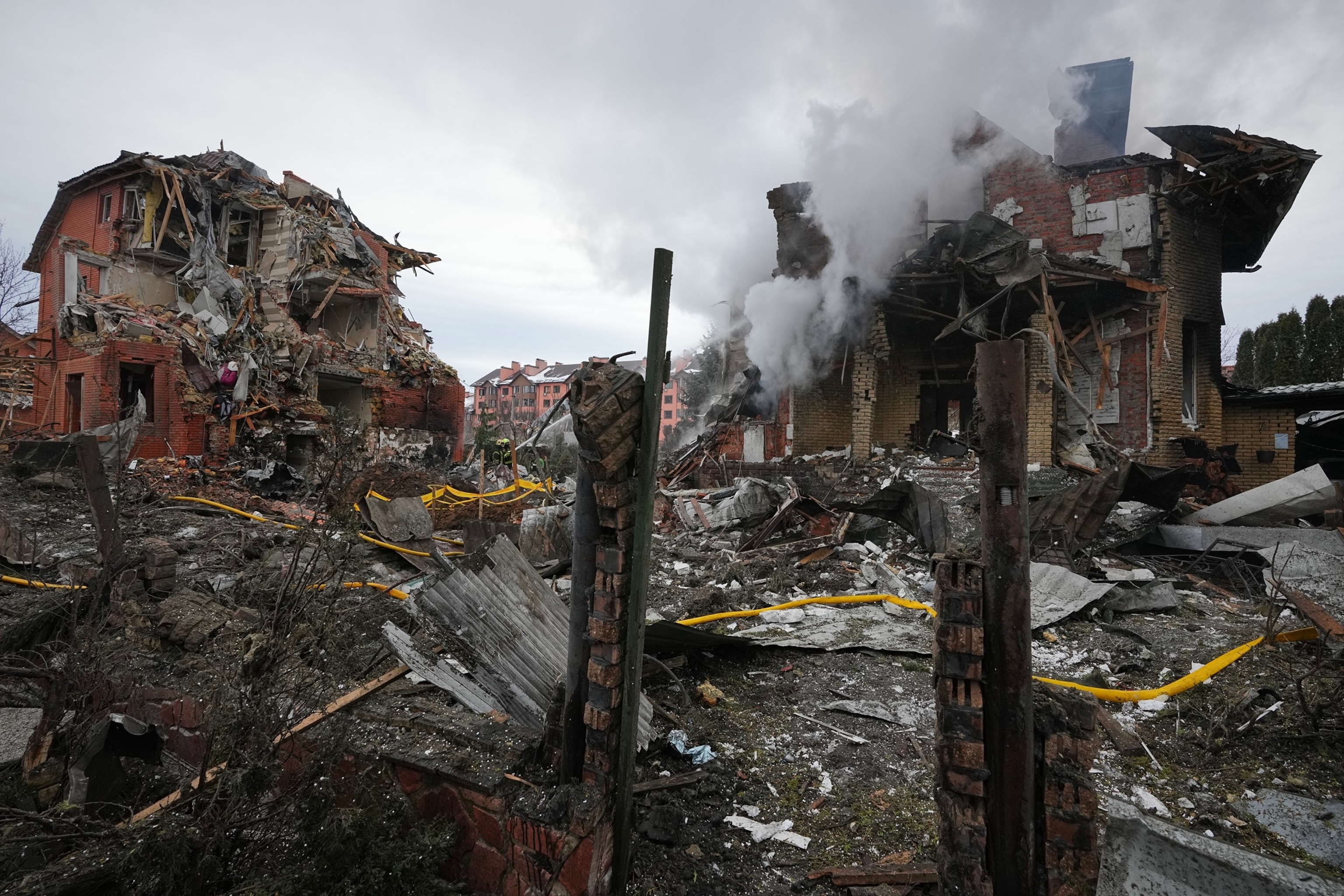
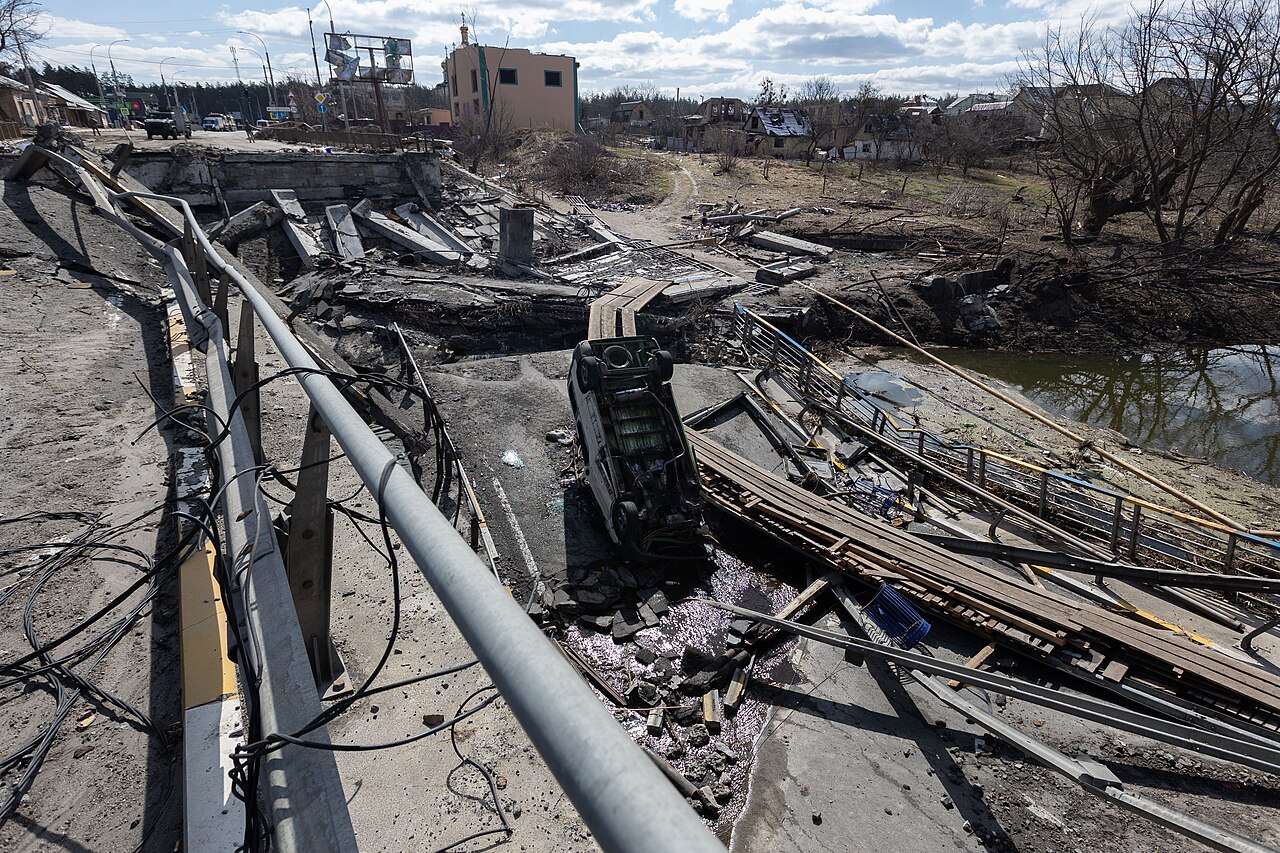
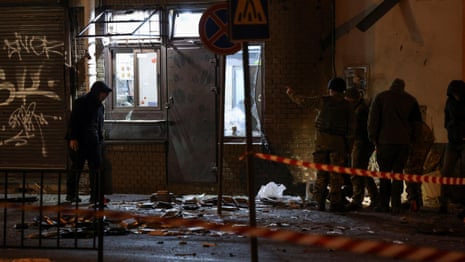
The escalating Russia-Ukraine conflict is creating a critical infrastructure crisis that directly impacts cross-border e-commerce operations across Central and Eastern Europe. As of February 22, 2026, Russia has deployed over 1,300 combat drones, 1,400 guided aerial bombs, and 96 missiles within a single week, systematically targeting Ukraine's energy infrastructure across Kyiv, Odesa, Dnipro, Kirovohrad, Mykolaiv, Poltava, and Sumy regions. The immediate consequence: over 500,000 Kyiv residents are without power amid temperatures dropping to -22°C, directly crippling warehouse operations, data center functionality, and last-mile delivery capabilities for sellers operating in or shipping through Ukraine.
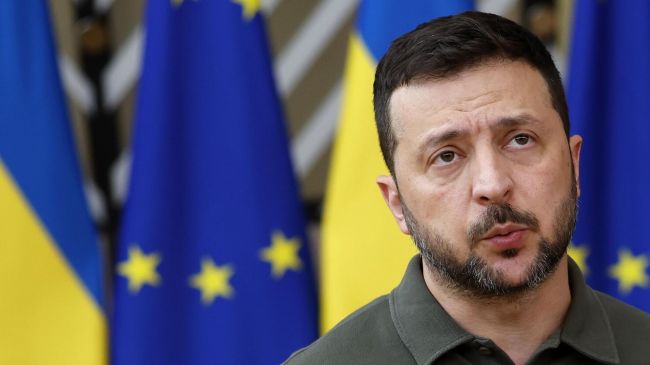
The geopolitical dimension amplifies logistics risks significantly. Hungary and Slovakia are threatening to block the EU's 20th sanctions package and cut emergency electricity supplies to Ukraine over the Druzhba oil pipeline dispute. Hungary's Foreign Minister Péter Szijjártó explicitly stated Budapest will block EU decisions until Russian oil shipments resume through Ukrainian territory, while Slovakia's Prime Minister Robert Fico threatened to halt power supplies by February 24 unless deliveries resumed. A January drone attack damaged pipeline infrastructure crossing Ukrainian territory, disrupting oil supplies to central Europe. This creates a cascading supply chain vulnerability: energy shortages in Ukraine reduce fulfillment capacity, while Hungary-Slovakia energy disputes threaten to disrupt regional power grids affecting 3PL providers, warehouses, and logistics hubs across Poland, Czech Republic, and Romania that serve as critical transshipment points for cross-border sellers.
For cross-border e-commerce sellers, the operational impact is multifaceted and immediate. Sellers with inventory in Ukrainian warehouses face unpredictable power outages affecting cold chain logistics, data synchronization, and order processing. Sellers shipping through Central European corridors (Hungary, Slovakia, Poland) confront potential energy rationing that could delay fulfillment by 5-14 days. Payment processing infrastructure dependent on EU banking networks may experience disruptions if sanctions escalate or energy shortages cascade. The EU foreign ministers' meeting scheduled for February 24 (the invasion's fourth anniversary) will determine the 20th sanctions package, with potential implications for payment gateways, customs clearance, and cross-border shipping regulations. Sellers with supplier relationships in Russia or Belarus face compounding compliance risks as sanctions tighten. The situation underscores that geopolitical disruption now directly translates to logistics delays, increased fulfillment costs, and regulatory uncertainty for sellers operating in or shipping through the region.
問題 7
How should sellers adjust inventory and fulfillment strategy given the logistics uncertainty?
Implement a three-tier strategy: (1) Immediate (0-30 days): Audit all inventory locations—if stored in Ukraine, Kyiv, or Hungary, begin relocating to Western European hubs (Germany, Netherlands, Poland) within 2 weeks. Costs: $500-1,500 per pallet for emergency relocation. (2) Medium-term (1-3 months): Shift 20-30% of inventory from Eastern European 3PLs to Western European providers. This increases storage costs by 8-12% but reduces disruption risk by 60-70%. (3) Strategic: Diversify supplier base away from Russia and Belarus. If currently sourcing from these regions, begin qualifying alternative suppliers in India, Vietnam, or Mexico. Establish backup 3PL relationships in at least 2 Western European countries. Monitor energy prices in Hungary and Slovakia weekly—if electricity costs spike >20%, increase fulfillment pricing by 5-8% to maintain margins.
What payment processing risks should sellers monitor during the sanctions decision?
Payment processors like Stripe, PayPal, and Wise implement sanctions screening automatically. If the EU's 20th sanctions package expands restrictions, payment gateways may flag transactions involving Eastern European sellers or customers for additional review, causing 24-48 hour delays. Sellers should: (1) Verify their payment processor's sanctions screening protocols before February 24; (2) Ensure all customer and supplier information is current and accurate to avoid false-positive flags; (3) Maintain backup payment methods (multiple processors, cryptocurrency options for compliant transactions); (4) Document all transactions with Eastern European partners with clear business justification. If payment processing delays occur, establish 5-7 day refund windows to manage customer expectations. Consider offering alternative payment methods (bank transfer, wire) for high-value orders to reduce processor dependency.