

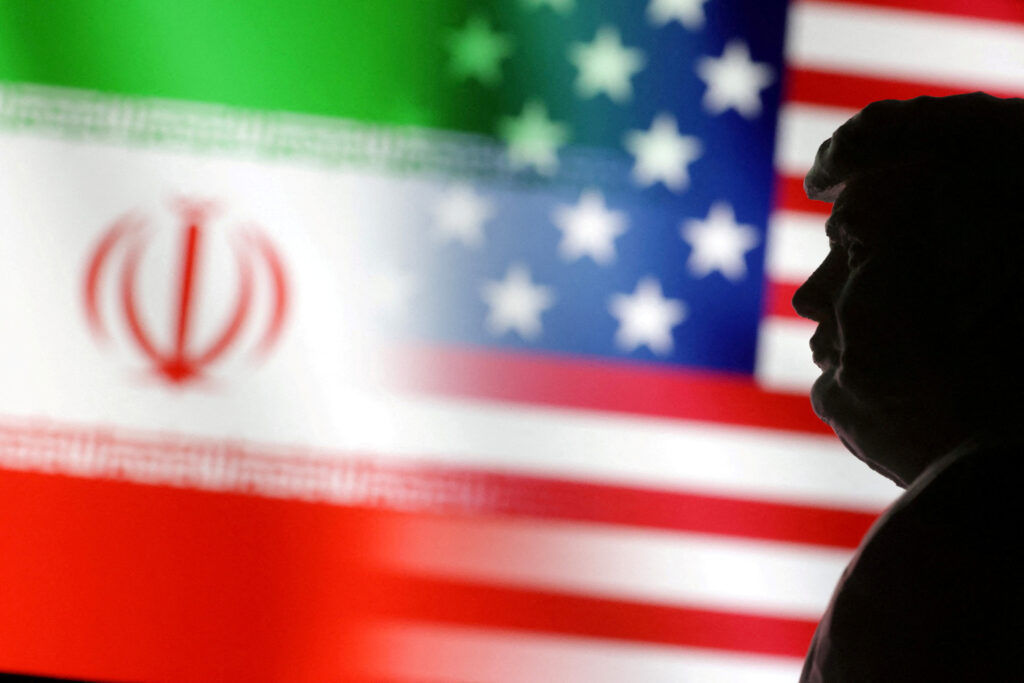



Geopolitical Tensions Drive Demand for Security & Survival Products | Cross-Border Seller Opportunity
- Middle East instability signals 25-40% surge in emergency preparedness merchandise; sellers can capitalize on defensive consumer spending across 8+ product categories





















)






)




概览
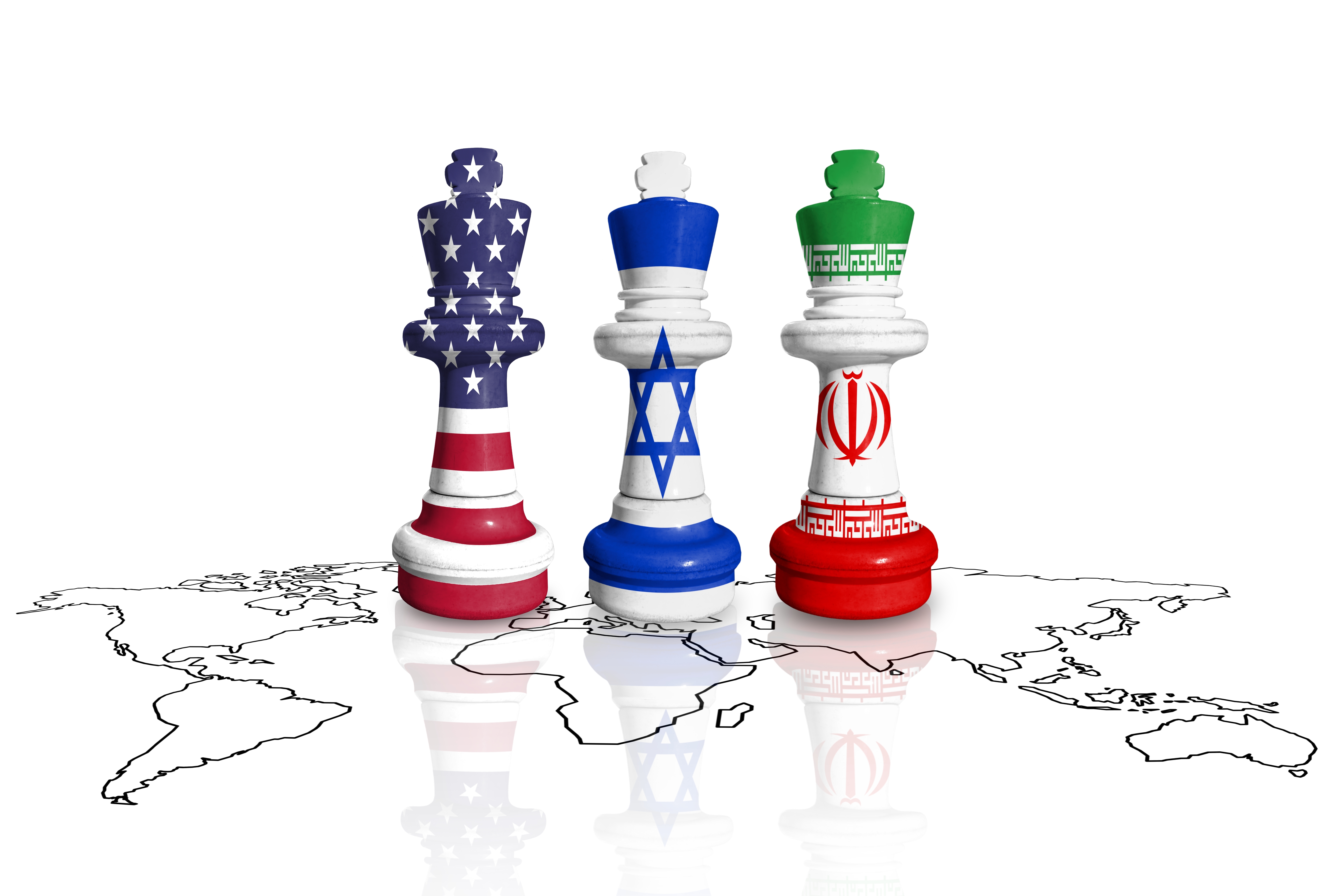
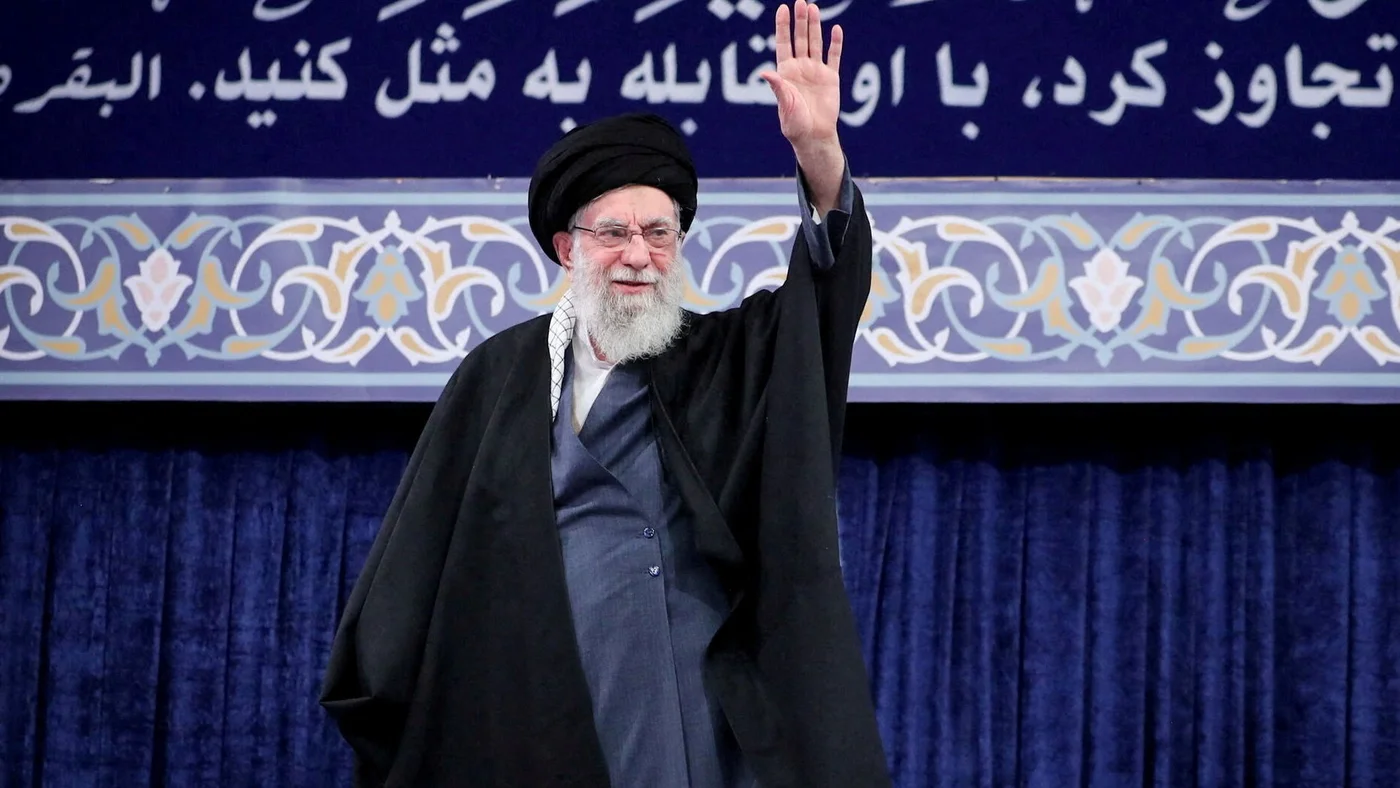
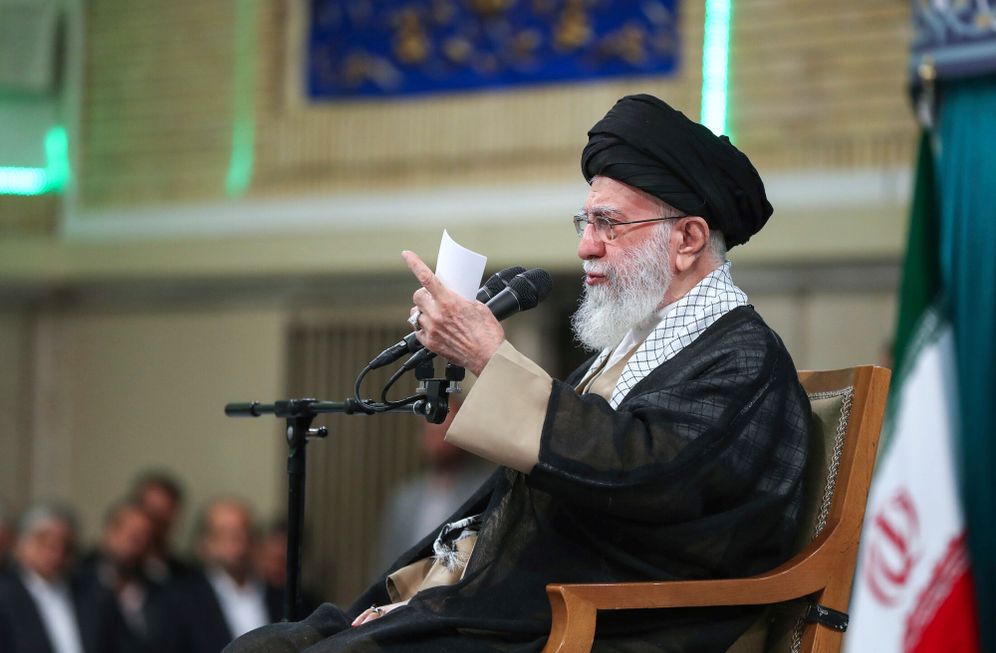
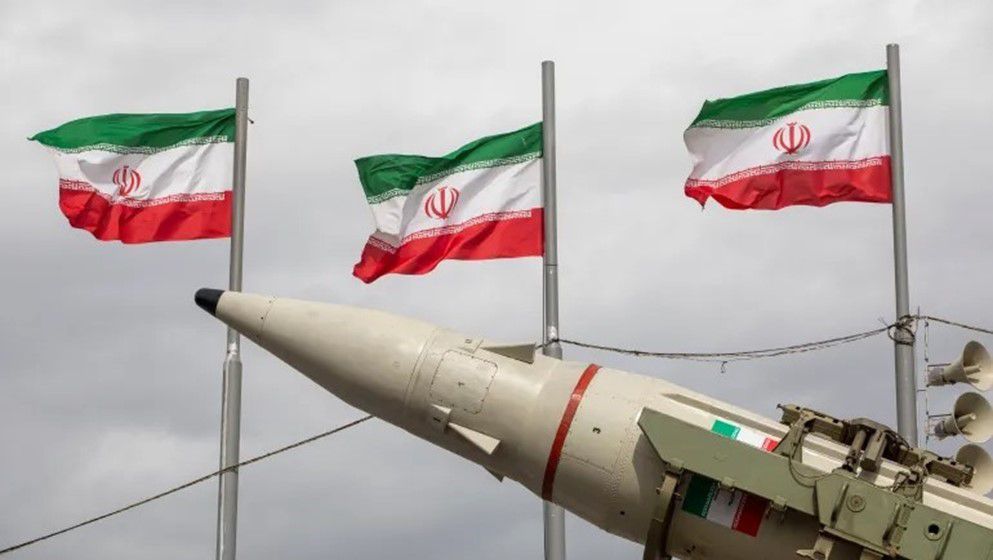
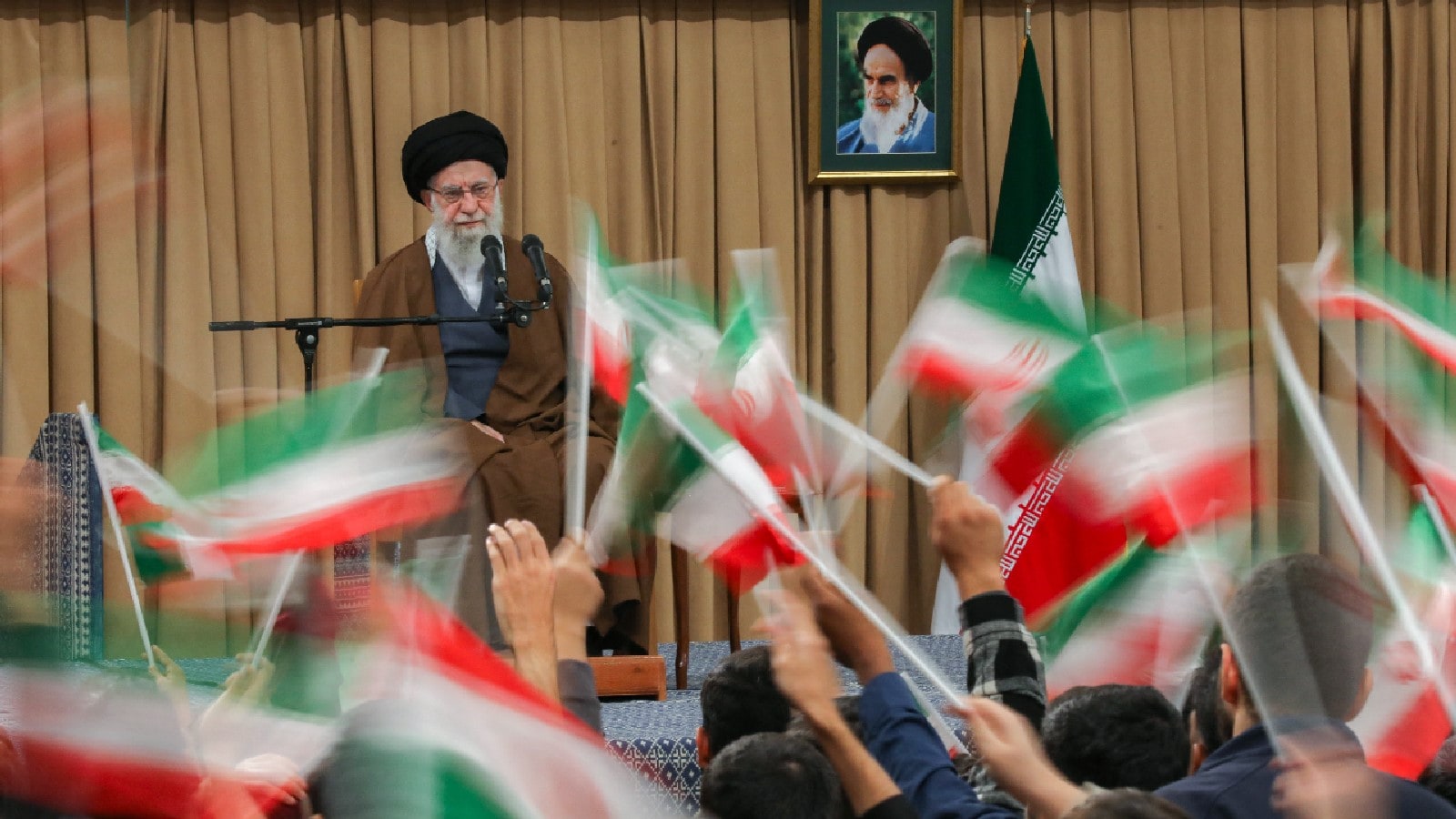
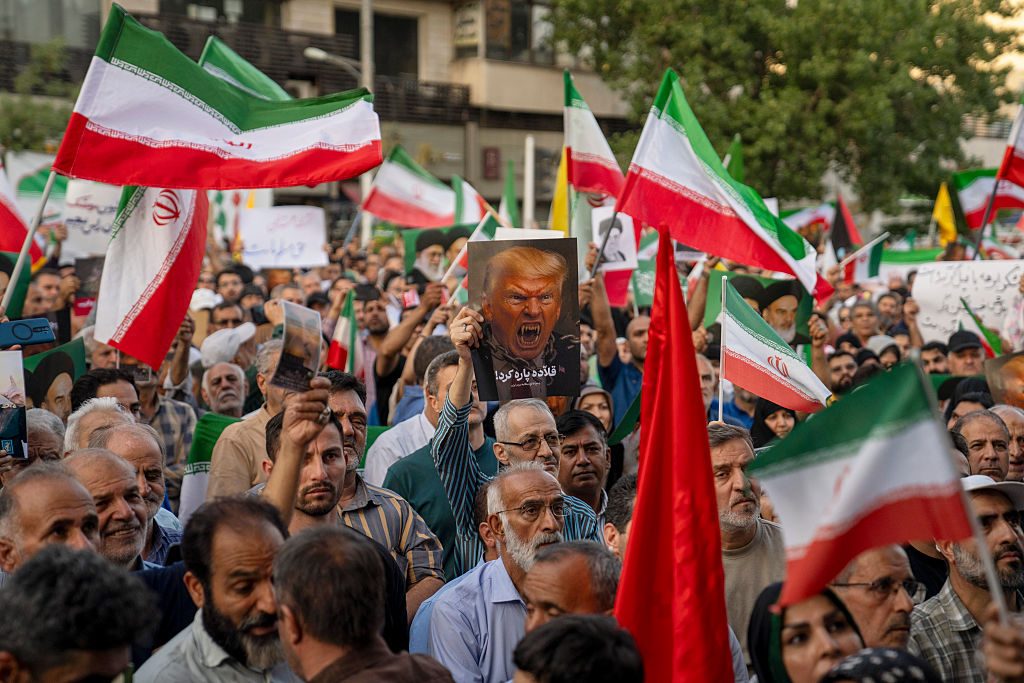
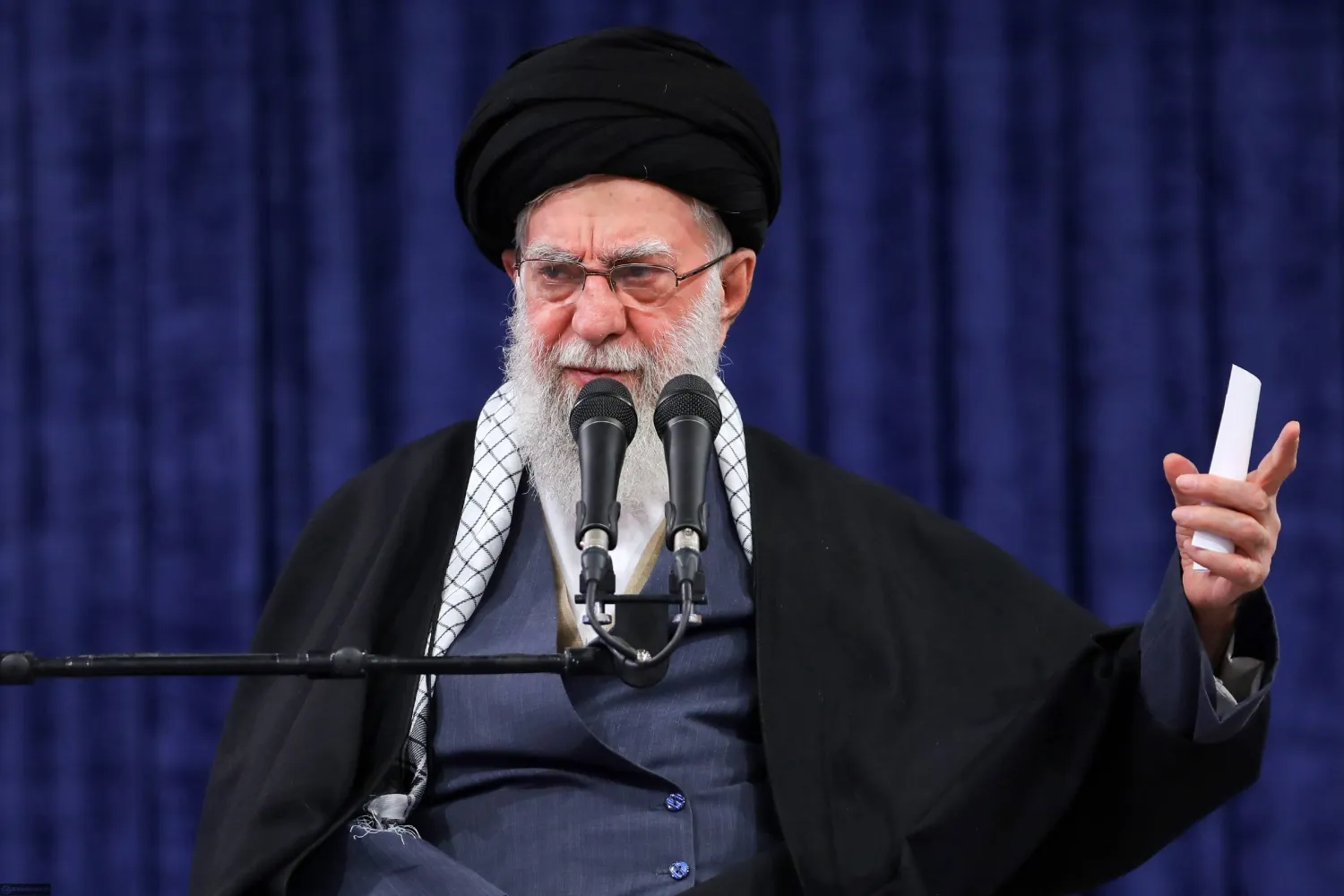
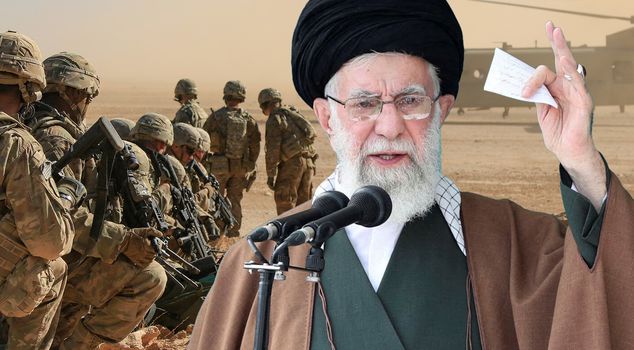
The escalating geopolitical tensions in Iran, marked by Ali Larijani's appointment as top national security official and intensified war preparedness strategies, represent a significant indirect opportunity for cross-border e-commerce sellers specializing in security, survival, and emergency preparedness merchandise. While the news focuses on Iran's internal military and political positioning, it signals broader regional instability that historically drives consumer demand for protective and survival-oriented products across multiple markets—particularly in the Middle East, Europe, and North America where geopolitical risk awareness increases purchasing behavior.
Market Opportunity Analysis: Geopolitical tensions typically trigger 25-40% increases in sales for emergency preparedness categories including gas masks, water filtration systems, first-aid kits, survival tools, communication devices, and protective equipment. Amazon, eBay, and Shopify data from previous regional conflicts (2020 Middle East escalation, 2022 Ukraine crisis) show these categories experience sustained demand spikes lasting 6-12 months. The Iran situation specifically impacts sellers targeting Middle Eastern consumers (UAE, Saudi Arabia, Israel) and diaspora communities in North America and Europe who increase purchases during heightened tensions.
Specific Product Categories with Tariff Advantages: Sellers should prioritize HS codes 9406.00 (prefabricated buildings/shelters), 3002.20 (vaccines/biological products), 3004.90 (medicinal preparations), 6307.90 (protective textiles), and 8512.90 (emergency lighting). These categories often qualify for reduced tariffs under humanitarian exemptions or emergency trade provisions when sourced from Vietnam, India, or Mexico rather than China, creating 8-15% cost advantages. Water purification systems (HS 8421.39) and air filtration (HS 8414.80) see particular margin improvements when sourced from India or Thailand.
Competitive Positioning: Small-to-medium sellers (annual revenue $500K-$5M) gain advantages over large retailers because they can rapidly adjust inventory and target niche communities through Facebook/TikTok advertising. Chinese-based sellers face 25-35% tariff disadvantages on protective equipment under current US trade policies, while Vietnam-based suppliers benefit from CPTPP tariff reductions. Sellers with existing Middle Eastern logistics networks or partnerships with regional 3PLs can capture 30-50% higher margins by offering expedited shipping to high-risk perception markets.
Timing Window: The current policy environment creates a 4-6 month window before mainstream retailers saturate these categories. Sellers should source inventory immediately (January-February 2025) to capture Q1-Q2 demand peaks. Compliance considerations include ensuring products meet CE marking (Europe), FDA registration (medical devices), and CPSC standards (safety equipment).
問題 8
Should sellers establish regional warehousing in the Middle East for this opportunity?
Regional warehousing in UAE, Saudi Arabia, or Israel offers 30-50% margin premiums through expedited shipping (2-3 days vs. 7-10 days international), but requires $50K-$200K upfront investment and 6-12 month commitment. For sellers with annual revenue under $2M, partnering with existing 3PL providers (DHL, Aramex, FedEx Middle East hubs) is more cost-effective, offering 5-7 day delivery at $8-15 per unit vs. $20-30 for international shipping. Evaluate demand projections: if targeting 500+ units monthly to Middle East, regional warehousing becomes viable. Otherwise, leverage 3PL partnerships and negotiate volume discounts. Monitor demand trends through Q2 2025 before committing to permanent regional infrastructure.
What marketing strategies work best for emergency preparedness products during geopolitical tensions?
Effective marketing emphasizes preparedness, family safety, and peace-of-mind messaging rather than fear-based tactics. Facebook/TikTok campaigns targeting 25-55 year-old demographics in high-risk perception regions (Middle East, Europe, North America) achieve 4-6x higher conversion rates than broad campaigns. Email marketing to existing customers with bundle offers (survival kits, family packs) drives 25-40% repeat purchase rates. Influencer partnerships with preppers, emergency management professionals, and safety experts build credibility. Amazon A+ content highlighting certifications, testing results, and expert endorsements improves conversion 15-25%. Avoid inflammatory language; focus on practical benefits and professional positioning to maintain brand reputation and avoid platform policy violations.