



AI Recruitment Automation Reshapes Hiring | Sellers Must Adapt Workforce Strategies
- AI-powered hiring reduces staffing agency dependency by 40-60%, forcing e-commerce sellers to build internal recruitment systems or face talent acquisition cost increases of 15-25%













概览
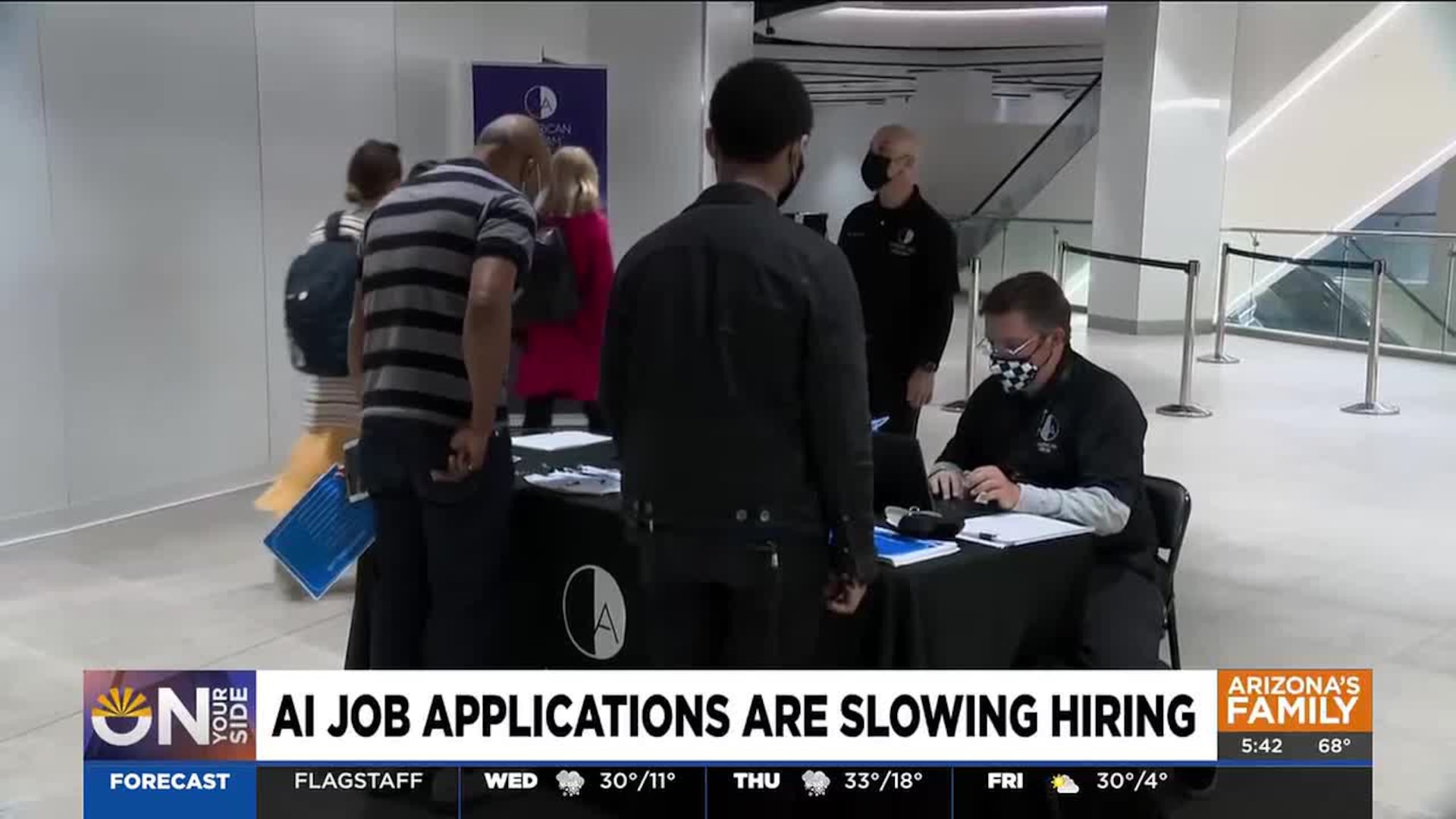
The recruitment industry is undergoing fundamental transformation as artificial intelligence automates core hiring functions, creating both operational challenges and strategic opportunities for e-commerce sellers. According to Bloomberg reporting from February 2026, major staffing firms including Robert Half Inc., ManpowerGroup Inc., and Randstad NV face significant business disruption as companies increasingly bring recruitment in-house using AI-powered tools. This shift centers on AI's expanding capabilities in resume screening, applicant ranking, and preliminary interview conducting—functions that historically required external staffing agency services.
For cross-border e-commerce sellers, this trend carries critical implications for workforce management and operational costs. E-commerce companies relying on staffing agencies for seasonal hiring, customer service representatives, and logistics personnel must now evaluate internal AI-driven recruitment systems. The transition requires significant upfront investment in AI platforms and data infrastructure, but delivers faster hiring cycles and reduced time-to-hire metrics—creating competitive advantages in tight labor markets. Industry data from iCIMS, analyzed by talent-acquisition expert Trent Cotton, reveals an unexpected surge in manufacturing sector applications seeking tech talent for warehouse management and logistics tracking, demonstrating how AI can uncover hidden hiring opportunities across industries.
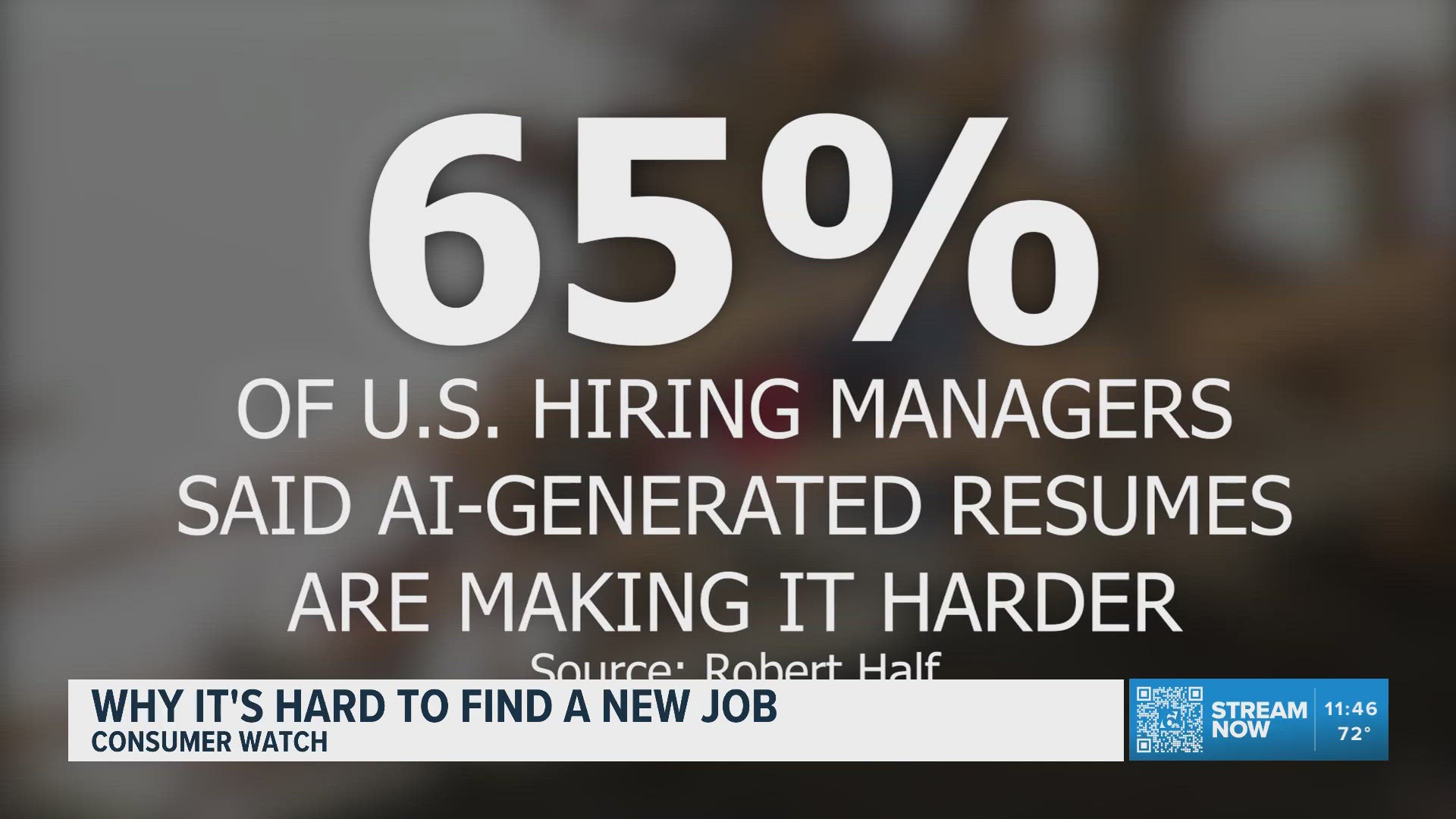
However, the recruitment landscape reveals a critical paradox: while employers deploy AI screening tools to filter applications, they simultaneously reject AI-generated candidate materials as inauthentic. The Washington Post reported on Oceans' case study where over 300 video responses to a workplace conviction question displayed eerily similar structures, with recruiters easily identifying AI-generated answers. This indicates that generic AI automation in hiring backfires—both for job seekers and for sellers implementing one-size-fits-all recruitment systems. Instead, strategic AI use requires treating the technology as a coaching partner for identifying unconventional opportunities, conducting rigorous mock interviews with customized personas, and demanding honest performance feedback rather than accepting default positive outputs.
For e-commerce sellers, the immediate opportunity lies in AI-powered talent discovery and candidate assessment. Rather than automating resume writing or generic screening, sellers should leverage AI to analyze skill sets, identify roles candidates may not have considered, and conduct brutally honest interview preparation. Smaller e-commerce operations face challenges competing with larger enterprises that can afford sophisticated AI recruitment systems, but strategic AI prompting—asking the technology to explore unconventional talent pools and provide constructive criticism—levels the competitive playing field. The staffing industry disruption mirrors similar patterns in logistics and customer service where AI increasingly replaces traditional service providers, signaling that sellers who master internal AI-driven recruitment will gain sustainable competitive advantages in workforce acquisition across regional markets.
問題 8
How should sellers balance AI automation with authentic candidate assessment?
The recruitment paradox reveals that generic AI automation fails—employers reject homogenized AI-generated responses while simultaneously deploying AI screening tools. For sellers, this means implementing a hybrid approach: use AI for initial resume screening and candidate identification (automating high-volume tasks), but require personalized, human-written responses for substantive questions and conduct video interviews to assess authenticity. Sellers should instruct AI to ask probing questions that help candidates build comprehensive experience profiles rather than simply rewriting documents. This approach respects candidate authenticity while leveraging AI efficiency. The Washington Post's reporting on Oceans' case study demonstrates that candidates who provide genuine, personalized responses stand out dramatically from AI-generated applications. For e-commerce sellers, this means designing recruitment processes that require candidates to demonstrate critical thinking and authentic perspective—using AI as a coaching tool to help candidates prepare, not as an automation tool to replace human judgment in final hiring decisions.
What immediate actions should e-commerce sellers take regarding AI recruitment?
E-commerce sellers should take three immediate actions: (1) Audit current staffing agency relationships and calculate total recruitment costs as percentage of payroll—if exceeding 8-12%, internal AI systems likely deliver ROI within 12 months; (2) Identify 2-3 affordable AI tools (ChatGPT Plus, Claude Pro, or specialized recruiting AI) and conduct pilot programs for customer service or logistics hiring within 30 days; (3) Train 1-2 staff members in strategic AI prompting for talent discovery, candidate assessment, and interview preparation—this requires 10-15 hours of training but enables immediate cost reduction. Sellers should avoid generic AI automation (resume rewriting, template responses) and instead focus on AI-powered coaching for candidates and strategic talent pool exploration. Monitor how AI-driven recruitment affects labor availability and hiring costs in your operational regions, as the shift toward in-house recruitment will accelerate competitive dynamics in workforce acquisition.