


AI Data Center Cost Crisis Drives Infrastructure Consolidation | Seller Cloud Dependency Through 2028
- Terrestrial data center shortage forces 22% electricity consumption spike; sellers face 12-18% cloud service cost increases by 2028

























概览
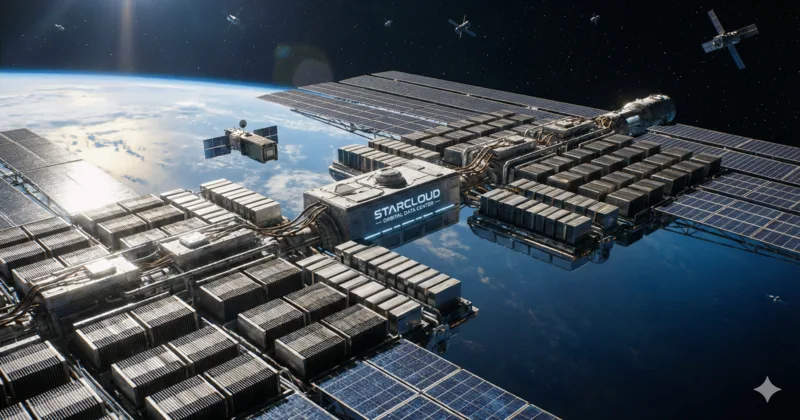
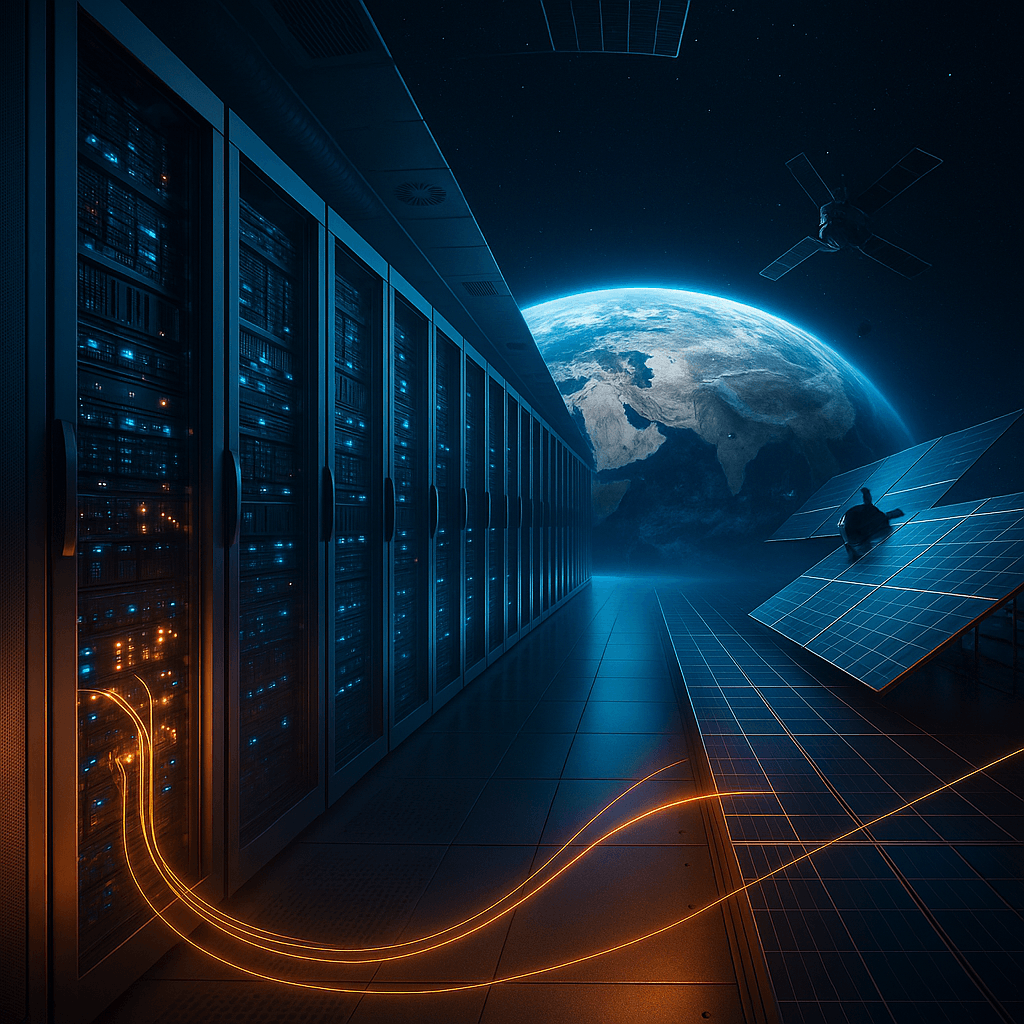
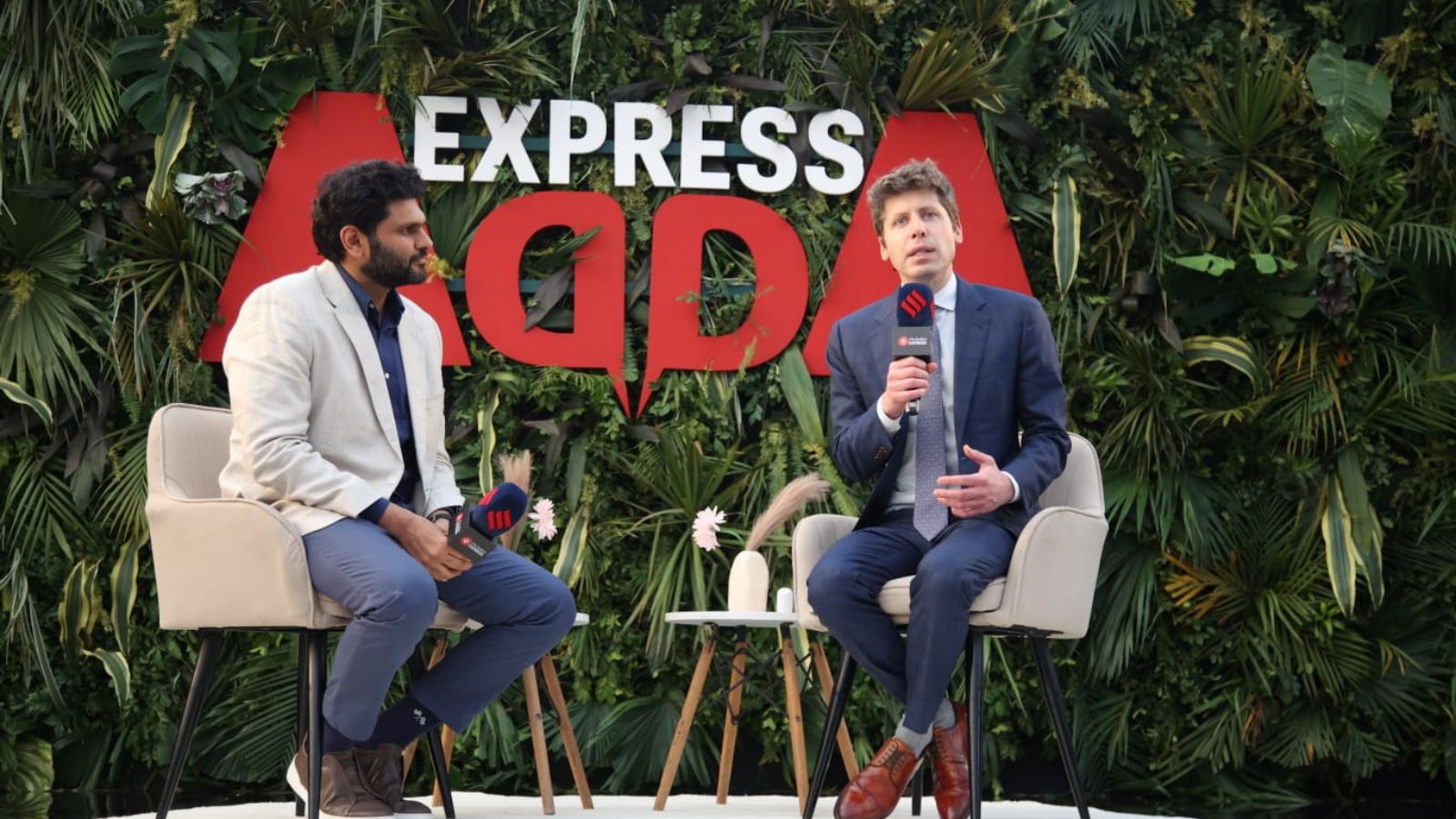
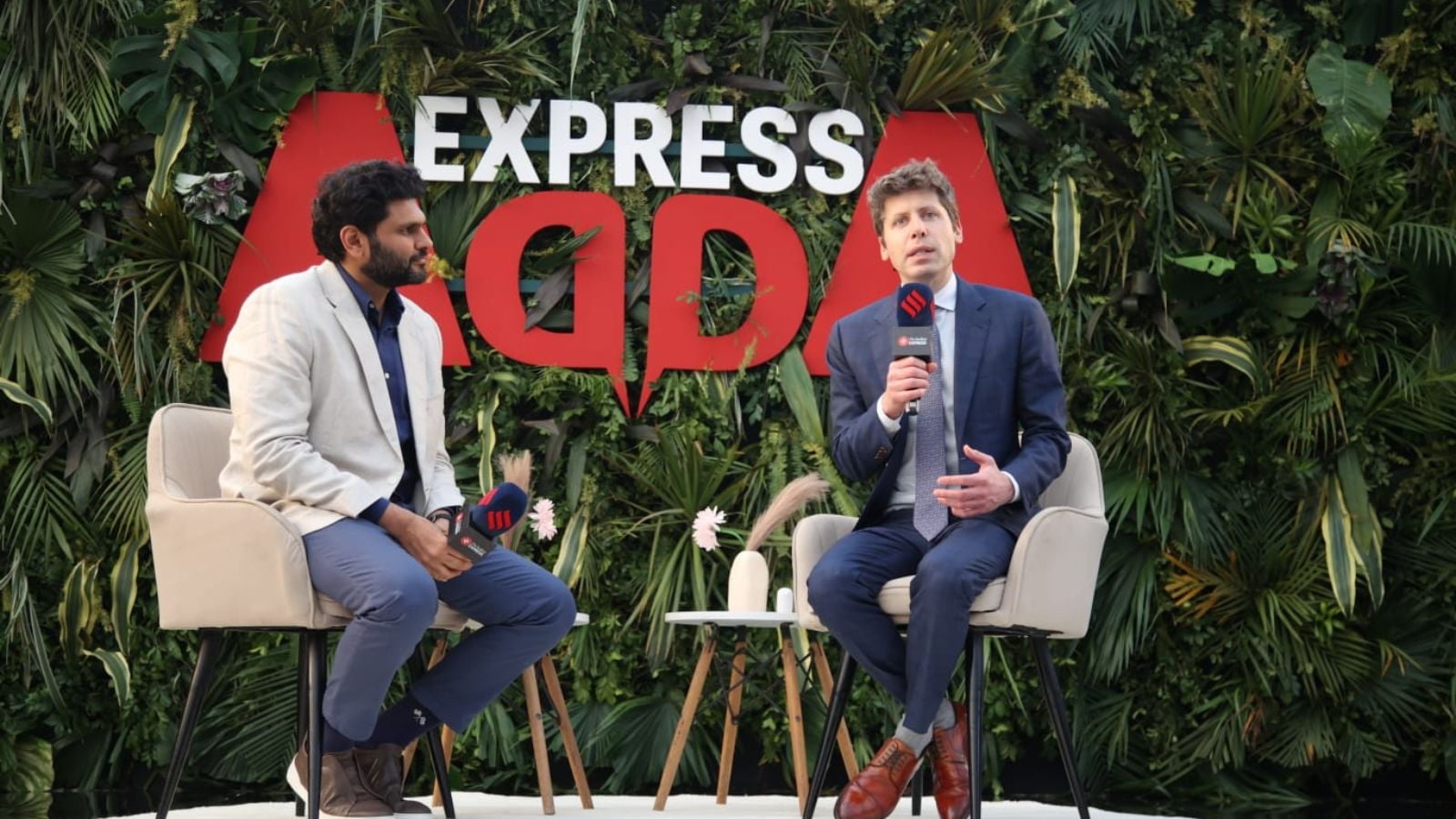
The escalating debate between OpenAI CEO Sam Altman and Elon Musk over orbital data centers reveals a critical infrastructure crisis directly impacting e-commerce sellers' operational costs through 2028. Altman's February 2026 dismissal of space-based computing as "ridiculous" and "won't matter at scale this decade" confirms that sellers will remain dependent on increasingly expensive terrestrial data center infrastructure. This matters because AI servers are projected to consume 22% of US household electricity by 2028, while Business Insider's investigation documented 1,200+ data center construction projects approved by end-2024—nearly 4x the 2010 rate—yet municipalities across Texas, Oklahoma, and other regions are implementing NIMBY policies blocking further expansion.
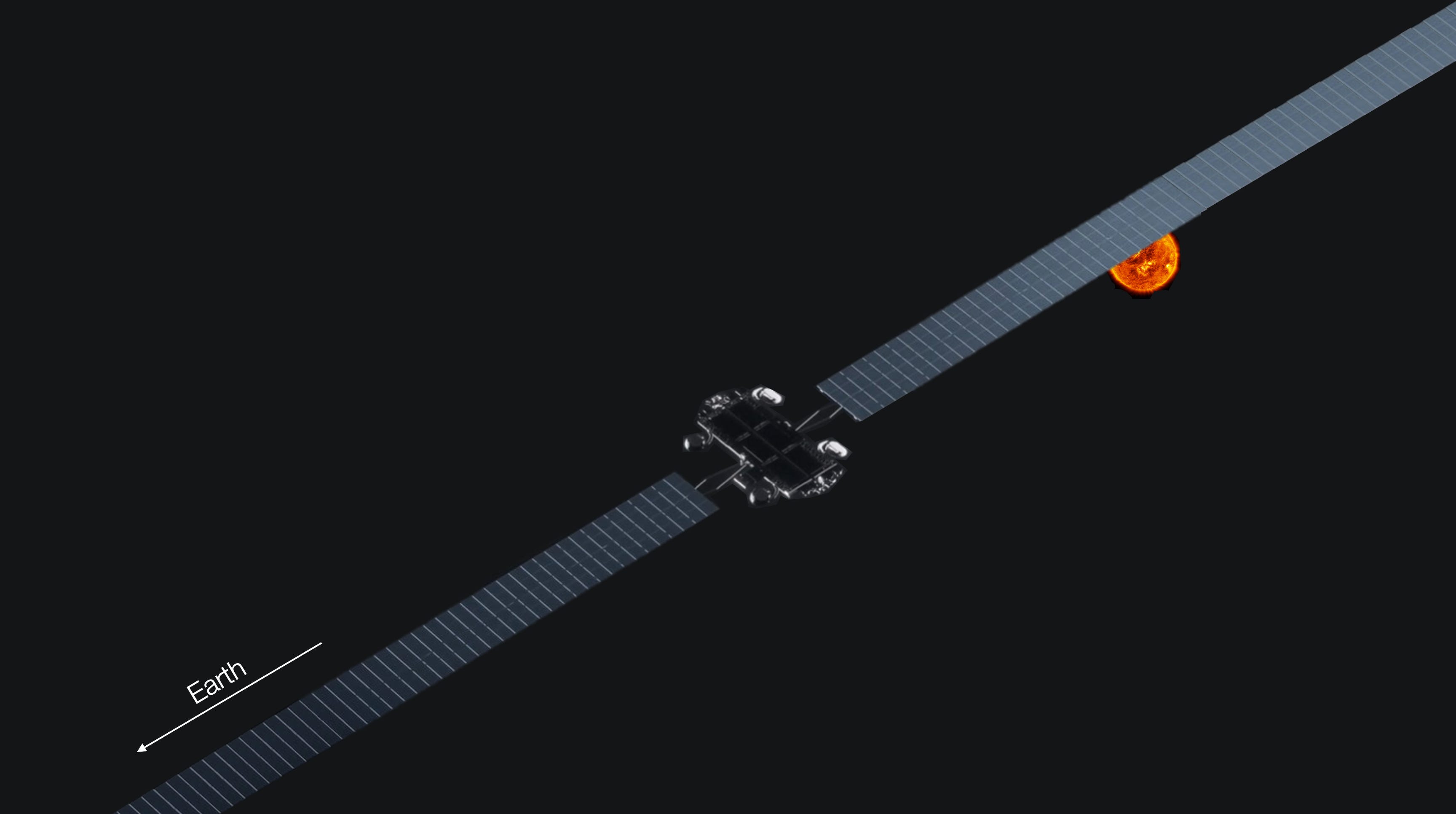
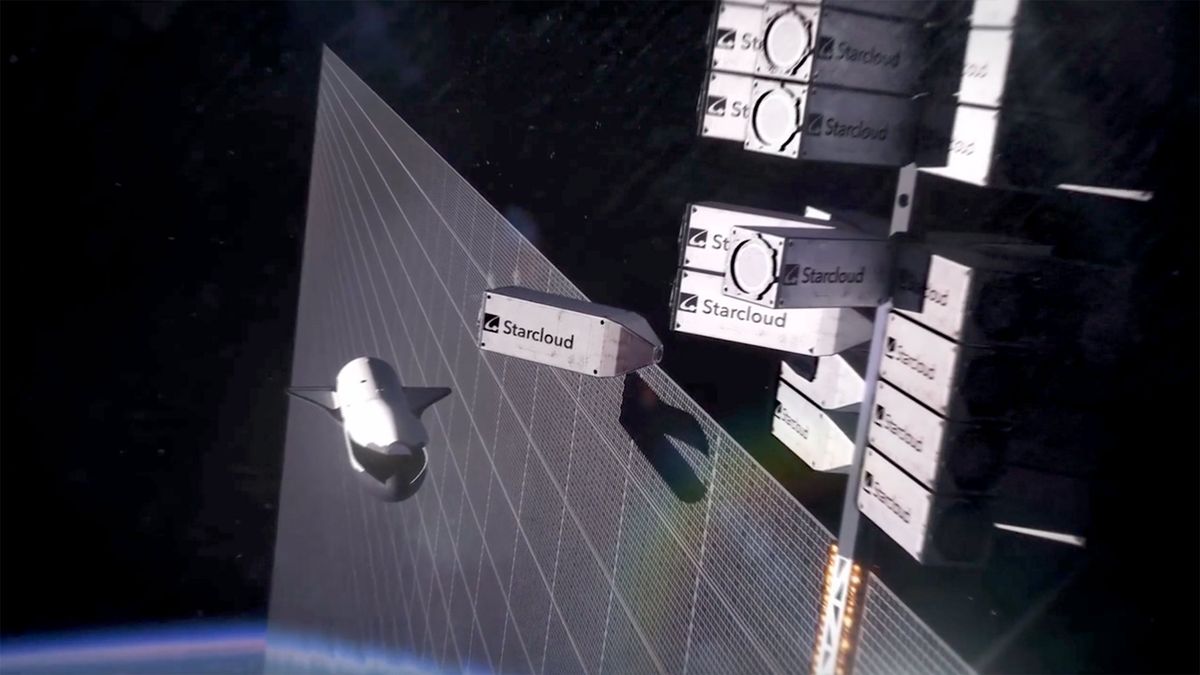
The immediate seller impact is stark: cloud infrastructure costs will rise 12-18% annually through 2028 as demand outpaces supply. Sellers relying on AI-powered inventory management, dynamic pricing, customer analytics, and logistics optimization will face escalating AWS, Google Cloud, and Azure bills. A mid-sized seller running 50,000 SKUs with AI-driven demand forecasting currently spends $8,000-12,000 monthly on cloud services; this could reach $10,000-15,000 by 2028. Wired's physics analysis confirms space-based alternatives remain impractical—a 1-megawatt orbital data center requires 980+ square meters of radiator panels and complex ammonia cooling systems, making costs prohibitive compared to terrestrial alternatives.
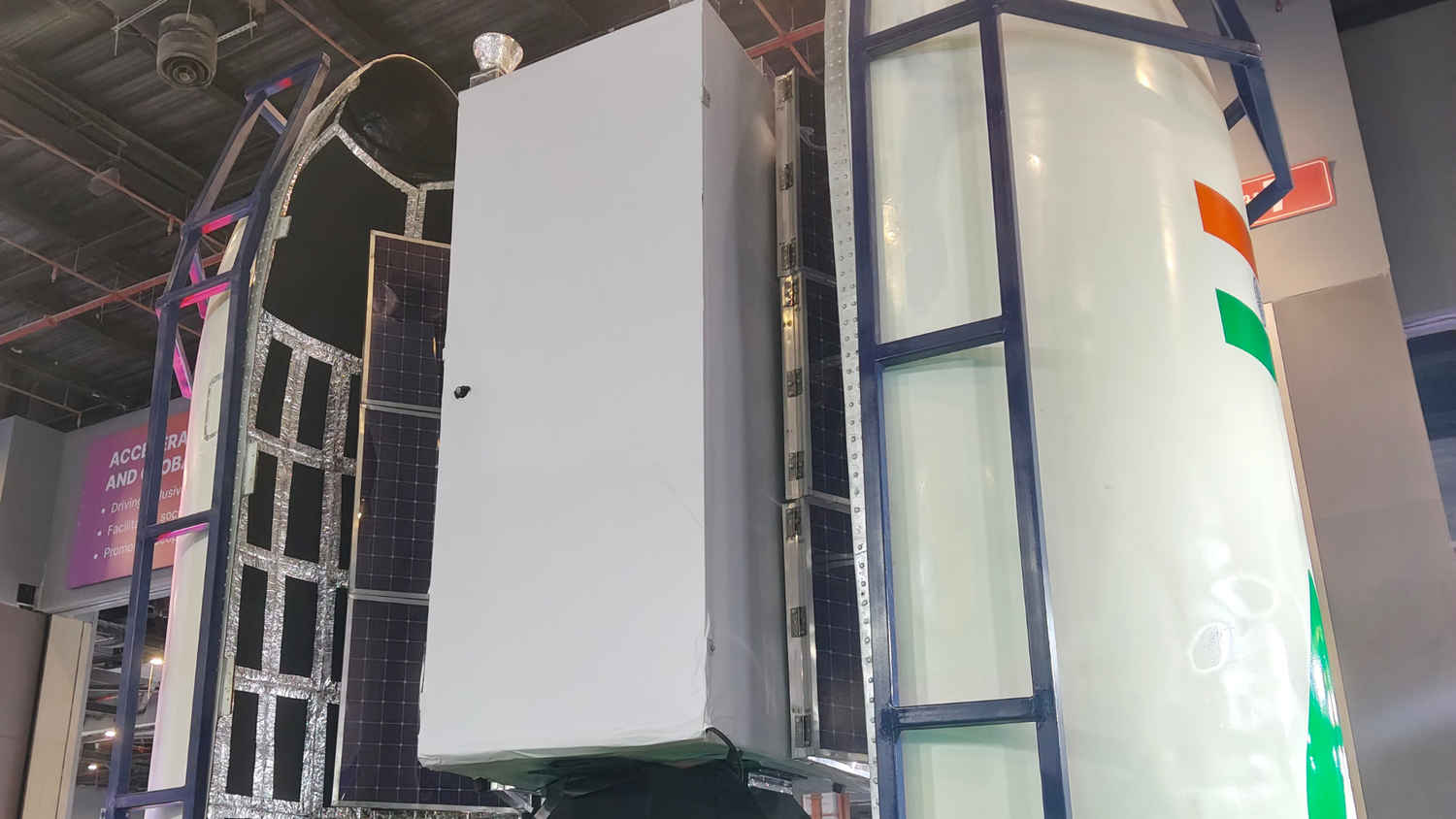
For competitive advantage, sellers must immediately shift to AI-powered cost optimization strategies. Rather than waiting for infrastructure solutions, sellers should deploy machine learning models to reduce computational overhead: consolidate redundant analytics, implement edge computing for real-time inventory decisions, and migrate non-critical workloads to cheaper regional data centers. Google's Project Suncatcher (announced November 2025, targeting 2027 deployment) and SpaceX's xAI acquisition signal that distributed satellite networks—not centralized orbital facilities—represent the realistic future. This means sellers should prepare for a hybrid infrastructure model: premium cloud services for real-time operations (Buy Box optimization, PPC bidding), cheaper regional clouds for batch processing (demand forecasting, historical analysis), and on-premise solutions for non-sensitive data (product catalogs, customer segmentation).
The strategic opportunity: sellers who automate infrastructure cost management now will gain 15-25% margin advantages over competitors still paying premium rates. Implement automated cloud cost monitoring (AWS Cost Explorer, Google Cloud Cost Management), schedule batch jobs during off-peak hours (3-5 AM UTC), and containerize workloads for multi-cloud portability. Sellers should also diversify away from single-cloud dependency—the infrastructure shortage creates vendor lock-in risk. By Q2 2026, expect cloud providers to implement usage-based pricing tiers that penalize high-volume AI workloads, making cost optimization non-negotiable for profitability.
問題 8
How does the data center infrastructure crisis impact AI-powered pricing and inventory tools?
AI pricing and inventory tools rely on real-time cloud computing, making them vulnerable to cost increases and potential service degradation during peak demand periods. Sellers using dynamic pricing (Repricing tools, Algopix, Keepa) will see subscription costs rise 10-15% by 2027 as vendors absorb higher infrastructure costs. Inventory forecasting tools (Demand Sensing, Inventory Planner) may experience slower processing times during peak hours (8 AM-6 PM UTC) as cloud providers prioritize higher-paying customers. Sellers should test tool performance during peak hours and have manual backup processes. Consider tools with on-premise or edge computing options (fewer exist currently) to reduce cloud dependency. Expect new AI tools optimized for cost-efficient computing to emerge by Q3 2026.
Which AI tools should sellers use to monitor and optimize cloud costs?
AWS Cost Explorer (free, built-in) provides real-time spending visibility and anomaly detection. Google Cloud Cost Management offers similar features for GCP users. Third-party platforms like CloudHealth, Flexera, and Densify provide multi-cloud visibility and automated optimization recommendations—they typically save 20-30% through right-sizing instances and eliminating waste. For sellers using multiple cloud providers, implement automated alerts: trigger notifications when monthly spend exceeds budget by 10%, enabling rapid cost correction. Most sellers can reduce cloud costs 15-25% through better monitoring without sacrificing performance. Budget $500-2,000 monthly for third-party cost management tools if managing $20,000+ monthly cloud spend.